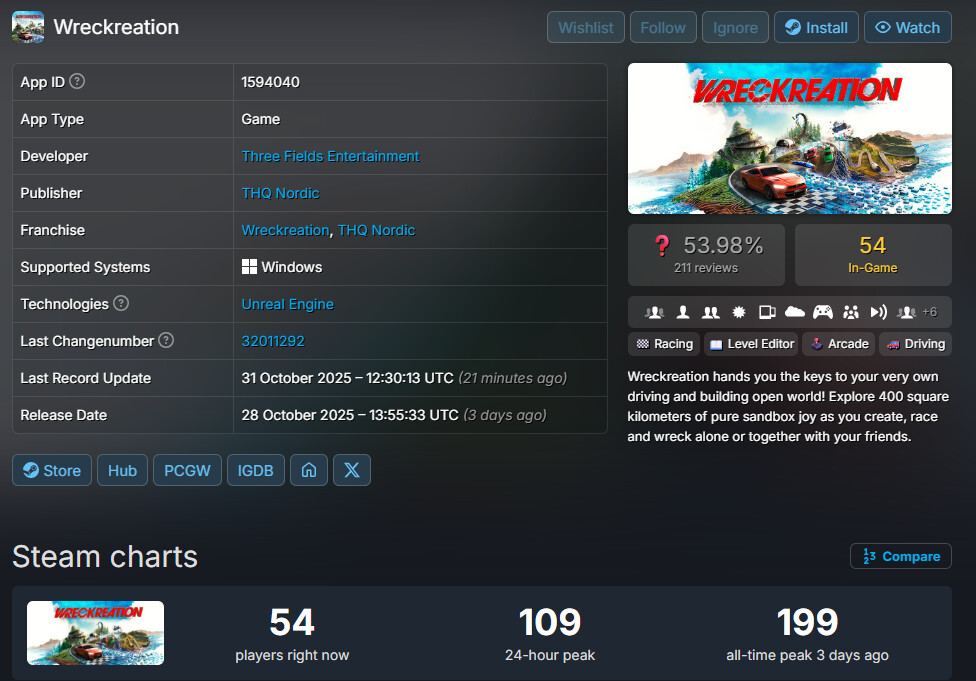
Taloudellisuudesta en tiedä, kun Tripwire US studio, joten kehitys melko kallista. Pelin breakeven on jossain 1,5-2M välissä, johon ei välttämättä julkaisun yhteydessä päästä. Mielenkiintoista nähdä mihin peli sijoittuu kuuluisalla ROI kartalla.
Embracerin tarina on muuttunut valtavasti muutamassa vuodessa, yhtiöllä oli mahdollisuus murtautua markkinalle tarjoamalla tasaista kassavirtaa tekevä peli-etf, joka maksaisi vielä osinkojakin tulevaisuudessa. Valitettavasti yhtiön johto epäonnistui niin taloudellisesti kuin myös laadullisesti.
Strategia oli täysin väärä ja yhtiöistä maksettiin ylihintaa. Suurin osa ostetuista yhtiöistä julkaissut ihan puhdasta sekundaa ja vanhat THQ Nordic/Koch media jäänteet suorittaneet vieläkin heikommin. Saber ja Gearbox myytiin, Asmodee irtautui, mitä ylipäänsä edes jäljellä? Yhtiön julkinen imago tuhoutui irtisanomisiin, mutta onko CoffeeStainia järkevää yhä irrottaa omaksi yhtiökseen, kun pelkkä yhtiön nimen muuttaminen riittäisi.
THQ Nordic - Konsernin surkein alisuorittaja. Suomalainen Bugbear ja Gunfire Games (Remnant / Darksiders) ainoat jäljellä olevat laatustudiot. THQn alaisuudessa aivan liikaa huonoja studioita, surkeita projekteja ja epäonnistuneita julkaisuja vuodesta toiseen.
Plaion (Koch media) - Tunnettu lähinnä julkaisijana ja fyysisten laitteiden ja pelien valmistajana. Kun fyysisten pelien myynti kuolemassa ja lähes jokainen studio kykenisi julkaisemaan pelinsä itse, mihin emoyhtiöitä ylipäänsä edes tarvitaan. Milestone toimii jo nyt itsenäisesti ja ei yllättäisi jos nähtäisiin joku management buyout ratkaisu tulevaisuudessa. Seuraava KCD julkaistaan ehkä 8 vuoden päästä ja uutta Metro peliä odoteltu jo 6 vuotta. 4A Gamesistä puolet irtautui omaksi yritykseksi, eikä Emppu tainnut koskaan edes tarkentaa mitä ihmettä oikein edes tapahtui. Olen yhä ihmeissäni miksei tätä yhdistetty THQ Nordicin kanssa jo 3 vuotta sitten.
CoffeeStain - Ainoa yhtiön liiketoiminnoista, jota johdettu järkevästi ja tekee kovaa tulosta. Melko pieni AA toimija, mutta IP portfolio vahva ja julkaisevat jatkuvasti uusia pikkuhittejä, jotka kehitetty kustannustehokkaasti. Jos tämä oikeasti irrotetaan, niin Empun arvo laskisi merkittävästi, kun jäljelle jäisi vain heikko IP portfolio ja Larsin oma pelimuseo.
CoffeeStains IPs include award-winning, community driven, evergreen games such as Deep Rock Galactic, Goat Simulator, Satisfactory, Teardown, Valheim, and Welcome to Bloxburg. In FY 2024/25, Coffee Stain Group generated, on a pro forma basis, net sales of SEK 1,089 million, Adjusted EBIT of SEK 544 million and EBITDAC of SEK 526 million.
Amplifier - Sekalainen soppa indie firmoja ja indie pelejä. Ei koskaan oikein lähtenyt lentoon ja yhtiön toiminta supistunut vuosi vuodelta. Tälle pitäisi laittaa lopullisesti lappu luukulle ja sulauttaa muihin yhtiöihin.
DECA Games - Tätä ei olisi koskaan pitänyt edes hankkia. Mobiilistudio ei oikein istu muuhun portfolioon, mutta kovasta yrityksestä huolimatta tälle ei vielä löydetty ostajaa.
Dark Horse Media - Tästäkin maksettiin aikoinaan ylihintaa ja vaikkakin Lars sarjakuvien suuri ystävä, ei tällä kovin suurta arvoa, kun sarjakuvien myynti todella vaisua eivätkä edes omista Hellboy IPtä.
Freemode - Sekalainen soppa IPtä, pelistudiota ja vähän sitä sun tätä. Limited Run jatkuvasti uutisissa kun tehneet jonkun kyseenalaisen ja heikon julkaisun. LOTR kiva omistus, mutta jokainen uusi julkistus on ollut täysi floppi. Ehkä saavat tällä vielä joskus tehtyä rahaa ennen kuin se siirtyy public domainiksi.
Crystal Dynamics - Eidos - Konsernin uuden toimitusjohtajan oma liiketoimintayksikkö, joka on Embracerin omistuksessa julkaissut, hmm. ei yhtään mitään. Deux EX projekti laitettiin jäihin, Xbox keskeytti Perfect Darkin kehityksen, Microsoftin Fable ja Amazonin Tomb raider kehityshelvetissä. Ja näillä meriiteillä Phil Rogers nostettiin koko konsernin johtoon?
CoffeeStainia voisin ehkä omistaa tulevaisuudessa, mutta jäljelle jäävä sekamelska ei kiinnosta yhtään ellei yhtiöitä integroida vahvasti toisiinsa.