Yep, I was googling that Lasertec myself today. Dutch company Fastmicro also specializes in defect detection and works closely with ASML.
4 Likes
The stock is certainly quite pricey; wasn’t Helsinki supposed to be going through tough times? It will continue to be loss-making for many more years and only in a couple of years will it be in the same ballpark as, say, ASML (in terms of forward-looking valuation) regarding the EV/S ratio, even though ASML has a total monopoly and is also growing fast.
(And thus, I have blessed Canatu’s stock for a multi-year takeoff)
4 Likes
Canatu is indeed in a monopoly position regarding its technical implementation. No other technology allows you to produce pellicles for high-power lithography as efficiently.
I can tell you from experience that a 200-step semiconductor process to produce a simple structure is absolute overkill in its complexity. Especially if you are trying to make a pellicle out of silicon or its derivatives. Good luck with that.
Manufacturing free-standing films at the nanoscale is absolute hell. Especially from the perspective of mechanical durability.
And I can also tell you that there are significant differences between CNTs, depending entirely on the manufacturing method. For example, you can buy carbon nanotubes with different diameters or different wall counts.
But of course, it’s possible that a competitor might develop their own parallel process to produce pellicles similar to Canatu’s. However, that’s unlikely to happen in just a year.
10 Likes
Oh, Atte certainly described the company’s market position and competitive landscape quite differently. I wonder if there has been an accidental error in the report? The word “monopoly” isn’t mentioned even once.
3 Likes
Yeah, good point, I edited my message to say “in terms of its technical implementation,” which describes the thought better.
So, of course, Canatu doesn’t operate in a vacuum.
4 Likes
Canatu published the listing document for the Investor Warrants:
Investor Warrants will be traded on the First North marketplace between 10:00 on 17 October 2024 and 18:30 on 11 October 2029, unless the Company’s Board of Directors decides to require the subscription of the Investor Warrants as described above. The final subscription date for the Investor Warrants is 17 October 2029, after which unexercised Investor Warrants will expire worthless. The Company’s Board of Directors will approve the final share subscriptions made with the Investor Warrants as soon as possible after the final subscription date of 17 October 2029.
7 Likes
Warrants are now visible on Nordnet, more characters
1 Like
Can someone please break it down in simple terms: how do those warrants work and what should be done with them?
2 Likes
Here is the latest discussion on warrants. It’s worth reading those first:
https://keskustelut.inderes.fi/t/lifeline-spac-i-yhdistyi-canatuun/23318/286?u=vanerihands
6 Likes
I personally assume that Nordnet (or the bank etc. wherever the shares are held) will provide instructions on how to proceed when the time comes?
Exceeding the €18 price level for an extended period triggers a subscription obligation (or forces a sale), but it may take time, and there is a maximum of about five years to decide what to do with the warrants if they are not in an equity savings account (OST).
You can find a price calculator for warrants here, so you can estimate the theoretical value:
With a 5-year term, a 2% risk-free interest rate, and 10% volatility (this didn’t seem to have much of an impact), the warrant’s value is currently €1.79, and with a 3% risk-free rate, €2.30.
6 Likes
I wouldn’t trust that calculator. At a 10 euro share price, the warrant gets a negative value.  And on the other hand, it doesn’t account for the subscription obligation at 18 euros.
1 Like
It is true that those theoretical calculators do not give an accurate picture if the stock price is significantly below the warrant’s strike price. Even then, the warrant has value, depending especially on how much time to maturity remains.
I wonder if I understood the warrant matter correctly. The question presented below concerns the following section of the announcement:
”Investor warrants are issued to those Canatu shareholders who did not vote against the Acquisition at the Extraordinary General Meeting held on 23 August 2024 and did not present a request for the redemption of their shares to the Company’s Board of Directors. Investor warrants are issued to shareholders based on ownership as of the record date for the Investor Warrants. The record date for the Investor Warrants is 30 days after the general meeting that decided on the Acquisition, i.e., today, 23 September 2024.”
So if one bought shares from the market after 23 August, but before the record date of 23 September, are they not entitled to the warrants? Or are they after all?
The warrants were distributed to shareholders who had purchased their shares by last Thursday, September 19th, at the latest. These shares had a record date of September 23rd.
4 Likes
23 Likes
Canatu today in Danske Bank’s morning review (https://danskebank.fi/sinulle/saastaminen-ja-sijoittaminen/oppaat/sijoittamisen-aamukatsaus, the link leads to the daily morning review). They initiated coverage on Canatu with a Buy recommendation and a 16 euro 12-month target price.
17 Likes
The semiconductor industry is expected to grow at an annual rate of approximately 20 percent towards the $1 trillion milestone by 2030 (currently around $600 billion)
Greetings from the world’s largest semiconductor conference – 10 observations from the event
The Sifter fund’s portfolio management team landed at Taipei airport on Sunday night, September 1st. Why did we want to spend a week in Taiwan at the SEMICON Taiwan 2024 event? The reason is very clear. Over 25% of Sifter’s portfolio is invested in semiconductor companies.
15 Likes
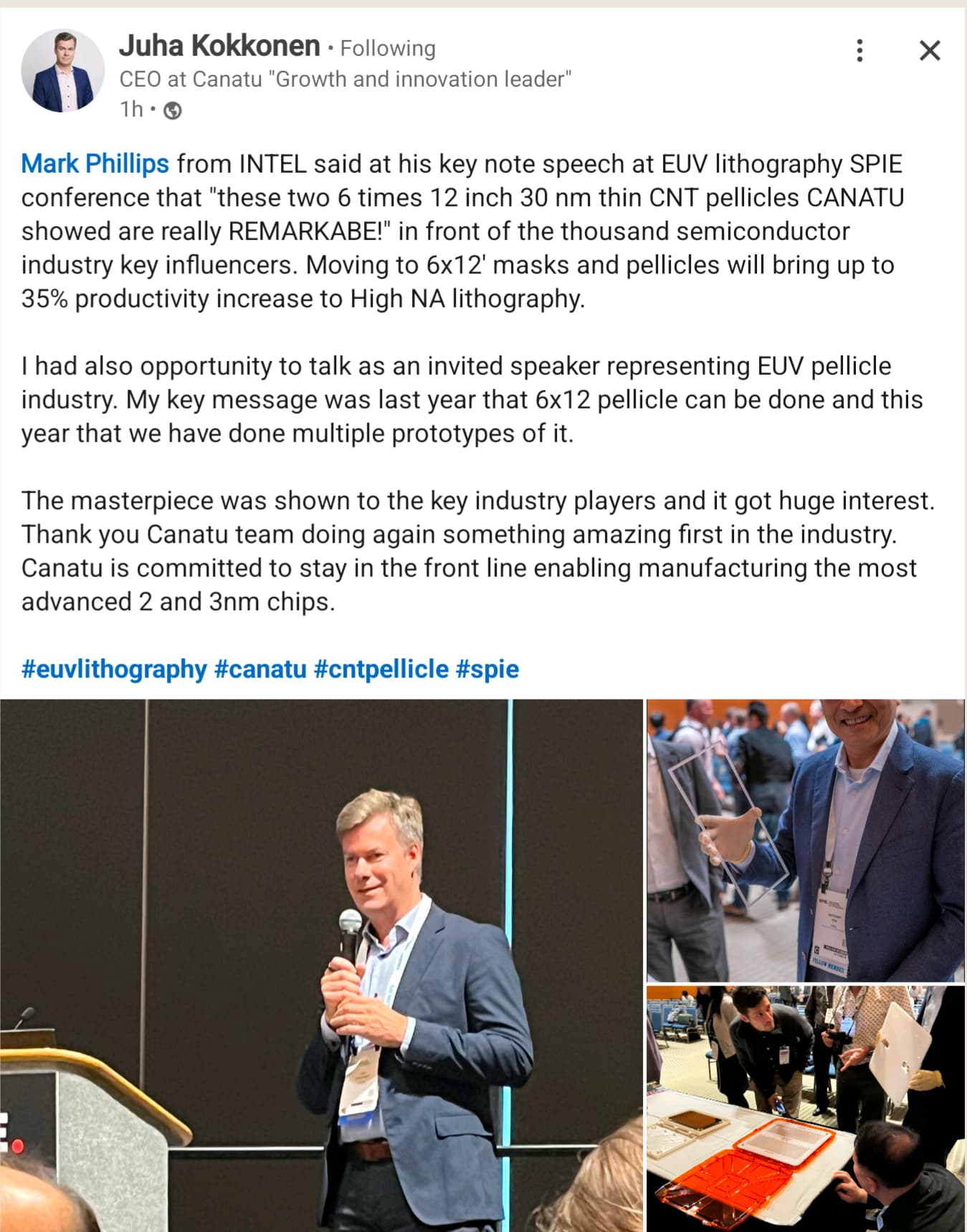
On LinkedIn, the CEO is sharing some good news.
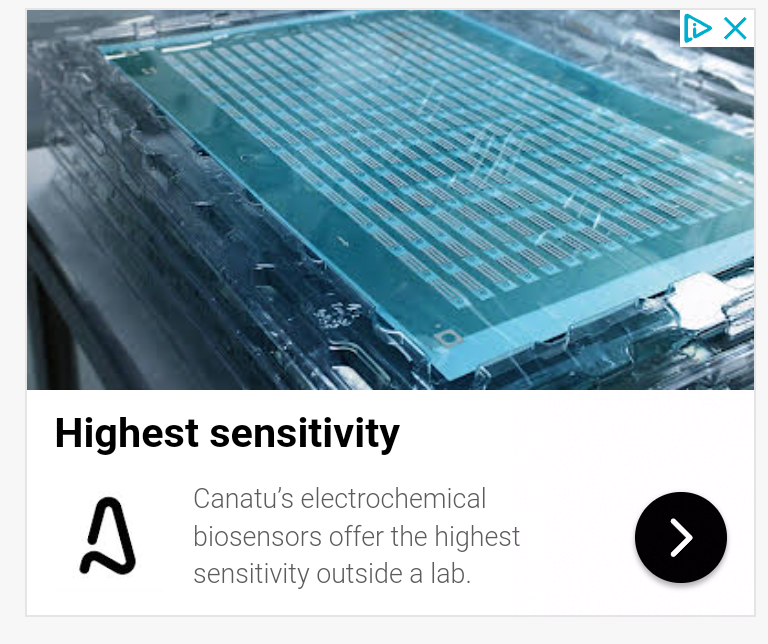
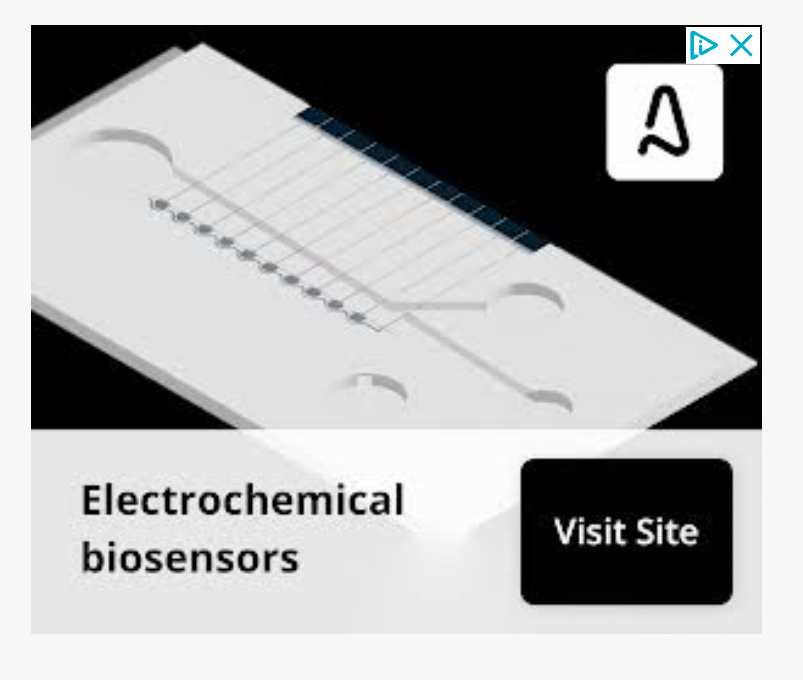
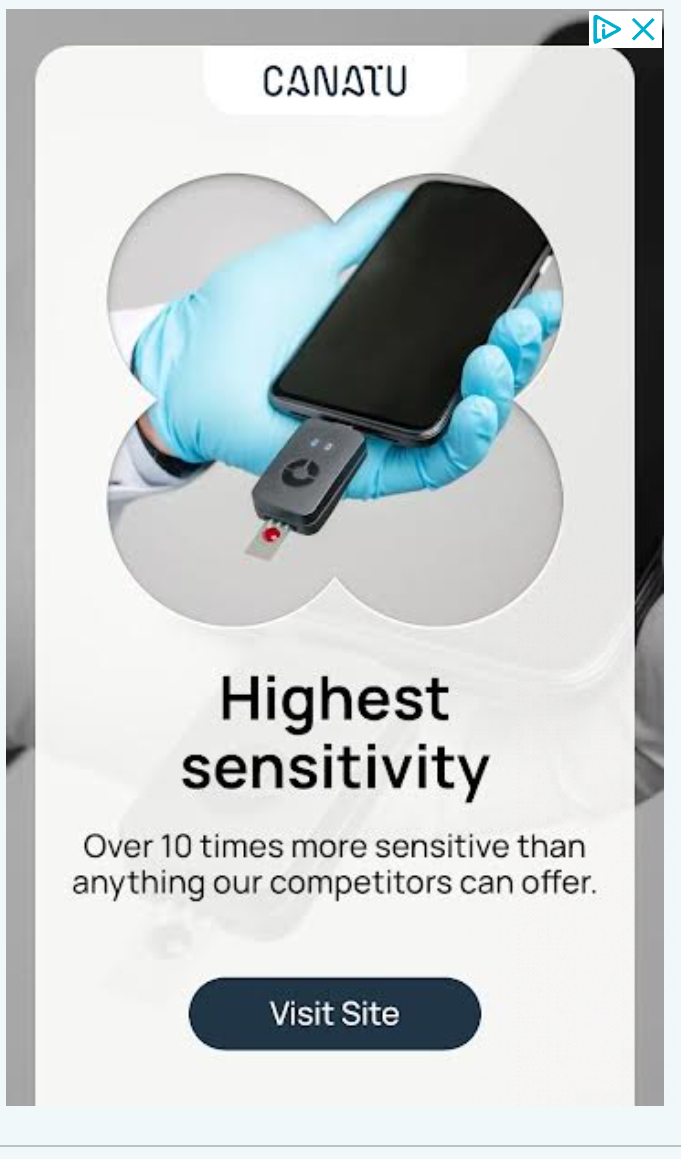
On another topic, a personal observation… Apparently, the diagnostics side has made progress, as I’ve started seeing ads like these on websites:
30 Likes
News from LINTEC regarding pellicles
7 Likes