Navitas Semiconductor suunnittelee, kehittää ja markkinoi seuraavan sukupolven tehopuolijohdetuotteita. Näillä tarkoitetaan galliumnitridiin (“GaN”) ja piikarbidiin (“SiC”) tekniikkaan perustuvia tehoelektroniikan komponentteja. Uuden sukupolven teknologia tuo etua tehokkuudessa, suorituskyvyssä, koossa, kustannuksissa ja kestävyydessä verrattuna nykyisin käytössä olevaan piipohjaiseen teknologiaan.
Nämä tuotteet ilmeisesti mahdollistavat esimerkiksi nopeamman latauksen, suuremman tehotiheyden ja paremmat energiansäästöt verrattuna piipohjaisiin järjestelmiin. Navitaksen tuotteita käytetään monenlaisissa sovelluksissa, kuten puhelimien ja tietokoneiden latureissa, sähköautoissa, aurinkosähköjärjestelmien inverttereissä, datakeskuksissa ja kuluttajaelektroniikan tuotteissa.
Yhtiö on perustettu vuonna 2014 ja listautui vuonna 2021 spac-menettelyn kautta Nasdaq-pörssiin. Navitaksella on ilmeisesti jonkinlaista kilpailuetua näiden GaN-integroitujen piirien kehittäjänä (?) ja vankka patenttisalkku.
Linkki yhtiön “Investor Day 2023” -esitelmään:
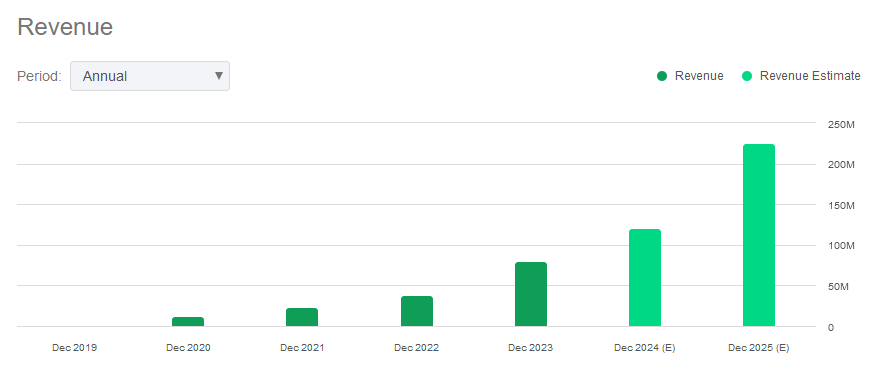
Yhtiön liikevaihto viime vuonna oli 79,5 milj. dollaria ja kasvua edelliseen vuoteen 109 %. Liikevaihdon ennustetaan kasvavan jatkossakin tällaisen kasvuyhtiön tahdilla. Bruttokate ollut noin 40 %. Yhtiöllä ei ole velkaa. Käteistä kassassa 152 milj. dollaria.
Perustin ketjun osittain sen takia, että pohdin, onko täällä keskustelupalstalla asiantuntijoita arvioimaan, kuinka merkittävä toimija Navitas on tämän kehittyvän GaN-teknologian saralla? Markkinaa näyttäisi olevan monenlaisessa eri tuotteessa teknologia- ja energiamurroksen ollessa tulevaisuudessa edessä.
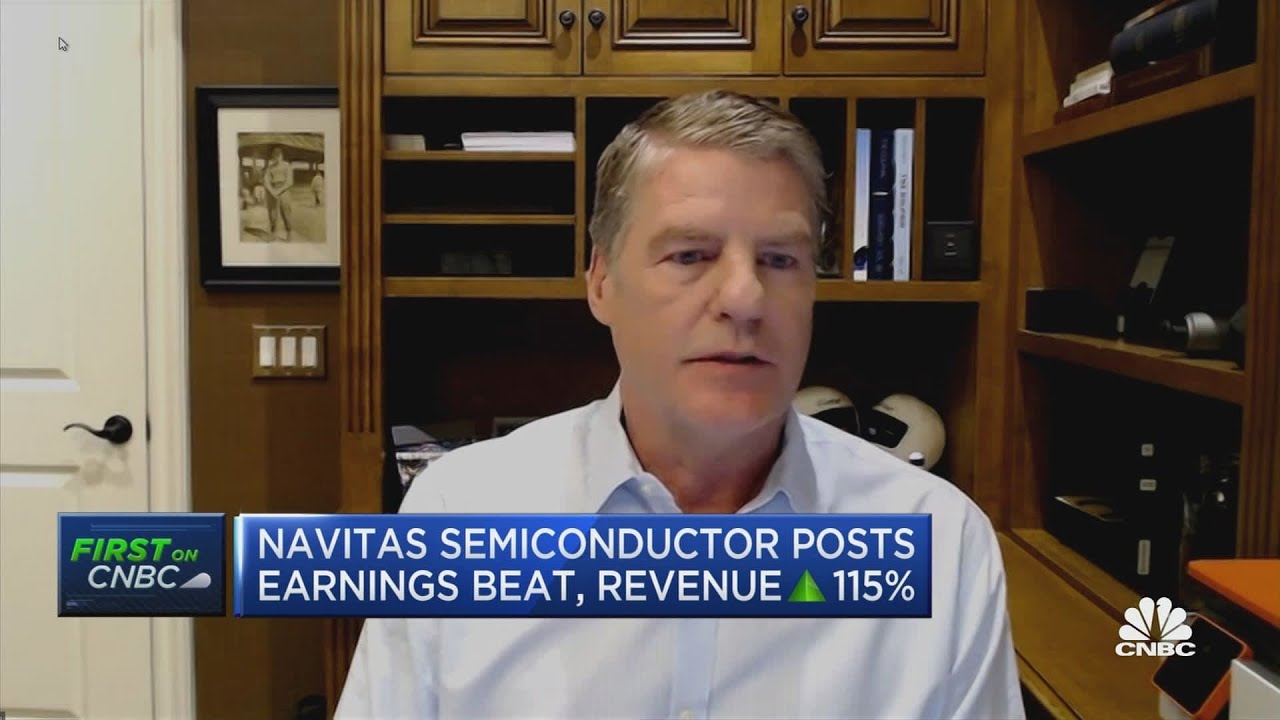
edit: Tässä vielä lyhyt CEO:n haastattelu CNBC:llä viime marraskuulta:
Mielenkiintoinen yhtiö ja täytynee perehtyä lisää kyseiseen yhtiöön. Kommentoin tässä viestissä hieman yleisellä tasolla (ehkä myöhemmin lisää, jos muistan)
Eniten itseä tässä näin ensinäkemältä mietityttää, että mikä tekisi juuri Navitaksen tuotteista parempia kuin jo markkinoilla asemansa vakiinnuttaneiden yhtiöiden tuotteista? Onko yhtiöllä jotain merkittäviä patentteja teknologiaan liittyen? Vai perustuuko yhtiön ajatukset kasvusta siihen, että erilaisten tehopuolijohteiden tarve tulee varmasti tulevaisuudessa kasvamaan kohtuullisen reippaasti vain koska sektori kasvaa. Mitkä ovat Navitaksen keinot kampittaa alalla ison jalansijan saaneita yhtiöitä? GaN- ja SiC-teknologiaa on viime vuosina tutkittu ja kehitetty kohtuullisen paljon ja suurimmalta osalta toimialan yhtiöistä löytyykin portfoliosta GaN- ja SiC-puolijohteisiin perustuvia tuotteita.
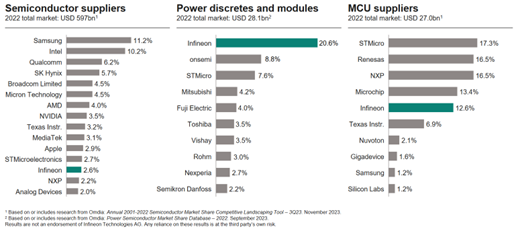
Alan merkittävimmät toimijat on esitetty alla olevassa kuvassa, joka on lainattu Infineonin Investor Presentationista vuodelta 2024. Kuten kuvasta voidaan huomata, on alalla jo merkittäviä tekijöitä, joilla on toimitus- ja tuotantoketjut hiottu kuntoon vuosien mittaan.
Joka tapauksessa mielenkiintoinen yhtiö ja vaatii lisää perehtymistä.
Myös Wolfspeed (NYSE:WOLF) on SiC-tuotteisiin erikoistuva firma, liikevaihto $922m ja markkina-arvo $3.6b. Niillä on käynnissä isot tehdashankkeet ja toiminta on vahvasti tappiollista. Vapaa kassavirta -$707m viime vuonna mutta lainarahaa on vielä kassassa $2.6b. Osake on laskenut -80% vuoden 2021 huipuista. Jos investoinnit onnistuvat niin sitten varmaan vedetään taas.
Minun on vaikea lähteä arvioimaan kilpailuetuja mikä Navitaksen erottaa esim. STMicroelectroniksesta, olen firmasta kuullut ja jokin mielikuva firmasta on jäänyt, että heidän kasvunsa painottuu aika isolta osalta Kiinaan kun taas mainitsemani ST:llä kasvu painottuu aika tasaisesti ympäri maailmaa. ST on tutkinut piikarpidia useita vuosia ja ovat muistaakseni avaamassa uutta tehdasta lähiaikoina joka olisi puhtaasti tehdas joka valmistaa tuotteita piikarpidista(SiC)
Voisin vaikka käyttää tätä ketjua ja kirjoittaa jokusen sanan galliumista, germaniumista ja piikarpidista. Kuten tässäkin ketjussa on todettu tulevaisuudessa enemmissä määrin tullaan näkemään puolijohteita jotka ovat valmistettu muusta kuin tavallisesta piistä. Tämä siksi, koska tulevaisuudessa tehonkulutus on aivan toista luokkaa mihin olemme nykypäivänä tottuneet. Piillä on omat hyvät puolensa, mutta kun halutaan tuottaa suurta tehoa kuten sähköautojen lataaminen tai serverit, tulee tulevaisuuden sirut tehdä jostain muusta kuin piistä. Piikarpidilla on erinomaiset ominaisuudet mitä tulee tehoelektroniikan lämpökuorman hallintaan ja yhä enemmän suuret puolijohtevalmistajat ovat alkaneet tutkimaan piikarpidin käyttöönottoa.
Materiaalit kuten piikarpidi, gallium tai germanium ovat itseasiassa jo vanhoja materiaaleja, mutta niiden käyttöönotto massatuotantoon ei ole yhtä helppoa kuten piin. Yleensä piin kiteenkasvatus tapahtuu Czochralskin menetelmällä jossa dippaamalla piitä kasvatusputkeen saadaan muodostettua pitkä tanko josta voidaan tehdä piikiekkoja. Tätä samaa menetelmää ei voida käyttää esimerksiksi piikarpidikiekkojen tekemiseen. Siksi emme ole vielä nähneet suuren volyymin massatuotantoa näillä kiekoilla, mutta luulenpa, että elämme tällä hetkellä sitä vaihetta, että alamme tulevaisuudessa yhä enemmän näkemään tuotteita jotka ovat valmistettu jostain muusta kuin piistä. Toiseksi samoja työstömenetelmiä mitä käytetään piin työstämiseen ei voida soveltaa suoraan piikarpidikiekkoihin, koska se on yksi kovimmista materiaaleista mitä tiedämme. Tämä asettaa omat haasteensa laitevalmistajille jotka tekevät prosessilaitteita(mm. LAM, Applied, Disco jne). Juttelin taannoin yhden laitevalmistajan edustajan kanssa piikarpidista ja he yrittävät kaikin keinoin löytää ja ratkaista ongelmat jotta piikarpidikiekkojen valmistus onnistuisi.
Olen itse ollut tutkimusprojekteissa mukana jossa on ollut kiekkoja jotka ovat valmistettu piikarpidista tai germaniumista tai niissä on jokin edellämainittu “douppaus” ja olen ainakin itse vakuuttunut piikarpidin tulevaisuudesta tehoelektroniikan käyttökohteena.
Puolijohdebisnes jos mikä on skaalabisnestä. Navitas on mulle uusi tuttavuus. Missähän valmistavat/valmistuttavat chippejään? Ilmeisesti jonkun foundryn asiakas vai voiko tuon koko luokan firmalla olla vielä omaa tuotantoaan vai ovatko virittäneet jostain vanhasta poistuneesta, alaskirjatusta linjasta tuohon sopivan…?
Käsitykseni mukaan TSMC/TSM fabissa tehdään sirut. Wolfspeed joka on kilpailija on oma/omia fabejaan, mutta puolijohdetuotanto on niin kallista että fabless voi olla jossain määrin myös etu. Riippuu myös tuista mitä on tarjolla ja monista muuttujista. Lähtökohtaisesti kuitenkin tarvitaan vähemmän pääomaa.
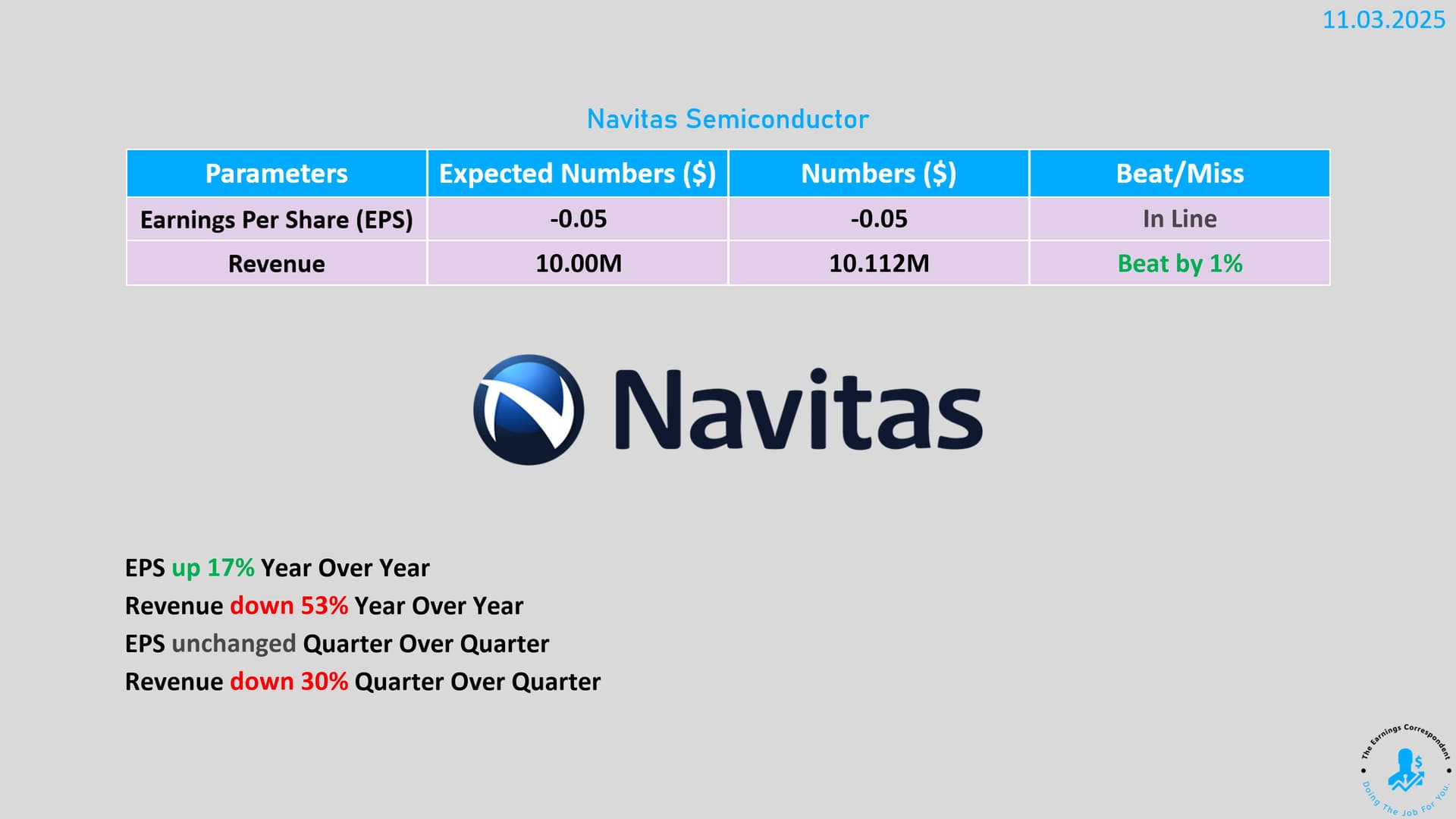
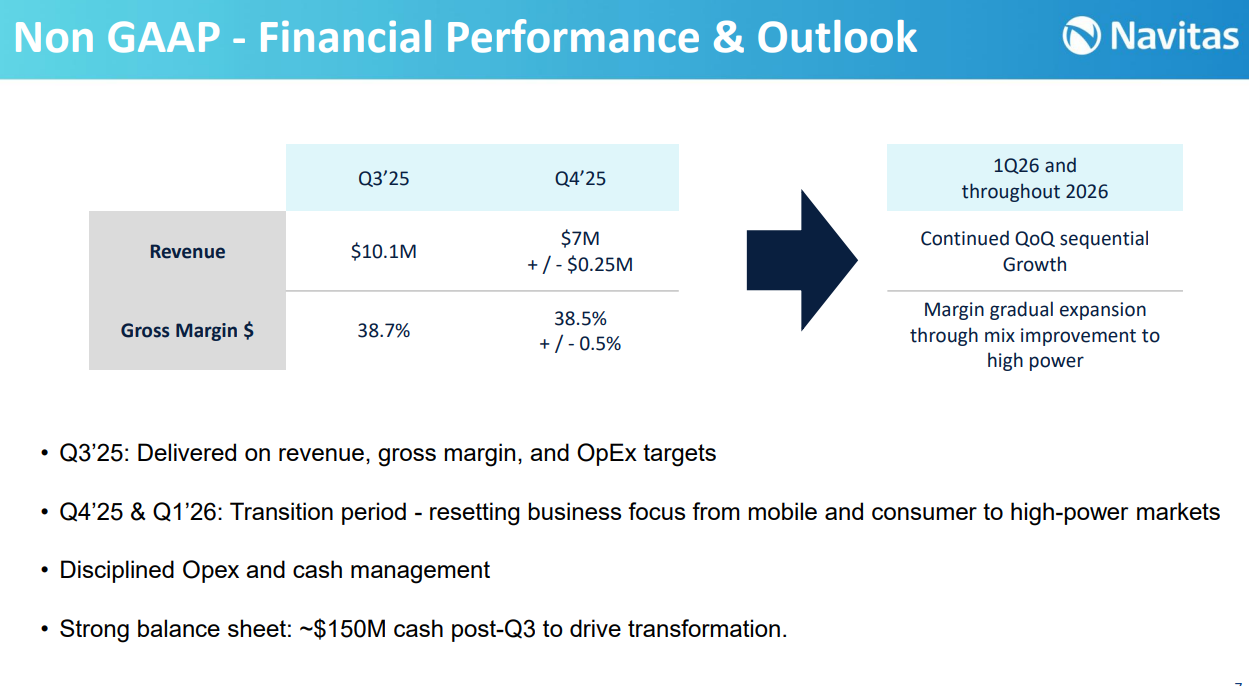
Navitas Semiconductor ylitti aavistuksen liikevaihto-odotukset, mutta raportoi kuitenkin selvästi tappiollisen tuloksen ja sekin vielä, että liikevaihto laski jyrkästi vuodentakaisesta. Yhtiö suunnittelee strategista muutosta; se tekee yhteistyötä NVIDIAn kanssa seuraavan sukupolven 800V virtajärjestelmissä ja kerää pääomaa myös laajentumista varten.
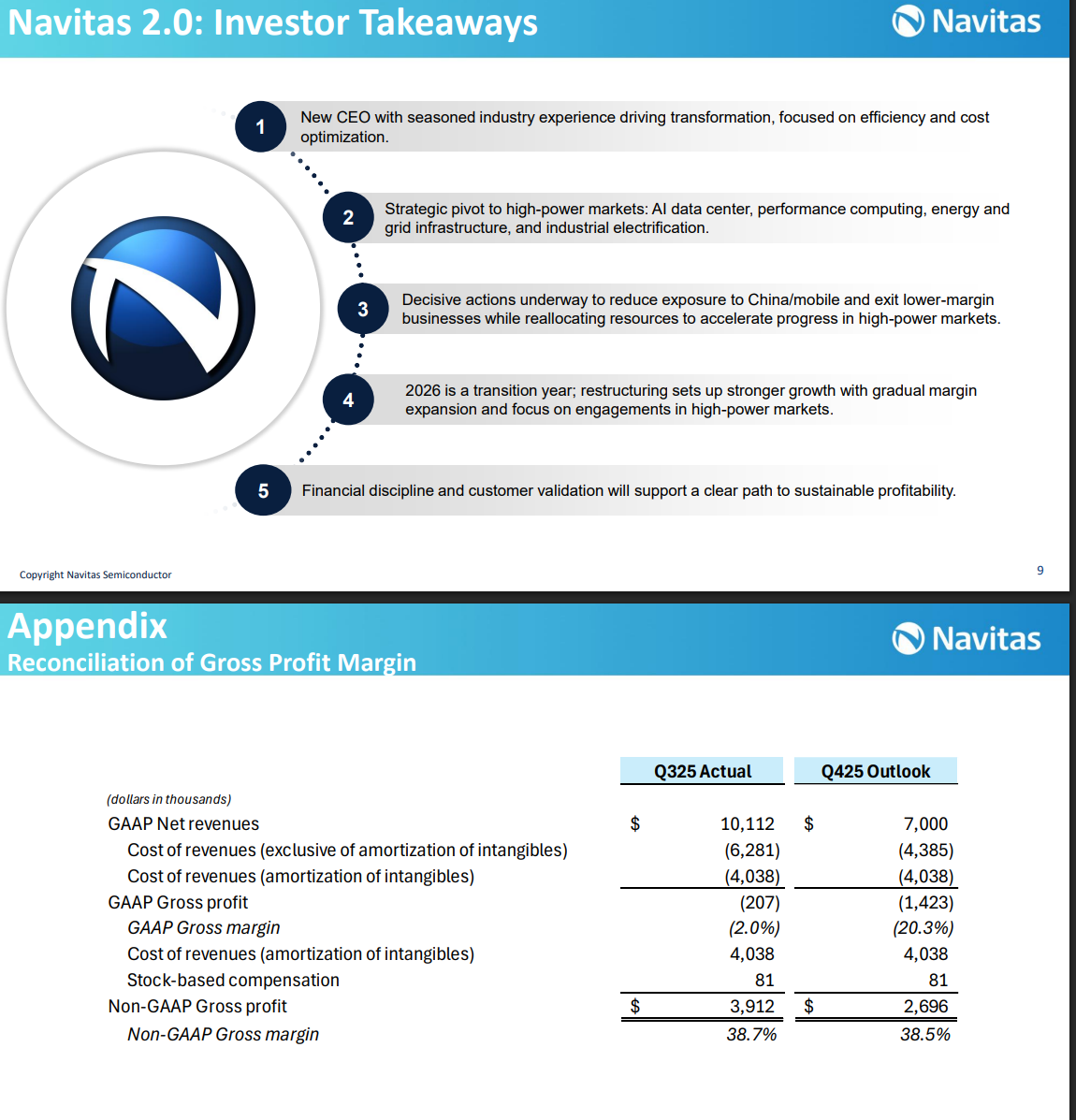
Uusi kumppanuus voi parantaa kannattavuutta pitkällä aikavälillä, mutta lähiajan liikevaihto pysyy kuitenkin vielä todennäköisesti heikkona ja tähän “projektiin” liittyy merkittäviä riskejä.
Kiinnostaisi kuulla uudet näkemykset sinulta Navitaksen ja STMicroelectoniksesta sekä ylipäätänsä nykytilanteesta mitä piikardipipuolella on tapahtunut viime aikoina.
Wolfspeed hakeutui tosiaan konkurssimenettelyyn kesällä 2025 (chapter 11), mutta tuohan oli ennalta sovittu uudelleenjärjestely, ei toiminnan lopettaminen. Uudelleen järjestelyssä velkoja leikattiin n. 70%, vanha osakekanta mitätöitiin ja tilalle tuli uusiosakekanta.
Navitas jäi liikevaihdossa viime vuodesta, mutta tulos oli odotusten mukainen ja kassassa on hyvin rahaa.
Yhtiö vetää yrittää vetää isosti ja jättää kuluttajapuolen taakseen siirtyen kohti jänsikä markkinoita, kuten tekoälykeskuksia, energiaverkkoja ja teollisuuden sähköistystä… yhteistyössä isojen kumppanien kanssa.