The environmental friendliness of electric cars is a myth. Even though the car itself doesn’t produce emissions, the electricity it uses is generated with fossil fuels that burden the environment. Especially now that Germany has decided to abandon nuclear power, even more consumption will shift to fossil fuels in electricity production. Renewable energy cannot possibly compensate for emission-free nuclear power. Nuclear power policy has been quite short-sighted. Electric cars can certainly be driven emission-free if the electricity were only produced in emission-free ways.
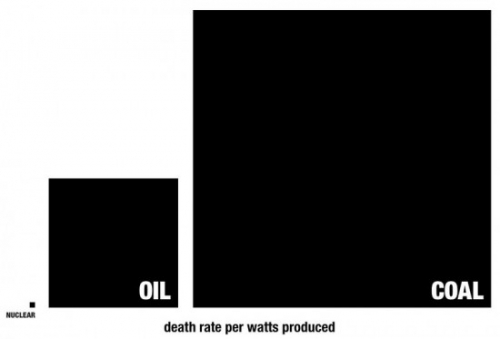
Currently, energy from nuclear power produces nuclear waste, but it can be safely stored, so it doesn’t cause environmental burden. The risk of environmental contamination in the case of nuclear power is so minimal that it would be worth taking to produce energy with nuclear power. In the long run, we would achieve fusion power in nuclear energy, and then even nuclear waste would not be a problem.
If we were to think long-term, as is often demanded when discussing pollution, the only sensible solution would be to invest in nuclear power and use renewable energy alongside it. People and politicians are just too short-sighted, or they simply don’t understand the potential for technological development, even in nuclear power. If only more was invested in nuclear power research, it would have a promising future. It might take 100 years or more, but if the goal is truly to solve very long-term energy problems, nuclear power would be the solution. But if nuclear power is destroyed by political decisions, what entity would then develop nuclear power for commercial purposes? Fusion power would then be even further away.
When making energy policy decisions, short-sighted policies are made, but long-term demands are used as justification. Causal relationships are not understood, and sensible long-term policies are not made.
The most important thing is to invest in technological development. Technological development is what will solve environmental problems in the long run. In Western countries, pollution has already been reduced in many places, but the problem is growing demand. For example, cars consume significantly less fuel than before, and development has been quite strong. Technology is constantly moving in a direction where individual pollution figures are decreasing in Western countries. Gradually, individual pollution figures in developing countries will also start to decrease, and eventually, we will reach a situation where pollution across the entire globe begins to decline. This will happen with normal development. Things can, of course, be accelerated and made more rational. However, technological development will ultimately solve the problem.
It is sensible, however, to do things in such a way that overall pollution is reduced as quickly as possible. This way, the living conditions of no generations will suffer significantly. The fact remains, however, that the Earth would not be destroyed even if no significant political decisions were made regarding the matter. Nature would simply suffer a temporary (though lasting several generations) harder blow. We don’t have to go there; things can be taken care of earlier.