Olen jo hetken aikaa seurannut syvänmeren kaivuutuotteita ja tuottajia. Alalla on monia startup-henkisiä toimioita, jotka kaikki pitävät sisällään erittäin mielenkiintoisia 10+x sijoitus caseja. Ketju on tarkoitettu koottuun yleiseen sektori keskusteluun. Foorumin hive-mind aktivoitukoot.
Mitä on deepsea kaivanteet?
Deepsea eli (DS) kaivanteet ovat kategoria jossa meren pohjasta kaivetaan tai ongitaan metalleja. Teknisesti ja käytännössä tätä on kahdenlaista; noduulien poimintaa ja sedementin kaivamista/imemistä. Maailman merien alta on löytynyt useita alueita joilta löytyy suuria määriä konsentroitunutta malmia tai suoraa metallia.
Noduulit
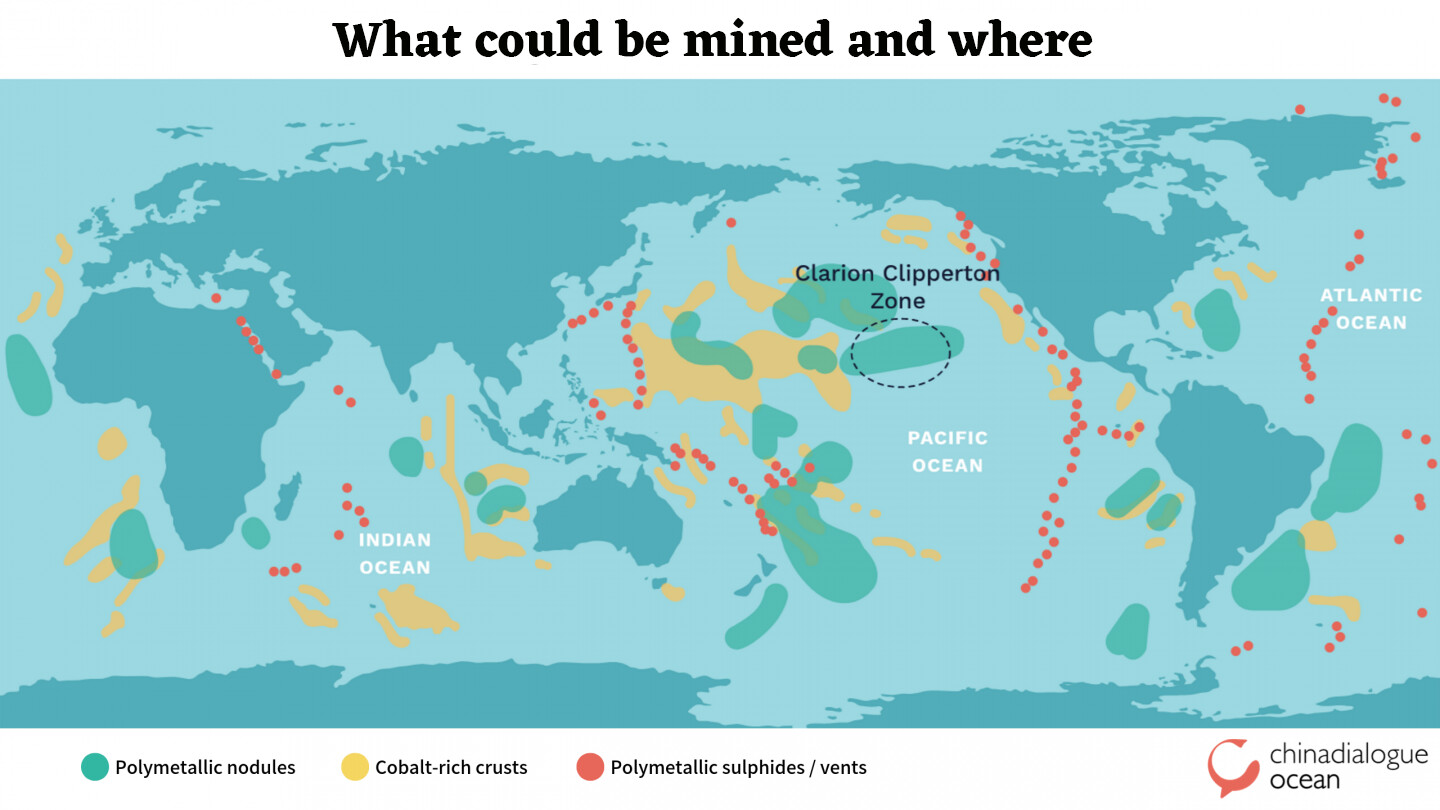
Noduuleita löytyy varsinkin Tyynestävaltamerestä. Noduuli on satojen miljoonien vuosien aikana muodostunut, yleensä tennispallon kokoinen, metallipallo. Tämä pallo ei vaadi juurikaan jalostusta pl. metallien erottelu. Se on metallinen ja melkoisen puhdas. Näitä on tietyillä alueilla aivan perkeleesti. Noduuleista löytyy usein kobolttia, nikkeliä ja magnesiumia sekä myös muita metalleja. Merkittävin yksittäinen tämän alan startup on TMC (The Metals Company). Noduulien noukkiminen on hyvin steriili toimenpide verrattuna maanpääliseen kaivamiseen tai merenalla sedimentin imemiseen. Ohessa kuva mistä noduuleita löytyypi. Varsinkin tuo Clarion Clipperton Zone (CCZ) on hommassa iso koukku.
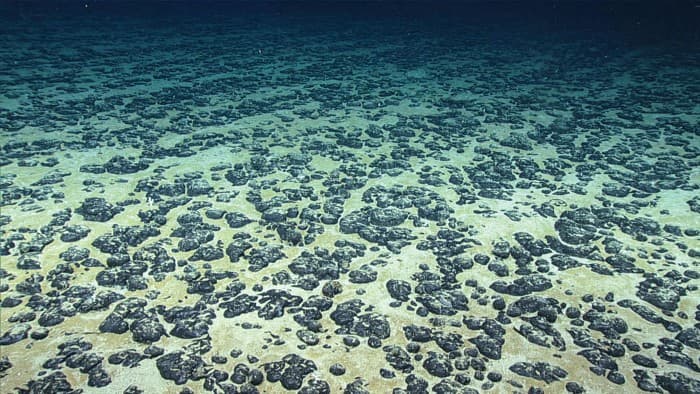
Noduulit merenpohjassa näyttävät tälle
Merenpohjan sedementit
Muodostumistapa on hyvin erillainen kuin noduuleilla. Aktiiviset ja tukkiutuneet meren pohjassa olevat kuumat lähteet sylkee mereen maan kuoren alta kaasuja ja kiveä. Maapallon elämä alkoi luultavasti näissä ympäristöissä aikoinaan. Siellä missä näitä venttiilejä on ollut on usein suuria konsentraatioita mineraaleja. Idea on louhia ja imeä pohjassa oleva sedimenttikerros, jonka jälkeen normaali mineraalien jalostusprosessi jatkojalostaa tuotteen metalliksi. Maanpääliseen kaivamiseen verrattuna mineraalirikkaus on moninkertainen ja alan toimiat (startuppeja jälleen) ehdottavat kaivamis kulujenkin jälkeen tarjoavan kymmeniä prosentteja paremman hinnan vrt. maanpäälinen kaivaminen.
Miksi?
Mineraaleja tarvitaan kiihtyvää tahtia. Uudet kaivokset ovat ympäristö ongelmia ja niiden käyntiin saaminen on hidas prosessi. Maanmuokkaus on myös todella capex intensitiivistä. DS kaivanteet ehdottavat ympäristö ystävällisen tavan tuottaa metalleja.
Miksi kaikki toimiat ovat startupeja?
YKn alainen merenpohjien lainsäädäntö on vielä auki. Puhutaan ISA päätöksestä. ISA päätös piti tulla viime kesänä. Ei tullut. Seuraava DL sille on tuleva kevät. ISA:n suurin murhe on ympäristö kysymykset. Käytännössä kaikki DS starupit odottavat ISAn päätöstä että heillä on laillinen pohja kaivaa mineraalit ylös
Sijoitus kohteet
Itse olen tunnistanut 2 DS sijoitus casea.
TMC
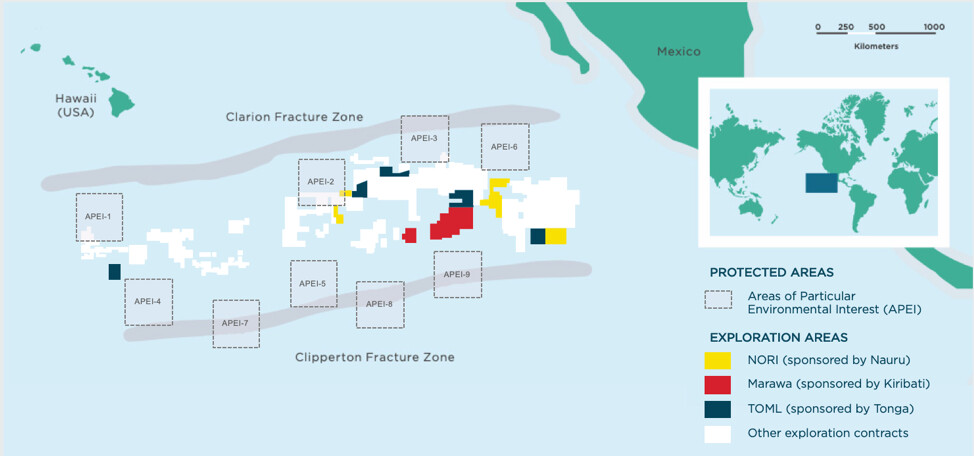
TMC on maailman suurin DS startup. Jotain 500m USD marketcap (01/2025). He ovat myöskin suurin merenpohjan tutkija akatemian rinnalla. TMCn toiminta perustuu CCZ noduulipoimintaan. Se mikä tekee TMCstä “parhaan” noduulifirman on heidän sopimusket polynesia/micronesian/melanasian valtioiden kanssa. Jostain YKn soppareista löytyy pykälä joka tarjoaa maailman valtioille osuuden meren pohjan resursseista. Pienet saarivaltiot saavat niitä enemmän. TMC on aselmoitunut itselleen edellisen 10v aikana eksklusiivisen toimiluvan usean saarivaltion kanssa toimia DS operaattorina CCZn alueella. Host-valtio saa osan voitoista. Oheisella kuvalla on huomoitavaa että tyynivaltameri on iso ja nuo alueet on todella isoja.
Kun ISA antaa juridisen pohjan aloittaa kaivaminen TMC tulostaa rahaa. TMCtä voisi pitää kans osittain Trump-pelinä sillä Trumpin-amerikan politiikka on hyvin resurssikeskeistä america-first menoa. Useat republikaani edustajat lisäksi lobbaavat kotimaassa ja YKssa ISA koodin kiirehtimisen puolesta
Green Minerals AS
Norjalainen sedimentti startup. Paljon-paljon pienempi kuin TMC. Tekniikka on kans eri. Heidän piti saada lupa norjan hallitukselta vuoden vaihteessa kk sitten. Vasemmisto kuitenkin esti tämän. Norjassa on vaalit nyt keväällä ja oikeisto-liberaali puolue on voittamassa vaalit uusimpien pollien mukaan. Vastaavasti nykyinen hallituksessa istuva suuri työväenpuolue on saamassa merkittävän vaalitappion. GM sanoi päätöksen jälkeen että tämä siirtää aikataulua noin vuodella. Heillä loppuu käteinen ennen tätä, joten anti on odotettavissa. GM on kuparipeli. Alueet jotka norjan luoteis puolelta löytyy on tunnistettu pääasiassa sisältävän kuparia. GM aikoo operaoida capex kevysti kuin Norjassa pohjanmerellä toimivat öljyyhtiöt. Tarkoitus on ilmeisesti myös käyttää alueella jo olevaa infraa kuten käytöstä poistettuja öljynporaus lauttoja.
TLDR
- Poliittinen 10+x globaali sijoituscase
- Teknologinen riski matala
- Poliittinen riski korkea
- Peli vihreälle teknologialle ja strategisille resursseille


