Tätä oli jo hieman odotettukin. Muiden valmistajien tuotteiden jakelu ei ole brändiyhtiön ydinliiketoimintaa. Tämä pitkään jatkunut tiivis yhteistyö on varmasti ollut suurin este Rapalan tiellä kela- ja vapamarkkinoille sen omilla brändeillä.
3 tykkäystä
Olisi muuten toivottavaa, että Rapalan johto ottaisi hieman oppia esim. Amerin ja Fiskarsin pelikirjoista. Ostetaan alueellisesti menestyviä ja omaan tuotevalikoimaan sopivia brändejä ja viedään ne oman valmiin jakeluverkon kautta globaaleille markkinoille. Esim. Eumerin spintubeille löytyisi varmasti ostajapotentiaalia Suomen (ja Euroopan) ulkopuoleltakin.
Näetkö, että hallinnon pitkittyneellä sululla voisi olla merkitystä USA:n myynnille? Asiakkaita on ollut puristuksissa taloudellisesti jo aiemmin ja päätyneet konkursseihin - millaisen varjon hallinnon sulun aiheuttama ostovoiman aleneminen heittää loppujen selviytymiselle ja Rapalalle toisaalta jälleenmyyjien kautta, toisaalta alkuvuoden menekin kautta? Entä korkotason nousu USA:ssa, onko oletettavissa näkyvää vaikutusta ostovoimaan ja sitä kautta Rapalan kaltaisiin toimijoihin?
Tuoreimman arvion mukaan Yhdysvaltain hallinnon työntekijöistä 380 000 on lomautettuna, mikä leikkaa joka viikko maan bkt:sta 0,08 prosenttiyksikköä. En usko että Rapalan osalta syytä huoleen, BKT:n kasvun leikkaus tietysti negatiivista, mutta ehkä hallinnon työntekijöillä on nyt enemmän aikaa käydä kalassa?
Korkotason vaikutus voi toki kiihdyttää konkursseja, huonosti pärjäävien vähittäiskauppojen keskuudessa. Rapala on kuitenkin saanut menetettyä volyymiä korvattua esim. Amazonista eli niin kauan kuin kuluttaja haluaa Rapala brändejä tilata tilanne on ok. Omat jakeluyhtiöt voivat kuitenkin kärsiä, jos volyymi niiden kautta laskisi.
1 tykkäys
Kiitos nopeasta vastauksesta. Käsitin, että hallinnon sulun takia 800 000 ihmistä on palkatta. Kerrannaisvaikutuksiakin tulee, kun suuri määrä ihmisiä ei käytäkään rahaa kuin pakolliseen, mikä syö leipää monelta muulta ja aiheuttanee lomautuksia myös muualla. Kansallispuistoja jne on suljettuna. Tuumin, että kestäessään tilanne saattaa aiheuttaa sekä sulun kohteena olevien työntekijöiden, että heidän kulutuksestaan riippuvaisten yritysten ja henkilöiden kulutuksessa selvää laskua, mikä puolestaan voisi vaikuttaa Rapalankin jälleenmyyjien tilanteeseen (etenkin jos jo vaakalaudalla) ja ylipäätään Rapalan tuotteiden menekkiin (tuollaisista on helppo ensimmäisenä leikata). Ehkä tämä on kuitenkin maan mittakaavassa vain marginaalista ja nämä tuumani kärpäsen surinaan keskittymistä
Korkoasiassa tarkoitin myös yksityistä kulutusta, kun asuntolainojen jne korot nousevat ja käytettävissä oleva raha pienenee. Käsittääkseni perustyöntekijöiden palkat eivät ole hyvistä työllisyysluvuista ja talouden myötätuulesta huolimatta juuri kasvaneet - voin toki olla pahasti väärässäkin.
Tais olla suora lainaus Talouselämä-lehdestä. BKT:sta ei voi leikata 0,08 prosenttiyksikkö, mutta bkt:n kasvusta kylläkin. Tarkkuutta niihin iltapäivälehtien sivutyönään kirjottamien juttujen lainauksiin! 
Edit: Kiinnostaisi kyllä kovasti saada parempaa näkemystä itselle, mikä Amazonin merkitys ja potentiaali on liiketoiminnan ja uuden strategian kannalta.
Toivottavasti Rapala avaa hieman tulevia askelmerkkejä tulosjulkistuksen yhteydessä. Kyse tuskin on siitä lähteekö “itsenäinen” Rapala voimakkaammin vapa- ja kelamarkkinoille, vaan lähinnä siitä, miten se tapahtuu. Lähdetäänkö (1) omalla brändillä (2) yritysostoin vai (3) kumppanin kanssa?
Vaihtoehto (1) Toteutus omalla brändillä on mielestäni varteenotettava vaihtoehto kun otetaan huomioon Rapalan vahva brändi ja erinomainen tunnettuus.
Vaihtoehto (2) Yritysostot ovat siinä mielessä mielenkiintoinen vaihtoehto, että niissä voidaan lähteä isosti ns. mainstreamin kautta (esim. Okuma) tai nichen kautta (esim. Guideline). Ostettua teknologiaa voidaan myös laajentaa (eri kalastustyypit) tai hyödyntää oman nimen alla.
Vaihtoehto (3) Uuden kumppanin etsiminen on mielestäni erittäin epätodennäköinen vaihtoehto. Se olisi vain paluu entiseen, ja vieläpä Shimanoa heikomman brändin kanssa.
2 tykkäystä
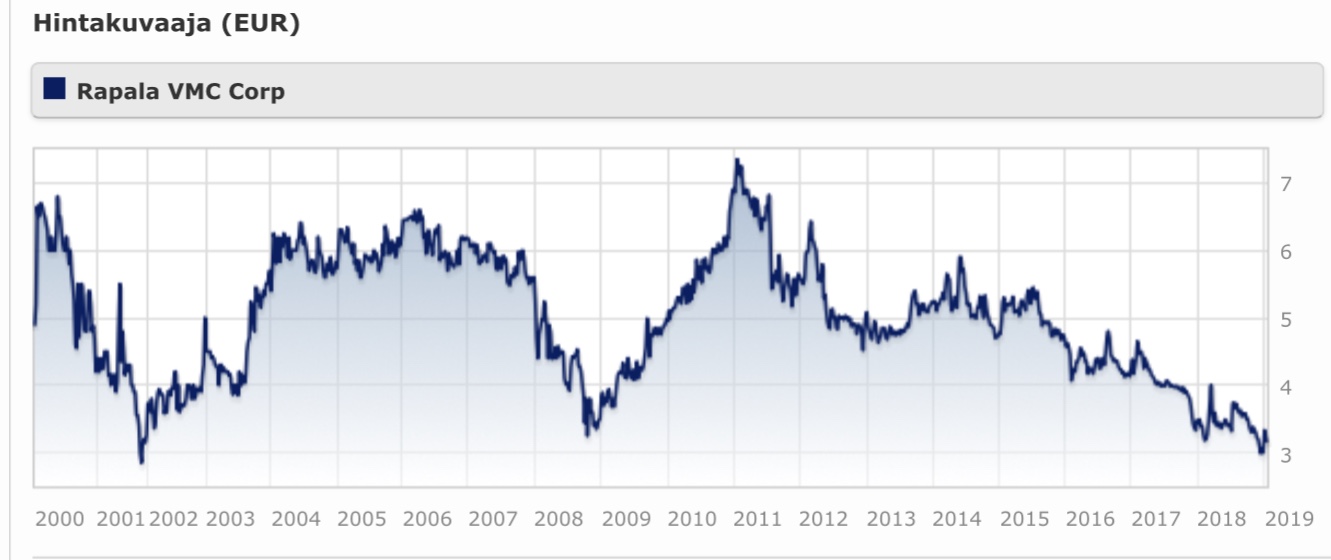
Tästä viestistä ei ole kenellekkään mitään hyötyä, mutta laitan kuitenkin pidemmän aikavälin kuvaajan tähän. Ollaan käytännössä finanssikriisin tasoilla tai jopa sen alla… toivotaan että strategiamuutos etenee hyvin.
Ei muuta ku pilkkimää 
Tällä hetkellä Rapala myy omia tuotteitaan USA:ssa Amazonille perinteisellä mallilla, siten että Amazon ostaa tuotteet Rapalalta ja myy eteenpäin. Rapalahan voisi myös myydä omia tuotteitaan suoraan kuluttajille hyödyntämällä Amazonin alustaa (3rd party), missä omasta mielestä voisi piillä hyviä mahdollisuuksia.
1 tykkäys
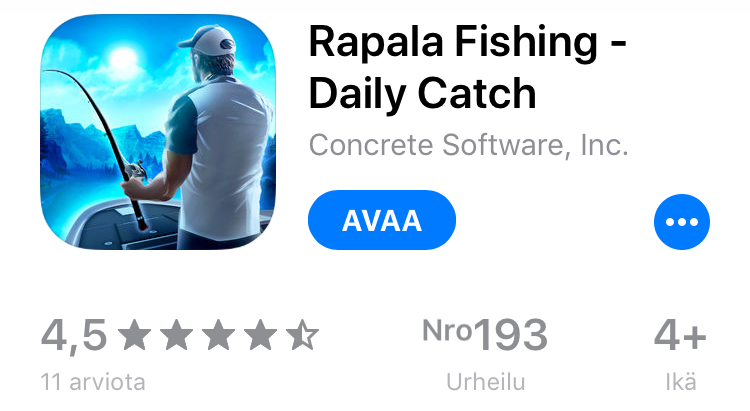
Bongasin tuolta KL-foorumilta (anteeksi @Masse hairahdukseni kaidalta polulta), että Rapalallahan on omaa brändiä kantava mobiilipeli ainakin Apple iOS ja Android.
2 tykkäystä
Huomenna tulossa mielenkiintoinen tulosjulkistus, jossa itse taloudellinen info voi jäädä toisarvoiseksi jos Rapala lähtee avaamaan enemmän tulevaisuuden askelmerkkejä.
Jakelu ja varastot:
- Minkälaisia tehostustoimenpiteitä tai uudelleenorganisointeja on suunnitteilla Shimano-yhteistyön päättymisen johdosta?
- Miten jakelu järjestetään alueille, joilla sopimus päättyy?
- Lähdetäänkö yksikkökustannuksia pienentämään (Shimanon volyymin poistuttua), jakeluverkostoa karsimalla vai kasvattamalla omaa volyymia (brändiportfolion laajentaminen)
- Mikä tulee olemaan Rapalan ja Shimanon yhdessä omistamien jakeluyhtiöiden tulevaisuus?
- Suunnitelmat Amazonin sekä muiden alustojen hyödyntämiselle jatkossa? (Etenkin alueilla, joista jakelusopimukset lakkaavat ja joihin volyymien perusteella ei ole kannattavaa rakentaa omaa paikallista jakeluverkostoa)
Tuotanto:
- Batamin kehitys
- Mahdolliset investoinnit uusiin pienempiin yksiköihin.
Brändiportfolio:
- Kelat ja vavat. Vahvemmin omalla brändillä, yritysostoilla vai uuden kumppanin kanssa (epätodennäköisin)
- Tuoteportfolion laajentaminen nicheihin, joita ei vielä portfoliosta löydy, esim perhokalastus, heittoperhot jne joissa katteet ovat houkuttelevia.
Mahdolliset yritysjärjestelyt:
- Koskee sekä jakeluyhtiöitä, että brändiportfoliota (esim. Guideline, Eumer, Okuma jne)
- Shimano-yhteistyön päättymisen jälkeen Rapalan kiinnostus ostokohteena luultavasti kasvaa. Esim. yhteensopivuus Pure Fishing:in portfolioon kasvoi entisestään. (Pääomistajien myyntihaluja ei tietenkään voi kuin arvailla)
4 tykkäystä
Nyt kiire, ei kerkeä vertailla odotuksiin…
Muutamia poimintoja
Vavat ja kelat:
Vapa- ja kelakategorian maailmanlaajuisen kehittämisen kiihdyttäminen on eräs konsernin strategisia lähitulevaisuuden avainprojekteja. Lisäksi kokonaisvaltaisen ja suoran myyntikanavan rakentaminen konsernin tuotteiden myyntiin Euroopan suuriin kalastusmarkkinoihin Saksaan, Isoon-Britanniaan, Italiaan ja Benelux-maihin huhtikuun 2019 alusta lukien on konsernin tärkeimpiä projekteja Shimano-jakelusopimuksen loppuessa.
Konserni myy jo tällä hetkellä vapoja ja keloja omilla tuotemerkeillä tietyissä maissa ja konserni tulee vahvistamaan ja kiihdyttämään näiden tuotekategorioiden kehitystä tulevaisuudessa
Tuotanto
Eräs konsernin päähankkeista on aikaansaada pysyvä tuloskäänne Indonesian-uistintoiminnoille. Tiettyjä heikosti kannattavia tuotekategorioita ollaan par’aikaan ulkoistamassa kokonaan tehtaalta. Lisäksi yksikön johtoa on vahvistettu, tuotantoa tullaan yksinkertaistamaan ja joitakin ei-ydinprosesseja tullaan ulkoistamaan.
Vahva myynnin kasvu Pohjois-Amerikassa sekä onnistuneet operatiiviset kehityshankkeet Euroopan-uistinvalmistuksessa ja tietyissä muissa yksiköissä tukivat kannattavuutta. Toisaalta tulokseemme vaikutti edelleen negatiivisesti Indonesian uistintehdas, jossa teemme uusia operatiivisia muutoksia ja parannuksia. Yksikössä on selvä tulosparannuspotentiaali, joka tulee realisoitumaan asteittain vuosista 2019 ja 2020 lähtien.
Myyntikanavat
Kuluttajat ostavat konsernin tuotteita kasvavissa määrin digitaalisten kanavien kautta, joko puhtaiden verkkokauppojen, perinteisten vähittäiskauppojen omien verkkokauppojen tai konsernin oman digitaalisen kuluttajakaupan kautta. Sisältöpainotteinen Euroopan Unionin alueen kuluttajille suunnattu Rapala-verkkokauppa avattiin toukokuussa 2018 hyödyntäen Yhdysvalloissa rakennettua alustaa. Kaupan tavoitteena on parantaa asiakaspalvelua ja kasvattaa brändin tunnettavuutta.
Mahdolliset yritysjärjestelyt / tuotevalikoima
Pitkän tähtäimen tavoitteena on palata nopeammalle kasvu-uralle ja aktiivisesti etsiä synergistisiä kasvumahdollisuuksia myös kalastusvälineliiketoiminnan ulkopuolelta.
Rahavirta sekä vuoden lopun kasvaneet varastot lieviä huolen aiheita.
1 tykkäys
OP päivitti tänään Rapalan suosituksen (3,80€ / lisää). En viitsi sitä tänne postata, mutta tässä on linkki Arvopaperin juttuun:
Rapalasta oli tänään myös juttua Kauppalehdessä:
3 tykkäystä
Mites @Rauta oletko itse OP:n Ja kauppalehden Rajalan kanssa samoilla linjoilla? Itse möin kaikki pois heti kun julkaistiin 2018 tulos. Nyt palannut taas omistajaksi.
1 tykkäys
OP:n raportti oli erittäin geneerinen eikä siinä huomioitu esim. Shimano-sopimuksen päättymisen vaikutuksia Rapalan liiketoimintaan (positiiviset/negatiiiset). Rapalaa on tullut seurattua aika pitkään (sivusta) ja olen odotellut signaaleja käänteestä. Olen pitänyt Rapalaa staattisena, jäykkänä organisaationa ja huonosti johdettuna yrityksenä, joka ei ole pystynyt realisoimaan omaa potentiaaliaan. Uusi strategia sekä Shimano-yhteistyön päättyminen, jota pidän positiivisena, ovat mielestäni hyvät ensimmäiset askeleet tämän realisoimattoman potentiaalin hyödyntämisessä. Hankin aloitusposition Q1 aikana (kh 3,06€), jota aion kasvattaa jos/kun koen yrityksen kulkevan oikeaan suuntaan ja arvostuksen pysyessä kohdillaan. Keissinä ihan houkutteleva, kun yritys on nousemassa tuloskuopasta ja osake varsin maltillisesti arvostettu.
Vaikka Rapalan tuotannon ongelmia voisi pitää jo lähes kroonisina, niin nämä ovat kuitenkin yrityksen sisäisiä ongelmia jotka johdon pitäisi pystyä ratkaisemaan.
4 tykkäystä