Korjaan sen verran, että tämän hetkinen konsensusnäkemys on Postin suhteen positiivinen.
7 tykkäystä
Mistä sait suositukset analyytikkotasolla? Ei liity asiaa mutta kiitos mainioista vastauksista. Itse mietin että pakettiliiketoiminta on globaalia ja voi tulla pahaa kilpailua mutta periaatteessa kortin toinen puoli että postilla on koko maailma ainakin periaattwessa pelikenttänä
Tilasin viikonloppuna paketteja Saksan Amazonilta, Suomen Ikealta ja parista kotimaisesta verkkokaupasta. Kaikilla edullisimman ja kuluttajan tarpeisiin joustavimmat toimitusvaihtoehdot tarjosi Posti (käytännössä kaikilla oletuksena oli siis Postin toimitus). Etenkin kotimaisten kilpailijoiden pitäisi investoida paljon enemmän, jotta pystyvät haastamaan Postin.
1 tykkäys
@Arttu_Heikura Olikohan niin että nykyinen liiketoiminnan ruhtinaallinen kassavirta ei riitä osingon nostoon tulevaisuudessa? Mielestäni pitäisi riittää kun lukuja tutkin
3 tykkäystä
Täältä löytyy: Konsensusennusteet | Posti .
Tuon pakettibisneksen voisi jakaa karkeasti kahteen eli B2C- ja B2B-paketteihin. Ulkomailta tulevissa B2C-paketeissa useat globaalit kuriirit (esim. UPS ja DHL) ulkoistaa last mile toimituksen (eli kuljetus paikallisesta jakelukeskuksesta vastaanottajan ovelle tai noutopisteeseen) esim. Postille tai Postnordille. Fedex taitaa olla yhtiä ainoita, joilla on omaa toimintaa myös B2C-paketeissa Suomessa. Prority-paketeissa myös UPS ja DHL kaiketi hoitavat last mile prosessin itse toimitusvarmuuden ja -nopeuden takaamiseksi. Ulkomaisissa B2B-paketeissa nämä kaikki jätit taitavat kuitenkin olla jollakin tapaa läsnä. Suomen sisäisiä paketteja nämä toimijat eivät mun käsityksen mukaan kuljeta ollenkaan.
Eli näillä näkymin globaali kilpailu vaikuttaa jäävän B2C paketeissa rajalliseksi (tiedä sitten pitääkö Suomen harvaan asuttu maantiede ja reunamarkkina jätit täältä poissa). Tosin paikallisia toimijoita markkinalla riittää ja täällä hintakilpailu on ollut viimeisten vuosien ajan tiukkaa ja jatkunee sellaisena.
5 tykkäystä
Parin viimeisen vuoden ajan Postin vapaa rahavirta on ollut pakkasella. Pidempää historiaa tarkastellessa Postin osingonmaksu (perusosinko noin 30 MEUR/v) on perustunut osittain taseen omaisuuserien myyntiin ja lisälainanottoon (valtion lisäosinko 150 MEUR vuonna 2025). Osa kassavirrasta on mennyt myös yritysostojen rahoittamiseen.

Meidän ennusteilla (oletus että tulos paranee ja yritysostoja ei tule) vapaa rahavirta on jatkossa suurempi kuin tuo 30 MEUR:n perusosinko. Täällä yhtenä ajurina vaikuttaa kiinteistöportfolion asteittainen myynti (teknisistä syistä ujutettiin kiinteistöjen myynnit siten että ne pienetää investointeja kassavirtaennusteissa). Me kuitenkin uskotaan siihen, että lyhyellä jänteellä (1-2v) taseasemaa halutaan parantaa nettovelkaa pienentämällä, nyt kun tulos ei näytä tämän vuoden aikana kasvavan oleellisesti. Viimeisen kvartaalin perusteella Postin nettovelka/käyttökate oli yhtiön asettamalla ylärajalla (~2,5x). Tämän vuoksi ennustetaan noin 80 %:n voitonjakosuhdetta, eikä historian tapaista yli 100 %:n jakosuhdetta.
Jos tulos paranee vuosittain ja sen suurempia investointitarpeita ei ilmene niin joo, kyllä pelkkä vapaa rahavirta riittää kasvavaan osinkoon.
17 tykkäystä
Arttu on tehnyt Postista ennakkoyhtiörapsan :), yhtiö kertoo tuloksestaan perjantaina 
dotamme kotimaan positiivisen makrotalouskehityksen näkyneen myös Postin volyymeissä ja ennustamme vertailukauden mukaista tulosta. Uskomme yhtiön toistavan ohjeistuksensa. Tuloskasvun ja osinkotuoton tukema tuotto-odotus on mielestämme houkutteleva, jonka myötä toistamme lisää-suosituksen. Tavoitehinta nousee 11,0 euroon (aik. 9,5e) ennustemuutosten ajamana.
6 tykkäystä
Ja sieltähän se tulos tupsahti:
Posti Group Oyj Puolivuosikatsaus tammi-kesäkuu 2026: Postin liikevaihto kasvoi ja oikaistu liiketulos parani toisella neljänneksellä
Ellei toisin mainita, luvut suluissa viittaavat vertailukauteen edellisvuonna.
Keskeiset tunnusluvut huhti–kesäkuu 2026
• Liikevaihto kasvoi 1,6 prosenttia ja oli 362,0 (356,3) miljoonaa euroa.
• Oikaistu käyttökate kasvoi 43,9 (43,5) miljoonaan euroon eli 12,1 (12,2) prosenttiin liikevaihdosta.
• Oikaistu liiketulos kasvoi 12,5 (11,7) miljoonaan euroon ja oli 3,4 (3,3) prosenttia liikevaihdosta.
• Liiketulos laski 9,6 (10,5) miljoonaan euroon eli 2,7 (2,9) prosenttiin liikevaihdosta. Liiketulosta heikensi 2,8 (1,2) miljoonan euron erityiserät.
• Kauden tulos laski ja oli 2,5 (3,7) miljoonaa euroa.
• Osingon ensimmäinen erä, 0,42 euroa osakkeelta, yhteensä 17,0 miljoonaa euroa, maksettiin 24.4.
Keskeiset tunnusluvut tammi–kesäkuu 2026
• Liikevaihto kasvoi 0,2 prosenttia ja oli 714,5 (713,4) miljoonaa euroa.
• Oikaistu käyttökate laski 82,0 (86,0) miljoonaan euroon ja oli 11,5 (12,1) prosenttia liikevaihdosta.
• Oikaistu liiketulos laski 19,0 (22,2) miljoonaan euroon eli 2,7 (3,1) prosenttiin liikevaihdosta.
• Liiketulos kasvoi 23,6 (15,5) miljoonaan euroon eli 3,3 (2,2) prosenttiin liikevaihdosta. Liiketulokseen vaikutti positiivisesti ensimmäisellä neljänneksellä toteutunut sijoituskiinteistön myynti.
• Kauden tulos kasvoi ja oli 8,8 (3,5) miljoonaa euroa.
• Operatiivinen vapaa kassavirta kasvoi merkittävästi ja oli 12,6 (-50,6) miljoonaa euroa.
• Nettovelka suhteessa oikaistuun käyttökatteeseen oli 2,6x (2,5x).
• Osakekohtainen tulos (EPS), laimentamaton ja laimennettu, oli 0,22 (0,09) euroa.
Keskeiset tapahtumat huhti–kesäkuu 2026
• Verkkokauppa- ja jakelupalvelut -segmentin liikevaihto kasvoi ja kannattavuus parani vahvan operatiivisen suorituskyvyn sekä suotuisamman tuote- ja palvelumiksin ansiosta.
• Kasvua Verkkokauppa- ja jakelupalveluissa vauhditti erityisesti pakettivolyymien 11,9 prosentin kasvu. Korkeamman hintapisteen pakettituotteiden volyymit ja rahtiliikenteen kysyntä kasvoivat katsauskauden aikana. Lisäksi secondhand-verkkokauppa jatkoi merkittävänä kasvun ajurina.
• Posti vahvisti kaupallista asemaansa merkittävien uusien asiakkuuksien, laajentuneiden asiakassuhteiden sekä strategisten kumppanuuksien kautta.
• Osoitteellisen kirjepostin volyymit laskivat edelleen 23,9 (18,5) prosenttia.
• Posti jatkoi pitkäjänteistä työtämme digitaalisten palveluiden kehittämisessä ja hankki huhtikuussa Kivran digipostiliiketoiminnan Suomessa. Järjestely vahvistaa Postin asemaa digitaalisessa viestinnässä.
• Astra-uudistusohjelma, jonka tavoitteena on hallita siirtymää vähenevistä kirjevolyymeistä kasvaviin pakettivolyymeihin, etenee suunnitellusti. 1.6. toimintansa aloitti uusi Postin Operatiivinen yksikkö, jolla on keskeinen rooli tuotannon ja toimitusketjun toiminnan parantamisessa ja kehittämisessä.
Näkymät vuodelle 2026 ennallaan (julkaistu 13.2.2026)
Posti arvioi liikevaihtonsa olevan 1 400–1 500 miljoonaa euroa ja oikaistun liiketuloksen 63–79 miljoonaa euroa vuonna 2026. Vuonna 2025, Postin liikevaihto oli 1 447,6 miljoonaa euroa ja oikaistu liiketulos 69,3 miljoonaa euroa.
11 tykkäystä
Postin tulos ylitti ennusteen – Liikevaihto kasvoi Postin tulos ylitti ennusteen – Liikevaihto kasvoi | Kauppalehti
Posti Group Oyj: Posti Group aloittaa omien osakkeiden takaisinosto-ohjelman Posti Group Oyj: Posti Group aloittaa omien osakkeiden takaisinosto-ohjelman | Kauppalehti
7 tykkäystä
Postilta oikein hyvä tulos. Alla vielä meidän ensinäkemykset.
15 tykkäystä
Postin toimitusjohtaja Antti Jääskeläinen oli Artun haastateltavana
5 tykkäystä
Ehdin jo innostua valtioyhtiön rohkeasta vedosta ostaa ja jopa mitätöidä osakkeitaan ainaisen osinkokuppauksen asemesta, mutta turha toivohan se oli. Ehkä jonain päivänä…
Nyt hankittavat omat osakkeet käytetään yhtiön pitkän aikavälin osakepohjaisiin kannustinjärjestelmiin tai muihin osakepalkkioihin. Posti Groupilla ei ole tällä hetkellä hallussaan omia osakkeita.
7 tykkäystä
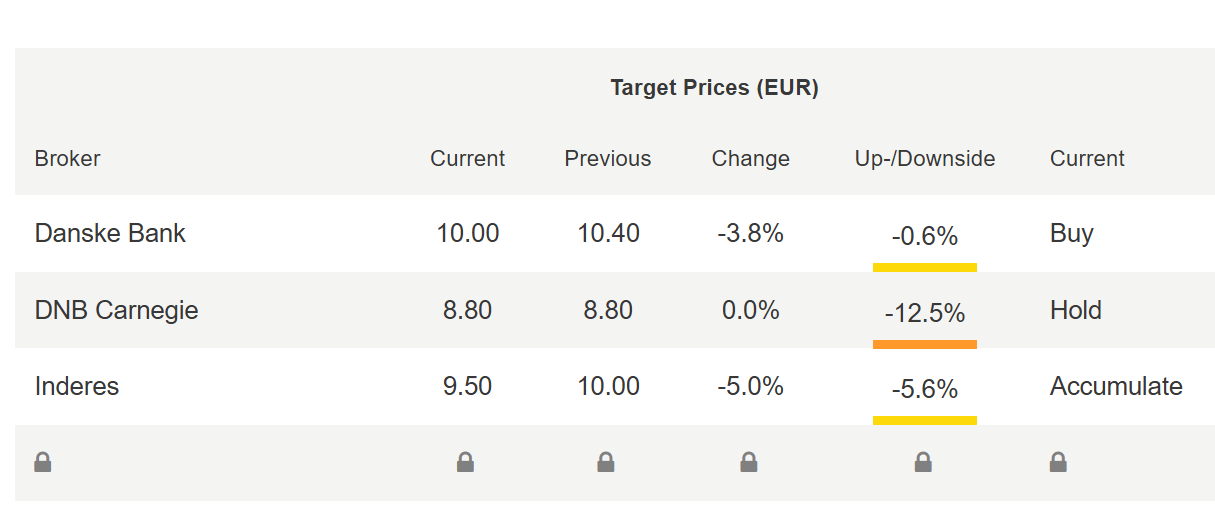
Arttu on tehnyt uuden yhtiöraportin Postista
Postin Q2-tulos ylitti odotuksemme, ja pakettiliiketoiminnan kannattava kasvu antoi vahvan näytön yhtiön tuloskasvupotentiaalista. Uskomme tulostrendin paranevan loppuvuotta kohden ja kääntyvän selvempään kasvuun vuonna 2027. Tähän ja runsaaseen osinkotuottoon nähden pidämme osakkeen tuotto-odotusta houkuttelevana. Toistamme lisää-suosituksemme ja nostamme tavoitehintamme 13,0 euroon (aik. 11,0e) ennustenostojen myötä.
Rapsasta lainattua:
Rahavirta parani, taseessa ei oleellisia muutoksia
H1:n operatiivinen kassavirta nousi pääasiassa käyttöpääoman hallinnan johdosta vertailukauden 30 MEUR:sta 66 MEUR:oon. Samalla Postin investoinnit olivat hyvin maltilliset, jonka tähden myös vapaan rahavirran (13 MEUR) nousu oli voimakasta suhteessa vertailukauteen (- 50 MEUR). Vapaan rahavirran paranemisesta ja mielestämme hyvästä tuloksesta huolimatta Postin nettovelan suhde käyttökatteeseen säilyi 1,1x tasolla. Sijoittajan on hyvä huomioida, että taseessa on vielä karkeasti 85 MEUR:n (kolmannen osapuolen arvio) arvosta kiinteistösijoituksia, jotka Posti aikoo myydä tulevien vuosien aikana.
9 tykkäystä
Valtaosa Postin jakelukeskuksen (kirjeet ja pikkupaketit) työntekijöistä on marssinut eilen ulos. Ulosmarssi on edelleen käynnissä. Vuonna 2019 noin pari viikkoa kestäneen postilakon takia yhtiön tulos heikkeni selvästi. 2019 postilakko tapahtui kuitenkin marraskuussa, mikä on sesongin takia Postille tuloksellisesti tärkeä jakso. Ilmeisesti työntekijät ovat palaamassa tänään illalla töihin. Näillä spekseillä tilanteesta ei pitäisi tulla merkittävää, vuoden 2019 tapaista, haittaa Postin tulokselle. Tilanteen pitkittyessä tilanne voisi näkyä myös Postin luvuissa negatiivisesti.
EDIT:
Tänne varmaankin ilmestyy ajankohtaisimmat uutiset ulosmarssiin liittyen
5 tykkäystä
tilanne nyt erilainen verrattuna 2019 kiukutteluihin.tuolloin postialan työehtosopimus oli päättynyt ja liitolla oikeus? lakkoihin jne.Nyt alan sopimus on voimassa vuoden 2028 lopulle asti,siten kaikenlaiset manööverit työntekijöiden taholta laittomia.
Pidemmällä katsannolla tehostaminen mielestäni vaikuttaa tulokseen positiivisesti.
2 tykkäystä
Eivät välttämättä. Ulosmarssit voivat olla laittomia tai laillisia, mutta sen päättää työtuomioistuin, jos asia sinne viedään. Ei kukaan meistä täällä, tai muullakaan.
1 tykkäys
Viime tj-haastatteluissa puheenaiheena olleen viranomaispostin digisiirtymä etenee Postin kannalta positiivisempaan suuntaan. Viranomaisviestinnän jakelu yksityisissä digiposteissa on nyt lain voimalla hyväksytty ja Posti neuvottelee DVV:n kanssa kaupallisesta sopimuksesta tuoda viranomaisviestit jaeltavaksi OmaPostiin. Tämä on pitkän aikavälin casen kannalta olennaista, sillä fyysisen postin jakelu taantuu vuosittain. Mikäli lasku jatkuu pitkään, tulee heikentämään jakelun tehokkuutta väistämättä. Tätä kautta hyvin skaalautuvan digipostin ylösajo voisi tukea (ei välttämättä nostaa) Postipalveluiden tulosta pitkällä aikavälillä.
11 tykkäystä
Hei, mitenkäs tuo pikkupakettien lisämaksu on vaikuttanut Postiin? Niiden määrähän on romahtanut.
Noiden hinnat oli niin alhaalla ennen lisämaksua, että tuskin niistä postille paljon mitään jäi. Työtä vaan lähinnä lisää.
Taitaa olla kiinapakettien käsittely tappiollista toimintaa, joten väheneminen positiivinen kehitys.
1 tykkäys