The Fed has kept interest rates near zero for the past year and signaled rates won’t change for at least two more years.
Evidenrly, new signals of changing rates will come sooner, if Fed evaluate the situation so!
Updated May 08, 2021 06:27 p.m. EDT
To veterans of financial bubbles, there is plenty familiar about the present. Stock valuations are their richest since the dot-com bubble in 2000. Home prices are back to their pre-finan-cial crisis peak. Risky companies can borrow at the lowest rates on record. Individual investors are pouring money into green energy and cryptocurrency.
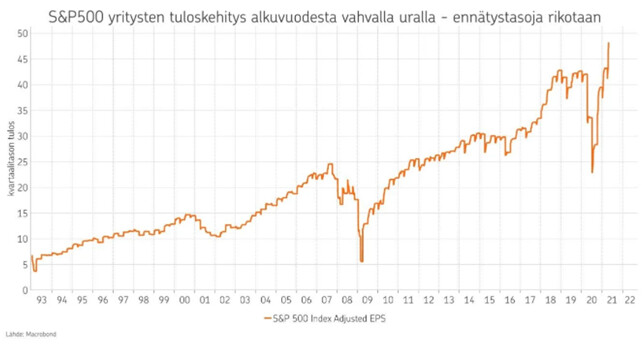
This boom has some legiti-mate explanations, from the advances in digital com-merce to fiscally greased growth that will likely be the strongest since 1983.
But there is one driver above all: the Federal Reserve. Easy monetary policy has regularly fueled financial booms, and it is exceptionally easy now. The Fed has kept interest rates near zero for the past year and signaled rates won’t change for at least two more years.
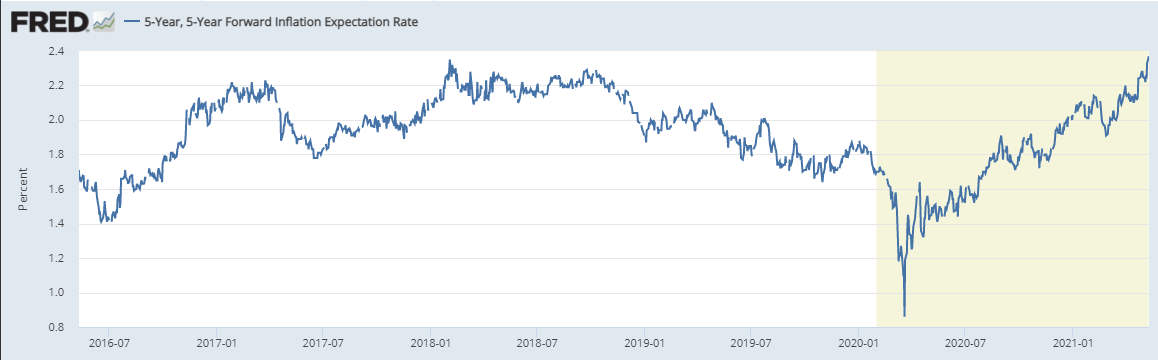
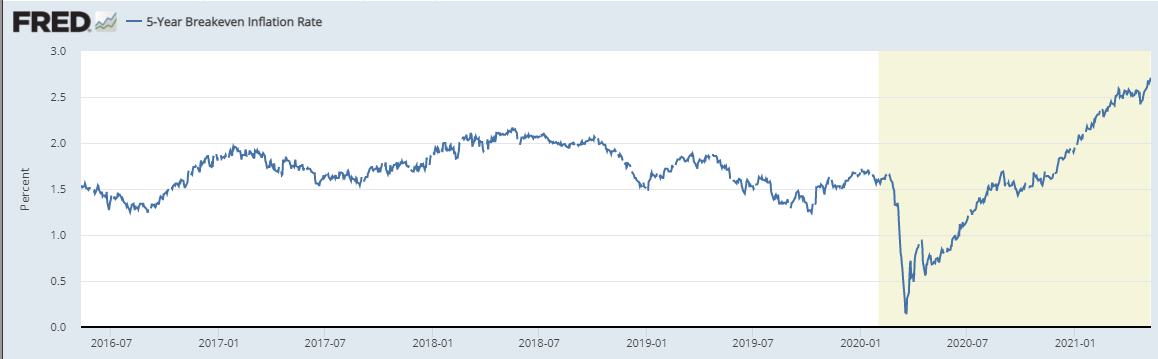
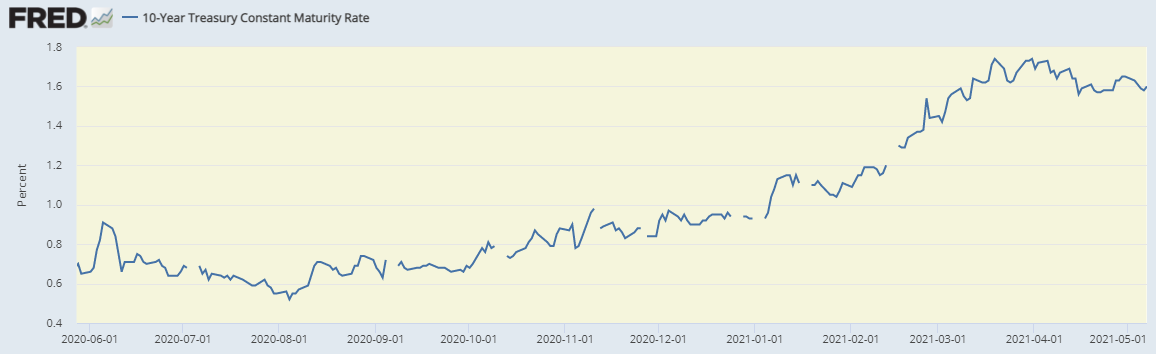
It is buying hundreds of billions of dollars of bonds. As a result, the 10-year Treasury bond yield is well below inflation—that is, real yields are deeply negative —for only the second time in 40 years.