The forum’s quality is hoped to remain high, and spelling is central to this. This thread is not intended to be a hotbed of sarcasm or arrogance, but rather a benevolent thread where one can ask or write about proper spelling. If someone’s text is corrected or quoted in this thread due to a possible error, there’s no need to be embarrassed, and of course, the quoter can contribute to the good feeling and positivity of the thread with their own writing style. And the purpose is not to correct every typo, but rather individual inflection issues or common linguistic quirks picked up from spoken language or dialects.
I still have a lot to learn about word order and inflections, and I often write in “colloquial language,” so I believe I’ll be found in this thread often So let’s take it as a learning experience. Peace and love
Here are @JHeiskanen’s good summaries, slightly modified:
The thought came to my mind when I corrected “Indereksen” to “Inderesin” in my own message. I’m still not entirely sure if I corrected it correctly. As far as I know, Jules Verne’s book is Julesin (Jules’s). On the other hand, I’ve heard of Elvis’s albums, but not Elvisin… Aargh…
And a couple of thoughts that quickly arose from this in the coffee room…
"Different inflections may also have been chosen to distance the name from the meaning of a common noun, or to emphasize that it is specifically a name.
There is variation in the inflection of some names in this group:
This could include Orpo, Orpon. When Petteri Orpo became the chairman of the parliamentary group, there was still some uncertainty in the media about the declension, but when he stated that he wanted the declension to be Orpon, it was then respected.
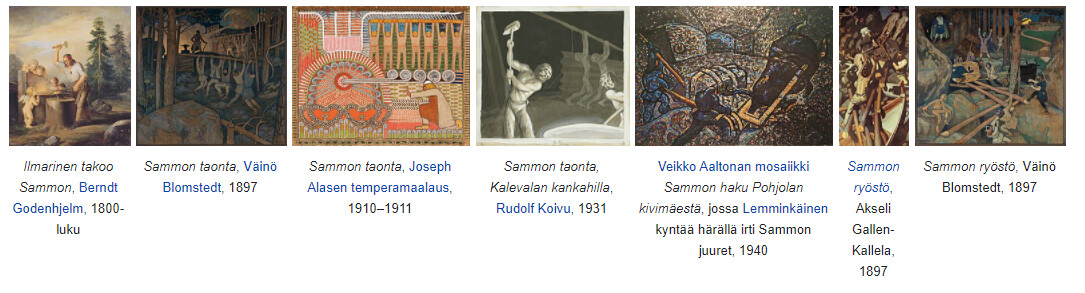
On the other hand, I haven’t seen any comments from Sampo (Sampo-yhtiö) regarding this declension, so both declensions have appeared in the media.
Edit: Haha @Johnnyboy, “Sammon” definitely sounds better for the company in my own mouth too
Great start! I once got a “laudatur” (excellent) in Finnish language in my matriculation exam, but with my working life, my spelling skills have started to deteriorate. Nowadays, there’s no time to nitpick, as communication needs to be fast and efficient. I’m afraid that sooner or later, my writing will also start to resemble the unclear ramblings of Facebook/tabloid comment sections.
Sampo seems to have caused headaches for professionals in other ways too.
The inflection of the name itself can perhaps be sought as a mythological proper noun, a common noun from the machine that spread from it, or as its own company name (or even from a given name). Ultimately, the language office (Kielitoimisto) and the company’s investor relations may have different views but still be correct.
@JHeiskanen, I was about to comment on the same thing. It probably often bothered me too.
Another thing that has bothered me here is when the loanword “bisnes” (business) is written as “business”. Especially its genitive form is often seen written as “busineksen” (instead of “bisneksen”), which repeatedly makes my own hair thin and grey.
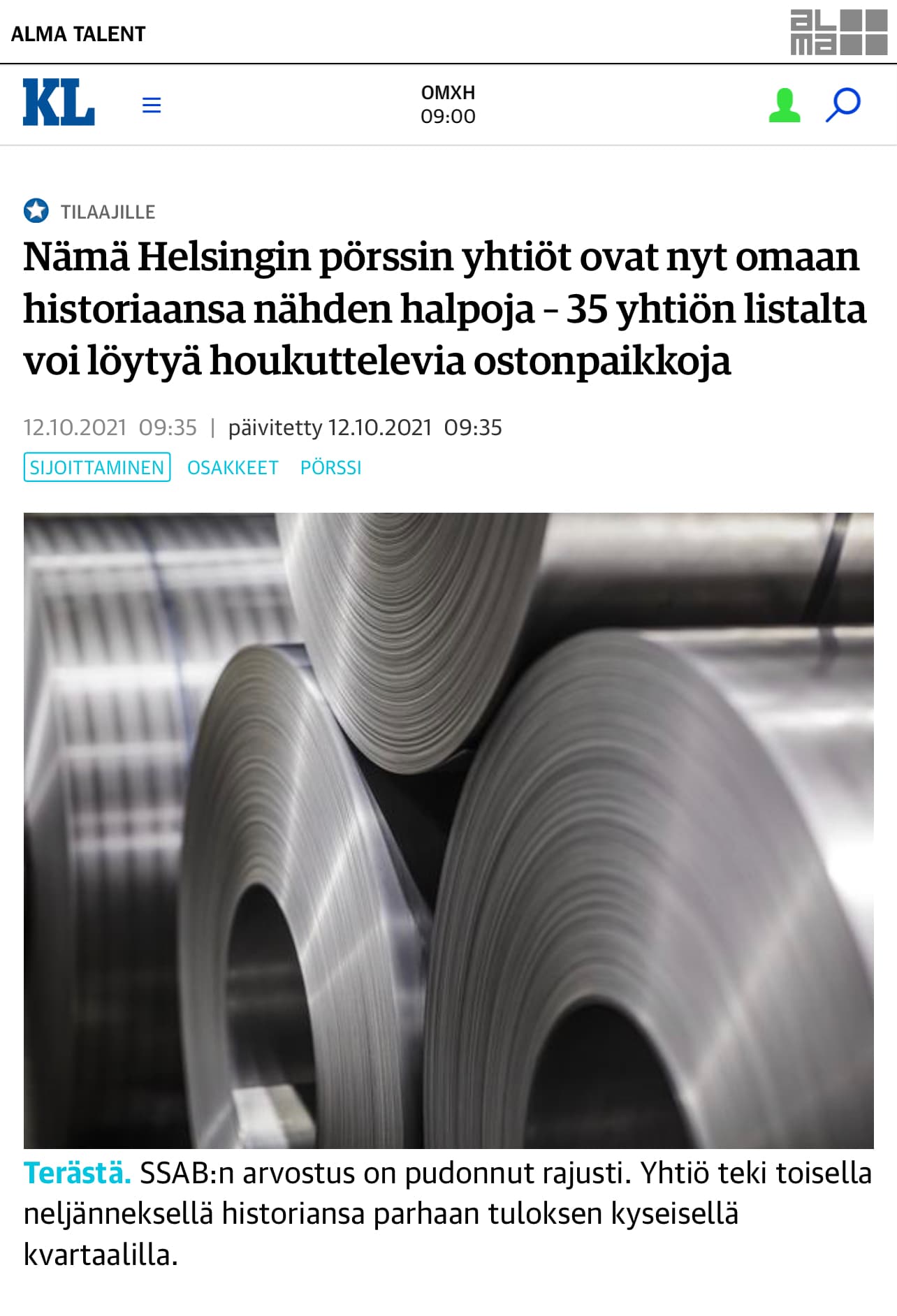
As I understand it, the word “omaan” (my own) is unnecessary, and the last phrase should be “oston paikkoja” (places for purchase)? As a compound word, “ostopaikka” (place of purchase) probably refers to a physical location, e.g., a bus ticket purchase point.
Edit: I haven’t studied Finnish; I’m just testing my own reasoning here..
Neles is a difficult case for analysts as well, but in the genitive declension, one should favor the company’s own usage, Nelesin, not Nelesin.
Good opening @Wondadog, I myself belong to the school of thought that tries to be pedantic about spelling. I almost always have to edit my messages at least once, partly because I often write forum messages on my phone and predictive text does its own thing
The biggest weakness in my own writing is tautology, meaning the same expression appears too often in the text.
Of course, in free-form text, one has the right to take certain liberties, as long as the message is conveyed to the readers. However, it feels strange that, for example, the Bought/Sold thread is full of numerical errors in trade prices.
Typos can be annoying, amusing, and most often completely unintentional. I personally divide them into two categories:
Annoying ones that change/obscure the content of the message. One of the most common ones I come across is “Half more,” where the person almost always means double. However, mathematically, it only means 1.5 times the amount. I always have to clarify this when someone uses it.
Then there are the amusing typos, like the one below.
Ancient Greek names ending in -es are often inflected with a long vowel (Aristoteles, Aristoteleen), but in Finnish, names ending in -es, like Johannes, would be inflected with -ksen (Johanneksen).
 So let’s take it as a learning experience. Peace and love