Olen huolissami suomen kielen tulevaisuudesta, enkä ole yksin ja se on hieno asia. Itse käytän kieltä monesti huostaanottokelpoisesti, koska en malta pysyä koira haukkuu ulkona tai pallo on punainen -tason lauseissa. Kyvykkyyteni lisätä palloon liikettä tai koiraan adjektiiveja alkaa kuitenkin jo kolkutella oikein kirjoittamisen rajoja; olen kusessa jo puolipilkuissa kuten muutkin.
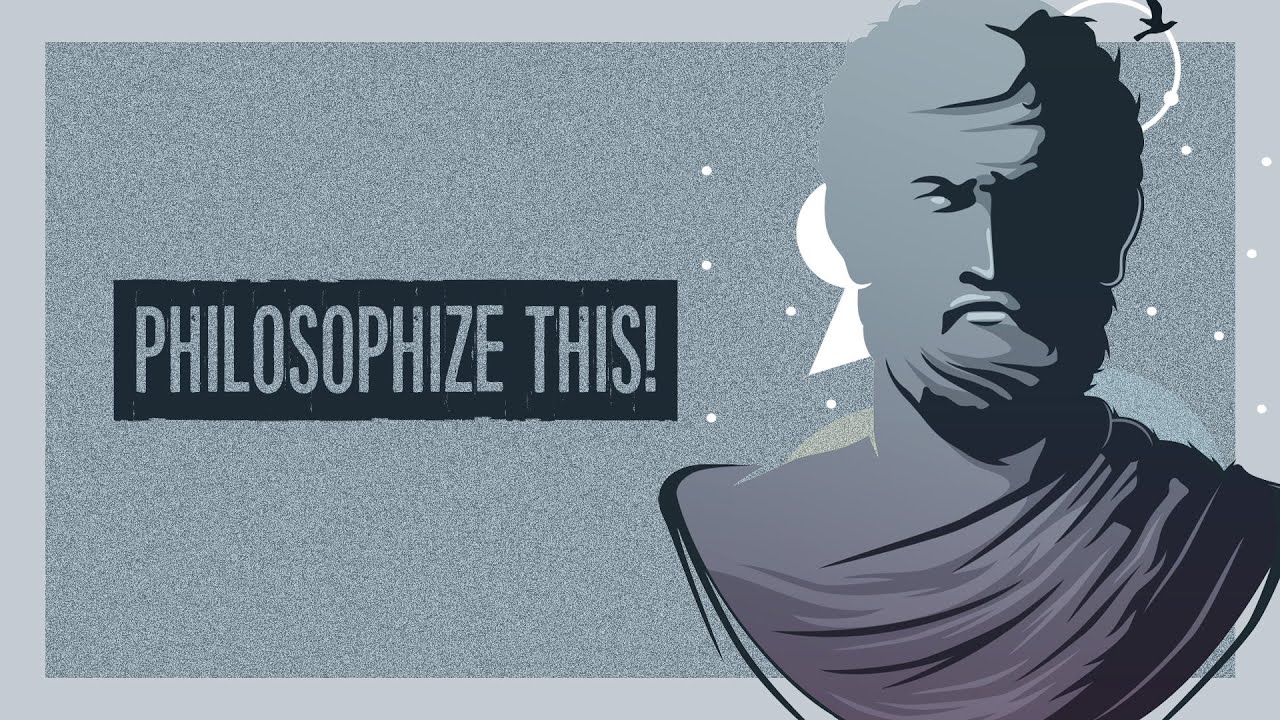
Hyvä self-help keino on lueskella ja kuunnella mitä kieli on. Wittgensteinin mukaan kielipelien sekoittuminen on iso syy ihmisten ja kielen ongelmiin. Tämä on yksi kiva tiivistys aiheesta:
Toinen sivuava hauska teos on Ezra Poundin ABC of reading:

Hauskaa siinä on että podcast-aikajänteellä sietämätön vanha ukko jorisee sekavan nykymittakaavassa lukukelvottomasti siitä miten kieli on ajattelun keskeinen osa jonka ymmärtäminen on kauhea savotta.
Kirja toki sisältää ajattomia helmiä kuten Literature is news that stays news.
Kevyt pahoittelu että tämä nyt lipsahtaa kielenhuoltoketjuun. Mutta mielestäni on hyvä pohtiessa käyttääkö paria binäärinen/ei-binäärinen vai kaksinapainen, yksijakoinen, kaksiosainen/monisyinen,muunsukupuolinen,monimutkainen… pitää mielessä että viime kädessä olennaisinta on kuka puhuu ja kenelle.
Pilkunviilaus tai suorastaan intohimoisempi kohtelu on oma pelinsä ja älkää käsittäkö väärin, se on paljon viihdyttävämpää kuin Tennis tai Roller Derby. Tämä ei ole kritiikki sitä kohtaan ja sitä on aina sekä ilo että opettavaista (tässä kohti suomen kieli asettaa rajoja pedagogiseen verrattuna) lukea.  tai
tai  (kumpi sitten ei nykykielessä käytettynä olekaan sarkastinen lukijalle)
Edit. Tekstin alkuosaa korjattu @vellux tarkkasilmäisen opastuksen ansiosta.

 Foorumin diskurssi ei toivottavasti ole kontentiltaan ihan samoilla leveleillä seuraavaksi. Vaikka tätä ketjua se voisi elävöittää ihan next levelille tai BMB muuten vain jokaiselle Kevinille. Ngl

 .
. Eikä ylimoderaattorienkaan oikeuksilla pystynyt (henkilökunta hieman paremmilla oikeuksilla).
