Pistetään tähänkin ketjuun.
Suuret jenkkipankit mukaan öljy/kaasubisnekseen, koska muutoin kantaisivat valtavat luottotappiot:
Öljyä löytyy varastoista jo yli 1 mrd tynnyriä, johon voi suhteuttaa 10 milj. tynnyrin OPECin leikkauksen. Tässä lisää opec-diilin tiimoilta:
3 tykkäystä
Onko porukalla sijoituksia tuotteessa United states oil fund. Koitin etsiä suoraan öljyn hintaa seuraavaa tuotetta. Olisiko tämä hyvä. Siis käsitykseni mukaan etf joka seuraa öljyn hintaa. Olenko ihan hakoteillä?
Itse hoidin tuon sijoittamalla naurettavan alhaisella stop/lossilla varustettuun unlimited turboon. Varmaan joku muukin vaihtoehto olisi olemassa, mutta meni jo 
Tuolla treidaus liveseuranta / viputuotteilla ketjuissa on keskusteltu asiasta hieman, ja avasin tekninen analyysi ketjuun viime yönä käsitystäni siitä mitä tuo longi tulee maksamaan kuluina.
Jos löydät jonkun hyvän ETF:n / muun vaihtoehdon niin kerro ihmeessä, olen kiinnostunut.
Urals-tynnyrin hinta on öljyntuottajamaiden sovusta huolimatta 25 % alle Venäjän valtiovarainministeriön määrittämän tavoitetason. Tällä hintatasolla itänaapurin budjetin tulopuolesta katoaa kymmenisen prosenttia. Saa nähdä, mitä Vladimir Suuren valtakunnassa alkaa tapahtua, mikäli öljyn hintataso ei nouse merkittävästi.
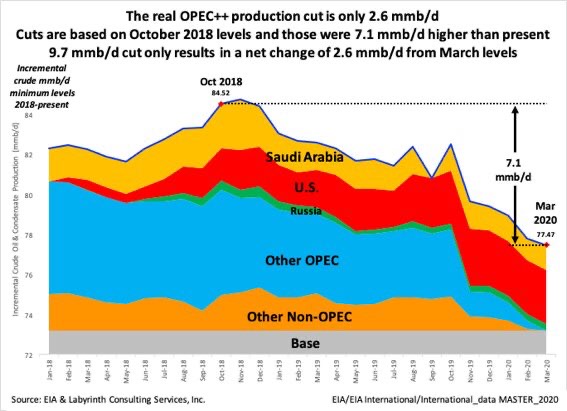
Kah, tämä sellittää. Eli kusetusta koko diili.
2 tykkäystä
Itsekin tuota katselin, mutta en pystynyt ostamaan ainakaan Nordnetin kautta. Ei ole oikein löytynyt mitään mukavaa ETF ja ei pelkkiä yhtiöitä kiinnostaisi ostaa.
Itse myös haeskellut suoraan öljyyn sijoittavaa EFT ja OP:lla tuli tämmöinen vastaan:
ETFS WTI CRUDE OIL löytyy tunnuksella OD7F
Avaintietoesite: https://www.op.fi/viewtradingsbrochures/documents/DE000A0KRJX4/data/fi/brochure
Tuossa vaan hämmentää kun jatkuvaluonteiset kulut on jaettu salkkutapahtumiin liittyviin ja muihin jatkuvaluonteisiin. Osaako viisaammat sanoa, mitä tämä oikeasti tarkoittaa? Eli onko juoksevat kulut 0,99% vuodessa, mutta se on vaan pilkottu kahteen sarakkeeseen?
USA alkaa maksaa öljyntuottajille, jotta ne eivät poraisi öljyä eli subventoidaan suoraan öljyteollisuutta - ajan mittaan tästä kehkeytyy poliittinen riski.
2 tykkäystä
Tämä sijaitsee jenkeissä, ei ole tarjolla meille tavallisille eurooppalaisille kuolevaisille.
Moro, alla muutama oma ajatus öljyyn sijoittamisesta, vastaan tähän sulle kun tuo mainitsemasi tuote ollut itselläkin tutkinnassa.
OD7F on tarkemmin ottaen ETC, joka on vähän eri eläin kuin ETF. ETC:t on vähän monimutkaisempia tuotteina, niissä on vastapuoliriskiä verrattuna ETF:iin. Itse olen kanssa katsellut mainitsemaasi WTI-johdannaista (OD7F) sekä Brent-laadun vastaavaa euroissa hedgettyä (XETC), avaintietoesite: https://www.op.fi/viewtradingsbrochures/documents/DE000A1AQGX1/data/fi/brochure
Olen tulkinnut että tuo “lisäkustannus” tulee jostain rullaustappiosta tms jotka liittyvät tuohon johdannaistyyppiseen rakenteeseen. Mutta koska en ole ehtinyt ETF / ETC eroja kunnolla pöyhiä, on ostonapin painaminen jäänyt tekemättä. Vertailun vuoksi, XETC:llä jatkuvaluonteiset kulut näyttävät olevan 1,98%.
Lisätietoja eri ETC:stä saat guuglaamalla sekä vaikkapa näistä:
- Muut pörssilistatut tuotteet - Osakesijoittajan palvelut - Kirjautumattoman sivusto | OP
- Mitä ovat ETF, ETP tai ETC?
Näyttäisi parissa vuodessa OD7F kasvaneen kokoa (489Me->839Me) kun taas XETC on pienentynyt ja nyt jo kolkuttelee riskirajaa (181Me->100Me). Samaten OD7F volyymi kaupoissa olevan aivan eriluokkaa kuin XETC, eli olettaisin että spreadikin silloin pysyy pienenä.
- https://www.piksu.net/markkinat/etc-rahastot
- WisdomTree WTI Crude Oil (EUR) ETF | GB00B15KXV33
- Xtrackers Brent Crude Oil Optimum Yield EUR Hedge... ETF | DE000A1AQGX1
Kun nyt tätä varten keräilin tietoa, niin löytyi tällainen 2015 vuodelta, joissa tuo mainitsemasi OD7F on kanssa listattuna: Mihin sijoittaa jos uskoo öljyn nousuun? | Nordnet
Öljy-ETF:t ovat meiltä nykyään pois valikoimista, koska taitavat aikalailla kaikki sijaita vain jenkeissä. Öljyosakkeet taas ovat yksittäisiin firmoihin sijoituksia, joihin pätee normaalit osakepoiminnan periaatteet. Itselläni ei ole aika riittänyt käydä noiden tuloskuntoa & näkymiä perkaamaan lävitse.
Yhtenä vaihtoehtona voisi vielä nostaa laiskemmille eri energia-alan yrityksiin yleisemmin sijoittavat ETF:t, joista omalla seurantalistalla ollut ainakin jenkkifirmoihin kohdistuvat XLES (acc), ZPDE (acc) sekä eurooppaan keskittyvät SXEP (dist) ja SPYN (acc). SPYN & ZPDE tarjolla Xetrassa, SXEP & SLES Sveitsin SIXssä. Noista volyymiltään & rahaston koolta ainut kiinnostava voisi olla SXEP, jossa TER 0,46%, mutta eipä tuonkaan kurssikehitys ole vielä itselläni ostohousuja nostanut jalkaan nykykurssilla. Lisäksi tuotonjako ei oikein omaan sijoitusstrategiaani toimi.
Eli tiivistetysti, omalta osalta vielä hieman vaiheessa näkemyksen ottaminen, vaikka sinällään uskonkin öljyn hinnan nousuun parin vuoden aikajänteellä 
2 tykkäystä
Kiitos kattavasta vastauksesta. Ehkä tässä alkaa vähän oppimaan mitenkä nämä ETC vehikkelit toimii.
Katsoin että tuossa OD7F:ssä vakuudet on Bank of NY Mellonilla ja koostuu yksinomaan top tier valtionlainoista ja on hieman ylivakuutettu tällä hetkellä (3,77%)
https://www.wisdomtree.eu/fi-fi/products/ucits-etfs-unleveraged-etps/commodities/wisdomtree-wti-crude-oil
Ranska ja Japani on isolla painolla ja meidänkin valtion velkakirjoja löytyy reilun 2% verran 
Eli voidaan varmaan todeta, että vastapuoliriski on kohtuu hyvin hallinnassa tällä hetkellä.
Ja ilmeisesti nuo salkkutapahtumiin viittaavat hallinnointikulut liittyvät siihen, että futuurien eräpäivän lähestyessä myydään niitä pois, ettei joudu oikeasti ostamaan niitä öljytynnereitä ja sitten ostetaan vähän kauempana olevia futuureja ja tästä ns.“rollaamisesta” syntyy kuluja. (Daily Swap Rate 0.00123%)
Myös nuo energia-alaan sijoittavat ETF:t olisi tietysti myös varteenotettava vaihtoehto, mutta en tiedä haluanko oikeasti omistaa Exxonia, Shelliä, Totalia yms. Jotenkin en koe niitä ainakaan eettisesti kovin houkuttelevina (ja onhan nämäkin noussut jo pohjilta, mikä ei sekään lisää houkuttelevuutta…) Sinänsä jännä, että itse raaka-ainetta voisin ostaan, mutta taas öljyjätit ei kiinnosta.
Brent tänään -0,1%
WTI -7,5%
Shorttaajaa sylettää. Ei vaan, on iso potti longia sisällä, mutta saisi vielä tuo Brenttikin dipata, että saisi ostettua lisää halvalla ennen kuin mennään takaisin ylös.
1 tykkäys
Oletko oikeasti varautunut ostamaan dollarin välein esim. 10$ saakka?
1 tykkäys
Olen, mikäli dippi tapahtuu n. vuoden (ehkä jopa kahden) aikajänteellä. Näin karkeasti arvioituna.
Ostelen tuota 4,0 (tällä hetkellä 4,01) knockilla liikkelle laskettua Brent Longia. Knock-taso nousee, toistaiseksi, erittäin hitaasti, joten tässä ei ole mikään kiire, ja kun öljyn hinta kääntyy nousuun kulutuksen noustessa, odotan öljyn hinnan nousevan selvästi knock-tasoa nopeammin.
Tällä hetkellä ostojeni keskitaso on karkeasti 31 USD:n pinnassa, ja mitä enemmän tullaan alas, sitä alemmaksi saisin sitä hilattua.
Itse en osaa laskea / arvioida sitä, miten esim. futuurien rollaukset mahdollisesti selvästi kalliimpiin hintoihin / sopimuksiin vaikuttavat turboon, joten tämän muuttujan kanssa lennän sokkona. Korkojen nousua en pelkää, ja 3% korkomarginaali ei ole riittävä siihen, että knock-out tason nousua sen johdosta tulisi pelätä todella, todella pitkiin aikoihin.
1 tykkäys
Maanantaina vaihtuu furuurit. Kannattaa ottaa tänään screenshotti ja verrata sitä maanantain avaukseen.
Screenshot turbon tiedoista? Eikai tuo öljyfutuurin kurssihistoria (käyrät) sentään nollaannu
Näin alas ei sentään saisi pudota:
https://twitter.com/AndreTilban/status/1251249735983341573
