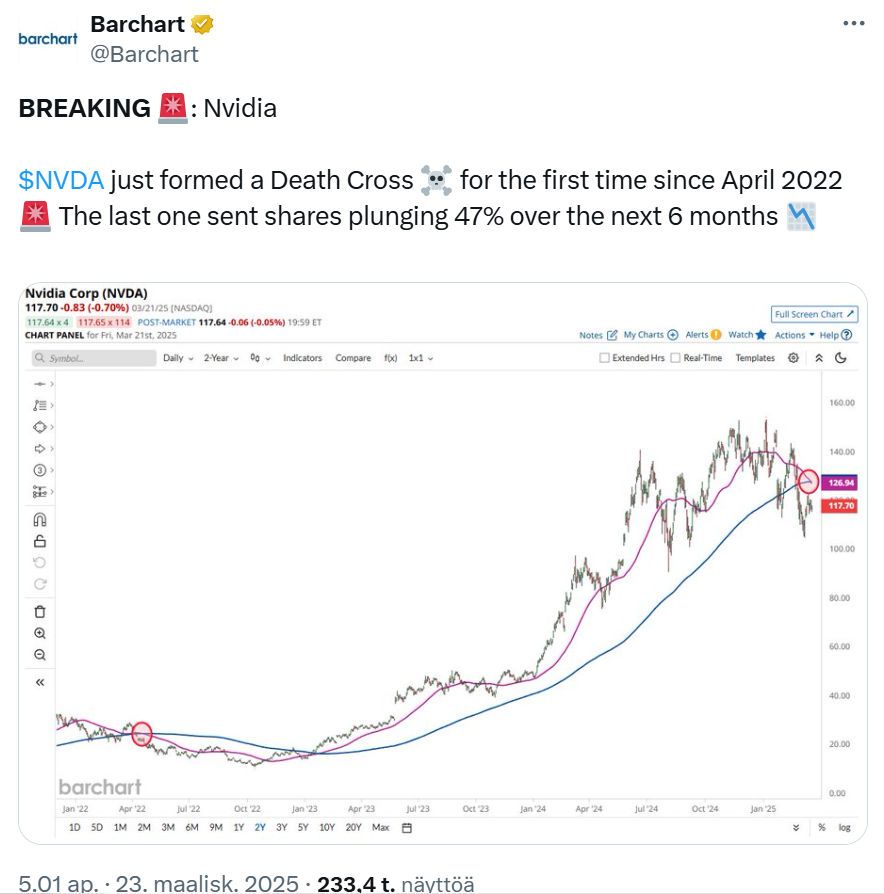
Olen samaa mieltä että kasvu pakosti hidastuu, mutta se ei automaattisesti tarkoita että tästä ei voisi saada vuosikymmeniä tasaista kassavirtaa hurjalla kateprosentilla (joo, vähemmän kuin tänään, mutta silti 50%+ on varmasti helppoa) takovan koneen. Avoin kysymys on sitten se missä kohtaa kasvu hidastuu - osakekurssi ottaa usein pienen hiustenleikkuun siinä kohdassa kun kasvuennusteet muuttuvat tasaisemmaksi rahanjauhamiseksi, mutta onko tämä ensi kvartaalilla, ensi vuonna vai myöhemmin…
8 tykkäystä
Kysyn maallikkona tyhmänä. Voiko tämä sirutarve (tilapäisesti) läsähtää kuin pannukakku yhtäkkiä? Tekoälyhän ei kokonaisuutena ole mikään rautatie tai silta, joka alkaa tuottaa vasta “valmiina.” Jos rautatien rakentamisen lopettaa ennenkuin viimeinenkin kiskonpätkä on asennettu niin investointi on tuottamaton. Vastatuulessakin se viedään katkeraan loppuun tai tuhoudutaan. Nyt tekoälyä kehittävät ja hyödyntävät pystyvät varmasti tienaamaan tähän asti tehdyistä megainvestoinneista, vaikka investointi “rautaan” pantaisiinkin tauolle.
3 tykkäystä
Pitää muistaa että palvelinsalien sisältö on “kulutustavaraa” ja tällä hetkellä piirien teho nousee sitä tahtia että pelkän sähkönkulutuksen vuoksi noin 4-6 vuoden sisällä tavara on ns. SER-jätettä koska laitteet uusimalla saa niin paljon enemmän laskentatehoa samalla tilan, jäähdytyksen ja sähkön kulutuksella. Eli jos tulevaisuus on että kaikilla megacapeilla on valtavat datakeskukset jauhamassa AI-asioita, näitä joudutaan uusimaan tasaisin väliajoin. Tämän vuoksi sirutarve ei oikeasti lopu koskaan. Se voi aaltoilla ja tällä hetkellä on iso investointibuumi, eli voin hyvin kuvitella että 2-4v sisään ollaan aallonpohjassa kun ajetaan nyt ostettavaa tavaraa ensin “loppuun” ja sitten tulee hätä uusia taas. Mitä isompi kertarysäys hankitaan uutta tavaraa, sen “kuoppaisemmaksi” myöhemmät uusimissyklit tulevat. Mutta en näe realismina maailmaa jossa yhtäkkiä ei enää tarvita palvelinrautaa AI-käyttöön.
Tältä osin tilanne on hyvin erilainen kuin mainausboomin aikaan - mainauskorttien kysynnän tappoi Etheriumin siirtymineen proof-of-stake -systeemiksi ja jo kauan ennen sitä bitcoin-mainauksen siirtyminen hyvin erikoistuneille ASIC-lastuille johon NVIDIA ei lähtenyt mukaan. Eli koko kysyntä poistui paikalta aika lailla kertarysäyksellä
AI-puolella väitän että markkina on niin iso että jos lastujen pitää alkaa erikoistumaan, NVIDIAlta tulee kyllä versiot eri tarkoituksiin sen sijaan että tämä markkinaosuus “annettaisiin pois” erikoislastuile. Ja niin kauan kuin jättifirmat pyörittävät datakeskuksiaan, ne tarvitsevat tasaisin väliajoin parempaa rautaa. Ainoa tapa “hävitä” tämä myynti on jäädä kehityksen oravanpyörässä jalkoihin ja katsoa kun kilpaileva lafka tekee paremman tuotteen ja vie markkinat. NVIDIAn etumatka on sen verran kova että en näe tätä realismina ihan lähivuosina.
15 tykkäystä
Kysyntä voi lässähtää, jos tuottoja ei saada ulos näistä investoinneista. Sitähän tässä lähinnä pelätään. Toisaalta koko kehitys tähtää siihen, että iso osa ihmisen työstä korvataan erilaisilla teköälyvirityksillä. Jos kehitys päätyy vääriin käsiin, voi yhteiskunnan olla pakko reguloida tai kieltää kehitys jollain tavalla - asettaa jotain tiukkoja valvonnan sääntöjä - tämä varmasti hidastaa kehitystä. Kvanttiteknologian kehitys alkaa jossain vaiheessa ohjaamaan rahoja myös tälle puolelle, nythän se on vielä lasten kengissä sekä toimivuuden että investointien määrän suhteen.
9 tykkäystä
Muistelen erään maailman suurimman suomalaisen verkkofirman silloin joskus piirtäneen fantastisen upeita PowerPointteja, joissa näkyi datatornaado ja kaikkea muuta kivaa, miten jättiläismäisesti bittivirrat kasvavatkaan tulevaisuudessa. Joten osakkeenomistajille piti tulla mannaa taivaalta niin, ettei katepillarilla kerkeä kaikkea varastoon keräämään.
Ei siitä mennytkään kovin montaa vuotta, kun PowerPointeissa luki jotain hintaeroosion haasteista ja miten katteet ovat paineessa, mistä taasen seuraa henkilöstöleikkauksia.
Toisin sanoen sillä ei ole merkitystä, miten paljon niitä datakeskusten laitteita pitää uusia. Merkitsevää on, että paljonko sillä vaihdolla saadaan voittoa. Ja se onkin sitten vähän vaikeampi juttu arvioida.
7 tykkäystä
Niin kauan kuin NVIDIA on käytännössä ainoa toimittaja ja markkinaosus on mitä on, homma rokkaa. Sitten jos kilpailijat syövät markkinaosuutta, sitten katteet joutuvat silppuriin…
3 tykkäystä
Muistelen samankaltaisen keskustelun 18-24kk sitten tältä palstalta (myös itseni taholta). Silloin päiviteltiin, ettei Nvidian kaltainen, kapealle yrityssegmentille rautaa toimittava yritys, voi ikinä olla maailman arvokkain yhtiö… Muistan, miten hirvittävältä se tuntui itsestänikin laskea Hopper-kysyntänäkymällä ja nettomarginaaliprosenteilla mahdollisia markkina-arvostuksia ja todeta, ettei ne voi mitenkään olla mahdollisia. No miten sitten kävikään…
Nvidia on onneksi lopulta aika helppo analysoitava. Datapisteet asiakkaiden investointiaikeista ja toimittajien kapasiteettinäkymistä saadaan 12kk eteenpäin ja niiden perusteella on aika helppo suhteellisen suurella luottamuksella vetää johtopäätöksiä tulevasta.
Mitä eiliseen tulokseen tulee, niin hassua sanoa, että yli miljardin raise ja beat tuntui jotenkin kädenlämpöiseltä jo. Objektiivisilla mittareilla tämä muuttui taas kerran halvemmaksi sekä taakse- että eteenpäinkatsottuna.
Pientä epävarmuutta aiheuttaa ennen kaikkea se, että conf callin perusteella vaikuttaisi, ettei tariffit tai export controllit ole millään muotoa faktoroitu yhtiön omiin näkemyksiin tulevasta ja niiden osalta kulkee myös Nvidia lastuna laineilla.
11 tykkäystä
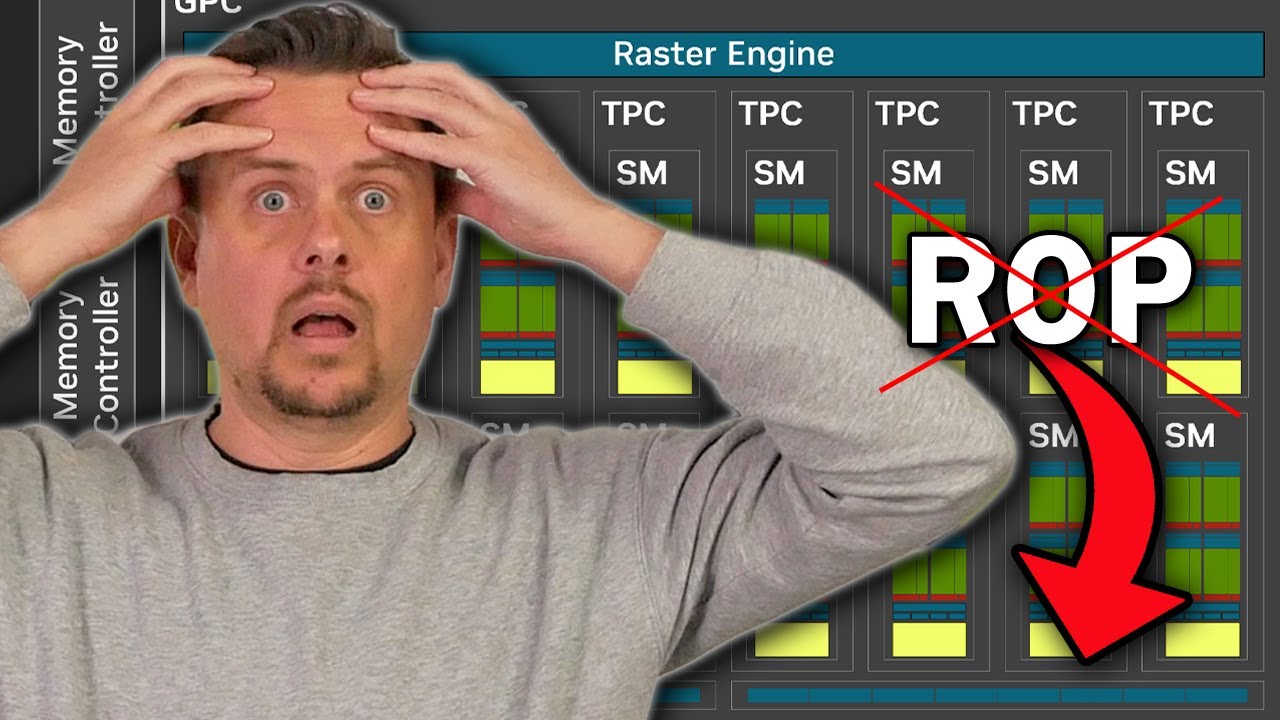
Nvidian kommellukset RTX 50-sarjan näytönohjainpiirien kanssa jatkuvat… Isomman kuvan mittaluokasta mahdotonta vetää johtopäätöksiä eikä kannattanekaan, mutta toki aina huolestuttavaa, jos hyvästä laadustaan tunnettu Nvidia on ajanut laadunvarmistustaan alaspäin niin suunnittelussa kuin tuotannossakin. Tässä tapauksessa kyse oli Nvidian mukaan 0,5 % tuotettuja RTX 5090/5090D ja RTX 5070 Ti -näytönohjaimia. Verkossa on esiintynyt väitteitä ongelmia olleen myös RTX 5080 -näytönohjaimissa, joista Nvidia ei maininnut mitään.
2 tykkäystä
Fokushan on siirtymässä markkinassa enenevissä määrin inferencepuolelle ja siellä on jo kovasti tunkua markkinaan.
Esim Meta luottaa AMD:hen enenevissä määrin kun on vaan parempi TCO.

Myös esim Mistralin LeChat pyörittää inferenceä Cerebrasin erikoistuneilla siruilla.
Myös Groq kasvaa Saudirahalla vauhdilla:
AMD sai just aika kovan boostin inferenceen Sglangin uudessa versiossa:
https://rocm.blogs.amd.com/artificial-intelligence/DeepSeekR1_Perf/README.html
5 tykkäystä
Vaikkakin reasoning mallit voi viedä jopa sanotaan 100x computea muihin malleihin verrattuna niin suhteessa perus “ennustustarpeista” nämä reasoning ennustukset on aivan pieni osa.
Vähän niinkun maailman “logistiikkatehtävistä” vain pieneen osaan tarvitsee raketin että tavaraa voi toimittaa. Suurin osa hoituu rekoilla ja muilla menopeleillä (Sanotaan vaikka Gemini Flash 2.0 joka aika kova price/performance kyvykkyys ja nopeakin vielä)
3 tykkäystä
Nämähän on vaan loppujenlopuksi härkämäisiä uutisia. Jos yrityksen kotimaan politiikka rupeaa liikaa rajoittamaan toimintaympäristöä niin eikai se nvidiallekkaan ole mahdottomuus vaihtaa pääkonttorin osoitetta.
Tässä on Investing visualsin visuaalinen tviitti siitä, miten Nvidiassa raha pyörii. 
https://x.com/ZeevyInvesting/status/1899466339514814801


6 tykkäystä
Nvidia valmistautuu esittelemään seuraavan sukupolven AI-alustansa GB300:n ja Rubinin GTC 2025 -tapahtumassa. Yhtiö pyrkii laskemaan tekoälyn kustannuksia, mikä voi kiihdyttää sen käyttöönottoa laajemmin.
Nvidia on edelleen noin 10 prosentin laskussa vuoden alusta, vaikka markkinoilla on positiivisia signaaleja. Foxconnin ja TSMC:n kysyntänäkymät ovat vahvistuneet ja Blackwell-alustan tuotanto on käynnistynyt vauhdilla.
Suurten teknologiayhtiöiden investoinnit datakeskuksiin jatkuvat vahvoina, lisäksi eri maat suunnittelevat miljardiluokan panostuksia infrastruktuuriin esim. Yhdysvallat kasvattaa investointejaan 100 miljardista 500 miljardiin dollariin.
https://x.com/The_AI_Investor/status/1900594087218344103


7 tykkäystä
GTC tosiaan tiistaina jo!
Tuosta voi aloittaa kello 17:00 Acquired podcastin GTC-ennakolla:
Ja tästä näkee sitten keynoten klo 19:00 alkaen:
Rubinista on pakko tulla hyviä uutisia. Sellaisia olisi esim:
- Tuotannon aloittaminen jo 2025 puolella
- Shippaukset viimeistään Q2 2026
Joku mahdollinen teaser post-Rubin roadmapeista voisi tehdä hyvää myös - Rubin kuitenkin julkaistiin jo 06/24 eli pikkuhiljaa pitäisi vuosi-cadencen mukaisesti tulla tietoa 27/28 tuotteistakin.
11 tykkäystä
Tässä on tviitti, jossa on Morgan Stanleyn ennakkokommentteja liittyen yhtiön tuohon GTC-tapahtumaan, jossa Jensen Huang pitää avauspuheen.
Tapahtumassa esitellään tviitin mukaan todennäköisesti Blackwell Ultra -piiri, joka tarjoaa parempaa suorituskykyä, suurempaa muistia ja korkeampaa virrankulutusta, hyödyttäen muun muassa virtajärjestelmien ja jäähdytyksien toimittajia.
https://x.com/Jukanlosreve/status/1900886310627537055


6 tykkäystä
Nvidia esitteli odotetusti joukon uusia tekoälyratkaisuja ja laitteistoja paljon puhutussa konferenssissa Yhdysvalloissa. Nahkatakkimiehen mukaan tekoäly on siirtymässä uuteen vaiheeseen, jossa järjestelmät eivät vain tuota sisältöä vaan myös pystyvät monimutkaisempaan päättelyyn ja itsenäiseen toimintaan.
Yhtiö julkisti seuraavan sukupolven suoritinteknologian, jonka odotetaan parantavan tekoälyn laskentatehoa merkittävästi. Lisäksi se kertoi uudesta verkkoteknologiasta, joka lupaa vähentää datakeskusten energiankulutusta.
Robotiikan merkitys nousi puheessa esiin tulevaisuuden työvoimapulan ratkaisuna. Yhtiö ilmoitti tekevänsä yhteistyötä useiden yritysten kanssa kehittääkseen älykkäitä robottijärjestelmiä.
Osakemarkkinoilla yhtiön kurssi oli laskusuunnassa, vaikka konferenssissa esitellyt innovaatiot osoittivat jutun mukaan sen pyrkivän säilyttämään asemansa tekoälyn kehityksen kärjessä.
Odotettu tapahtuma, mutta uutisvirrassa oli tästä vähemmän juttua kuin odotin. Vieras maailma mulle, niin siksi tsekkasin uutisvirtaa. X:ssä ei tullut vastaan mitään megahypernostoja tästä tapahtumasta.
https://www.investors.com/news/technology/nvidia-stock-gtc-conference-march-2025-live-coverage/
https://x.com/danielnewmanUV/status/1902050060650639635


https://x.com/danielnewmanUV/status/1902049686673912176

https://x.com/StockMKTNewz/status/1902074068582723717


15 tykkäystä
Tässä on Investing visualsin tuore katsaus Nvidiaan. 
https://x.com/ZeevyInvesting/status/1902403932548190422


4 tykkäystä
Hyvä artikkeli NVIDIAn tutkimustiimistä, joka on ällistyttävän pieni: 300 henkeä!
Filosofia on antaa asioiden kypsyä rauhassa, jopa vuosia, jos niihin uskotaan. Ja epäonnistua usein, mutta nopeasti.
17 tykkäystä
GTC:n jälkeen tässä tiivistetysti omat ajatukseni Nvidiasta
-
Datacentereiden modernisointi jatkuu ja kiihtyy
-
On luonnollista, että myyntikate dippaa väliaikaisesti, kun uutta tuotantoa ajetaan ylös (Blackwell)
-
Tällä kuvalla Jensen pyrkii kertomaan ”koko maailmalle”, että Nvidia pyrkii löytämään optimaalisen tasapainopisteen (sweet spot) raa-an laskentatehon ja sovelluksissa tapahtuvan AI-päättelyn (inferencing) välille. Eli Jensen tietää tasan tarkkaan, että AI sovelluspuolen pitää kehittyä kokoajan eteenpäin. Muuten syntyy se kuuluisa AI kupla, jota itse en edelleenkään havaitse.
-
Tämä on ATK:n peruskalvo. Jos systeemit jättää päivittämättä, niin lopulta kustannukset karkaavat käsistä, suhteessa kilpailijoihin.


Minun mielestä nyt on menossa ATK maailman normaali kehitysvaihe, jossa Nvidia avaa latua. Koska sen kilpailijat jotenkin onnistuivat missaamaan startin ja jäivät lähtötelineisiin. Mutta ei datacentereiden päivitystarve ole poistunut, sen tehtävän nyt vaan saa tehtäväksi suurelta osin Nvidia.
Kuvat poimin linkin takaa löytyvästä videosta:
14 tykkäystä