Tämä taitaa mennä vähän yläkanttiin. Kulut on muistaakseni noin prosentin ulkopuoliset varainhoitajat huomioiden, mutta toki tämäkin on aivan liikaa.
Kuulostaa varmaan suurimmalla osalle vähältä, mutta esim. Norjan öljyrahaston kulut on 0,04%. Jos eläkevarojen tuottoja saataisiin nostettua laskemalla kulut samaan, olisi hyöty pitkässä juoksussa merkittävä.
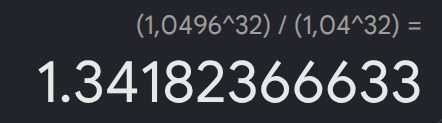
Claude arivioi rahastoitujen eläkkeiden keskimääräiseksi sijoitusajaksi noin 32 vuotta ja eläkerahastojen reaalituotto on noin 4%.
Tällöin saataisiin rahastoitujen eläkkeiden loppusummaa kasvatettua noin 34%.
Se on se valitettava puoli siinä, että järjestelmä ajaa ihmisiä sykkimään. Jos kaikilla on aina hyvin, on hirveän vähän syytä puskea kovempaa.
Tunnen monia ihmisiä jotka ovat sitä mieltä, ettei töissä kannata tehdä enempää kuin on pakko. Jos sama ajatus laajennetaan yleisemmin syntyy ongelma jossa ei välttämättä kannata tehdä mitään.
En nyt ehdota etteikö ihmiset haluaisi tehdä työtä, tai että nyt just olisi helppo aika löytää työtä. Joka tapauksessa lienee selvä, että ero elämänlaadussa työttömänä vs työn saadessaan korreloi väkisinkin sen kanssa kuinka kovasti työskentelee löytääkseen työpaikan - erityisesti jos mietitään valmiutta vaihtaa kotipaikkaa tai alaa.
Työttömyysturva on yksi hyvinvointimme peruspilari. Se pitää huolen ettei työttömyyden sattuessa putoa tyhjän päälle.
On yksinkertaista ajatella että työttömällä olisi yhtäkkiä työpaikka jos ei ole työttömyysturvaa. Väitän että hyvin harva haluaa olla työtön. Ideologisesti työttömiä, päihteiden käyttäjiä ja muuten vaan lusmuja löytyy tietty prosentti joka maasta, Suomi ei ole mikään poikkeus.
Suomen hyvää työttömyysturvaa verrataan usein maihin missä turva on heikompi. Ei kuitenkaan muisteta mainita miten helppoa ja halpaa Suomessa on irtisanoa työntekijä verrattuna melkein mihin vain kehittyneeseen maahan. Esimerkiksi Saksassa on huonompi turva mutta työnantajalle irtisanominen tulee kalliimmaksi. Myös kaikenlaisia paketteja on tarjolla irtisanottavalle. Pitäisikö Suomessakin työnantajan osallistua enemmän pois potkitun kustannuksiin? Ei varmaan herätä hirveää kannatusta.
En ole yhtään eri mieltä. Ja ehkä se isompi ongelma on pienet palkat eikä liian korkeat tuet. Pointtina enemmän, että erotus noiden välillä on monessa tapauksessa liian pieni (ei kaikissa).
Konesali-investoinneista ja niiden ultimaattisista hyödyistä kansantaloudelle on puhuttu täällä paljon. Huoli siitä, että hyöty jää pieneksi - tai energia- yms. “subventoinnin” myötä jopa negatiiviseksi - on ihan aiheellinen.
Mä olen itse pyöritellyt paria mallia, joilla voitaisiin saada boostattua koko superteholaskennan ja tekoälyn ekosysteemiä ylös vaatimalla maltillista vastinetta konesalitoimijalta:
Bare metal -kiintiö esim. CSC:lle kaupalliseen jakoon tai T&K-toimintaan: kaupallinen konesalioperaattori (esim. Microsoft tai Google) sitoutuisi luvitus- tai verohuojennusehtona lohkaisemaan osan GPU-klustereistaan kansalliselle operaattorille, kuten CSC:lle, jolla on jo prosessit ja palvelut tähän olemassa. Operaattori puolestaan myöntäisi markkinahintaa alemmalla tasolla tätä kapasiteettia suomalaisten firmojen käyttöön (kuten CSC-toimii jo nyt).
“Compute voucher” proprietary-kapasiteettiin esim. Business Finlandin kautta: tässä mallissa voitaisiin suoraan käyttää hyperskaalajien valmiita alustoja, kuten Microsoft Azuren, Google Cloudin tai AWS:n tekoälytyökaluja, valmiita kielimalleja ja tietokantayhteyksiä. Tässä olisi myös yhteneväiset kannustimet hyperskaalaajien kanssa, koska tällä sitoutettaisiin heidän stackiin. Analoginen takavuosien Laskentatuelle, mutta kustannuksia ei käytännössä syntyisi.
Tämä voisi olla monelle AI- / Tech-skaalaajalle isokin asia, kun sellaista VC-rahaa, jota esim. AI-kehitys isommassa skaalassa vaatisi, ei tästä maasta tunnu löytyvän, ja tämä osaltaan ratkaisisi sitä, ettei olisi pakko lähteä ulkomaille jo varhaisessa vaiheessa.
” Toki paremman jalostusarvon investointeja saa kaipailla, mutta Suomi ei voi valikoida parhaita päältä. Ja on näistä investoinneista ollut Irlannille hyötyäkin. Maan talous on digi- ja datayhtiöiden nostamana noussut kohisten.
Jos asia hoidetaan hyvin, Suomellakin on mahdollisuus nousta datatalouden merkittäväksi tekijäksi ja saada datakeskuksista arvonlisää, kun niistä tulee keskeinen osa tekoälyinfrastruktuuria. Nokian nykyinen tuloskehitys antaa merkkejä tästä”
Tosiaan sähköpelkoon - eli huippuhintojen yleistymiseen kun tuulienergia on Suomen (ja pohjoismaidenkin) tasolla vaihtelevan toimivaa, kulutus on suht tasaista ja talvella on kylmiä jaksoja - on harvinaisen yksinkertainen lääke, eli Wärtsilää datakeskuksen kylkeen. Jos ei Irlannin mallin mukaan huipputeholle niin osittain.
Varsinaisesti sähkö ei lopu, siitä pitää huolen ns markkinahinta joka on Suomessa korkeimmillaan ollut so far 2,35 €/kWh.
Markkina ei näytä kykenevän itse tuottamaan tasaista tuotantoa lisääntyvän vaihtelevan tuotannon kylkeen, vaan päinvastoin tasaista tuotantoa on osittain ajettu alas hiilivoimaloiden myötä, ja huippuvoimankin kapasiteettikin sen verran pientä että kymmenien senttien hinta/kWh tulee turhaan vastaan säännöllisesti. OL3 lopulta valmistui, ja ajoittui tilanteeseen jossa lähinnä systeemisen lisäkapan sijasta korvasi loppuneen Venäjän tuonnin.
Ei täällä surkulandiassa voi nenänvartta pitkin katsoa investointeja…
Irlannin noususta tutkiva journalisti voisi toiseen juttuu kertoa sitten vaikkapa kilpailukykyisestä verotuksesta, siirtohinnoittelusta jne jne
Irlannissa datakeskusten on rakennettava oman huippukulutustehonsa verran säätövoimaksi sopivia, nopeasti käynnistyviä voimaloita datakeskuksen yhteyteen.
Toki paremman jalostusarvon investointeja saa kaipailla, mutta Suomi ei voi valikoida parhaita päältä. Ja on näistä investoinneista ollut Irlannille hyötyäkin. Maan talous on digi- ja datayhtiöiden nostamana noussut kohisten.
Hesarissa kirjoitus Helsingin suosiosta matkailukohteena:
Aikanaan vuosi 2019 oli ennätyksellinen, mutta koronaviruspandemian vuoksi seuraavana vuonna yöpymisten määrä väheni Helsingissä 64 prosenttia. Vuoden 2019 taso ylitettiin vasta vuonna 2024. Uusi ennätys rikottiin sitä seuraavana vuonna. Ja viime vuoden taso ylitetään tänä vuonna.
Oho, oho. Joko Suomen yritysmaailma alkaa viimein herätä, kaikkien vuosikymmenten jälkeen? Ensimmäistä kertaa koskaan kuulee jonkun puhuvan kuinka loputtomat hinnankorotukset eivät olekkaan se ainoa tapa nostaa myyntiä
Festivaalille on kannattavampaa saada paikalle mahdollisimman paljon ihmisiä kuin myydä tosi kalliita lippuja. Ihmiset kun kuluttavat festivaalialueella muitakin palveluja, sanoo LiveFINin toiminnanjohtaja Jenna Lahtinen .
Tuossa toisessa ketjussa oli maininta, että Fazer on pienetänyt suklaataan korkean kaakaon hinnan vuoksi. Varovaisesti kyseltiin kasvaako levy, mutta hinnoittelu pysyy.
Radiossa tuli drinkin hinnasta Helsingissä nykyään 15-20 euroa väliin terassilla/ ravintolassa. Kävin juuri Haaprannassa Ruotsin puolella. Paikkahan ei ole mikään iso, mutta itse yllätti ruuhka jo joen yli vievillä silloilla sekä liikenneympyrässä. Syykin oli oli aika selvä, lähimmät huoltoasemat joutui jonottamaan suomalaisten keskellä. Kaupoissa kuului Suomea ja ostoksissa suklaata, karkkeja ja kahvia. Sekä suklaan, että kahvin maailmanmarkkinahinta on tippunut, mutta pakettihinta ei tipu Suomessa, mutta Ruotsissa tippuu. Kävin lisäksi hakemassa pullakahvit (Cafe Latte) Ikeasta 2,18€ ja kaksi hodaria oli piirun päälle 2€. En saa edes kahvia pullakahvin hintaan rajan toisella puolen. Ikeasta saan 3-6 hodaria mitä yleisötapahtumassa Suomessa yhden. Vielä palatakseni tuohon drinkin hintaan. Kavin kevällä Itävallassa. Paikallisessa Irkkupudissa join Iriscoffeen 4€ hintaan. Mistä tämä hinnan suuri ero johtuu? Kyllä se on verotus ja erityisesti haittaverotus. Jos aikoo juoda vähänkään usemman juoman niin kyllä laivalippu Viroon tai Tukholmaan kannattaa aika äkkiä panna mietintään. Meillä tuo verotus ja monelta osin hinnoittelu on ylittänyt monessa suhteessa kipurajan parhaan tuloksen saamiseksi. Knnattaisi todella nopeaan alkaa harkita esimerkkinä alkoholiveron kevennystä kesäksi, että saadaan Eurot kotiin eikä rajojen taakse. Samoin pitäisi toimia verossa kuin verossa. Alentaa edes osa aikaiseksi katsoa tulos pirtyykö kauppa ja valtion tulot. Tämmöinen tultkimus ei pitäisi nykytekniikkalla kovin vaikeata olla.
Lisähuomiona kaupat Suomen puolella olivat aika hiljaisen näköisiä. Yksi työllistäjä näytti olevan. Tullin auto seisoi passissa mennen tullen. Ruotsalaisilla ei ollut tarvetta olla passissa.
Tuohan ei ole mikään uusi juttu. Ruotsin puolelta on haettu luvallisesti ja luvatta (sota-aikaan ja kieltolain aikaan) kaikkea kauppatavaraa varmaan niin kauan kuin siellä on ollut raja Ruotsin vallan jälkeen Ei siellä sinänsä rajaa ole ollut periaatteessa koskaan, paitsi koronan alussa kyselivät vähän, eikä sekään liittynyt kaupankäyntiin.
Joo ei tosiaan ole uusi juttu ja nimimerkistä päätelleen asiantuntija paikalla. Nuuskakairat ja System Bolagetit ja Candy World rajantuntumassa ei ole mitään uusia juttuja, kun meidän hallitus haittaveroja säätänyt. Kyllä siinä nyt silti yllätti Coopin kassalla odottelu, kun Suomalaiset otti kanta-asikaskorttia jonkun uuden kassan kanssa. No kokeneempi Suomea puhuva tuli avustamaan ja kassat alkoivat vetää. Normaali keskiviikko ilta. ikea oli yllättävän hiljainen. Ihan vaan kysymyksenä, mitä siihen Gränsen kauppakeskuskseen Torniossa on tullut, josta (rikkaat) Ruotsalaiset hakee jotain. Kuulemma auton renkaitakin haetaan paljon Haaparannasta. Haetaanko Suomesta mitään?
Itseasiassa suomessa Ikeassa pulla+kahvi maksaa 1,48€ ja jäsenille 0,98€, hodarit 1€/kpl ja vegehodarit 0.70€/kpl. Ja esim. Biltemassa hodarit 1€ ja pulla + kahvi myös 1€.
Olen miettinyt, että miksi Suomessa (ja Euroopassa) ei ole jo siirrytty osakekaupoissa yhden päivän selvitykseen, kuten Amerikassa tehtiin. Luulisin tämän olevan jopa helpompaa täällä kuin Amerikassa, koska siellä pankkijärjestelmä tuntuu olevan vanhan aikaisempi, kun vielä on palkkashekitkin käytössä. Eihän tämä nyt mitään suurta ratkaisua toisi, mutta saisi kuitenkin rahan kiertämään nopeammin ja voisi tehdä oman osansa.
Pankit voivat tosin olla eri mieltä, kun saavat nyt rahat lainaan ilmaiseksi päivän pidempään ja vievät sen poistumisen sitten hintoihin.
Vaatteita ja jotain ruokia/aineksia mitä Ruotsissa ei niinkään myydä. Elokuvissa taitavat myös käydä.
Ikea on ainoa lähimailla ja on käytännössä rajan päällä. Siellä käy porukkaa koko Pohjois-Ruotsista ja Pohjois-Suomesta. Ehkä harvakseltaan Norjastakin.
Itselläkin kun matkaa tulee haaparantaan alle 80km niin tulee käytyä toisinaan mutta vaikka ruotsissa on halpaa niin suuri määrä ihmisiä ruotsin puolelta tulee suomeen ostamaan elintarvikkeita jotka ovat Ruotsissa kalliimpia esim. Maito ja lihatuotteet sekä suomen valikoima on huomattavasti laajempi. Itseä vähän huvitti kun uutisissakin tässä keväällä haastateltiin ihmisiä jotka olivat ostoksilla ruotsin puolella kuinka siellä on halpaa mutta kukaan ei hoksanut kertoa aika oleelista asiaa kuinka halpaa suomessa on asioida ruokakaupassa. Alkoholi, polttoaine, tupakka ja makeiset ovat huomattavasti halvempia ruosissa ja osa rakennustarvikkeista.
“Suurin kasvupotentiaali on jo valmiiksi kohtuullisen kokoisissa yrityksissä. Nyt Suomessa on noin 1 500 perheomisteista 50–499 henkeä työllistävää yritystä. Niitä kannattaisi tukea kaikin tavoin kasvun ja viennin kiihdytyskaistalle, jos ne eivät siellä jo ole.”
Mielenkiintoisia ehdotuksia. Jos nämä heikennykset tulisivat täysimääräisinä voimaan kuinka paljon se tulisi heikentämään ostovoimaa. Vaikea kuvitella että ravintoloitsija ainakaan hyötyisi tästä kun halpaa työvoimaa on tarjolla jo nyt tarpeeksi.
 Irlannin noususta tutkiva journalisti voisi toiseen juttuu kertoa sitten vaikkapa kilpailukykyisestä verotuksesta, siirtohinnoittelusta jne jne
 Ei siellä sinänsä rajaa ole ollut periaatteessa koskaan, paitsi koronan alussa kyselivät vähän, eikä sekään liittynyt kaupankäyntiin.