Tähän liittyen, millaisen älämölön se mahtaisi saada aikaan jos Mallisalkku alkaisi ostamaan eurooppalaisia pankkeja? Uskon että ainakin @Pohjolan_Eka:lla olisi sana sanottavana jos mallisalkun seuraavat rivit ovat Nordea ja Danske.
Ps. Hyvin muuten vanheni tuo @Atte_Riikola positiivinen nosto mallisalkku-videolla, että Remedyllä mennyt selkeästi indeksiä paremmin. Toivottavasti sieltä noustaa pian takas ja ei jinxattu liikaa.
Laurila korosti tuossa haastattelussa, että eriaikoina toimii erilaiset strategiat ja sijoittajan täytyy olla joustava ja yritettävä spotata mikä toimii missäkin markkinassa. Tuo, että analyysistä 50% on makroanalyysiä kertoo aika paljon hänen sijoitusfilosofiastaan.
Haastattelussa mainitaan, että keskimääräinen position pitoaika olisi vain 2-3kk, joten aika lähellä swing treidaamista tuossa ollaan. Salkusta kyllä löytyy myös pitempään olleita positioita ja esim. Nordea näyttää olleen salkussa jo melkein vuoden.
Yksi idea mallisalkun sääntöihin. En muista nyt suorilta kuka näin olisi sanonut, mutta ainakin itse olen useamman kerran kuullut ohjenuoran myydä sijoitus, mikäli se on kuralla yli 20%. Tällainen ns. “sijoitusviisauteen” perustuva takaportti myyntitoimeksiantoon myös voimassa olevaa suositusta vastaan mahdollistaisi mallisalkkutiimille uuden tilaisuuden arvioida sijoituksen riskitasoa ja fundamentteja.
Osta-suosituksetkin kuitenkin enemmän tai vähemmän vaihtelevat riskitasoltaan eri yhtiöissä. Jos Sampon kaltaisen yhtiön osta-suositus muuttuisi Modulightin riskitason kaltaiseksi osta-suositukseksi, olisi mielestäni aiheellista tarkastella sijoitusta uudelleen sen muuttuneen riskiprofiilin takia.
Tätä jalostaen mallisalkunkin sääntöihin olisi luonnollista asentaa tilaisuus arvioida riskitasoa uudelleen, olisihan -20% kohdalla jo kuitenkin “oppirahat” maksettu.
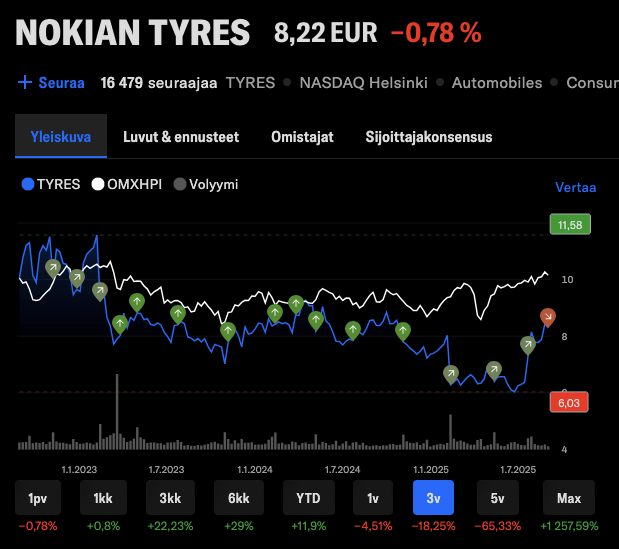
20% stop loss voisi toimia tappion rajaajana bitcoinissa tai meemikolikoissa, jossa oikeaa arvoaa on mahdoton määrittää, mutta kyllähän kunnon arvosijoittaja, kuten ehkä Suomessa eniten osakkeilla tienannut henkilö, Kim Lindström harrastaa ns. average down periaatetta eli ostetaan lisää, kun halvalla saa. Eniten tainnut viime vuosina ostaa Nokian renkaita ja Tietoevryä. Kovin pieniä yhtiöitä ei harrasta plus 10millin salkun takia…Konkarisijoittaja Kim Lindström: Aaverage down -sijoitusstrategia toimii
Average down toimii hyvin tilanteissa, joissa osakkeen hinta laskee yhtiön arvon pysyessä samana. Toki myös molemmat parametrit voivat muuttua siinä suhteessa, että osta-keissi kuitenkin säilyy. Esimerkiksi osakkeen hinta on periodilla laskenut 10 prosenttia ja yhtiön arvo 15 prosenttia, mutta hinnan ja arvon epäsuhta on yhä niin suuri, että ostoja kannattaa jatkaa.
Aiemmin kuvaamassani ideana oli antaa optio myydä osaketta, mikäli uudelleen tarkastelun perusteella yhtiön fundamenteissa on tapahtunut muutoksia. Jos -20% tulee tauluun vaikkapa vuoden pitoajan jälkeen, kurssilasku voi hyvin myös kieliä jostain yhtiössä tapahtuneista muutoksista, kuten esimerkiksi sijoituksen kohonneesta riskiprofiilista. Mikäli tiimin mielestä keissi on ennallaan ja hinta vain laskee, on mallisalkkukin varmasti käsi alla kauhomassa lisää tavaraa salkkuun. Perusskenaario siis varmasti onkin aina suositusten mukainen average down. Tämä myyntimahdollisuus olisi ns. pakotie tilanteessa, jossa average downille ei esim. salkunhoidollisista syistä enää ole perusteita ja positiosta haluttaisiin luopua esimerkiksi lisää-suosituksesta huolimatta.
Ketju on aloitettu 7 vuotta sitten, jossa aloittaja kehuu peesaavansa mallisalkkua hyvillä tuotoilla.
Jos nyt oikein katsoin, niin 8 vuoden ja 5 vuoden tuotoissa on nyt hävitty Helsinki indeksille. 10 vuoden tuotoissa ollaan kuitenkin pärjätty paremmin. Ketjun aloittaja sanoi aloittaneensa peesaamisen 10 vuotta sitten. Hyvä hänelle, jos ei sen jälkeen sijoittanut pörssiin lisää rahaa
Olen 2020 alusta alkaen OST:llä veivannut eri mallisalkkujen ja analyysitalojen suositusten yhdistelmän kanssa. Aika rumasti on indeksille hävitty. Ja siis tappiota tullut ihan euroissakin, vaikka 2020 ja 2021 menivät tosi hienosti. 2022 alkaen jatkuvaa jälkeen jääntiä. Onneksi tämä toiminta on edustanut vain noin neljännestä koko salkustani.
Vastaava toiminta erään sijoitusbloggarin toimesta oli useiden vuosien ajan (ainakin 5 vuotta, mutta en muista tarkalleen) 2010-luvulla tehnyt huimaa ylituottoa, mistä syystä innostuin kokeilemaan, kun OST tuli.
Olen tästä nyt päätellyt sen, että on vaarallista lähteä kokeilemaan sellaista, joka on edellisen 5-10 vuoden aikana toiminut hienosti. Luulen saman koskevan rahastoja, markkina-alueita ja omaisuusluokkia. Pidän vähintäänkin vaarallisena hypätä nyt Bitcoiniin, USA:n osakkeisiin tai kultaan. En toki väitä, etteikö näistä joku voisi olla hyvä sijoitus myös seuraavat 10 vuotta.
Käteispossa alkaa olla mallia iso. Myös RE:llä aika iso 12,7% käteispossa tällä hetkellä. Ammamiehet odottelee ilmeisesti syysdippiä. Näin odotteli myös Lepikkö viimeisimmässä TC:ssä.
Odotan samanlaista käyrää Rinkuloille kuin Nesteen kohdalla myynnin jälkeen. Erikoista paperikäsiyttä. Ensin odotellaan että saadaan Romanian tehdas pystyyn jotta päästään tekemään tulosta ja juuri H-hetkellä heitetään laput mäkeen
No toki voi tämä näyttää järkevältäkin jälkikäteen, mutta ainakin itse haluan katsoa tilanteen loppuun. Mikään ei ole mennyt rikki siinä tarinassa johon itse sijoitin. Katsotaan palkitaanko kärsivällisyys vai onko se lopulta tyhmää.
En mä kyllä ymmärrä, että mikä juuri tässä suorituksessa oli nyt niin huonoa. Siellä oli Mallisalkkutiimillä vahva ostoteesi ja näkemys arvopohjaisesta reilusta alennuksesta, mutta osari toisensa perään todisti markkinoiden olevan oikeassa ja yhtiön nykyarvostuksen olevan tukevalla pohjalla. Heti kun tuli paikka, niin mörnijä laitettiin laitaan ihan siedettävään hintaan sen sijaan, että oltaisiin jääty odottelemaan vuosiksi toiveperustaista nousua, mikä ei välttämättä ikinä tule. Näin tämän pitääkin mennä.
Paineet ovat nyt tietysti kovat, kun koko sijoittajakansa odottaa, että mikä on se helmisijoitus, johon nämä ylijääneet käteisvarat laitetaan ja miten Mallisalkun ryvettynyt maine pelastetaan. Toivottavasti uskalletaan vihdoin kokeilla taas pienyhtiösijoittamista. Kaikkea muuta onkin tässä viime vuosina kokeiltu, eikä onnistumisia kovin montaa nykystrategialle ole tullut, joten hävittävää sijoitustyylimuutoksella takaisin Mallisalkun perinteiseen rohkeaan korkeaa tuottoa tavoittelevaan osakepoimintaan ei mielestäni ole. Tämä Mallisalkun osakepoimintafokuksen siirto laatuyhtiöihin/arvomörnijöihin on osoittautunut virheeksi ja nyt olisi aika korjata se.
Samaa mieltä, mutta tuskin näitä nonneroiden kommentteja kannattaa liikaa yrittää ymmärtääkään. Matalalla osaamisella liikkeellä olevat tuulipuvut ovat vain peesailleet ja ilmaisevat pettymyksensä, kun ei tämäkään poiminta osunut kohdalleen. Kritiikkiä satelee, niin kauan kuin indeksille hävitään, mutta ne muuttuvat kehuiksi, jos homma alkaa jälleen rokkaamaan, teeseistä, näkemyksestä tai analyyseistä viis.