Kryptoissa tuntuu olevan enemmän mahdollisia turvallisuusuhkia kuin perinteisessä finanssitoiminnassa. Sijoitettu pääoma saattaa kadota bittiavaruuteen jo pelkästään väärään lohkoketjuun lähetettäessä. Mattoja vedetään alta, lompakkoihin lähetellään kalastelukolikoita jne.
Tähän ketjuun on tarkoitus kerätä keskitetysti neuvoja ja varoituksia, jotta kukaan ei menettäisi varojaan kömpelyyttään, tietämättömyyttään tai rikollisten toimesta. Volatiliteetti, arvonlasku ja muut “normaalit” riskit eivät kuulu tänne. Kaikenlainen muu jutustelu ja kommentointi olisi selkeyden vuoksi hyvä jättää muihin ketjuihin.
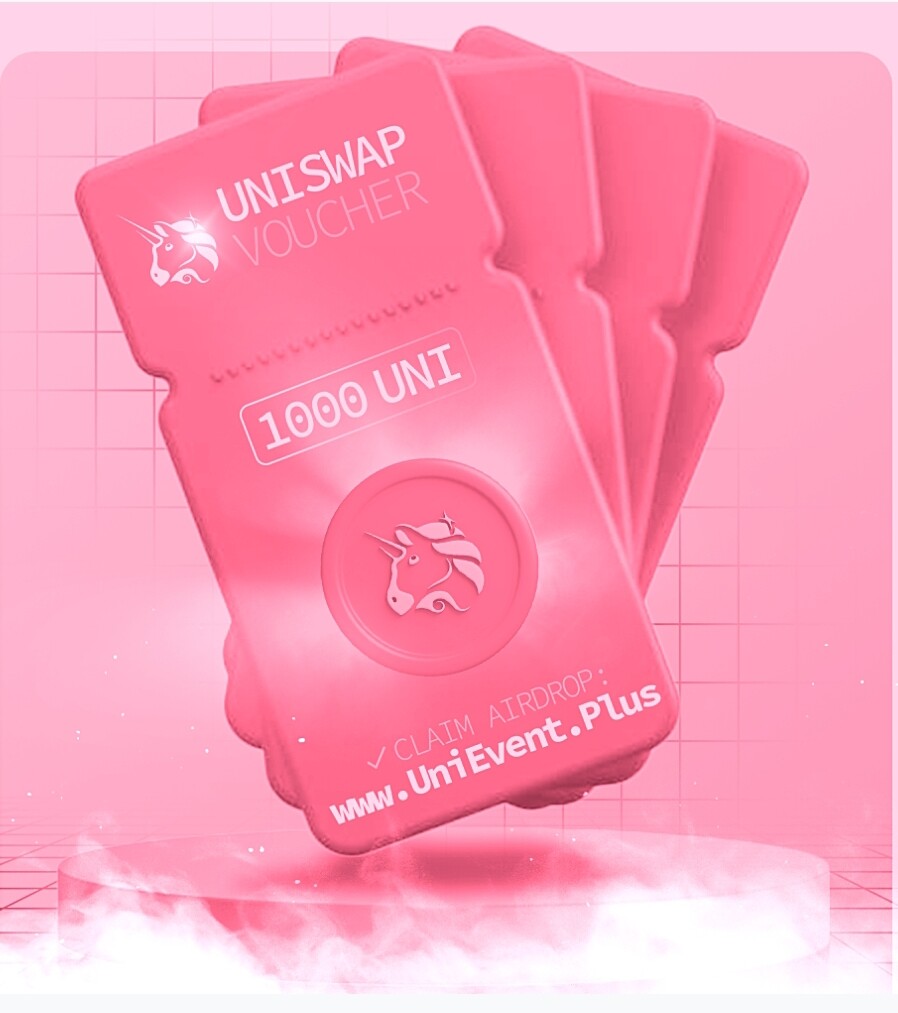
Kyseessä on siis yritys saada airdropin vastaanottaja kiinnostumaan, jotta tämä lähtisi selvittelemään, miten noi saa vaihdettua joksikin, jolla on likvidi arvo. Ystävällinen tuki jossain sitten yrittää asiaa “selvitellessää” udella lompakon palautusavaimia tai muuta arkaluontoista tietoa.
TLDR: Jos lompakkoosi ilmestyy outoja kolikoita, anna niiden vain olla. Älä paljasta internetissä aktiivisesti kyselemällä tai ihmettelemällä mitään, mikä liittää kyseiset kolikot juuri sinuun tai lompakkoosi.
Jos joku kysyy avaimia, niin älä kerro niitä ikinä (pätee myös pankkeihin.)
Älä käytä tuntemattomia alustoja tai lompakkoja (pätee myös normaalin rahan osalta.)
Katso ettet mene vahingossa väärään osoitteeseen Googlen kautta (pätee myös pankkeihin.)
Katso, että siirtoa tehdessä lompakon koodi menee oikein (pätee myös pankkeihin.)
Ajattele ja tutki asiaa ennen kuin toimit (…)
Hajauta toimintaa (…)
Pidä koneesi puhtaana (…)
Eipä tuo ole sen vaarallisempaa, kun asiaan suhtautuu sillä vakavuudella millä pankkiasiointiinkin pitää suhtautua. Tietysti jos kyse on pelkästä harrastamisesta, niin ehkä vakavuus voi olla alempaa, mutta sitten on oltava valmis siihen, että se lompsa saattaa olla huomenna tyhjä. Toki kryptomarkkinoita tarjoavat alustat eivät ole yhtä luotettavia kuin pankit, joten suhtautuisin myös varauksella varojen makuuttamiseen ko. palveluntarjoajilla. Joidenkin kryptojen siirto maksaa aika paljon (jopa kymppejä), niin siirtoja ei välttämättä halua tehdä, mutta kannattaa makuuttaa valuuttaa lähinnä omassa lompsassa, jonka avaimet eivät ole muiden tiedossa.
Erityisesti nostaisin vielä esille useampivaiheisen tunnistautumisen (esim. käyttäjätunnus/salasana + lisätunniste) käyttöönottoa KAIKISSA palveluissa, joissa se vain on mahdollista.
Mikäli kryptoissaon kiinni itselle huomattava summa tai muuten turvallisuus epäilyttää, niin kanattaa hommata hardwarewallet. Esim. Ledger. Siinä vahvistetaan siirto ulkoiselta vempeleeltä, ledger toimii esim metamaskin kanssa.
En aio enempää esitellä aihetta, googlettamalla/youtubesta aiheesta paremmin tietoa ja eri vaihtoehdoista.
Juuri näin.
Lisäksi 2fa tunnistukseen ehdottomasti tikku tai autentikointisofta (Authy, Google…). Pelkkä email ja/tai sms ei riitä. Noita kaapataan jatkuvasti.
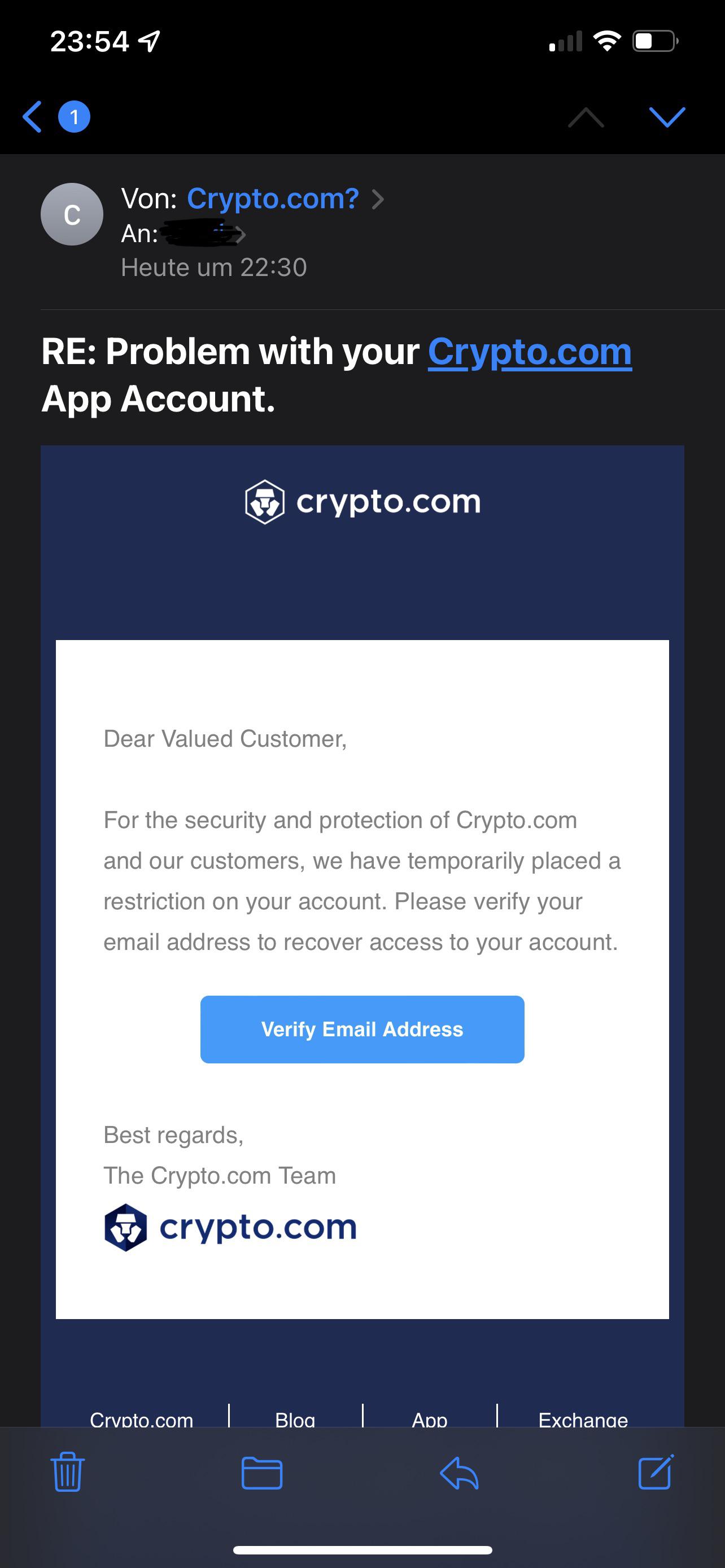
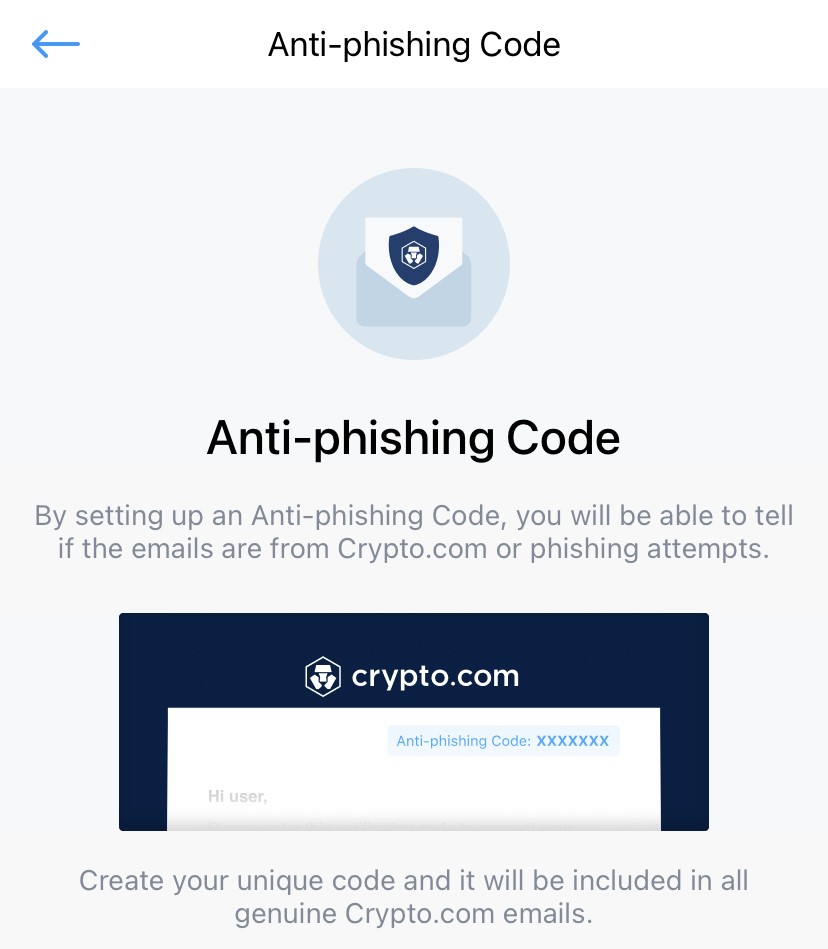
Nykyään on alkanut tulemaan aidon näköisiä kalasteluviestejä sähköpostiin. Kannattaa maksimoida turvallisuus ja käydä määrittämässä Anti-phishing Code asetuksista, niin viesteistä näkee heti mitkä ovat aitoja ja mitkä eivät.
Näköjään melko uskottavan näköistä kalasteluyritystä tulee Metamaskin nimissä sähköpostitse…
Your MetaMask wallet wil be suspended!, KYC tekemättä ja Please keep in mind that our intention is to keep our customers safe and happy jne ja blaa blaa.
Joidenkin kryptosijoittajien joukossa kenties mielenrauhaa saattaa hiukan havahduttaa tuore verottajan ilmoitus että “virtuaalivaluuttapörssin tieto kulkee”.
Onneksi verokarhu on korrekti ja ilmoitus ajoittuu mukavasti siten, että ehtii vielä veroilmoituksessa asian vuodelta 2021 täsmentää “Jos korjaat ilmoitusta, määräpäivä on joko 10.5., 17.5. tai 24.5.2022.”
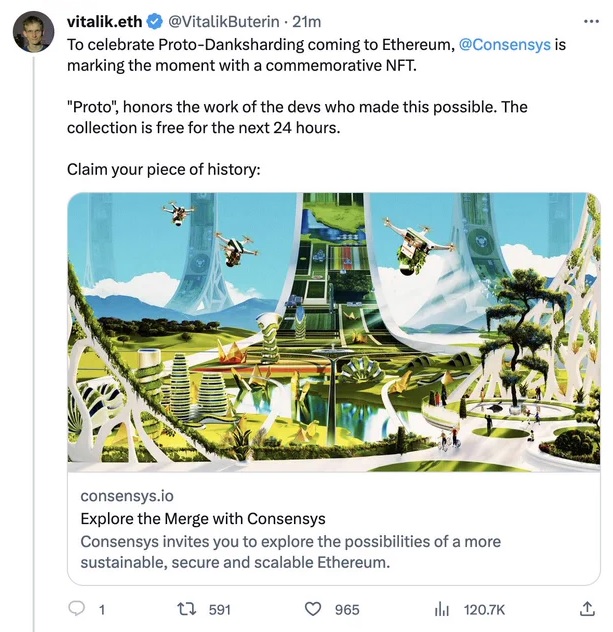
Ethereum founder Vitalik Buterin’s X (Twitter) account was hacked last night, and criminals exploited the account to promote an NFT scam. Unfortunately, many people lost their money again, as few likely believed that an account belonging to someone like Vitalik would ever feature scam posts. Losses are in the range of 700,000 dollars.
Below is an image of the tweet. Vitalik has now regained control of his account and the scam message has been deleted.
How does such a scam work in practice? Victims clicked the link in the X post and ended up on a site created by the scammers, where they granted a smart contract access to their wallet to receive an NFT. After this, the scammers emptied the victims’ wallets.
This is once again a good reminder of how careful you need to be in the crypto world. Similar scams occur constantly, especially on Telegram and Discord.
Since last summer, I have been added several times on WhatsApp to “investment groups” bearing the Binance name. The adding stopped after I restricted the group addition settings in WA to my contacts only.
For a long time, I wondered how on earth they managed to link my number and Binance membership. For now, I blame these third-party crypto tax services. My own stupidity; of course, I should have always remembered to read the terms when trying these out
Are there others here who “got into” these investment groups? Or perhaps even factual information on how one ends up as a group member—is Binance leaking?
Practically all my acquaintances have been added to various groups multiple times. The internet is full of Binance-related scams because it is by far the most well-known brand, so scammers love to exploit it. Those numbers can surely leak from many different sources. Trust Wallet, owned by Binance, is also a popular brand for wallet scams.
I also constantly get contacted on various social media channels, and my phone rings every now and then from who knows what area codes. Just block everything.
Nexo at least has leaked its customer registry at some point, somehow. I create accounts for all services using unique email addresses. The address I used for Nexo, which I have never shared anywhere else, receives phishing emails every now and then. Airdrops and other “free lunches” are offered, or they threaten to close my Binance account if I don’t click within 24 hours.
For nearly 30 minutes, the young scammer detailed his operations, from using Google Forums to impersonate Google employees, owning the username ‘Coinbase’ within the video game Minecraft, paying robodialers to pre-qualify leads, and purchasing leads from dark net vendors.
Apparently, a large email list of customers from crypto companies has been leaked to hackers, so you should be especially careful over the coming days and weeks. You might receive more scam emails than usual in your inbox. This is what CoinGecko’s Bobby Ong just posted on X:
PSA: There is an ongoing supply chain email breach attack happening with an email newsletter vendor right now. Several crypto companies may be affected via email blasts of fake token launches. Be careful with email newsletters in the coming days. We at CoinGecko may be potentially affected and are actively working with our vendor to investigate further to determine the extent of this breach. We have seen phishing CoinGecko emails being sent from other client accounts. There is no CoinGecko token being planned so don’t be duped by the phishing emails.
I ‘forgot’ to keep the phone for trade-in. I made sure all other systems were working, except for Trust Wallet, before resetting the phone. The key code hasn’t been written down anywhere, and cloud backup hasn’t been done, of course. These solutions somehow felt insecure. Maybe some recovery mechanism should be kept, even if it exposes one to theft.
You no longer need to be a crypto millionaire to fall victim to criminals; owners of crypto portfolios worth thousands or tens of thousands are now also targets if they make the mistake of boasting on social media from behind a pseudonym. The crime is not committed online; instead, passwords are extorted through threats of physical violence.
The security industry is reaping the rewards and, for a fee, removes information that the wealthy have shared about themselves on social media. Unfortunately, middle-class “crypto kings” cannot afford such security services.
“Wrench attacks” are on the rise: When owning cryptocurrencies becomes life-threatening - Institutional Money Institutional Money
Hopefully, the translation was captured in the link.