Kryptoissa tuntuu olevan enemmän mahdollisia turvallisuusuhkia kuin perinteisessä finanssitoiminnassa. Sijoitettu pääoma saattaa kadota bittiavaruuteen jo pelkästään väärään lohkoketjuun lähetettäessä. Mattoja vedetään alta, lompakkoihin lähetellään kalastelukolikoita jne.
Tähän ketjuun on tarkoitus kerätä keskitetysti neuvoja ja varoituksia, jotta kukaan ei menettäisi varojaan kömpelyyttään, tietämättömyyttään tai rikollisten toimesta. Volatiliteetti, arvonlasku ja muut “normaalit” riskit eivät kuulu tänne. Kaikenlainen muu jutustelu ja kommentointi olisi selkeyden vuoksi hyvä jättää muihin ketjuihin.
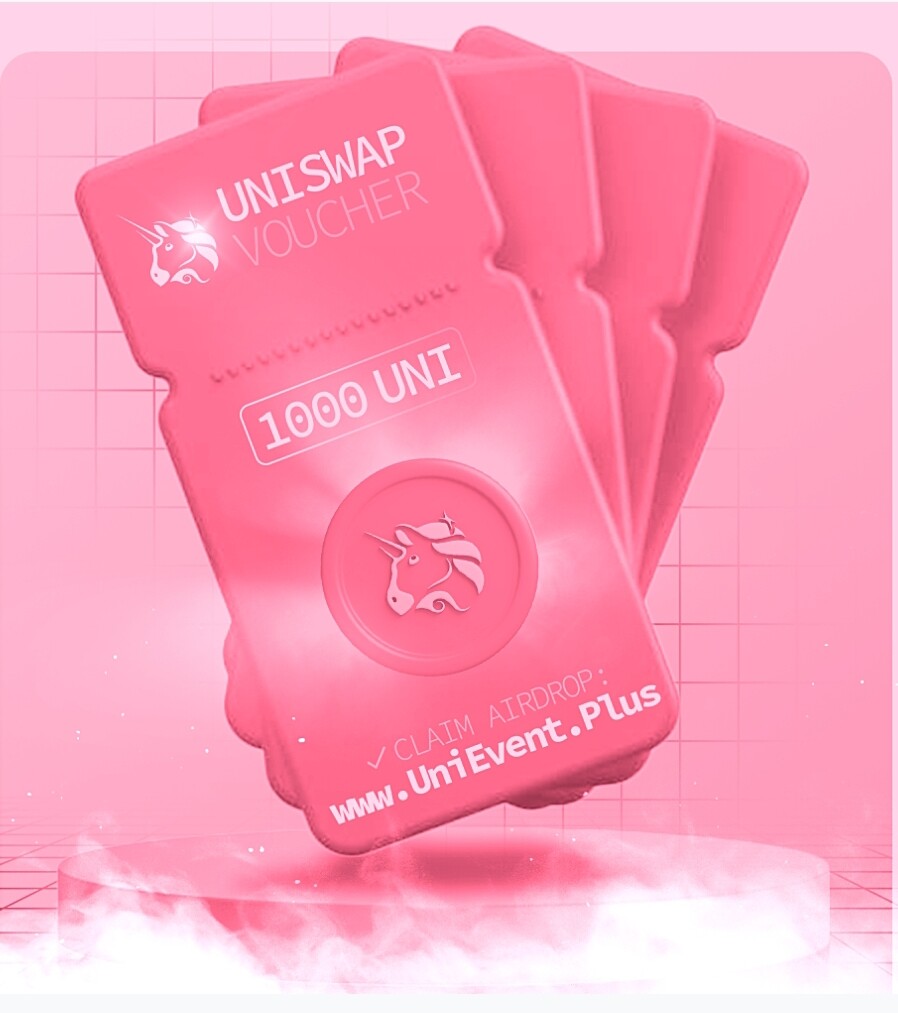
Kyseessä on siis yritys saada airdropin vastaanottaja kiinnostumaan, jotta tämä lähtisi selvittelemään, miten noi saa vaihdettua joksikin, jolla on likvidi arvo. Ystävällinen tuki jossain sitten yrittää asiaa “selvitellessää” udella lompakon palautusavaimia tai muuta arkaluontoista tietoa.
TLDR: Jos lompakkoosi ilmestyy outoja kolikoita, anna niiden vain olla. Älä paljasta internetissä aktiivisesti kyselemällä tai ihmettelemällä mitään, mikä liittää kyseiset kolikot juuri sinuun tai lompakkoosi.
Jos joku kysyy avaimia, niin älä kerro niitä ikinä (pätee myös pankkeihin.)
Älä käytä tuntemattomia alustoja tai lompakkoja (pätee myös normaalin rahan osalta.)
Katso ettet mene vahingossa väärään osoitteeseen Googlen kautta (pätee myös pankkeihin.)
Katso, että siirtoa tehdessä lompakon koodi menee oikein (pätee myös pankkeihin.)
Ajattele ja tutki asiaa ennen kuin toimit (…)
Hajauta toimintaa (…)
Pidä koneesi puhtaana (…)
Eipä tuo ole sen vaarallisempaa, kun asiaan suhtautuu sillä vakavuudella millä pankkiasiointiinkin pitää suhtautua. Tietysti jos kyse on pelkästä harrastamisesta, niin ehkä vakavuus voi olla alempaa, mutta sitten on oltava valmis siihen, että se lompsa saattaa olla huomenna tyhjä. Toki kryptomarkkinoita tarjoavat alustat eivät ole yhtä luotettavia kuin pankit, joten suhtautuisin myös varauksella varojen makuuttamiseen ko. palveluntarjoajilla. Joidenkin kryptojen siirto maksaa aika paljon (jopa kymppejä), niin siirtoja ei välttämättä halua tehdä, mutta kannattaa makuuttaa valuuttaa lähinnä omassa lompsassa, jonka avaimet eivät ole muiden tiedossa.
Erityisesti nostaisin vielä esille useampivaiheisen tunnistautumisen (esim. käyttäjätunnus/salasana + lisätunniste) käyttöönottoa KAIKISSA palveluissa, joissa se vain on mahdollista.
Mikäli kryptoissaon kiinni itselle huomattava summa tai muuten turvallisuus epäilyttää, niin kanattaa hommata hardwarewallet. Esim. Ledger. Siinä vahvistetaan siirto ulkoiselta vempeleeltä, ledger toimii esim metamaskin kanssa.
En aio enempää esitellä aihetta, googlettamalla/youtubesta aiheesta paremmin tietoa ja eri vaihtoehdoista.
Juuri näin.
Lisäksi 2fa tunnistukseen ehdottomasti tikku tai autentikointisofta (Authy, Google…). Pelkkä email ja/tai sms ei riitä. Noita kaapataan jatkuvasti.
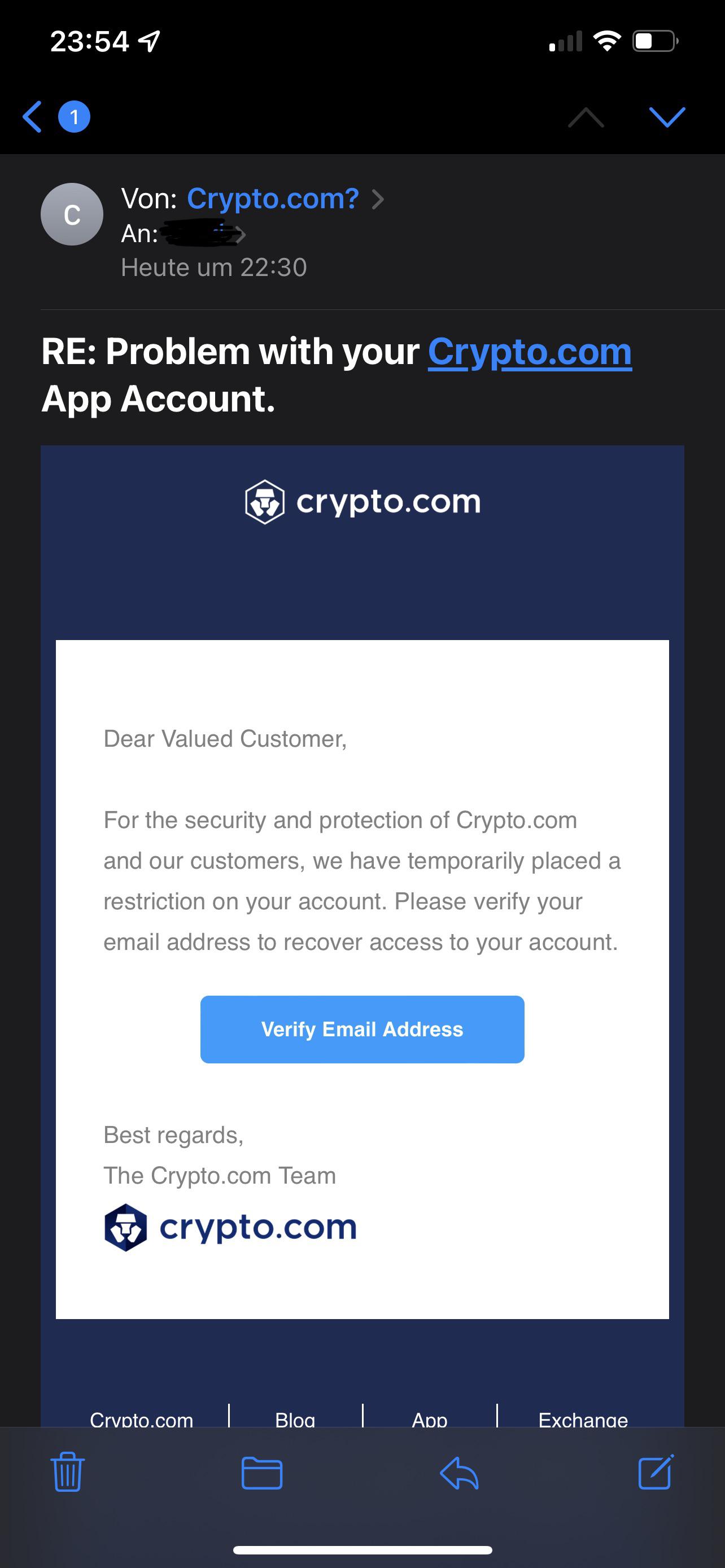
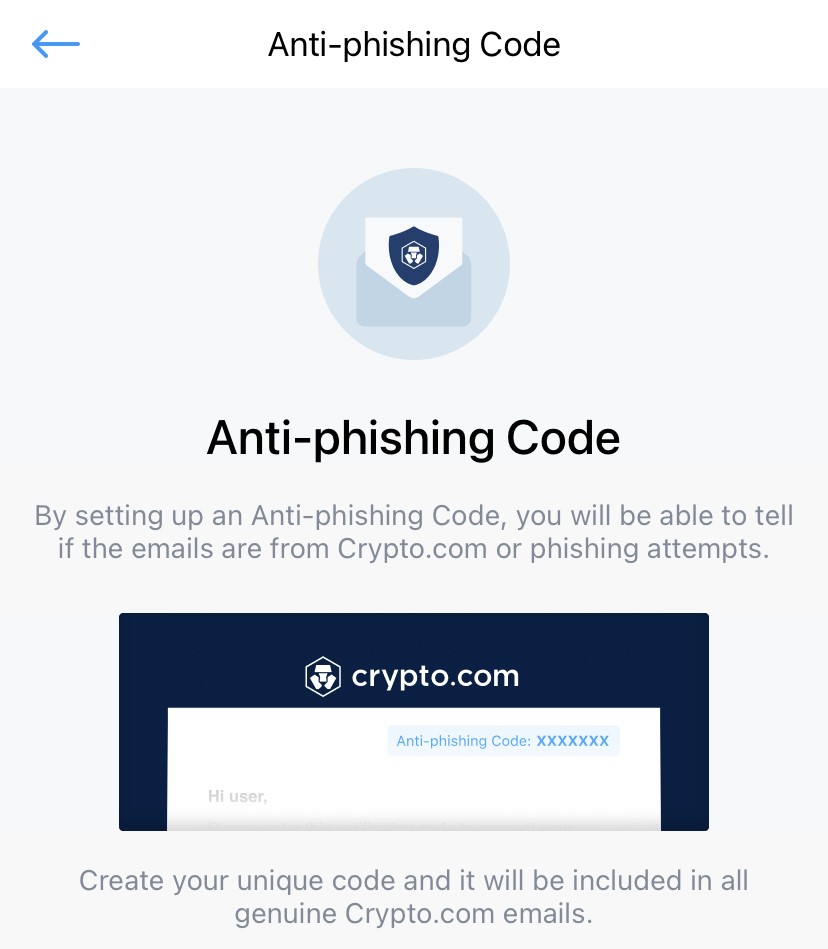
Nykyään on alkanut tulemaan aidon näköisiä kalasteluviestejä sähköpostiin. Kannattaa maksimoida turvallisuus ja käydä määrittämässä Anti-phishing Code asetuksista, niin viesteistä näkee heti mitkä ovat aitoja ja mitkä eivät.
Näköjään melko uskottavan näköistä kalasteluyritystä tulee Metamaskin nimissä sähköpostitse…
Your MetaMask wallet wil be suspended!, KYC tekemättä ja Please keep in mind that our intention is to keep our customers safe and happy jne ja blaa blaa.
Joidenkin kryptosijoittajien joukossa kenties mielenrauhaa saattaa hiukan havahduttaa tuore verottajan ilmoitus että “virtuaalivaluuttapörssin tieto kulkee”.
Onneksi verokarhu on korrekti ja ilmoitus ajoittuu mukavasti siten, että ehtii vielä veroilmoituksessa asian vuodelta 2021 täsmentää “Jos korjaat ilmoitusta, määräpäivä on joko 10.5., 17.5. tai 24.5.2022.”
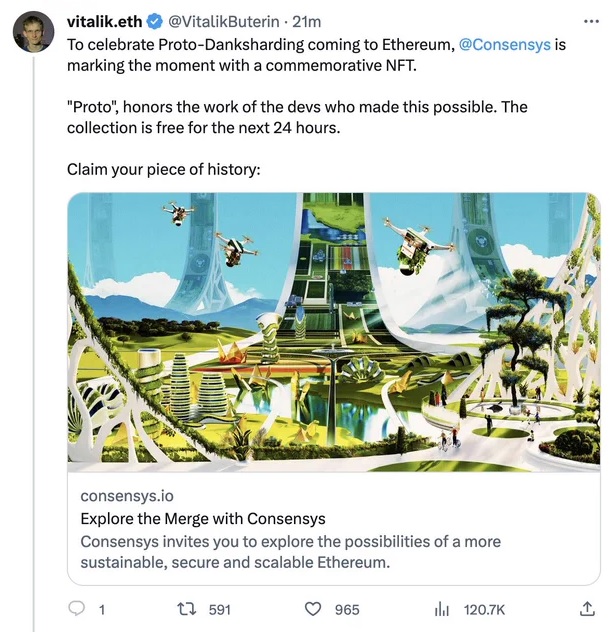
Ethereum-perustaja Vitalik Buterinin X (Twitter)-tili hakkeroitiin viime yönä, ja rikolliset hyödynsivät tiliä NFT-scammin promoamiseen. Valitettavan moni menetti taas rahansa, koska harva varmasti uskoi, että Vitalikin kaltaisen henkilön tilillä voisi olla koskaan mitään scammipostauksia. Tappiot luokkaa 700.000 dollaria.
Alla kuva twiitistä. Nyt Vitalik on saanut tilinsä hallintaan ja scammiviesti on poistettu.
Miten tällainen scammi toimii käytännössä? Uhrit klikkasivat X-postauksessa olevaa linkkiä ja päätyivät huijareiden luomalle sivulle, jossa antoivat älysopimukselle yhteyden omaan lompakkoonsa saadakseen NFT:n. Tämän jälkeen huijarit sitten tyhjensivät uhrien lompakot.
Tämä on taas hyvä muistutus siitä, miten varovainen kryptojen maailmassa pitää olla. Vastaavia scammeja tapahtuu jatkuvasti etenkin Telegramin ja Discordin puolella.
Viime kesästä alkaen minut lisättiin useamman kerran whatsapissa binancen nimeä kantaviin ”sijoitusryhmiin”. Sittemmin lisäily loppui kun rajoitin wa:n asetuksissa tuota ryhmiin lisäämistä vain omiin kontakteihin.
Pitkään mietin mistä ihmeestä ovat osanneet yhdistää numeroni ja binancen jäsenyyden. Toistaiseksi syytän näitä ulkopuolisia kryptovero-palveluita. Omaa tyhmyyttä, tietty näitä kokeillessa olisi aina pitänyt muistaa lukea ehdot
Onko täällä muitakin sijoitusryhmiin ”päässeitä”? Tai peräti faktatietoa siitä miten ryhmän jäseneksi voi joutua, vuotaako binance?
Käytännössä kaikki omat tutut on lisätty moneen kertaan eri ryhmiin. Netti on täynnä Binanceen liittyviä scammeja, koska se on ylivoimaisesti tunnetuin brändi, joten huijarit tykkäävät hyödyntää sitä. Noi numerot voi vuotaa varmasti monista eri lähteistä. Myös Binancen omistama Trust Wallet on taas suosittu brändi lompakkohuijauksissa.
Mulle tulee myös eri somekanavissa jatkuvasti yhteydenottoja ja puhelin pirisee aina välillä ties mistä suuntanumeroista. Blokkia vaan kaikkeen.
Nexo ainakin on vuotanut asiakasrekisterinsä jossain vaiheessa jotenkin. Teen kaikkiin palveluihin tunnukset omilla sähköpostiosoitteilla. Nexoon käyttämääni osoitteeseen, jota en ole siis koskaan ilmoittanut minnekään muualle, tulee aina silloin tällöin phishing-postia. Airdroppeja yms ilmaisia lounaita tarjotaan tai Binance-tili uhataan lakkauttaa, jos en klikkaa 24h sisällä.
Lähes 30 minuutin ajan nuori huijari kuvaili toimintaansa yksityiskohtaisesti: Google-foorumien käyttämisestä Googlen työntekijöiden esittämiseen, käyttäjätunnuksen ”Coinbase” omistamisesta Minecraft-videopelissä, automaattisoittajille maksamisesta liidien esikarsinnasta ja liidien ostamisesta pimeän verkon myyjiltä.
Ilmeisesti iso e-mail lista kryptoskenen yhtiöiden asiakkaista on vuotanut hakkereille, joten kannattaa olla lähipäivinä ja -viikkoina erityisen varovainen. Inboxiin voi tulla normaalia enemmän scammimaileja. Näin Coingeckon Bobby Ong postasi X:ään äsken:
PSA: There is an ongoing supply chain email breach attack happening with an email newsletter vendor right now. Several crypto companies may be affected via email blasts of fake token launches. Be careful with email newsletters in the coming days. We at CoinGecko may be potentially affected and are actively working with our vendor to investigate further to determine the extent of this breach. We have seen phishing CoinGecko emails being sent from other client accounts. There is no CoinGecko token being planned so don’t be duped by the phishing emails.
Kävi “unohdus” pitää puhelimen vaihdossa. Varmistin kaikkien muiden järjestelmien toimivuuden, paitsi trustwalletin, ennen puhelimen nollausta. Avainkoodia ei ole kirjoitettu mihinkään eikä pilvivarmennusta ole tietenkään tehty. Jotenkin tuntunut turvattomilta ratkaisuilta. Ehkä jokin palautusmekanismi kannattaa pitää vaikka se altistaa varkauksille
Enää ei tarvitse olla kryptomiljonääri, jotta joutuu kriminaalien uhriksi, vaan myös tonnien tai kymppitonnien kryptosalkkujen omistajat ovat uusia kohteita, jos erehtyvät nimimerkin takaa leveilemään somessa. Rikosta ei toteuteta verkossa, vaan salasana kiristetään uhkaamalla fyysisellä vakivallalla.
Turvallisuusala kiittää ja poistaa maksua vastaan rikkaiden someen itsestään antamia tietoja. Valitettavasti keskiluokan kryptokeisareilla ei tällaiseen turvallisuuspalveluun ole varaa.
“Jakoavainhyökkäykset” ovat lisääntymässä: Kun kryptovaluuttojen omistamisesta tulee hengenvaarallista - Institutional Money Institutional Money