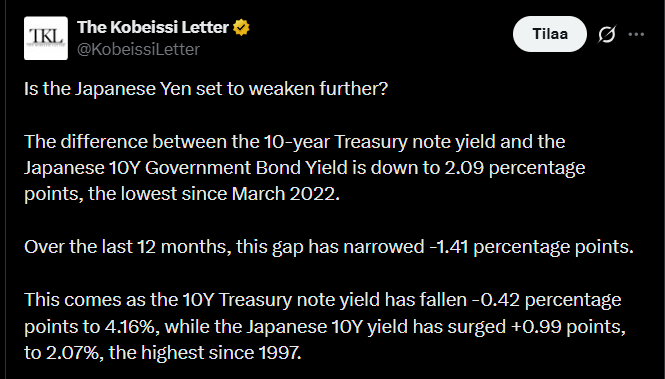
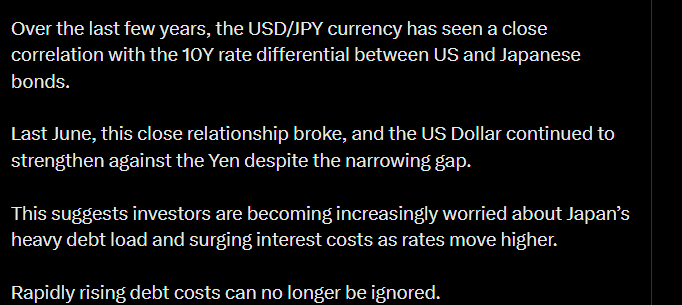
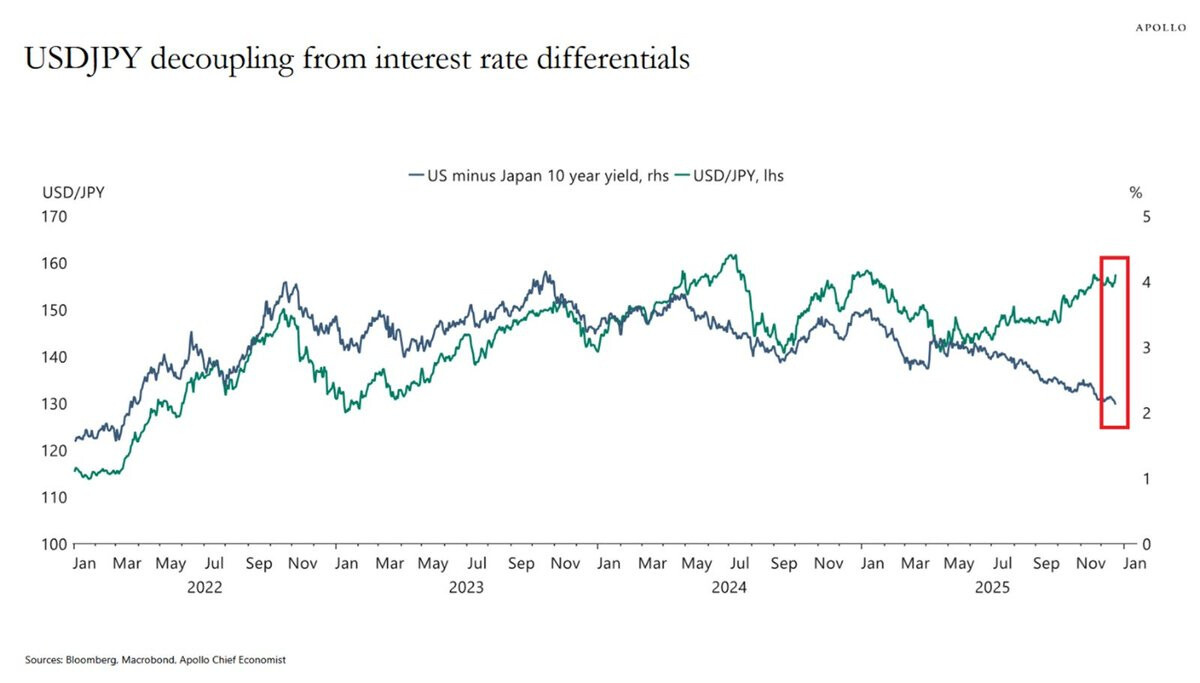
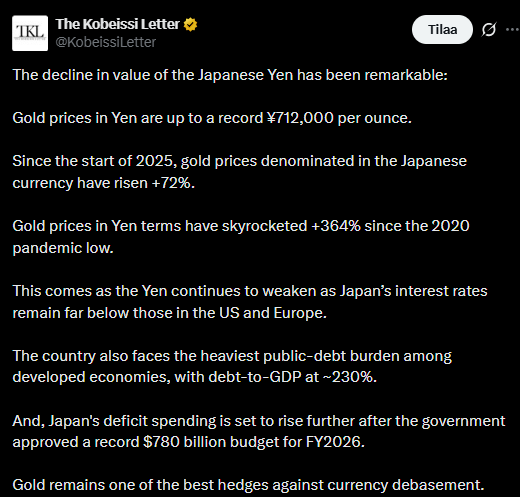
Japanin jenin heikkeneminen saattaapi jatkua alla olevan tviitin mukaan
Yhdysvaltain ja Japanin 10 vuoden korkoero on supistunut 2,09 prosenttiyksikköön (alin sitten vuoden 2022 maaliskuun), koska USA:n korko on laskenut ja Japanin noussut 1997 huipujen tasolle. Silti kuitenkin dollari vahvistui, mikä viittaa velka- ja korkokustannushuoliin Japaniin liittyen.
Alla olevassa artikkelissa ilmaistaan, että maailma on myllerryksessä, koska USA:n ja Kiinan välinen kilpailu murentaa vapaakauppaa. Keynes mainittu, koska hän ennusti jo sata vuotta sitten elintason huiman nousun, nykyhetkeä varjostavat suurvaltojen itsekkyydet ja sisäiset ongelmat.
Japanin on tässä välissä kuulemma hyödynnettävä vahvuuksiaan, kuten teknologiaosaamista ja turvallisuuspuolta. Maan on oltava USA:lle korvaamaton kumppani, mutta samalla se on tiivistettävä yhteistyötä myös muiden demokratioiden kanssa ja luotava oma, itsenäinen selviytymisstrategiansa tulevaisuutta ajatellen.
IMF:n ennusteiden mukaan Japani on putoamassa tänä vuonna maailman viidenneksi suurimman talouden paikalta, koska Intia menee ohi.
Kehitystä selittävät artikkelin mukaan heikko jeni ja vaimea kasvu. Hallitus hakee kasvua investoinneilla, mutta toisaalta väestön ikääntyminen ja heikko tuottavuus painavat, kuten tässä ketjussakin on mainittu.
Inflaatiota kiihdyttävät kalliimmat “tuonnit” ja tietysti kauppakiistat, lisäksi nykyiset Kiina-suhteet voivat heikentää vientiä ja myös turismia.
Japanin keskuspankin pääjohtaja Kazuo Ueda sanoi, että ohjauskorkoa nostetaan lisää, mikäli palkat, kasvu ja inflaatio etenevät ennusteiden mukaisesti. Talous on pääjohtajan mukaan kestävä ja palkat sekä hinnat nousevat maltillisesti.
BOJ kokoontuu 22.–23.1. ja päivittää silloin ennusteet, mikä vaikuttanee sitten millaisia päätöksiä tehdään. No jenin heikkeneminen jatkuu ja lisää ainakin inflaatiopaineita.
Kiina on kieltänyt siviili- ja sotilaskäyttöön soveltuvien tuotteiden viennin Japaniin, mitä Japanin pitää täysin hyväksymättömänä. Kiista kärjistyi pääministeri Sanae Takaichin Taiwan-kommenteista, joita sitten Kiina tietysti vaatii perumaan. Rajoitukset voivat laajentua mm. kriittisiin harvinaisiin maametalleihin, mikä uhkaa erityisesti Japanin auto- ja teknologiateollisuutta.
Mahdollinen vientikielto voisi maksaa Japanin taloudelle miljardeja euroja Markkinat ovat kuitenkin reagoineet uutiseen vain varovaisen negatiivisesti - toistaiseksi.
Japanin palveluala kasvoi joulukuussa, mutta kuitenkin aiempaa hitaammin; Services PMI laski 51,6:een (marras 53,2)
Uudet tilaukset ja kysyntä vahvistuivat vaimeasti, lisäksi ulkomainen kysyntä kääntyi niukkaan nousuun. Työllisyys kasvoi ripeästi, kustannuspaineet kiihtyivät ja yritykset nostivat hintoja.
The broader S&P Global Japan Composite PMI Output Index, which includes both manufacturing and services, fell to 51.1 in December from 52.0 in November, indicating the slowest growth in seven months. Manufacturing production stabilized after a five-month period of decline.
Alla on linkki uutiseen, jossa kerrotaan, miten Japani tiivistää yhteistyötään G7-maiden ja myös Etelä-Korean kanssa vastatakseen Kiinan kiristyviin vientirajoituksiin.
Kiina on rajoittanut kriittisten harvinaisten maametallien toimituksia, mikä luonnollisesti viivästyttää teollisuuden tuotantoa. Japani pyrkii vahvistamaan taloudellista turvallisuuttaan ja liittolaissuhteitaan tilanteessa, jossa jännitteet Aasian suurvaltojen välillä kasvavat erityisesti Taiwanin ja kauppapolitiikan vuoksi.
The impact of China’s latest move is still unclear, but existing export controls have already lengthened the time required to procure rare-earth magnets, said Hiroshi Yamada, president of Tokyo-based Sanshin Kinzoku Kogyo, which manufactures and sells magnetic equipment. Neodymium magnets in particular have been affected, with procurement lead times growing to three to four months, instead of the usual one to two, he said.
Japanin jeni on heikentynyt rajusti, koska maan korot ovat matalat ja maa on pahasti velkaantunut.
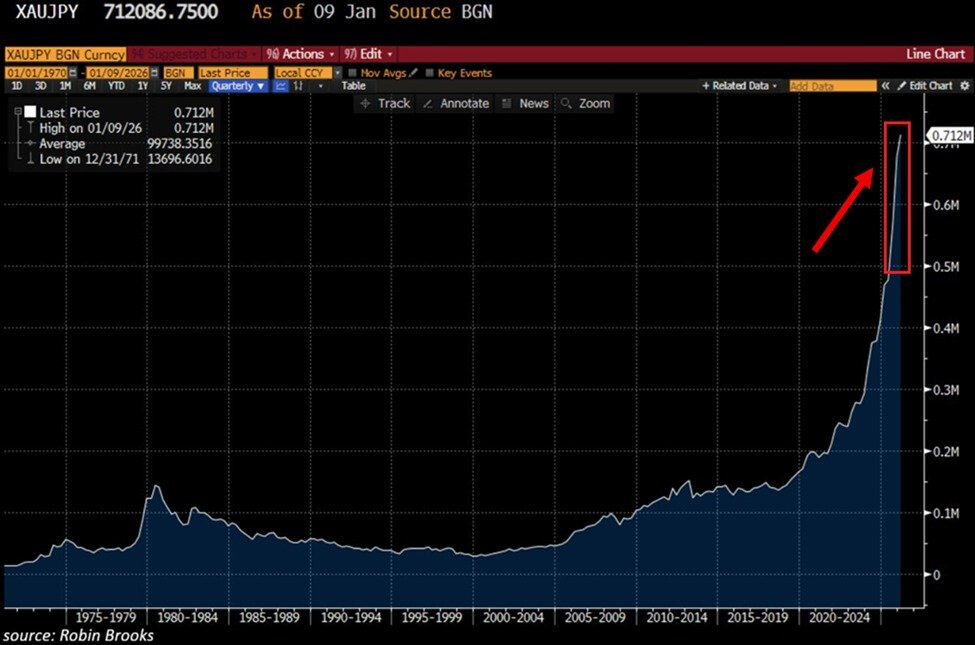
No tästä syystä kullan hinta jeneissä on noussut ennätyskorkealle ja siten moninkertaistunut muutamassa vuodessa. Kultaa pidetäänkin nyt turvallisena suojana, kun sitten taas jeni menettää jatkuvasti arvoaan muuhun maailmaan verrattuna.
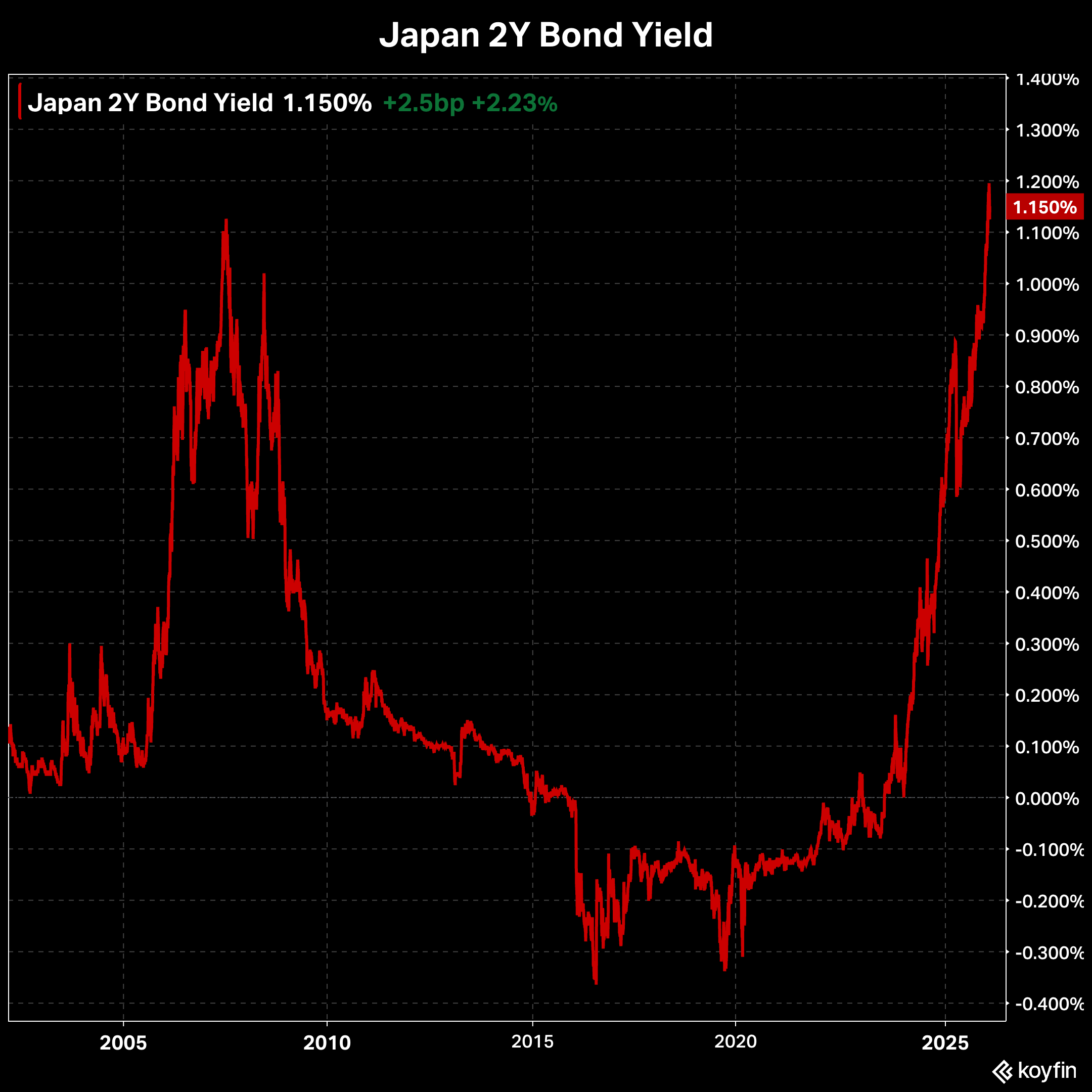
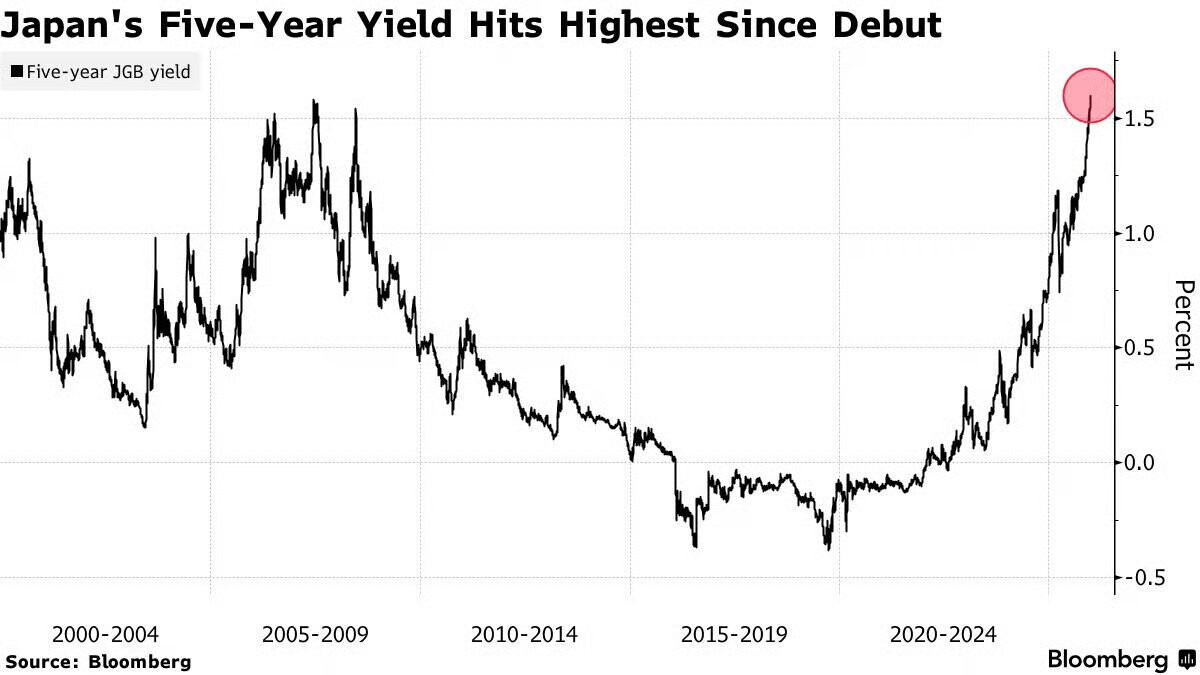
Japanin valtionlainojen korot ovat nousseet ennätyskorkealle.
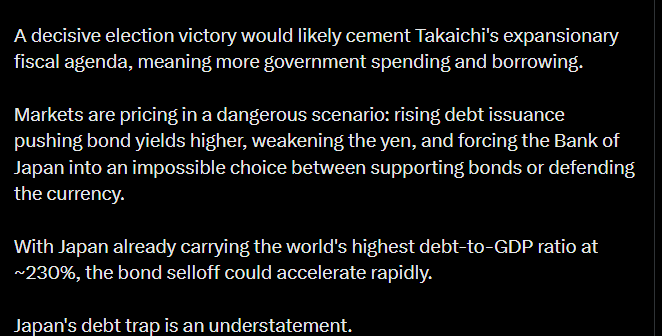
Markkinat pelkäävät pääministeri Takaichin elvyttävän talouspolitiikan kasvattavan jättimäistä velkataakkaa entisestään. Ja tämä ajaa keskuspankin vaikeaan valintaan valuutan puolustamisen ja korkotason hallinnan välillä, mikä horjuttaa sitten taas tviitin mukaan taloutta.
Japanese government bond yields are surging across the curve, with the 5-year yield jumping to 1.62%, the highest since its debut in 2000.
Linkin takana löytyvässä jutussa kerrotaan, että jeni lähestyy vuoden 2024 pohjalukemiaan, koska markkinat vaativat sijoittajille korkeampaa “hyvitystä” Japanin kasvavista velkariskeistä.
Keskuspankin keinotekoisen alhaiset korot heikentävät valuuttaa jatkuvasti, mutta toisaalta niiden nostaminen uhkaa aiheuttaa vakavan finanssikriisin maan valtavan velkamäärän takia. Perinteisten ja tehottomien valuuttainterventioiden sijaan Japanin tulisi kirjoituksen mukaan myydä omaisuuttaan velan vähentämiseksi. Tämä toimenpide kuulemma keventäisi jeniin kohdistuvaa jatkuvaa painetta ja mahdollistaisi korkotason välttämättömän korjausliikkeen.
Japan’s net debt stands at 130 percent of GDP versus gross debt around 240 percent. Much of this is illiquid and can’t be sold at short notice. But even a gesture in this direction will make a big difference for the Yen. This is the way forward for Japan. Not official FX intervention, which will be just as ineffective as in the past.
Alla olevassa artikkelissa on vähän enemmänkin asiaa, mutta nostan siitä muutamat mielestäni olennaisimmat jutut. Japanin keskuspankin tuleva kokous on pitänyt markkinoita jännityksessä, vaikka yleisesti uskotaankin, että ohjauskoron odotetaan pysyvän ennallaan.
Viime kuun koronnosto korkeimmalle tasolle 30 vuoteen ei ole kuitenkaan pysäyttänyt jenin heikkenemistä ja sijoittajat hakevat merkkejä seuraavan noston ajoituksesta. Inflaatio on pysynyt yli tavoitteen jo useita vuosia, mikä sinällään jo yksistään lisää painetta kiristää rahapolitiikkaa.
Heikko jeni voi kiihdyttää hintojen nousua entisestään, lisäksi jutussa nostetaan esille, miten tilannetta hämmentää pääministerin mahdollinen ennenaikainen vaali, joka tietysti vaikeuttaa ja hidastaa asioiden etenemisestä sekä myös ennustettavuutta.
Japanin 40-vuotisen valtionvelkakirjan korko on noussut neljään prosenttiin sijoittajien myydessä velkakirjojaan.
Jutussa kerrotaan, että markkinoiden levottomuus johtuu pääministeri Takaichin ilmoituksesta hajottaa parlamentti ja järjestää ennenaikaiset vaalit jo ensi kuussa.
Markkinat pelkäävät hallituksen suunnittelemien veronkevennysten ja elvytystoimien heikentävän maan julkista taloutta entisestään, mitkä voisivat heikentää riskipreemiota.
Key Points
Japan’s 40-year government bond yields notched a record high on Tuesday.
The moves came a day after Prime Minister Sanae Takaichi announced a snap election on Feb. 8.
Analysts see a return of the “Takaichi trade,” not a systemic crisis.
Japanin valtionlainojen korot ovat nousseet rajusti, erityisesti 40 vuoden lainassa yli 4 prosenttiin.
Oxford Economicsin mielestä nousu oli liian nopea, joten alkuvuonna korot voivat ainakin hetkeksi tasaantua. Toisaalta silti he odottavat korkojen nousevan taas myöhemmin, koska Japanin talouspolitiikka on vielä vähän epäselvää ja keskuspankki (BOJ) reagoi hitaasti.
Ulkomaiset sijoittajat ovat myyneet lainoja voimakkaasti ja sitten taas japanilaiset sijoittajat karttavat niitä korkean heilunnan takia.
The latest leg higher in yields has been driven in large part by overseas bears. The surge “appears to have been primarily triggered by foreign investors actively adding short positions,” Oxford Economics said after Prime Minister Sanae Takaichi called snap elections and vowed to suspend the 8% consumption tax on food for two years. This pledge is “likely to undermine Japan’s already fragile fiscal position and inflation expectations," the strategists warned, leading markets to “overprice” the odds of a comprehensive victory for her ruling LDP.
Japanin keskuspankki piti ohjauskoron odotetusti 0,75 prosentissa, vaikka yksi johtokunnan jäsen olisi nostanut 0,25 prosenttiyksikköä.
BOJ nosti silti kasvu- ja inflaatioennusteitaan julkisen elvytyksen toivossa. Markkinoilla katse kääntyy Uedan linjauksiin esim. korkojen nousu nähdään edelleen todennäköisenä, mutta sen toteutusajankohdasta ei ole selvyyttä. Yen heikkeni hieman.
But questions over how Takaichi will fund her fiscal plans, especially in an economy already burdened by government debt, sparked a deep sell-off in Japanese bond markets through January.
This notion also weighed on the yen, with the Japanese currency weakening slightly after the BOJ decision.
Henri Huovinen on kirjoitellut Japanista ja mm. sen koroista & veloista.
Ohjauskorko nostettiin joulukuussa nykyiselle tasolle, joka on korkein kolmeenkymmeneen vuoteen. Japanin keskuspankki on nostanut ohjauskorkoa neljä kertaa nykyisessä syklissä – niistä ensimmäinen oli maaliskuussa 2024.
Tässä tilanteessa markkinoille toi helpotusta se, että BOJ:n keskuspankkiirit jatkoivat varovaista linjaa rahapolitiikan kiristämisessä ja säilyttivät myönteisen näkymän taloudesta.
Alaotsikot:
Japanin inflaatio hidastui joulukuussa
Vaalit heijastuvat Japanin valtionlainamarkkinoilla
Jussi Halme on tehnyt videon Japanin menosta ja meiningistä
Onko Japanin vuosikymmeniä jatkunut “erikoistila” vihdoin tulossa tiensä päähän – ja kulkeeko Suomi pelottavan samalla polulla?
Tässä videossa perkaan Japanin talouden mysteerin. Japani on elänyt vuosia nollakorkojen, valtavan velkavuoren ja keskuspankin elvytyksen varassa, mutta nyt järjestelmä rakoilee. Kun inflaatio palaa ja korot nousevat, Japanista on tullut hiljaisen taustatekijän sijaan globaaleja markkinoita heiluttava muuttuja.
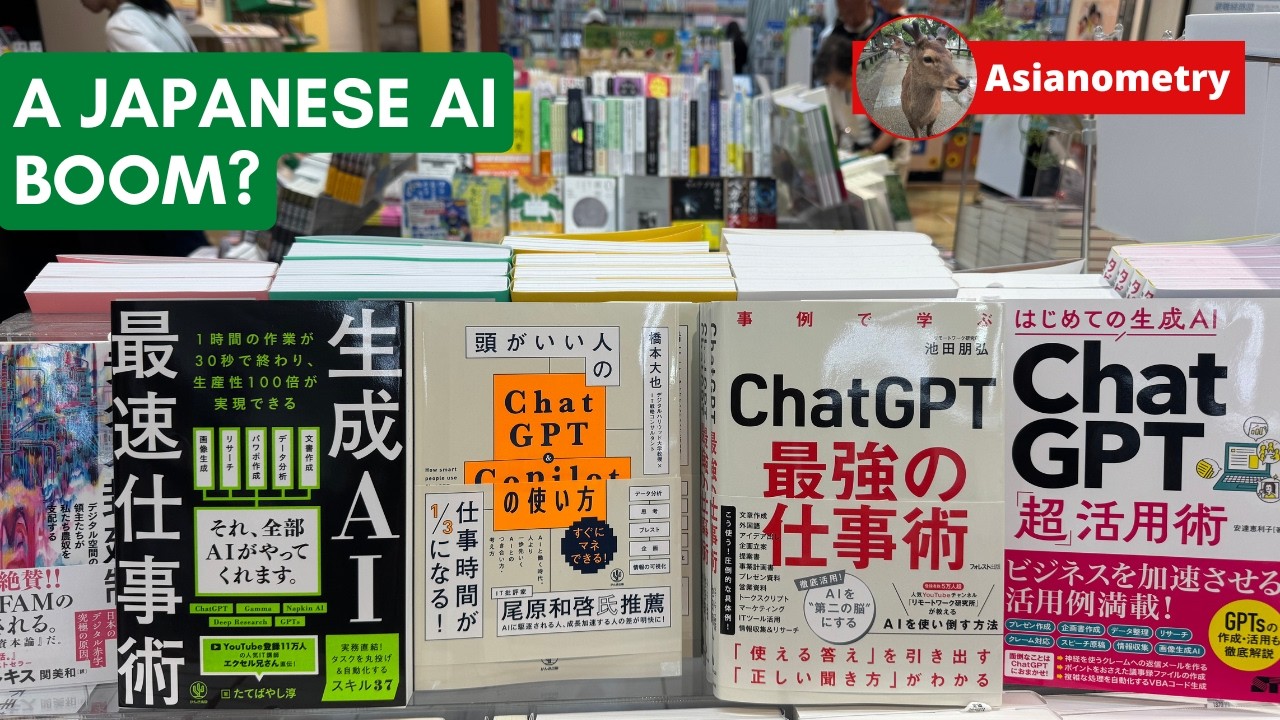
Asianometry pohtii Japanin AI-kenttää otsikolla “The Japanese AI Boom Needs a Little More Ambition”. Juttua sekä tekoälyn käytöstä yrityksissä ja julkishallinnossa että paikallisista AI-startupeista. 19 min.
Bank of America povaa Japanin pörssille kovaa nousua, mikäli LDP voittaa vaalit kirkkaasti.
Jutun mukaan parhaassa tapauksessa Nikkei-indeksi voi hypätä opa 60 000 pisteeseen (nyt 53 322,85). Nousua vauhdittavat mm. yritysten paraneva kannattavuusa palkkojen nousu.
Erityisesti tekoäly-, puolustus- ja rakennusalan osakkeet ovat juuri nyt strategien suosiossa.
BofA also plays down fears around higher interest rates, saying Japan has entered a “world with interest rates” alongside inflation. Akutsu characterizes the recent post-dissolution surge in yields as panic selling in Japanese government bonds and expects the rise to pause as the ruling coalition moves to pass an initial FY2026 budget and fiscal catalysts fade, with policy attention shifting toward growth strategies after the election.