They called, but said it wasn’t possible to order with that mileage. It gave a price of zero euros and only showed the price of the insurance. I didn’t start arguing, but I mainly just reported that there’s a small bug in the order form regarding that.
I’m replying here on the coffee room side.
Jussi Halme really makes good content. I like it a lot. Nice 10–15 min videos three times a week, and he speaks about things in a way that even I can understand.
A strong recommendation for his channel!
11 Likes
I’ve spent enough time browsing today that my knowledge of the UHT milk market in Bangladesh, Pakistan, India, etc., has grown significantly 
I’ve also been going through the company’s history a bit. There’s a compact article on it on Wikipedia as well.
Russia and China risks are already raising a blood-red warning flag.
Similarly, currency risks play a surprisingly large role in this drama.
It might be ‘uninvestable,’ but let’s see.
2 Likes
Often, these aren’t achievable without a fairly high risk, unless you have insider information or significant luck and exceptional insight and the patience to hold.
So, the forum still needs these threads:
- 100-baggers with medium/high risk
- how do I hold my future 100-bagger through 50-80% drops?
- discussion on the superiority of 100-bagger threads
- flagging discussion and post-mortems of 100-bagger threads
Go ahead and get started 
66 Likes
Since that main thread received several short, chat-like replies within a short period—which went somewhat against the desired style and ended up being flagged and deleted—I thought I’d test if there’s a demand for a more casual thread on the topic. Hopefully, this will help keep the main thread high-quality.
If not, I suppose this will just fade into oblivion or end up being deleted.
7 Likes
You’ve highlighted the core of the issue. Investing legend Seppo Saario stated on Karon Grilli: “If you want to become a millionaire, you must never sell.”
As an example, Saario brings up Revenio, which was a small company less than 15 years ago. There were 3,000 Finnish shareholders, and Finns owned 97% of the company. As is known, the company began a fairytale success with its tonometer (intraocular pressure monitor), and it became a leader in the field. At first, it was a conglomerate that then focused on tonometers, and the share price began to rise. As a result, hasty Finns began to sell. Many had a good foundation to become a millionaire with a small investment, but they went and sold off in their haste. Now, more than half of the ownership is abroad, and Saario bets that not many of the original 3,000 owners are left. [Free citation of Saario’s story, listen in full at https://www.youtube.com/watch?v=02ea74t308w ]
21 Likes
The dilemma here is that you’re only a millionaire on paper if you never sell. With Revenio’s 1.42% dividend yield, you aren’t exactly going to retire early and live a life of leisure, even if you happened to hit the jackpot with this pick and were a millionaire on paper.
Since even Saario is engaging in this kind of hindsight, of course, it would have been best to sell at a price of around €70.
15 Likes
I am strongly in favor of entrepreneurship and generally, I can say that almost all tax breaks are very welcome, provided they lower the barrier to entry for business ownership.
I myself have been a hardworking entrepreneur for 30 years. It’s only now, with the sale of the company approaching, that I’ve become aware of the following, somewhat questionable, tax maneuvering. In these cases, it’s not always a matter of operating in a gray area, but unfortunately, it often manifests as entrepreneurial greed and tax avoidance.
In connection with the sale of a company, it often pays to demerge the company, or this is often best done even before the sale. Shares owned by the entrepreneur can be transferred to another company owned by the same individual. Transfer tax (varainsiirtovero) is the only tax levied on the transfer. An unlisted holding company can thus withdraw all the profit tax-free, and no tax needs to be paid even on the resulting income. The 8% rule on lightened taxation of net assets doesn’t even sound like much anymore. Upon the actual sale, the holding company still pays no tax. This is convenient because an entrepreneur often doesn’t need all the capital immediately, so it can be withdrawn from the holding company gradually. In my opinion, all of the above is acceptable and, for its part, encourages starting a business.
What if the situation is exploited as follows? How many entrepreneurs would still find this acceptable?
A large labor hire company and its subsidiaries recently went bankrupt, leaving employees as creditors who missed out on supplements and bonuses—which aren’t even covered by pay guarantee (palkkaturva), the tax authorities, or the pension insurance company.
When the market was at its peak, dividends were paid to the holding company acting as the owner of the firms, practically well beyond their means. The owner of the holding company was, of course, the founder of the actual companies. The funds used for dividends could and should have been left in the company so that creditors could have received their due. Now everyone except the one responsible is left empty-handed. The holding company is still doing just fine.
23 Likes
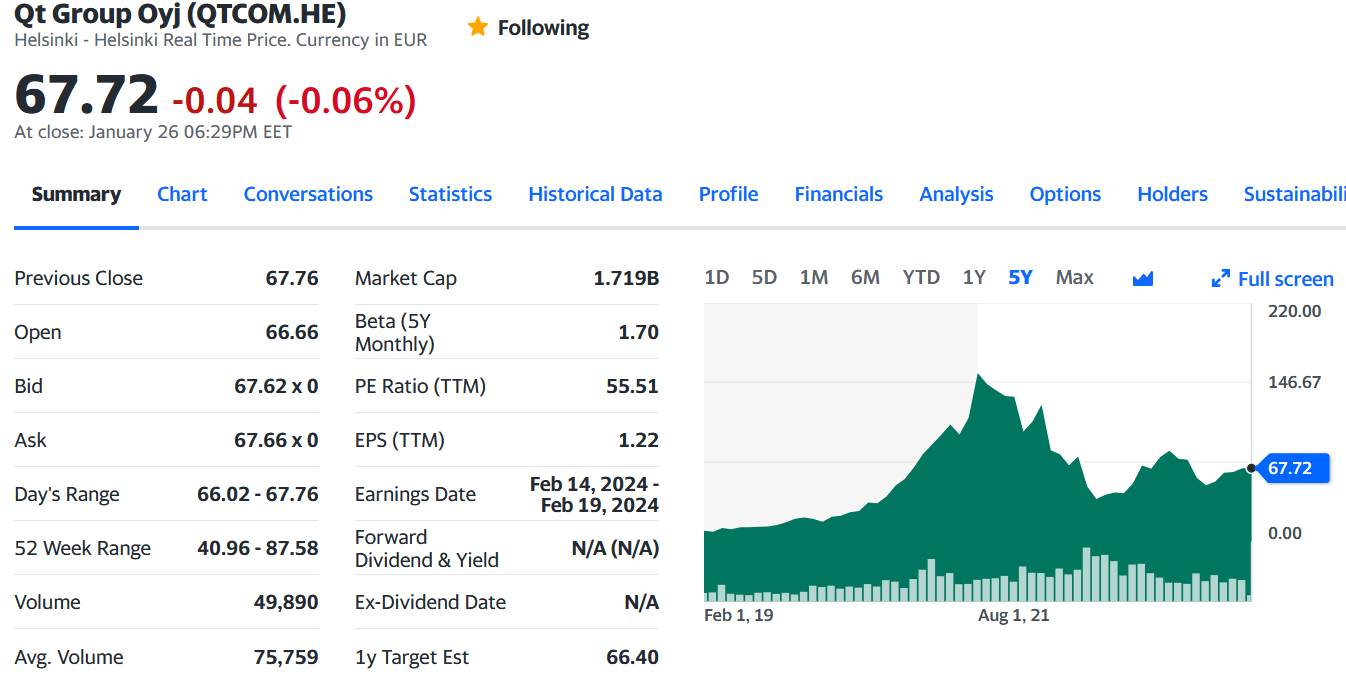
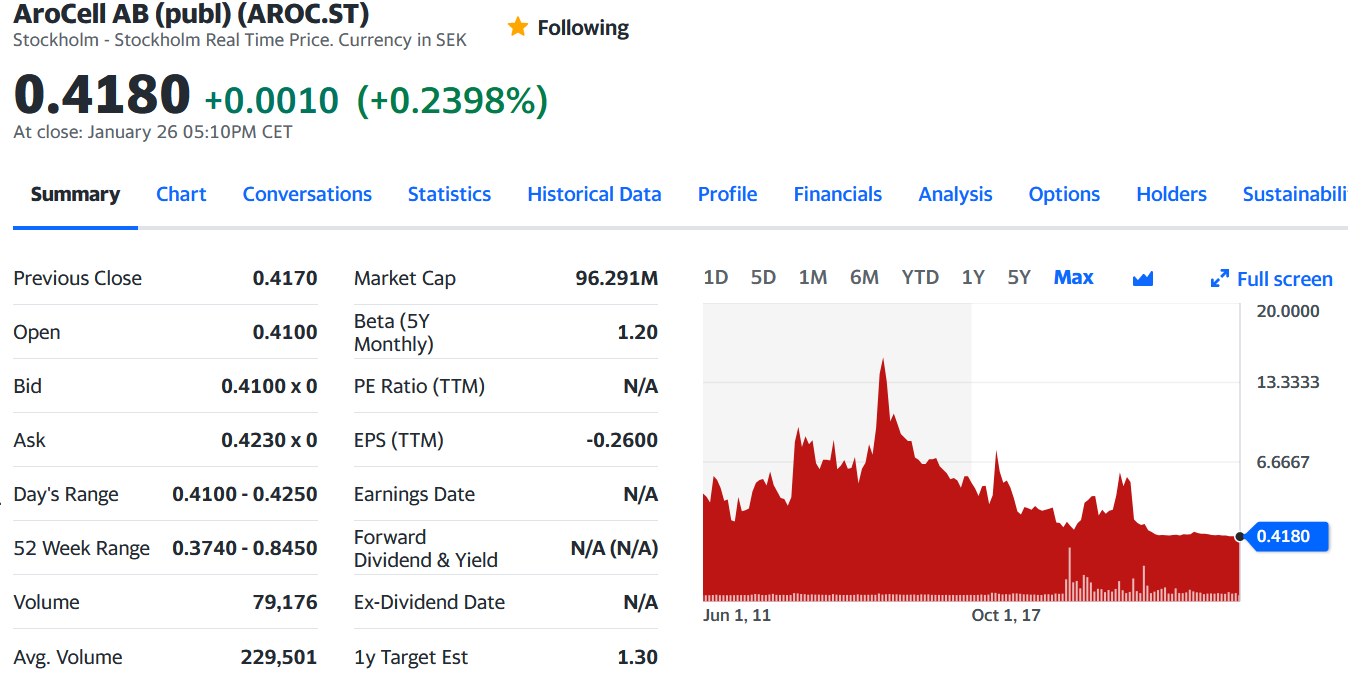
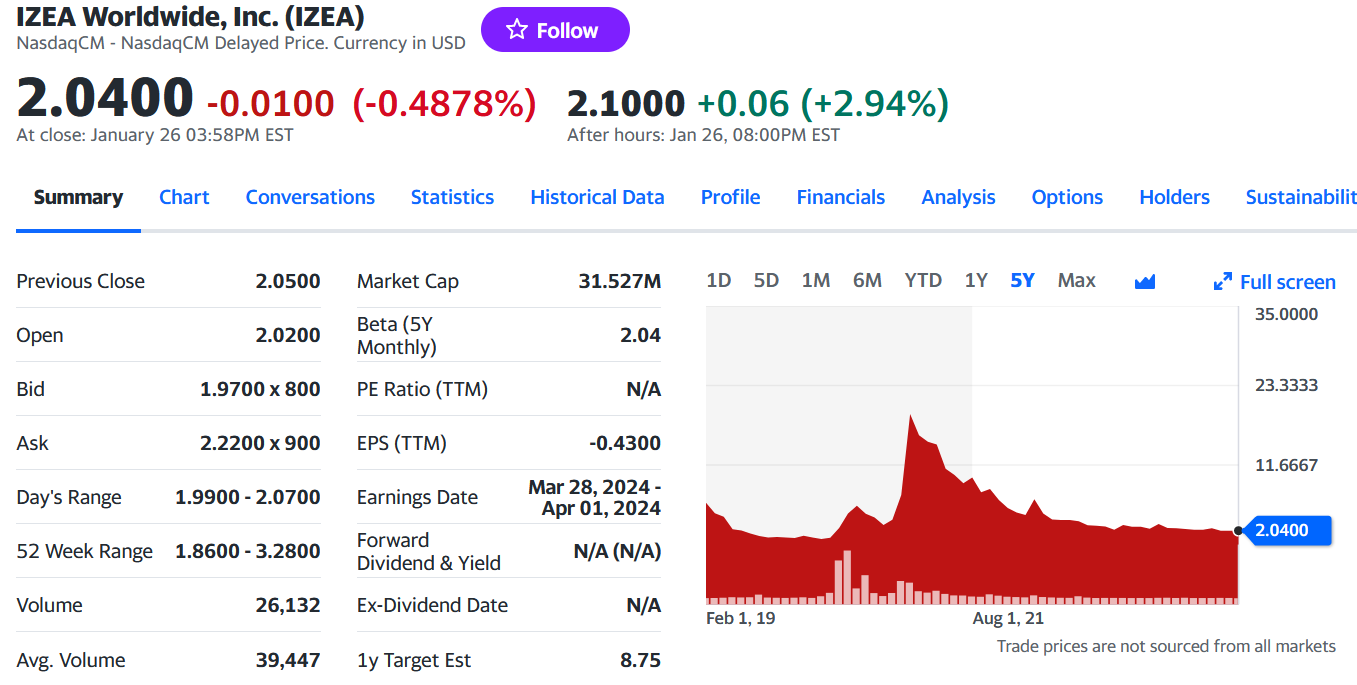
And of course, “When do I exit the hype before the hockey stick becomes a pyramid scheme?” 
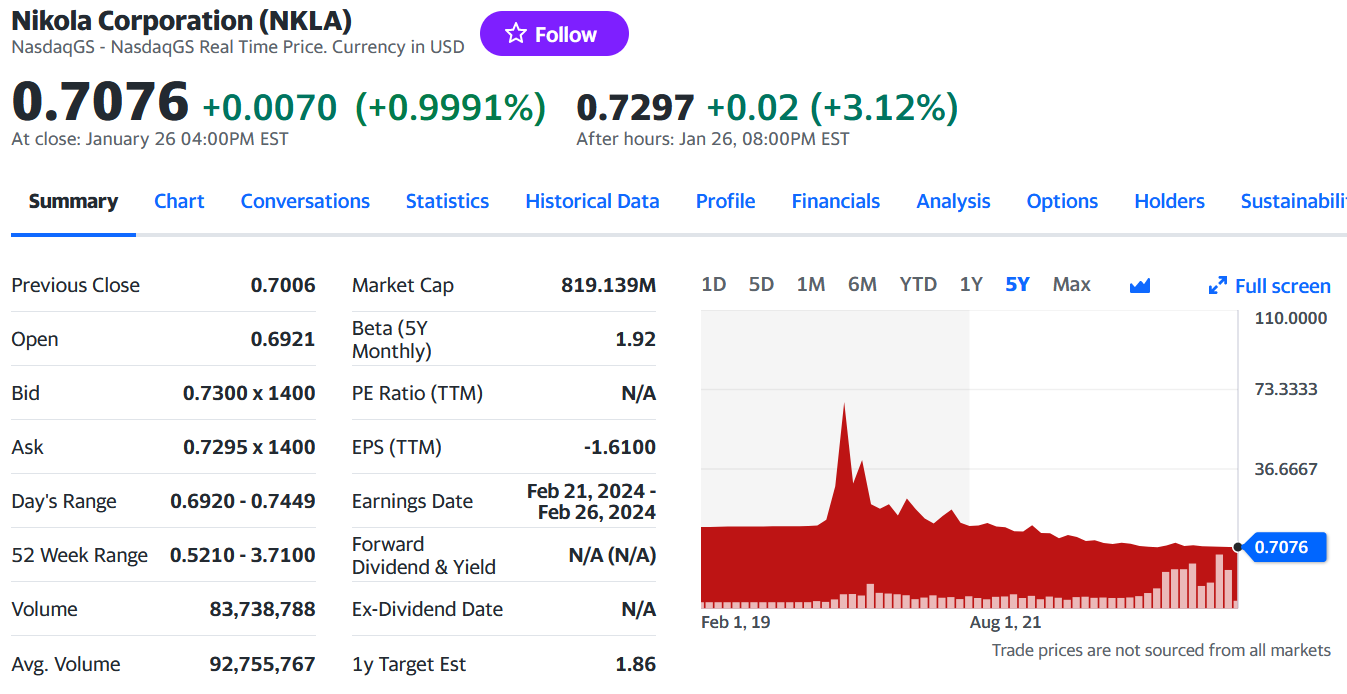
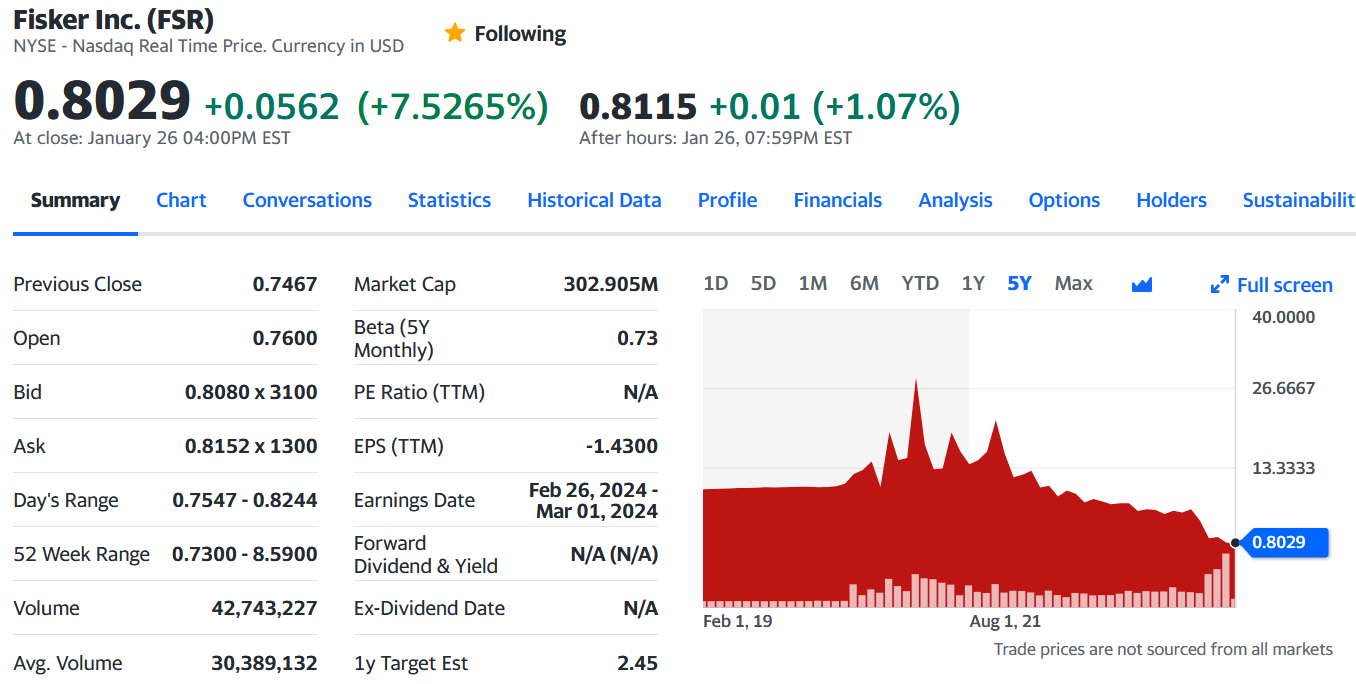
17 Likes
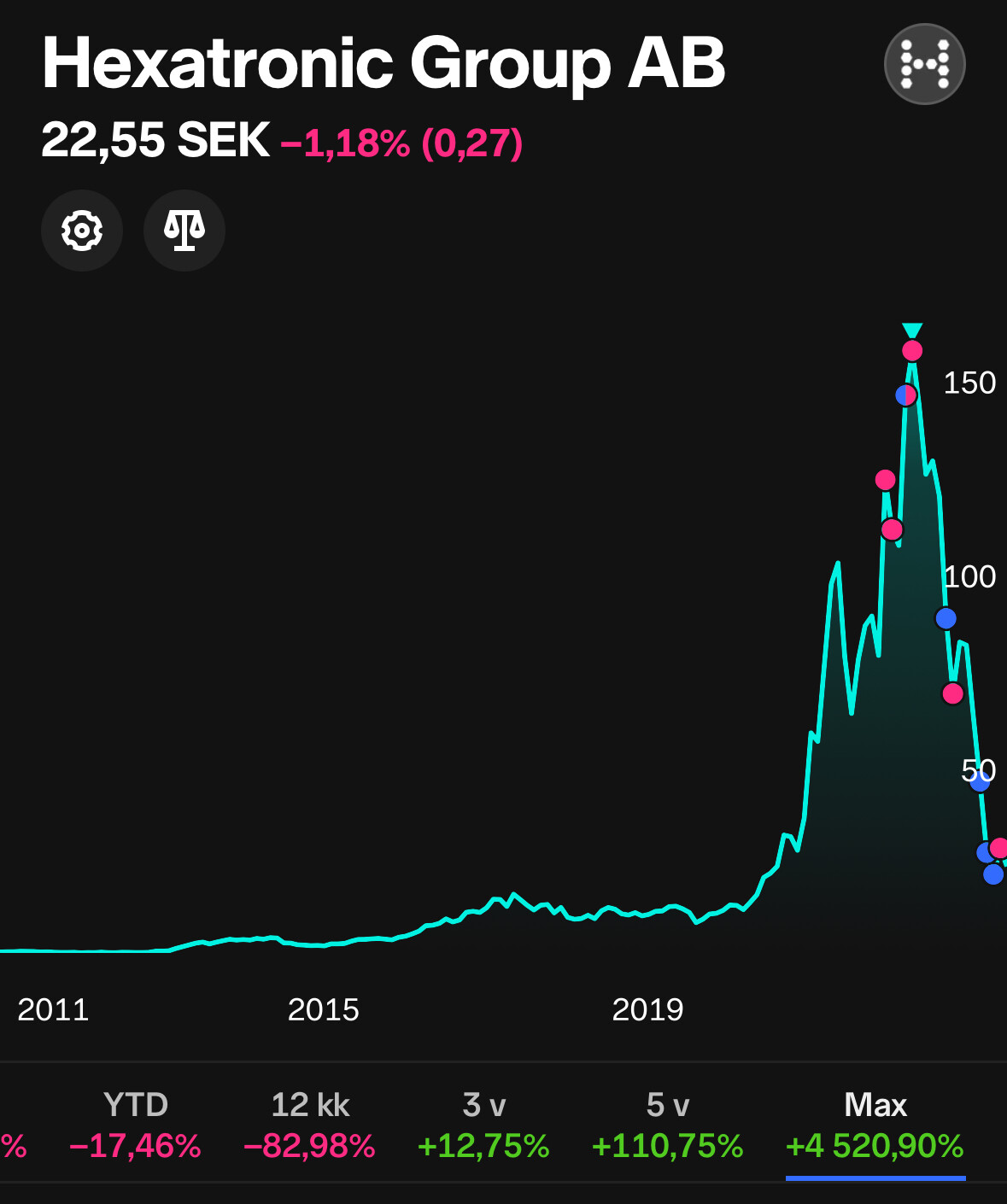
The Swedish miracle, a former 100-bagger, rose in ten years from 0.36 crowns to 166.50 crowns, meaning a 462.5-fold increase (12/2012–12/2022). Then it dropped all the way to 17.25 crowns, or nearly 90%.
I personally bought for the first time at a price of about 15–20 SEK, and if I had believed the one-liners of the dividend old-timers, I would now be practically at break-even, but since I managed to sell at the peak, I got a real ten-bagger out of this. I have diluted the profits with dip buys, but not significantly.
26 Likes
Can these holdings be transferred at their book value?
Or must an approved valuation be performed?
Where would be the best place to find information on this?
Here is a visual representation of 100-baggers. I have experience!
-
0-13s depicts the period from 2020 to Midsummer 2021. You could pick 100-baggers with your eyes closed. 100-baggers without risk
-
14-18s is the end of 2021. 100-baggers with medium/high risk
-
19-20 is the turn of the year 2021-2022. 100-baggers with extreme high risk
-
20 - 25s depicts the year 2022. How do I hold my future 100-bagger through 50-80% drops?
-
26 - 34s depicts the year 2023. 100-baggers with high risk
-
2024 This year is still ahead, but the past is no guarantee of the future! So, flagging discussion and post-mortems of 100-bagger threads

10 Likes
Book value is acceptable. A good auditor will help with the intricacies.
1 Like
I don’t know what you do, but if you have a good educational background and aren’t too old, there’s probably no need to worry too much about these things. This applies to everyone in the same situation, though of course, these things are experienced individually.
If you live in a small town with one big factory, don’t have much of an education, and you’re starting to get too old, then there’s reason to start stressing. Quite often, it’s pretty much game over at that stage.
4 Likes
Education: Bachelor’s degree (BBA) and 28 years old. I live in the Helsinki metropolitan area and have quite diverse work experience under my belt, so in reality, there’s no real reason to worry.
Those are undeniably harsh fates when uneducated people who have worked at the same factory their whole lives are laid off in a small town. I know of one case and, as far as I understand, they didn’t work again after that. Periods of unemployment will almost certainly happen to me at some point too, but that’s typical these days.
4 Likes
Is there a website or Twitter account that aggregates the most important dates, such as ECB/Fed meetings? Or what sources do forum members use to follow these?
2 Likes
Important economic events worldwide Calendar | Forex Factory
It’s worth opening the “Detail” section; you might get some free economic lessons in the process.
4 Likes
There, you can search by country or, for example, for EU-level events:


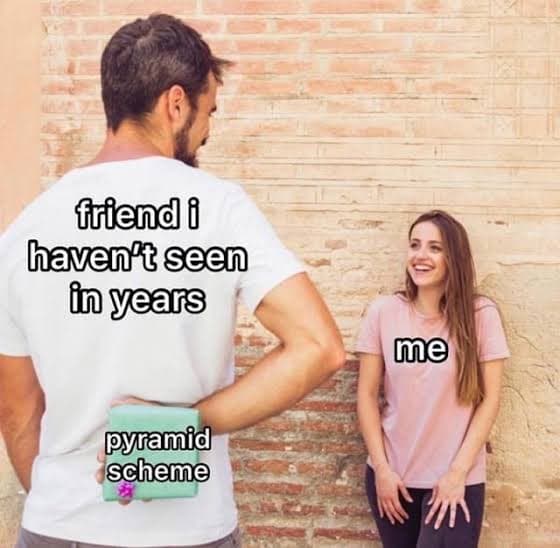
When someone talks about 100x returns with low risk, this is pretty much what comes to my mind:
128 Likes