" Inderes’ October sales highlight that the slowness in September was largely due to timing issues. The month saw sales increase by 13% after a 16% decline in September. We had expected 4%, and hence the performance in October suggests a good start to Q4, for which we have input sales growth of 2%."
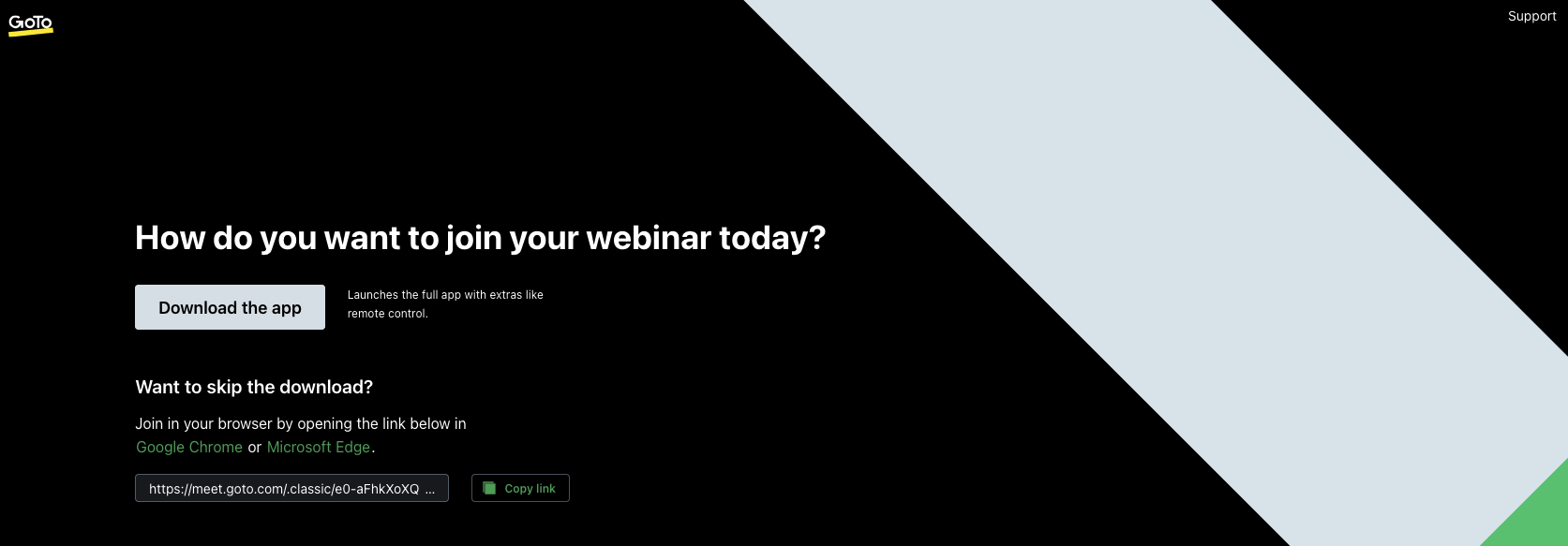
Keissi-esimerkki miten surkeaa kilpailijoiden toiminta on Pohjoismaiden tasolla. Yritin liittyä norjalaisen Panoro Energyn osariwebinaariin, mutta järjestäjä haluaa, että lataisin koneelleni jonkun oman sovelluksen tai sitten lataisin Chromen tai Edgen (kumpaakaan ei mäkiltä löydy). Näin ollen webinaari jää nyt sitten kokonaan katsomatta.
Syvä toiveeni olisi, että sinne Norjaankin palkattaisiin jossain kohti lisää henkilökuntaa, että saataisiin myytyä paremmat ratkaisut firmojen käyttöön
Inderes kutsuu osakesijoittamisesta kiinnostuneet opiskelijat Suomesta ja Ruotsista tekemään osakeanalyysiä Inderesin osakkeesta. Valintaprosessin läpäisevät joukkueet pääsevät tuottamaan kaikille sijoittajille avointa seurantaa vuoden ajan. Seurannasta maksetaan joukkueelle 10 000 euron palkkio. Haastattelussa ensimmäisen vuoden voittajatiimi Sami Tuuri ja Vilho Saarela.
Muutamia hajanaisia ajatuksia tästä, mitä olen miettinyt viime päivinä.
Foorumi ja TikTok ovat sen verran erilaisia alustoja, että on vaikea sanoa valuuko väki täältä varsinaisesti tiktokkiin. Enemmän foorumin viime vuosien rauhoittumisen uskoisin johtuvan “dynaamisesta” osakemarkkinasta, missä eritoten monien aktiiviosakepoimijoiden suosimat pientyhtiöt on rökitetty.
Tarve jakaa ajatuksia, onnistumisia ja sijoitusideoita kirjallisesti internetissä on vanha ilmiö ja tuskin heti liukenemassa pois, vaikka yhä suositumpaa on kuluttaa TikTokkia. Oli siitä alustasta mitä mieltä hyvänsä. Redditin voimakas kasvu kertoo siitä, että tarvetta aidolle ihmiskeskustelulle on edelleen olemassa.
Sijoituskästillä on tosi fiksu kulma talousmedian rakentamiseen, missä he ovat onnistuneetkin erinomaisesti.
Jos saisin maanantaina potkut Inderesiltä ja saisin kimmoikkeen rakentaa oman talousmedian, tekisin aikalailla samoja asioita: kutsuisin suosittuja hahmoja vierailemaan ja tekisin laajasti sisältöä eri ilmiöistä, mitkä kiinnostavat ihmisiä aidosti. Saadakseen kriittistä kuuntelumassaa Suomessa pitää käytännössä laajentua reilusti ulos sijoittamisen ja talouden saralta.
Internetsivujen sijaan painottaisin juuri noin läsnäoloa eri kanavilla ja tekisin sisältöä juuri noiden somekanavien ehdoin. Inderes on tässä asiassa vähän outo eläin somessa. Asiakkaat maksavat siitä, että heistä tehdään analyysiä ja jotain sisältöä. Toisaalta puhtaasti somen algoritmien kannalta ne eniten “niche” yhtiöt kerryttävät vähän, joskaan ei merkityksettömästi, katseluita. Somen tekeminen on siis samalla asiakaslupauksen toteutusta, ja toisaalta voi tehdä taas täysin someen optimoituja juttuja kuten Vartit, jotkut podit, jotkut analyytikkohaastikset kun ne on tehty viihdyttävästi ja syvällisesti jne. Toisaalta mietin tätä kuin Netflix, missä jokainen outokin sarja on kokonaisuudelle hyväksi koska moninaisesta käyttäjäkunnasta aina jotain kiinnostaa ne vähitenkin kiinnostavat osakkeet. Se ei ole keltään muulta pois.
Inderesille oma alusta on tärkeä asia, mutta samalla pyrimme aina olemaan siellä missä sijoittajatkin ovat. Tämä näkyy niin digitaalisessa maailmassa kuin siinä, että meiltä väki vierailee eri puolella Suomea ihan fyysisesti pitämässä esityksiä.
Somessa seuraajamäärä ei ole sanonut mitään vuosiin: kaikki somet toimivat täysin algoritmipohjaisesti. Legacymediat isoine seuraajamäärinen ovat alakynnessä. Toisaalta algoritmivetoinen maailma tarkoittaa, ettei kukaan jää varsinaisesti koskaan jälkeen. Oikeilla sisällöille voi omalla resiinalla saavuttaa nopeastikin hyviä tuloksia. Nettisivuton malli pitää rakentaa läsnäoloon monessa kanavassa algoritmien takia. Esim. Zuckerberg on FB:ssä tuhonnut monia sivuja algoritmimuutoksillaan ja niiden medialiiketoiminta on saattanut töksähtää yhdessä yössä.
Olen sijoituskästiläisten kanssa myös samaa mieltä, että perinteinen mainosrahaan nojaava media on tätä menoa pulassa tai ainakin otsa hikisenä, koska ne katselut on somessa (erityisesti TikTok/IG/Tube/Spotify) eikä välttämättä siellä median verkkosivuilla. Ja yhä vanhemmat käyttävät somea. Jossain vaiheessa mainostajat todnäk. laittavat lisäpaukkuja mainostaakseen Sijoituskästin ja vastaavien formaattien sisällä enemmän.
Inderesillä tuo olisi suorempi haaste, jos yhtiöt hylkäisivät Inderesin analyysin ja tilaisivat somenäkyvyyden vain Sijoituskästiltä. Käsittääkseni Valmet, Noho ja Aspo ja muutama muu ovat jo asiakkaina, joskin noista kaikki paitsi Valmet ovat myös Inderesin analyysiasiakkaita. Valmet on kylläkin Flikin webariasiakas sitten taas toisaalta. Onhan noiden lyhäreiden katseluluvut aivan eri tasoa TikTokissa, mitä meidän pidemmät pohdinnat niistä muualla somessa. Toisaalta kaikkea ei voi verrata keskenään, koska yhtiöiden näkyvyys tulee myös Inderesin alustan ja foorumin kautta. Tässä vaiheessa sanoisin, että asiakasnäkökulmasta Inderes ja Sijoituskästi täydentävät toisiaan hyvin. Ja analyysi ja somenäkyvyyskin ovat eri asia monella tapaa tietysti. Toisessa näyt myös pukuhenkilöiden boomeralustoilla, kuten Blummalla mikä on monille firmoille tärkeää pitäähän sitä näkyä kansainvälisille instikoille!
Ja minun mielestä meidän pitäisi tehdä omista asiakkaista vastaavia lyhäreitä sen lisäksi (tai jopa sen sijaan), että analyytikko hokee 50x kertaa “niinku” ja “öö” tubehaastattelussa ja päälle vähän EV/EBITDAa. Tässä on jatkuva kehittymisen paikka. Lyhytvideoista voi olla montaa mieltä, mutta ne pakottavat tiivistämään fiksusti oleellisen. Siinä Inderesillä on valtavasti petrattavaa. On ollut aina, ja näin on aina oleva.
Toisaalta meidän malli nojaa useiden henkilöbrändien kasvattamiseen ja asiaosaamisen esiintuomiseen, minkä hintana on väkisin vuosien harjoittelu pois “niikuniikusta”. Tämä on hitaampi tie, mutta tämä on myös tie missä Inderesillä on ainutlaatuisia henkilöbrändejä somessa eikä meidän tarvitse pyytää ulkopuolelta ihmisiä haasteluun sen takia, että saisimme katseluita. Voimme ja pyydämmekin tietysti asiantuntijoita keskustelemaan rikastamaan sisältöä.
Lisäys. Alkutekstistä saattaa syntyä kysymys, miksi Inderes ei sitten tähtää vain maksimaaliseen katselumäärään. Vastaan tähän, että Inderes ei ole “sillä tavalla” yleinen talousmedia, vaan tiukasti finanssimarkkinaan (pääasiassa osakkeisiin) keskittynyt asiantuntijamedia suurella sijoittajayhteisöllä.
Mieluummin pieni ja erinomainen kuin suuri ja keskinkertainen on Inderesin arvoissakin kirjattu.
Kun väki tulee Inderesin sivuille tai törmää meihin somessa, kaikki yhtiöt eivät välttämättä kaikkia kiinnosta, mutta tulija tasantarkkaa tietää että kaikki sisältö koskee sijoittamista. Inderes on myös asemoitunut enemmän syvempään päätyyn, koska täällä on tilaa uiskennella siinä missä pinnalla skaba ravinnosta on kova. Nämä ovat siis ihan tietoisia valintoja. Sen lisäksi Inderes ei ole vain yksisuuntainen kuuluttaja, vaan yhteisö puhuu täällä vapaasti yhtiöistä ja kaffehuoneessa paljosta muustakin. Näin moniäänistä sijoituspalvelua saa jo etsimällä etsiä!
Lisäys 2. Siirsin tämän viestin Kahvihuoneesta tänne talteen.
Kieltämättä itsellänikin heräsi sama kysymys välittömästi tuon kappaleen luettuani.
Itse olen myös ajatellut tätä asiaa ( jo aikaisemmin ääneen jossain täällä foorumilla ja toissa vuoden miitissä Vernerin kainalossa), että eikö tuollainen STNXmainen viihdyttävä lyhytvideoesittely voisi toimia erittäin hyvänä sisäänheittotuotteena herättämään kiinnostusta yhtiöön? Tämän jälkeen, sijoittaja voisi siirtyä muihin Inderesin tarjoamiin syvällisempiin materiaaleihin yhtiöstä. Tässä mielestäni olisi Inderesin tarjoama lisäarvo STNX:n palveluun verrattuna.
Tätä voi harrastaa myös kotona itse myös tekoälyllä. Pyytää sitä bottia laatimaan haluamastasi aiheesta tiivistelmä käyttäen enimmäkseen inderesin sivuilta löytyviä lähdemateriaaleja haluamallasi tyylilajilla. Pyytää sitten muuntamaan tuo luotu tekstin puhekieliseksi ja samplaa Vernerin äänestä näytteen käytettäväksi text-to-speech-mallille. Sen jälkeen kuuntelet lopputuloksen. Huomattavasti kätevämpi ratkaisu silloin, kun Inderesin ainoana tarjoaman vaihtoehtona olis katsoa joku 30 minuutin video aiheesta, joka ei sillä hetkellä maistu
No nyt ollaan ainakin analyysin riippumattomuuden kannalta jännän äärellä. Kovin paljon suoremmin ei asiakas enää voisi kertoa, että analyysi ei miellytä, koska tavoitehinta on liian matala. Kun sen yhdistää suorasukaisesti viestin alkuosaan, jossa kerrotaan että vastaavista syistä asiakkuus on ennenkin loppunut, tyyli on nähdäkseni jo tökerö tai vähintäänkin huonosti harkittu.
Jännä kommentti kyllä, kun muissa yhtiöissä on niin tiukka linja, että yhtiö EI kommentoi kurssia, se on suurin piirtein rikollista. Huvitti myös, että Inderesin osaamattomuutta ennustaa v. 2021 on todisteltu eroilla, jotka on desimaalipilkun väärällä puolella
Käydäänhän teillä uusasiakasmyynnissä läpi Inderesin pelikirjaa siltä osin, että analyysi on riippumatonta?
En ylipäätään ymmärrä miksi yrityksen johdon täytyisi ottaa mitään kantaa osakekurssiin. Heidän tehtävä on johtaa yritystä mahdollisimman hyvin omistaja-arvoa luoden ja yrityksen hinnoittelu voi elää pörssissä täysin yrityksen tekemisestä riippumattomasti. Olisin huolissani omistajana, jos yritykseni johto käyttäisi kahvipöytä keskusteluja enemmän aikaa ja aivokapasiteettia osakkeen arvostuksesta keskusteluun tai analyytikoiden näkemyksestä väittelyyn.
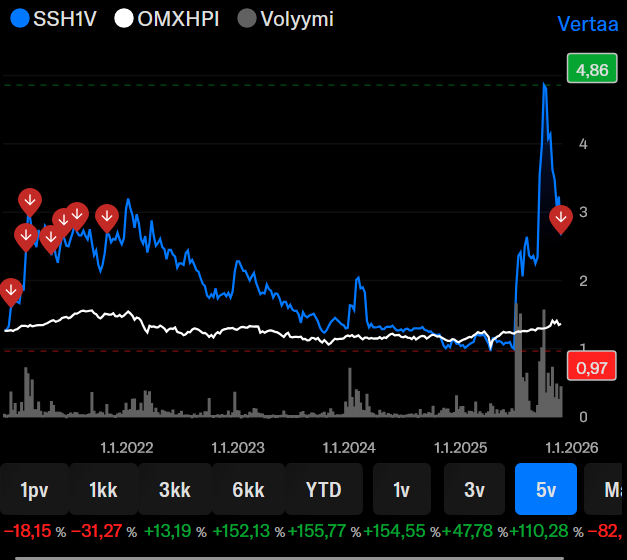
Itse itselleni vastaten, oli eilen paluulennolla lomalta, yömyöhällä aikaa kuunnella uudestaan valittuja paloja @Mikael_Rautanen ja Inderesistä kertovasta kirjasta eli markkina-arvo vuoden alussa 2019 oli vielä vaatimattomat 4,9 miljoonaa, 2020 alussa 9,2 miljoona(Flik hankittiin vuonna 2019) ja listautumisvuoden alussa ennen listautumista Mikael lukee sujuvasti markkina-arvoksi 80 miljoonaa, piti oikein kahdesti kuunnella eli joku ajatusvirhe lienee lukiessa tullut , osaakohan joku vastata, että oliko tarkoitus lukea 18 miljoonaa!? Lokakuun listautumisessa markkina-arvohan oli 25 euron hinnalla 43 miljoonaa, nykyinen kurssitaso 15,9 e vastaa 27,7 miljoonan markkina-arvoa. Oma ideani oli tässä edes hiukan hahmottaa, millä hinnalla vielä oli 2019 Inderesin henkilökunnalla mahdollisuus ostaa osakkeita.
Sellainen mielenkiintoinen huomio vielä kirjasta, että vuosina 2017-21 henkilöstön vaihtuvuus oli “lähellä nollaa”.
“Marraskuun liikevaihdon kasvu perustui tapahtumaliiketoiminnan projektiliikevaihdon vahvaan kasvuun. Erityisesti pääomamarkkinapäivien liikevaihto, sekä Suomessa että Ruotsissa, toimi tapahtumaliiketoiminnan kasvun veturina.”
Eli taulukon mukaan ilman pyöristyksiä oltaisiin liikevaihdossa sellainen puoli miljoonaa(500000) euroa edellä koko vuoden osalta, viime vuoden tilanteeseen verrattuna. Prosentteina siis 2,6%, tänä vuonna on ollut pari aika heikkoa kuukautta, mutta viimeiset kaksi kuukautta olleet solidia kasvua eli ainakin trendi näyttää hyvältä, mielestäni ihan hyvä suoritus, kun toimintaympäristö on sitä, mitä on. Joulukuun lukujahan saammekin sitten odottaa tilinpäätöstiedotteeseen 10.2.2026 asti. Lienee oikein laskelmani, korjataan, jos eivät🙂.
Hienoa että loppuvuoden liikevaihtotrendi on nousussa ja saadaan ehkä pientä kasvua aikaan liikevaihdossa viime vuoteen nähden. Minua arveluttaa kuitenkin, ettei viimeisimmät listautujat ole ainakaan toistaiseksi ryhtyneet yhtiöasiakkaiksi. Nokian panimo, cityvarasto tai framery (unohdinko jonkun?) ovat kukin tulleet listoille, mutta ilman analyysiä. Mistä tämä voisi johtua? Ainakin kuumina ipovuosina oli 20-21 järjestäen lähes kaikki ipot siirtyivät yhtiöasiakkaiksi mutta nyt on ollut hiljaisempaa. Tietysti taloustilanne on heikko edelleen ja kuluja mietitään tarkemmin yhtiöissä, mutta jos inderesillä on haasteita ruotsissa markkinalle pääsyssä ja suomessakin vähäiset listautujat eivät enimmässä määrin päädy yhtiöasiakkaiksi, niin mistä se kasvu syntyy jatkossa? Olisi mielenkiintoista tietää miksi nämä edellämainitut yhtiöt eivät ole ryhtyneet yhtiöasiakkaiksi, onko kyseessä tarkka kulukuri vai eikö analyysin tarjoamaa lisäarvoa nähdä enää yhtä houkuttelevana kuin ennen?
Tätä on tullut itsekkin ihmeteltyä. Tosiaan keväällä listautui Nokian Panimo ja GRK Infra. Näistä GRK valitsi Inderesin, kun taas Nokian Panimo valitsi Evlin analyysit.
Lokakuussa listautui Posti ja Cityvarasto, joulukuussa Framery. Näitä kolmea yhtiötä ei taida vielä kukaan seurata. Toki voivat vielä päätyä Inderesin seurantaan, koska ovat olleet vasta sen verran vähän aikaa listoilla.
Mutta, jos näistä yhtiöistä ei mikään tule Inderesin yhtiöasiakkaaksi, niin sitten olisi voitettu viidestä listautujasta ainoastaan yksi. Ja, jos sama tahti jatkuisi tulevaisuudessa uusien listautujien kohdalla, niin kovin hankalaa olisi raapia kasvua edes kotimarkkinoilta…
Frameryn uskon tulevan Inderesin seurantaan, Posti ja Cityvarasto näyttävät toistaiseksi epätodennäköisiltä. Eipä siinä, kaikkia ei voi voittaa.
Kysymys Mikaelin tuuraajille. Mifid2 aikoinaan unbundlasi osakeanalyysin ja kaupankäyntimaksut ja näin ilmeisesti teki tilaa Inderesin kaltaiselle toimijalle osakeanalyysissä. Viime vuosina (2021?) Mifid refitissä tuli kuitenkin voimaan SME-poikkeus, eli osakeanalyysin saa taas bundlata alle 1 mrd. market cap yrityksien osalta. Onko näillä lainsäädännön muutoksilla ollut vaikutusta Inderesin osakeanalyysiliiketoimintaan? Bundlataanko Suomessa ja Ruotsissa osakeanalyysiä kaupankäyntimaksujen kanssa SME yritysten osalta?


 Tämä on hitaampi tie, mutta tämä on myös tie missä Inderesillä on ainutlaatuisia henkilöbrändejä somessa eikä meidän tarvitse pyytää ulkopuolelta ihmisiä haasteluun sen takia, että saisimme katseluita. Voimme ja pyydämmekin tietysti asiantuntijoita keskustelemaan rikastamaan sisältöä.

 .
.