Hansa Biopharma - long-term

I dug into Hansa’s financing history a bit. I myself have also occasionally been puzzled by Hansa’s quite optimistic views on the cash runway. Now the situation is certainly better than ever, as product sales are finally starting to be at a level where they have a more significant impact on cash flow.

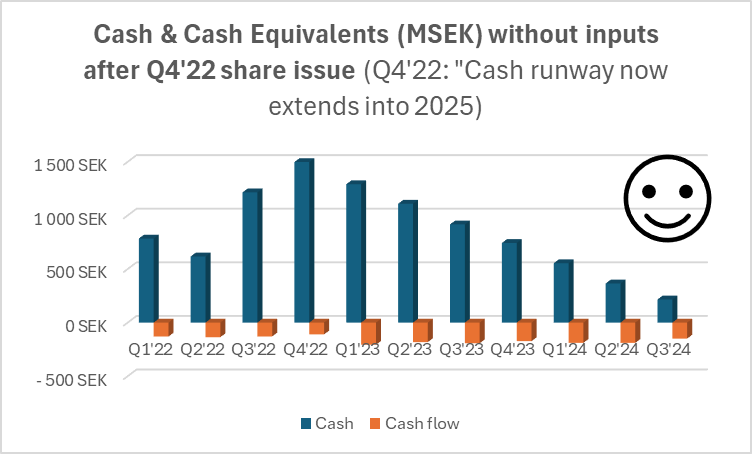
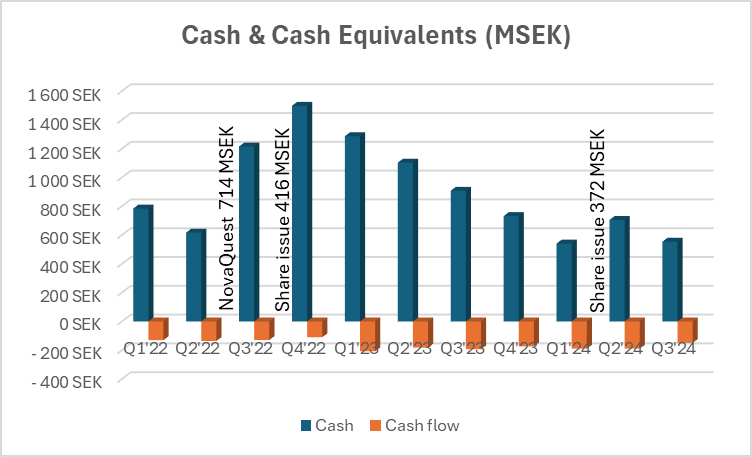
My own Excel shows that over the past few years, Hansa has proactively resorted to replenishing the cash through loans or directed issues whenever the cash has started to drain towards the 500 MSEK mark. By the way, we are there again at the moment.

image

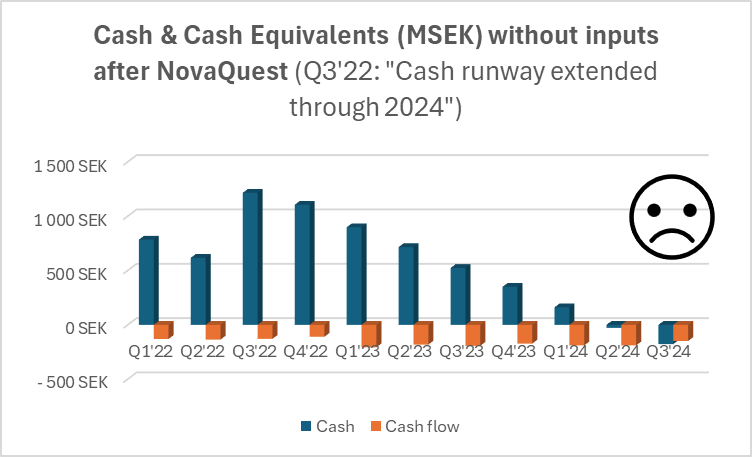
So, how accurate has Hansa’s estimate of the cash runway been? After the Q3’22 NovaQuest loan, it was estimated that the cash would last through the “trough” of 2024. In hindsight, this estimate was quite optimistic: without additional funding, the cash would have run dry as early as Q2’24. In the following chart, issues after the NovaQuest loan are omitted, but everything else remains as is.

image

However, Hansa didn’t wait for 2024, but carried out a directed share issue already in December 2022. The subsequent promise of the cash lasting until 2025 would have held up better than the previous one. Even if the Q2’24 issue was excluded, the cash would have lasted through 2024, assuming other assumptions remained the same.

image

Based on all this, I would estimate that we will hear financing news by the first half of '25 at the latest, although the cash flow will presumably continue to improve. Compared to, for example, the mentioned Faron (to which I also transferred some of the capital allocated to Hansa :slight_smile:), Hansa has been quite proactive in its financing arrangements, which is only a good thing. On the other hand, Faron’s emergency issue in the spring was carried out in a retail-investor-friendly way, but Hansa has focused on directed issues. The last one was, of course, at market price, for which the retail investor (tuulipuku) says thanks :pray:.

Lately, nothing has been heard about a possible US IPO. However, that is also one possibility. Perhaps renegotiating the NovaQuest loan could also be an option.

Nowadays, there is a bit less to get out of Hansa since Investor Relations Director Klaus Sindahl moved to Embla Medical. Presumably, he had to leave as part of the cost-saving program. Before that, in addition to quite active communication, he succeeded in gathering a particularly positive group of analysts for the company, which was also a deliberate part of Hansa’s strategy. An article linked by @investori has been written about this topic in the past. However, not all analysts are very well up to speed even on the basics, as Natalya Davies from Intron Health showed in the Q&A session of the latest conference call. She asked about the redosing of Imlifidase for the same patients and about AMR Phase 3. If she had followed Hansa at all, she would know that both are either absolutely or at least practically impossible. Otherwise, it was a fairly okay conference call, but nothing groundbreaking.

4 Likes

Hansa Biopharma announces positive full results from 15-HMedIdeS-09 Phase 2 study and comparative analysis of imlifidase in patients with Guillain-Barré Syndrome

Lund, Sweden, 17 December 2024. Hansa Biopharma, “Hansa” (Nasdaq Stockholm: HNSA), today announced positive full results from the 15-HMedIdeS-09 single arm Phase 2 study of imlifidase, a first in class IgG cleaving enzyme, in Guillain-Barré Syndrome (GBS) and an indirect treatment comparison of the 15-HMedIdeS-09 study data to the International Guillain-Barré Syndrome Outcome Study (IGOS), a worldwide prospective study by the Inflammatory Neuropathy Consortium on prognosis and biomarkers of GBS.

Data from the 15-HMedIdeS-09 study demonstrated that severe GBS patients treated with a single dose of imlifidase (0.25 mg/kg) plus intravenous immunoglobulin (IVIg) had rapid overall improvement in functional status including expedited recovery of muscle strength, fast return to independently walking, and a median time to independently walk (e.g., reaching Guillain-Barré Syndrome Disability Scale (GBS DS) 2 or less) by 16 days.

The indirect treatment comparison concluded that patients in the 15-HMedIdeS-09 study treated with imlifidase plus IVIg returned to independently walking 6 weeks sooner when compared to severe GBS patients in the IGOS real-world comparator group treated with IVIg. Additionally, patients in the 15-HMedIdeS-09 study experienced statistically significant improvement across several clinically meaningful measures at multiple time points as compared to the IGOS real-world comparator group including 6.4 times more likely at week 1, and 4.2 times more likely at week 4 to walk independently.

Hitto Kaufmann, Chief R&D Officer, Hansa Biopharma said, “Our Phase 2 study results and the indirect treatment comparison with IGOS are critically important. Together they demonstrate the significant role imlifidase may play in future treatment options for GBS patients. Unlike other molecules, imlifidase can effectively and very rapidly remove IgG through enzymatic cleavage - halting the progression of nerve damage associated with GBS and stopping disease progression. The main goal of improved GBS treatments is to stop nerve damage early, reducing the time of hospitalization and support patients in regaining independence sooner. These findings underscore the role pathogenic IgG plays in severity and progression of GBS, and the clear potential of imlifidase to address unmet need in IgG-driven autoimmune diseases where faster acting treatment options are needed.”

In GBS, IgG is a key driver of inflammatory attacks on peripheral nerves and has been clinically linked to the severity and progression of the disease. Rapid reduction of IgG levels has the potential to benefit GBS patients by depleting pathological IgG antibodies, thereby halting disease progression resulting in faster recovery and less severe disease.1 Improvement in GBS DS is important because it directly affects the clinical outcomes, recovery, and quality of life for patients. Better management of disease severity can help reduce the risk of life-threatening complications, shorten recovery time, prevent long-term disability, lower healthcare costs, and improve overall patient well-being.

Professor Shahram Attarian, Head of Department of Neuromuscular Diseases and ALS, Hopitaux Universitaires de Marseille (APHM), and International Coordinating Principal Investigator in the 15-HMedIdeS-09 Phase 2 study, said, “In the treatment of GBS and subsequent recovery process, early improvement and the ability to walk independently are important clinical milestones as they indicate a return to basic mobility and independence, and to an improved quality of life for patients. This analysis supports the potential role of imlifidase followed by standard of care IVIg as a potentially new treatment option in GBS. These are important results for patients and clinicians in the GBS community.”

Key Results: 15-HMedIdeS-09 Study

The 15-HMedIdeS-09 study included 30 adult patients who were treated with imlifidase plus IVIg. During the study, three patients were re-diagnosed, and the remaining 27 patients received a confirmatory diagnosis of severe GBS and were included in the efficacy analysis.

By the first week, 37% of patients in the 15-HMedIdeS-09 study were able to independently walk and the mean improvement in muscle strength was 10.7 points as assessed by Medical Research Council (MRC) sum score.

The median time to improve by at least one grade in the GBS DS was six days. By eight weeks, 67% of patients were able to walk independently, 40.7% of patients had regained the ability to run, and 37% of the patients had improved by at least three points in the GBS DS. Six months after imlifidase treatment, 63% of patients were able to run or had no functional disability (GBS DS ≤1). Administration of imlifidase was well tolerated in the study.

Key Results: Indirect Treatment Comparison of 15-HMedIdeS-09 Study with Real-World Comparator Group

When compared to the IGOS real-world comparator group (severe GBS patients treated with IVIg, n=754), patients in the 15-HMedIdeS-09 study (severe GBS patients treated with imlifidase in combination with IVIg, n=27) experienced significantly faster improvement in disability as measured by the GBS DS.

Patients in the 15-HMedIdeS-09 study improved by at least one step on the GBS DS, 3 weeks sooner (p=0.002) and returned to independently walking (GBS DS≤2) 6 weeks sooner versus patients in the IGOS real-world comparator group treated with IVIg (p=0.03).

Moreover, patients in the 15-HMedIdeS-09 study were more likely to quickly regain the ability to independently walk than the IGOS real-world comparator group treated with IVIg. At one week, patients in the 15-HMedIdeS-09 study were 6.4 times more likely (odds ratio 95% confidence interval: 2.3-17.5, p<0.001), and at four weeks, 4.2 times more likely (odds ratio 95% confidence interval: 1.6-11.5, p=0.005) to walk independently than those patients in the IGOS real-world comparator group treated with IVIg. Results were matched and weighted for various prognostic factors including time from weakness onset to treatment initiation and baseline value for age, autonomic disfunction, cranial nerve involvement, GBS DS, and MRC sum score.

Hansa is developing novel immunomodulating biologic therapies based on its proprietary, first in class IgG cleaving platform and is focused on IgG driven immune mediated disease where there is high unmet medical need and little to no treatment options. The company has two IgG cleaving compounds. Imlifidase is a first generation, first in class, single dose therapy with proven efficacy and safety. It’s conditionally approved in the EU for desensitization in kidney transplantation. HNSA-5487 is a second-generation molecule with redosing potential with a clinical development path focused on acute exacerbations in neuro-autoimmune disease including myasthenia gravis (MG).

The company plans to publish data from the study and indirect comparison. More information about the study is available at ClinicalTrials.gov under NCT03943589.

Hansa Biopharma will host a telephone conference on 18 December at 14:00 CET / 8:00 AM ET.

Slides used in the presentation will be available online following the call.

https://www.hansabiopharma.com/media/press-releases/2024/hansa-biopharma-announces-positive-full-results-from-15-hmedides-09-phase-2-study-and-comparative-analysis-of-imlifidase-in-patients-with-guillain-barre-syndrome/
2 Likes

Expected good news about GBS. I dug a bit deeper into what this means now and in the future.

There are just over 6,000 new GBS cases in Europe and just over 5,000 in the USA annually. Approximately 67% of these are more severe cases affecting the ability to walk. Thus, measured by patient numbers, the market size in these regions is roughly 10,000 new cases per year in total (expensive imlifidase is not worth using for mild cases). Most cases recover fully or almost fully within a year even with current treatment (pubmed). For this reason, it can be assumed that imlifidase will not become a standard treatment for all GBS cases, even if its efficacy is confirmed by a randomized study against a control group. There is little long-term follow-up lasting over a year.

For these reasons, analysts estimate moderate penetration rates for imlifidase, for example, Erik Penser Bank 20-25%. Still, even that would be in the order of 2,000 treated patients per year (imlifidase was sold to 24 patients in 24Q3), but such sales volumes are, of course, still far in the future, perhaps in the 2030s, even at best. A true optimist could, however, think that even after this study, occasional off-label use might emerge for this indication in Europe, where imlifidase has marketing authorization for kidney transplants.

More information will be heard today at 3 PM in the webcast. The press release quite credibly explained how the use of imlifidase significantly shortens the duration of the disease when imlifidase patients are compared to a historical equivalent patient cohort.

6.4 times more likely at week 1, and 4.2 times more likely at week 4 to walk independently

Results were matched and weighted for various prognostic factors

It was also stated that on this basis, the severity of the disease can POTENTIALLY be alleviated.

…has the potential to benefit GBS patients by depleting pathological IgG antibodies, thereby halting disease progression resulting in faster recovery and less severe disease

However, this was only justified by a reference to a study from 2012, and no such direct conclusions were drawn from this group of 27 patients, at least not in this press release.

If mortality is 3-7 percent (0-2 out of 27 patients) and 20-30% of patients require a ventilator (5-9 out of 27 patients), I would have expected a statement on whether the use of imlifidase affected the progression of severe cases to the respiratory system, even though the patient group was still rather small for a proper analysis. Perhaps more will be heard about this in the afternoon. At present, however, it seems possible to demonstrate that imlifidase shortens the duration of the disease, but not yet convincingly whether it reduces mortality or the number of cases with permanent symptoms. Demonstrating this would, in my opinion, be the deal-breaker for this indication, considering the cost of imlifidase and the fact that most cases recover with current treatment.

Perhaps in the afternoon, we will also hear if the plan is to proceed towards marketing authorization via the “normal route” through a Phase III study. This route would likely take years, as a minimum of 12 months of follow-up for patients is presumably required. One might perhaps assume that after a Phase III study with a large control group and the marketing authorization process, it could take about three years to obtain marketing authorization.

Edit: adding the main endpoints of this Phase II study:

Primary:

  • Safety as measured by Adverse Events (AEs)
  • Changed disability outcome at 4 weeks

Secondary:

  • Mean change in disability outcome at week 4
  • Ability to walk unaided at 4, 8 and 26 weeks
  • Time to improvement by at least one (1) GBS DS grade
  • Time to walk unaided
  • Change from baseline in R-ODS by at least 6 Points at 4, 8, and 26 weeks
  • Requirement for ventilator support
  • Time in ventilator
  • Time in an ICU

In addition, there are a number of others. Of these, the last three were not yet commented on in the press release. As for the others, it looks very good.

4 Likes

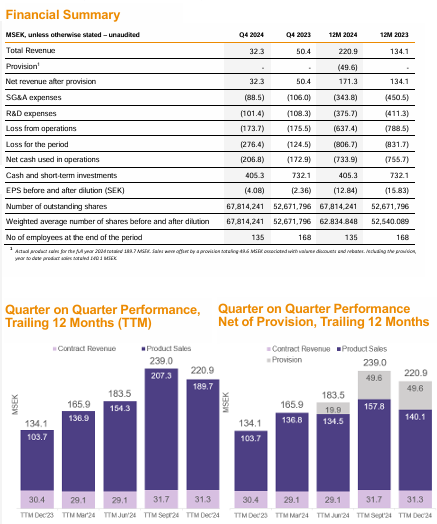
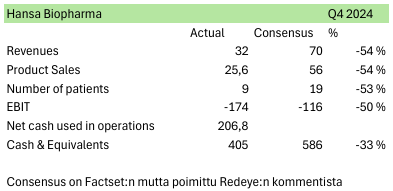
Hansa opened with a modest -25% decline after the auction following the Q4 report. Now it’s “only” -17%. The explanation is mainly only nine commercially treated patients and still a severely poor cash flow. Revenue 32.3 MSEK, cash flow -206.8 MSEK, cash 405.3 MSEK.

Why wasn’t money raised after the good news in December or earlier last year? Now it has to be raised with a potentially quite modest valuation.

image

image

5 Likes

One can’t help but analyze this. Of individual companies, I have spent by far the most working hours on this, even though the result is meager. For instance, with the timing of Faron, Hims, and Optomed, I’ve succeeded significantly better than with holding this, but what can you do…
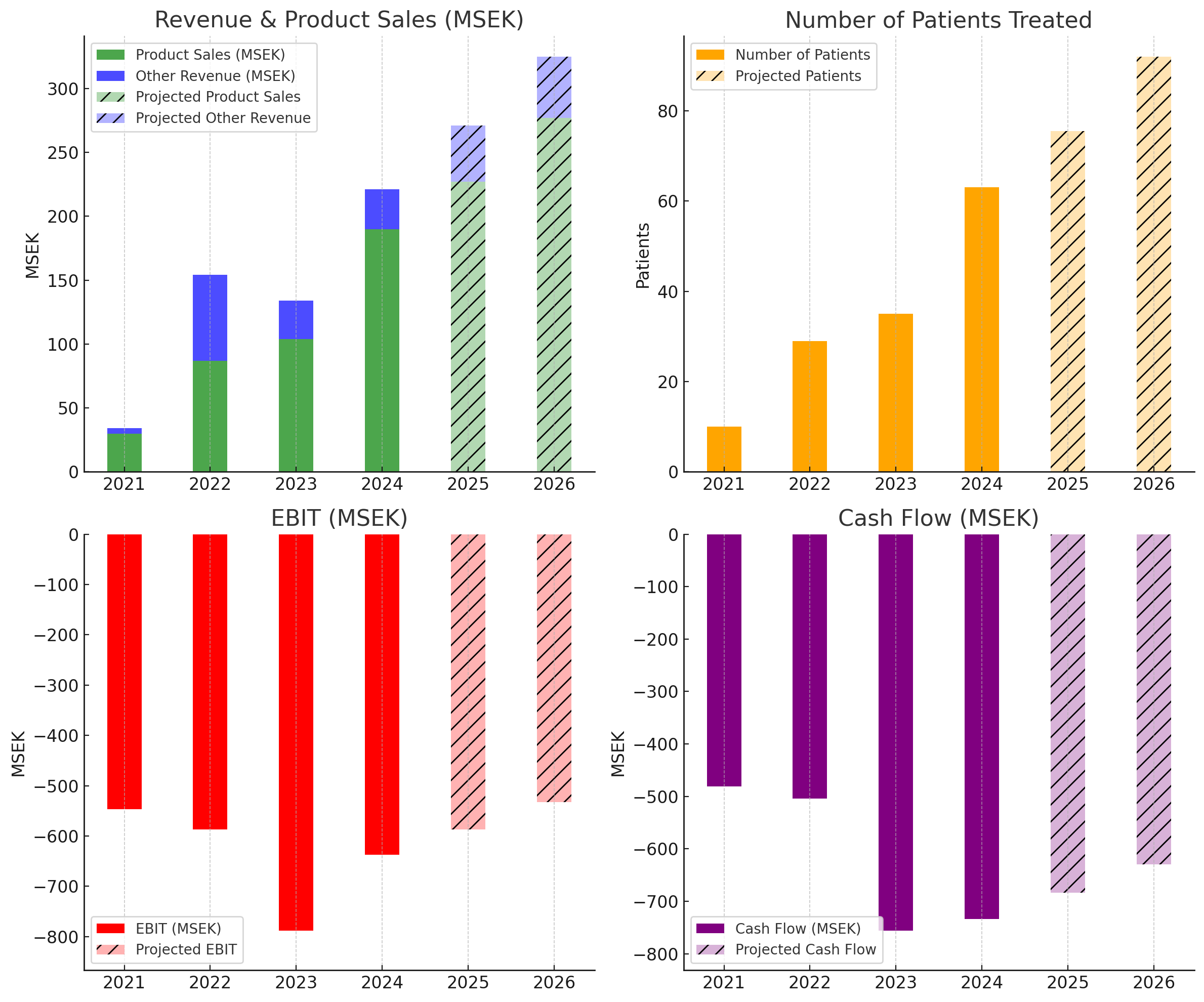
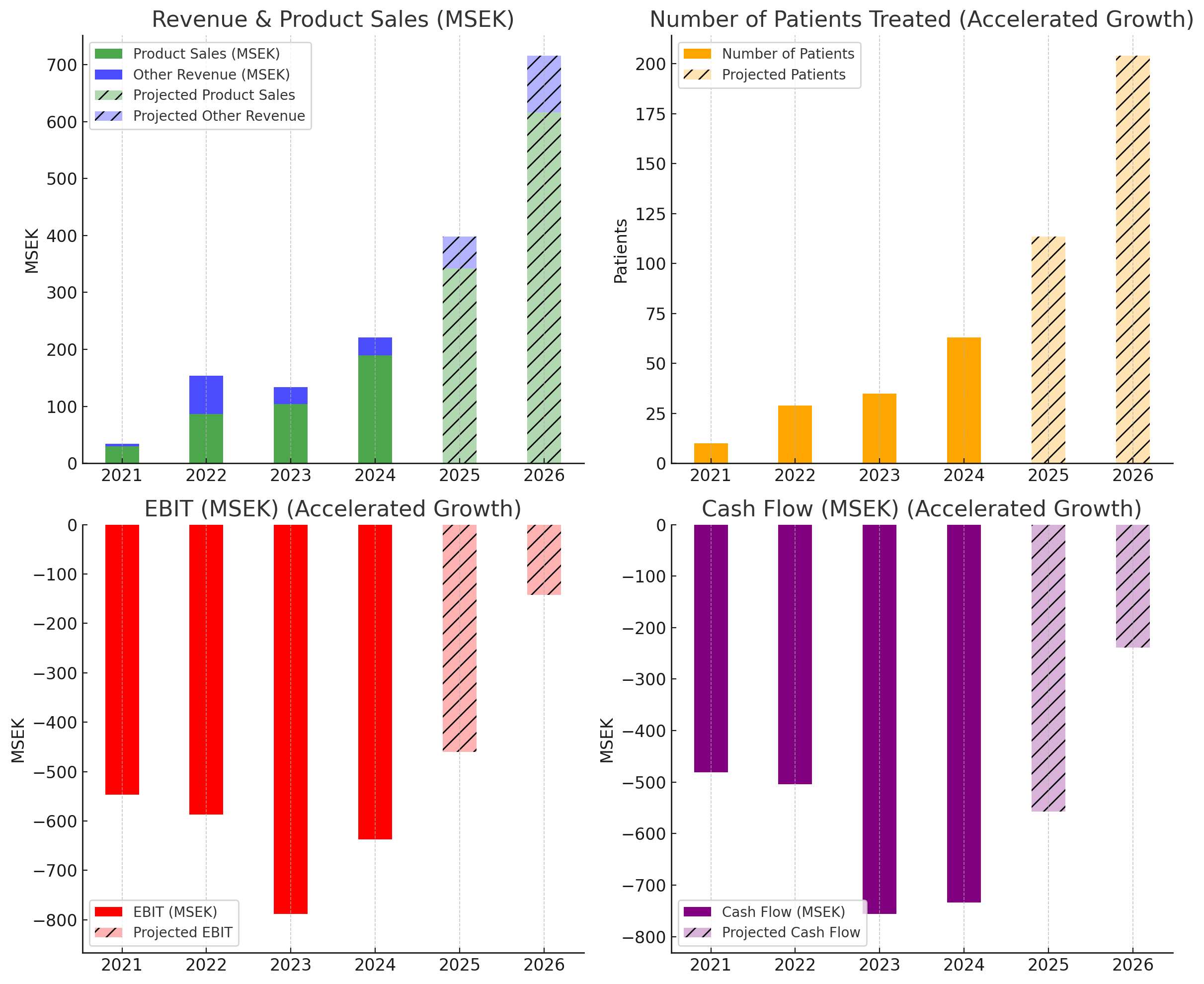
In any case, I ventured to make a small estimate of Hansa’s development over the next couple of years.

Hansa development 2021-2024 + forecast 2025-2026v3

I assume here that in Europe, talk of an S-curve can be forgotten, and imlifidaasi sales will develop more linearly when viewed on an annual basis. At the quarterly level, there is so much fluctuation that an analysis is not meaningful. I also believe that peak sales in Europe for kidney transplants will remain significantly lower than analysts have predicted. In my opinion, Hansa’s development looks like a struggle for survival until 2027, but after that, the company still has a chance to meet expectations. I would see that, quite credibly, with US sales, there are opportunities for much better and faster success than in Europe, but that is a matter for a different review from 2027 onwards.

Assumptions:

Anti-GBM Launch 2027
Kidney transplantation USA Launch 2027
DMD Launch 2027
GBS Launch 2028

Product sales and revenue are assumed to grow trend-wise in 2025-2026 based on the development in 2021-2024. Additionally, the growth in revenue and product sales is assumed to transfer as such to profit and cash flow in 2025-2026, meaning costs remain unchanged.

It’s difficult to see significant leaps in the next couple of years, but Sarepta’s milestone payments might bring “unforeseen” good, which may not be fully reflected here. On the other hand, total costs remaining unchanged is also quite an optimistic simplification, even if R&D costs might temporarily decrease slightly in the coming quarters. Things should then start happening in 2027-2030, but it’s a long way off. Of those 2027 launches, a few might, in the best case, be in 2026, but actual sales will likely only come in 2027 at best. Things can always shift further into the future.

The cash position is indeed SEK 400m. Hansa still states that funding is sufficient until 2026. That doesn’t align with my analysis at all, meaning one of us is wrong. Hopefully me :sweat_smile:

Disclaimer: the analysis is entirely my own; errors may exist.

Edit: I was still thinking about Hansa’s forecast for cash sufficiency until 2026 and the S-curve – which has now been removed from Hansa’s presentations. Here is a bullish version of the curves. Assumptions are otherwise the same, but here, the development between 2023-2024 has been emphasized, and an assumption has been made that sales development will continue to accelerate based on this, following an S-curve. I personally believe more in the first version, but it will be interesting to see which one 2025 follows.

Hansa development 2021-2024 + forecast 2025-2026_bullish

8 Likes

Hansa’s Q1 2025 report is out. An hour before its release, CEO Søren Tulstrup was fired, effective immediately. Renée Aguiar-Lucander (Linkedin) starts as the new CEO and will already participate in today’s conference call.

Aguiar-Lucander served for seven years as CEO of Calliditas Therapeutics AB where she successfully led the company through a dual listing on NASDAQ in both Sweden and the U.S. During her tenure, the company successfully launched and commercialized the first ever approved drug for immunoglobulin A (IgA) nephropathy - -. Prior to that, Aguiar-Lucander had a long and successful career in the healthcare investment sector -

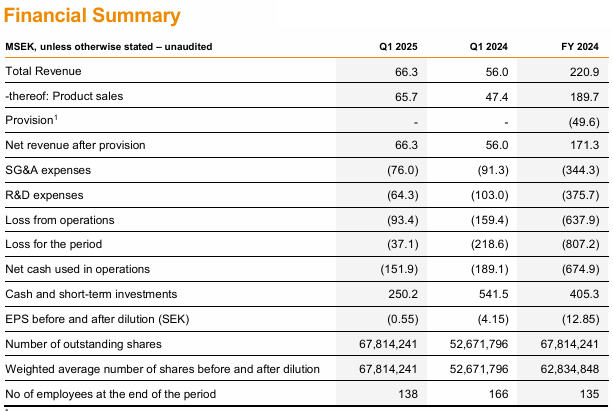
The Q1 result was not as terrible as one might have feared from the news of the CEO change, but it was by no means good. Revenue was 66.3 MSEK, which was almost entirely Idefirix sales. Commercially treated patients numbered approximately 22, which is certainly an increase from the previous quarter’s downturn, but otherwise quite flat compared to last year. Cash flow was negative by 151.9 MSEK, and cash reserves are now less than two quarters’ worth, i.e., 250 MSEK. The new CEO’s fundraising skills will be needed.

image

image

6 Likes

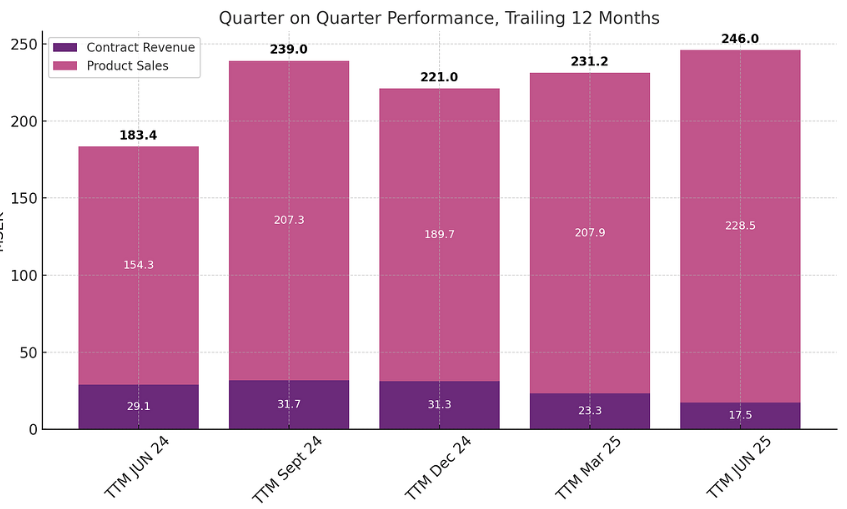
Q2 2025. No major surprises, unless one counts the fact that the illustrative “Quarter on Quarter Performance” chart, which was included in the previous report, has been dropped from the report – perhaps it wouldn’t give a sufficiently positive picture of the development. So I compiled one myself, the result is below.

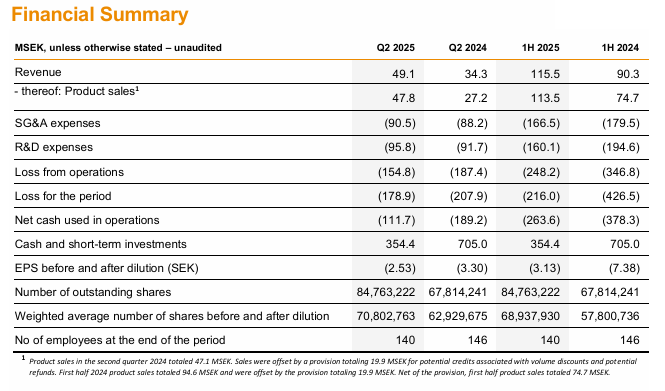
Revenue 49.1 MSEK, almost entirely product sales (approx. 16 commercially treated Idefirix patients). Sarepta’s problems are likely reflected in the fact that there are hardly any contract revenues. During the period, a directed share issue of 232 MSEK was carried out, about half of which was consumed as cash flow during the quarter. At the same time, the NovaQuest loan restructuring was agreed upon. The development of cash flow (= costs) is, in itself, a positive aspect of the report.

image

image

6 Likes

Finally, research results from Hansa. Let’s see how much of it was already priced in. A positive result is no surprise, of course. Imlifidase successfully meets primary endpoint in pivotal US Phase 3 ConfIdeS trial in kidney transplantation | Hansa Biopharma

3 Likes

Interesting. What kind of market size estimates have been presented? That cPRA>=99.9% is quite a strict cut-off. Does that mean at most a few percent of all transplant candidates?

Another thing that concerns me is the study protocol. If a patient is randomized to the control group but screening predicts an unfavorable outcome for the graft, the patient does not receive a transplant but remains on dialysis and stays among the controls. I wouldn’t be surprised if the FDA takes issue with this because some control patients do not receive active treatment (transplant). And local protocols in different centers may vary. But it is a difficult setup.

2 Likes

Very good points and questions. This thread has indeed needed some life! I’ll answer how I see the matter. I am not a medical professional, as a disclaimer.

It is true that a ≥99.9% cut-off restricts the patient population very strictly – it concerns the most difficult-to-transplant patients. Behind this is perhaps at least the idea that the biggest bottleneck in this indication is the scarcity of donor kidneys. In practice, every kidney transplanted with the help of imlifidase is taken from another patient awaiting a transplant. In this sense, it might be advisable to strictly limit the potential patient group only to those who have an extremely low probability of receiving a functional kidney when operating according to SOC (Standard of Care). In this case, it is certainly an unmet need. Could one also think that approval for this group could also open the door for broader use in the future?

According to my understanding, 1-2% of those on the transplant list belong to this patient group, meaning perhaps a few hundred patients per year in the USA. For example, Erik Penser Bank estimated in its somewhat older comprehensive analysis that with 86% penetration in this cPRA ≥99.9% patient group, 550 patients from the transplant waiting list would be treated in the USA in 2031. Based on European experiences, that penetration assumption is likely clearly too high, even though the market is different, and faster sales development can reasonably be expected in the USA than in Europe.

I myself wouldn’t be particularly concerned about the study protocol, even though the criticism itself is relevant; some comparators in this setup are left without a transplant, which pushes the eGFR result down because eGFR remains low in dialysis patients. However, this is precisely the reality: without imlifidase, no transplant can be found for these patients. The control thus corresponds to standard of care: Waiting, some form of off-label desensitization, or a very unlikely chance of receiving a suitable organ. Furthermore, as I understand it, the FDA has approved this specific study protocol and endpoints, so it would probably be strange to start complaining about the study design after the study? Moreover, the eGFR difference between the control groups was so large that it is unlikely to be explained solely by this “imbalance,” even though this goes strongly beyond my own expertise… Perhaps more detailed data will be available when the full results are published next year. In any case, the efficacy and safety of imlifidase have now been demonstrated so many times on different continents that I would be surprised if further studies were still required.

I still consider the biggest problem and question mark to be the same old theme: the scarcity of donated kidneys. Every expensive imlifidase kidney is practically taken from another “easier” patient. There is already data showing that these organs transplanted with imlifidase practically last similarly to “normal” grafts, but one might still think it’s unnecessary to spend an additional 300k+ EUR, and perhaps even more in USD, per patient if there were a cheaper use for the kidney. However, the FDA does not take a stance on these cost issues, so I cannot consider this an obstacle to BLA approval either. Instead, the market potential remains a question.

In summary: the clinical evidence is convincing, and the FDA has been involved in approving the setup, so I believe the regulatory risk is small. The biggest question from an investor’s perspective still relates to market size and realized penetration. Good news nonetheless.

3 Likes

It’s not entirely uncommon. The FDA looks at things a bit differently when approving a study and later when evaluating a drug for approval.

According to the protocol, if a transplant is not received, the GFR is set to zero. The control group’s GFR is so low that either 1. The control group’s transplants have, on average, failed, or 2. (which I consider likely) there are only a few transplants in the control group.

If 2. is true, this leads to the conclusion that the endpoint GFR does not actually measure the improvement in the probability of transplant success with imlifidase, but rather the kidney function of those who received a transplant versus those who did not. The risk of bias in the study is also increased by the fact that both the “local desensitization regime” and how conclusions are drawn from it regarding the probability of transplant success are not precisely defined and probably vary between centers. It could be, for example, that the post-desensitization protocol for predicting transplant success is “too strict,” meaning it leaves patients without a transplant who could still receive a functioning transplant with modern immunosuppression. I wouldn’t be surprised if this were the case, because as long as there are fewer transplants than those who need them, the probability of success is desired to be set high.

But the situation will become clear when Hansa publishes the figures. However, I will now follow the company more closely; for now, I decide to be without a position and might strike if the FDA requests further clarifications.

2 Likes

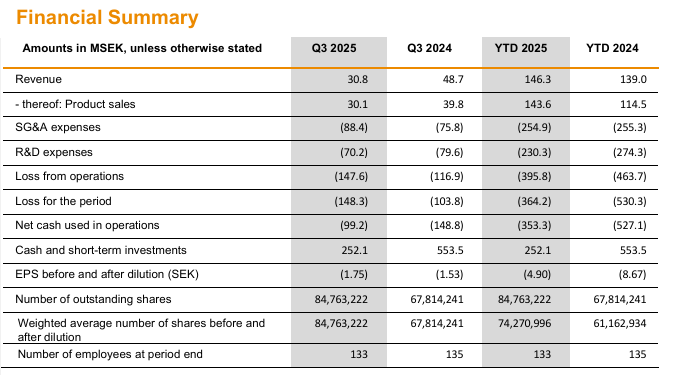
A rather weak Q3 from Hansa. One can probably already conclude that there simply isn’t a proper market for Idefirix in Europe for the kidney transplant indication.

Revenue 30.8 MSEK, significantly less than a year ago. This corresponds to about ten treated patients. Sales in Germany are in trouble after Germany suspended its participation in the Eurotransplant prioritization program, and there are also problems in Spain. This also indicates weak future quarters. The “launch,” if the sales effort can still be called that, is thus going in the wrong direction in Europe. The cash situation is, of course, good after a directed issue made at a surprisingly good price. The issue raised 671.5 MSEK (71.5 MUSD) at the beginning of October, with a subscription price of almost SEK 40. The dilution with these issues is quite significant.

Quote from the Q3 report:

As mentioned in the Q2 report, the German Eurotransplant Prioritized Program has been paused, and as a result no product sales were reported in Germany during Q3. While physicians in Germany can continue prescribing IDEFIRIX under the standard Eurotransplant Kidney Allocation System (ETKAS), we expect that the pause of the prioritized program will continue to have a negative impact in the near- to mid-term.

This situation in Germany was explained in the Q2 Q&A session mainly by concerns in Germany about patient equality:

When it comes to these highly sensitized patients, you – they end up in this priority program for specific reasons. Let’s say, they’ve had a previous transplant, they have been pregnant, they’ve had a blood transfusions. You know the reason why they’re highly sensitized. And in Germany, what they have really been discussing is this health equity. That certain patients end up in this program.

Here, it seems to be implied that at least some patients are sensitized “due to their own reasons,” meaning they might not have properly managed their immunosuppressive medication with the first transplant or otherwise cause problems with their lifestyle. At least such a comment came from a German doctor earlier. Since kidneys are a very limited resource, they are preferably given to a non-sensitized recipient without the cost of Idefirix. This perspective is quite bad for Hansa. And there are also problems with Idefirix reimbursement in Spain.

The story relies increasingly on the USA and, of course, on future indications in the development pipeline. Unfortunately, the FDA is also currently closed, which is unlikely to speed up the project… Fortunately, I realized at some point to start trading this – buying below SEK 30 and selling above SEK 35 has been a significantly better strategy than ‘hodling’ in recent years. At some point, this might still take off if the USA succeeds, and before that, it would be good to be involved if one believes in the story. After the Q3 report, we are at least back at buying prices.

Of course, there is a lot of optimism in the report about the future and indications in the development pipeline, but in the short term, it left a rather melancholic feeling nonetheless.

5 Likes

Anti-GBM (GOOD-IDES-02) pivotal phase 3 failed, Hansa announced this morning. Quite a big and surprising disappointment for me. This emphasizes that one cannot draw very big conclusions from comparisons to historical cohorts yet in phase 2, no matter how good it looks.

The phase 3 primary endpoint (eGFR 6 months) did not differ in the imlifidase+SoC arm from control-SoC. Although imlifidase rapidly removed anti-GBM antibodies and approximately 60% of patients were dialysis-free at 6 months, the control group achieved almost the same level, resulting in no statistical difference. In phase 2, there was talk of a historical control group that achieved only about 20-25% dialysis-free status.

A key reason why phase 3 “lost” to phase 2 is the study design: phase 2 was open-label, uncontrolled, and compared results to that (perhaps too loosely) selected historical cohort, whereas in phase 3, the standard of care was defined in the protocol as exceptionally aggressive (immediate and intensive PLEX + cyclophosphamide + steroids). This significantly raised the results of the control group and eroded the incremental benefit of imlifidase, even though the biological effect itself worked as expected. In other words, imlifidase did work, but when the disease was diagnosed quickly and aggressive SoC was started immediately in this experimental setup, there was no additional benefit from imlifidase.

In practice, the regulatory pathway for the anti-GBM indication is non-existent after this, and the value of this indication can be set to zero in Excel.

5 Likes

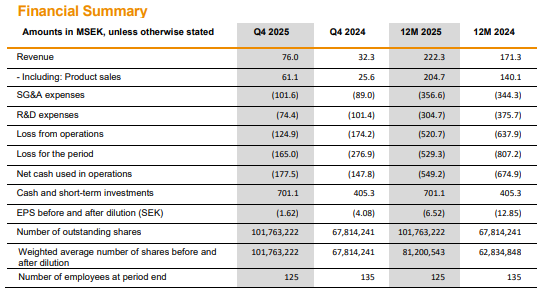
Let’s post a summary of Q4 2025 here, even if it’s a bit late. For a change, it was actually a pretty good quarter.

Revenue was 76 MSEK, of which product sales accounted for 61 MSEK, representing about twenty treated Idefirix patients. Full-year 2025 revenue grew by approximately 30% year-on-year. Q4 cash flow was still 178 MSEK in the red, and the full-year cash flow was -549 MSEK accordingly. Cash on hand was 701 MSEK.

Hansa gave guidance for a weaker Q1 2026 than the quarter just ended, and improvement could come in the latter half of the year. The US launch is planned for the end of the year (Q4), and hope for this was partly bolstered by Hansa reporting that the FDA accepted the BLA (Biologics License Application) for imlifidase on Feb 18.

Personally, I only skimmed through this report, although I still have some kind of Hansa position in my portfolio. However, I spotted something in Redeye’s Q&A section, according to which Redeye does not see the shortage of donated kidneys in the US market as a similar constraint as in Europe. According to analyst Richard Ramanius, the target group for imlifidase is prioritized in the US: “Hansa has an advantage in that US decision makers prioritise highly sensitised patients because they want to reduce dialysis dependence.” Redeye has certainly been quite off the mark with its Hansa analysis so far, so it’s hard to say what value this statement holds. At least the analyst has changed now.

Expectations still rest mainly on that US launch and the US market potential.

4 Likes