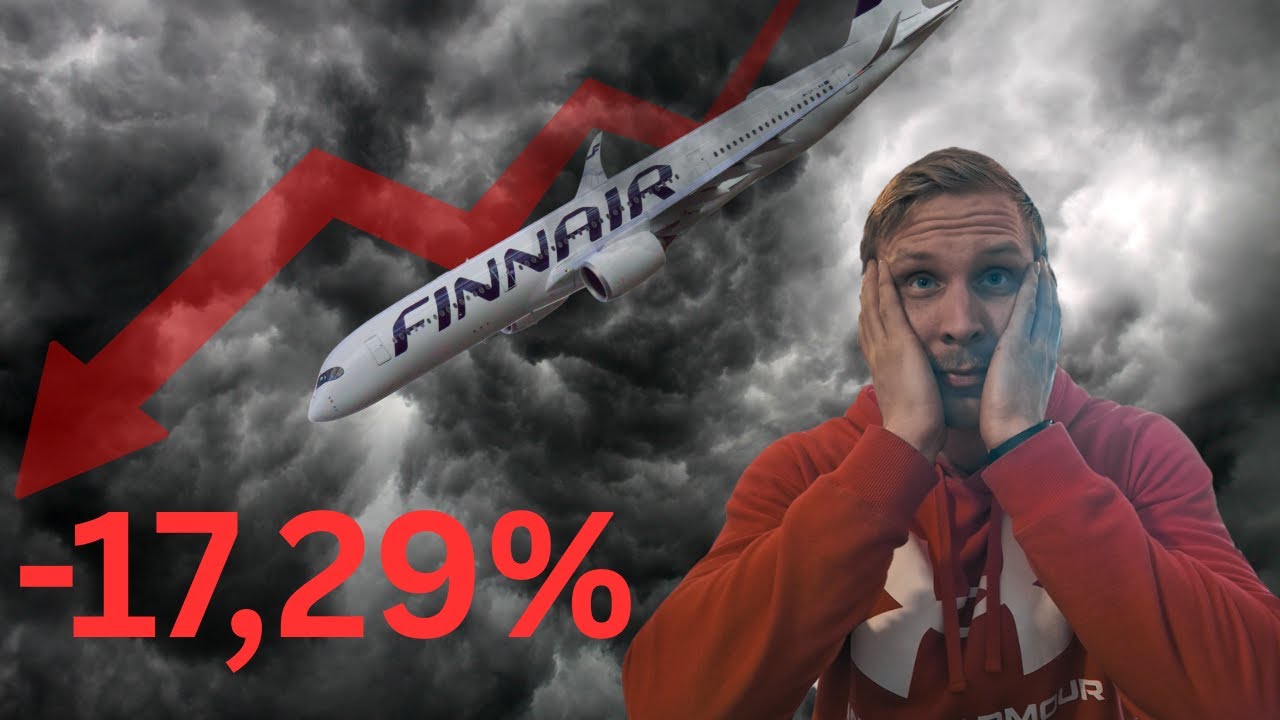
Finnairin vuoden alku oli pilottien työtaistelutoimien ja muutamien kustannuserien nousun takia erittäin vaikea ja raskas Q1-tappio käytännössä pilaa kuluvan vuoden tuloksen. Leikkasimme ennusteitamme kuluvalla vuodelle ja lähivuosille selvästi etenkin työtaistelutoimiin sekä viime aikoina nousseisiin makroriskeihin liittyen. Lisäksi nostimme jälkimmäiseen tekijään liittyen hieman myös tuottovaatimustamme. Näkemyksemme mukaan Finnairin tuotto-odotus jää vuoden tähtäimellä edelleen tuottovaatimusta alemmalle tasolle.
Rapsasta lainattua:
Velkamäärä on alle yhtiön tavoitetason
Finnairin kassa oli Q1:n lopussa reippaat 0,9 miljardia euroa, mikä riittää hyvin liiketoiminnan pyörittämiseen. Yhtiön nettovelka/käyttökate-suhde pysyi tavoitteen alapuolella tasolla 1,9x (vs. tavoite alle 2x). Näin ollen yhtiön taloudellinen asema on mielestämme kohtuullinen, eikä tase ole nostanut Q4’23:n merkintäoikeusannin jälkeen enää osakkeen riskitasoa oleellisesti.
Finnairin alkuvuosi 2025 oli kylmäävää luettavaa: 62,6 miljoonan euron liiketappio, 17 % osakekurssin romahdus ja työtaisteluiden vaikutukset ulottuvat pitkälle tulevaisuuteen. Tässä videossa käyn läpi Finnairin Q1-tuloksen karut luvut, analysoin taustalla olevat ongelmat – ja arvioin, onko yhtiöllä vielä toivoa nousta kriisistä. Onko kyse tilapäisestä turbulenssista – vai onko Finnairin kone jo menossa hallitsemattomaan syöksyyn?
Vapun jälkeinen tervehdys Finnairilta! Q1-tulospäivä ja sitä seurannut päivä kuluivat allekirjoittaneella sairasvuoteella, joten blogipäivityskin tulee näin jälkijunassa. Mutta parempi myöhään kuin ei milloinkaan, eikö vain?
Tuoreesta blogitekstistä löytyy vielä kertauksena tulosraportin avainviestit sekä vastauksia mm. siihen, mistä kaikesta työtaistelutoimien aiheuttama negatiivinen tulosvaikutus koostui ja mikä on kasvaneiden navigointi- ja laskeutumismaksujen taustalla.
Hyvää huomenta Finnairilta! Huhtikuun liikennetiedot ovat nyt julki. Myydyt henkilökilometrit kasvoivat 10,5 % kapasiteetin kasvaessa 5,9 %. Täten matkustajakäyttöaste nousi 3,1 prosenttiyksikköä. Lukuja tuki pääsiäisen ajoittuminen tänä vuonna huhtikuulle, joskin työtaistelutoimet vaikeuttivat edelleen toimintaa.
Lisäksi hyvänä uutisena todettakoon, että Suomen Liikennelentäjäliitto ilmoitti eilen luopuvansa kaikista työtaistelutoimistaan toistaiseksi.
The IATA industry body now expects global airlines to post a combined profit of $36.0 billion this year, down slightly from a previous forecast of $36.6 billion in December, before U.S. President Donald Trump took office. He has since launched a trade war and tightened enforcement of U.S. border controls.
But airline profits are still set to rise from $32.4 billion last year, helped by lower oil prices and record passenger numbers.
Joo ja Finnair tekee itse vielä isoa hallaa omille tuottonäkymälleen.
On se lennon perumisen kynnys matala kun ei päästä neuvotteluissa maaliin.
Isoja vastaantuloja ei Finskiltä vaadita, mutta miellumin haluavat pitää koneet kentässä ja matkustajat muiden yhtiöiden koneissa.
Jäin itse Saksaan ilman lentoa Suomeen, kun Finski perui lennon.
Joo uudelleenreititys seuraavalle päivälle on vaatimaton ratkaisu.
Näillä sotkuilla on pitkä häntä. Kotimassa varsinkaan ei voi luottaa yhtään Finskin lentoihin.
Verorahan käyttö peruttuihin lentoihin pitäisi lopettaa asap.
Antti ja Kaisa ovat tehneet laajan raportin Finnarista, kuten muutenkin laajat rapsat, niin se on kaikkien luettavissa.
Tuplakriisin taakseen jättänyt Finnair aloittaa pian uuden strategiakauden, jonka aikana odotamme yhtiön hakevan maltillista kasvua, lievää kannattavuusparannusta sekä käynnistävän kapearunkolaivaston investoinnit. Finnairilla on kuitenkin vielä reilusti todistettavaa taloudellisen lisäarvon (ROCE-% > WACC-%) luomisesta omistajille. Ennustamaamme tulosparannusta rullaavan 12 kuukauden vaisulta tasolta on mielestämme osakkeen hinnassa sopivasti arvostusmetodien kokonaiskuva huomioiden, joten toistamme Finnairin vähennä-suosituksemme. Tarkistamme kuitenkin yhtiön tavoitehintamme 2,70 euroon (aik. 2,50 €) lähiaikojen ennustenostoja peilaten.
Toukokuun liikennetiedot julkistettiin hetki sitten. Matkustajamäärä nousi yli miljoonaan, ja matkustajakäyttöaste parani 1,1 prosenttiyksikköä. Kapasiteetti kasvoi 6,6 %, vahvimmin Pohjois-Amerikan-liikenteessä.
Ymmärsinkö tuota dataa oikein, että matkustajamääriin on raportoitu myydyt matkat, ei varsinaisesti liikennöidyt määrät. Eli todellisuus on toista huomioiden perutut lennot?
Antti ja Kaisa ovat kirjoittaneet kommentit Finnairin huhtikuun menosta ja meiningistä.
Finnair julkisti keskiviikkona toukokuun liikennetietonsa, jotka olivat kokonaisuutena hieman odotuksiamme vahvemmat. Työtaisteluiden sotkemasta kuukaudesta huolimatta etenkin myydyt volyymit, kapasiteetin kasvu sekä matkustajakäyttöaste ylittivät lievästi odotuksemme. Matkustajamäärät jäivät puolestaan hieman ennusteistamme. Kokonaisuudessaan raportti ei kuitenkaan aiheuta tässä vaiheessa välittömiä muutospaineita Finnairin Q2-ennusteisiimme.
Finnairin lentäjiä edustavan Suomen Liikennelentäjäliitto SLL:n ja Palvelualojen työnantajat Paltan välisissä neuvotteluissa saavutettiin neuvottelutulos työehtosopimuksesta tänään sunnuntaina 8.6.
Neuvottelutulos on kolmivuotinen, josta viimeinen vuosi on irtisanottavissa. Tulos noudattaa yleistä työmarkkinalinjaa. Se vaatii vielä neuvotteluosapuolten hallintojen hyväksynnän.
Finnairin lentäjiä koskevia neuvotteluja on käyty viime elokuusta lähtien.
”Olen todella tyytyväinen, että olemme saavuttaneet neuvottelutuloksen pitkien neuvotteluiden päätteeksi. Finnairin lentäjät ovat satavuotisen historiamme tukipilari ja jatkamme yhdessä rakentaen eteenpäin”, sanoo Finnairin henkilöstöjohtaja Kaisa Aalto-Luoto.
Itsellä on mennyt hiukan usko ja mielenkiinto Finnairin sopimisiin tai sopimatta jättämisiin.
Joo uutisoitiin että lentäjät ei enää lakkoile, mutta kun muut tekijät lakkoilevat, niin pitää lomalento ostaa muulta yhtiöltä kuin tältä “osaomisteiselta”…
Mutta nythän valtakunnansovittelija lupasi painaa päätyyn saakka asioiden kanssa, ei lepää ennenkö jonkunlainen sopu on.
Kovapäisiä ovat molemmat osapuolet, it takes two to tango!