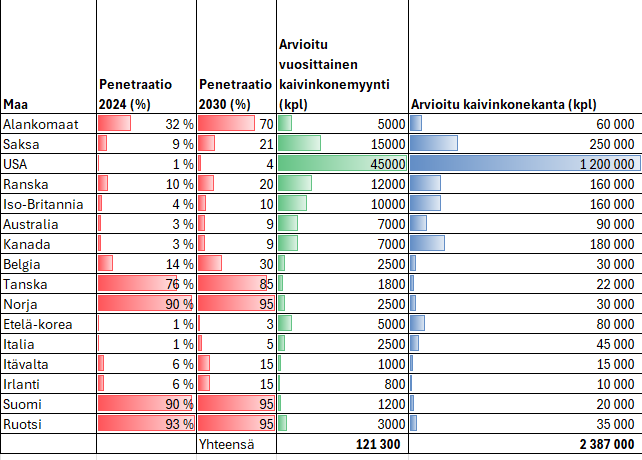
Pyörittelin vähän vielä itse tämän markkinapotenttiaalia.
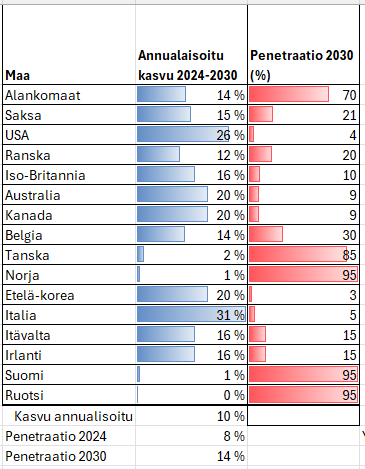
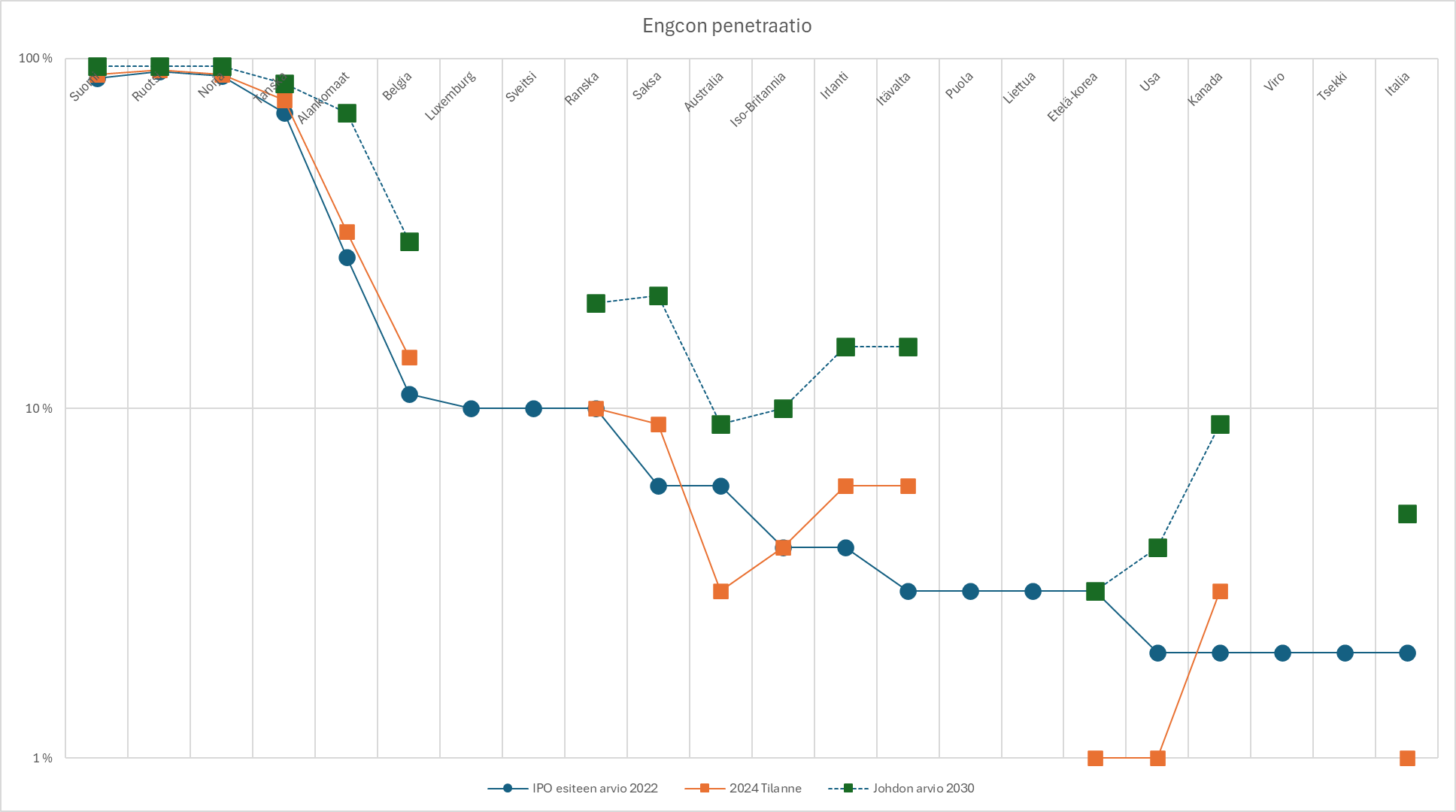
ChatGPT arvioinut nuo kaivinkone kannat. Huomioitavaa, ettei tässä ole läheskään kaikkia maita edes mukana. Vuoden 2030 penetraatio aste arvio on poimittu Q3 2025 esityksestä.
Suurin markkina tietenkin USA. Kiina puuttuu tästä kokonaan sekä Japani.
Vaikka esim USA kasvaisi vain tuonne 4% kasvun ollessa 26% vuosittain. Markkinaa olisi ihan loputtomiin jäljellä. Arvioisin myös että hinnoittelu on Usassa kalliimpaa, joten volyymin lisäksi myös kappalemyynti on arvokkaampaa.
Esimerkiksi Saksa luettelon toiseksi isoimpana markkinana on mielenkiintoinen. Pelkästään Saksassa on merkittävästi enemmän kalustoa kuin korkean penetraation pohjoismaissa.
Rakennuslehdessä oli juttua tästä Suomalaisesta yhtiöstä. Kovasti jutussa omaa laitetta kehuttiin ominaisuudet jotka on kuulema paremmin kuin muissa tilteissä. Mainittu oli pienempi koko, joka johtuu sydämmen muotoisesta hydraulinen vääntölaiteesta.
Laite mahtuu siis ahtaampiin paikkoihin. Liksi hydrauliputket eivät ole esteenä.
Lisäksi laitteen kallistuskulma on suurempi 2x50 kun muilla valmistajilla 2x45. En itse osaa sanoa onko tuolla käytännössä miten paljon loppujen lopuksi merkitystä? Olisiko vaikka @Kuokkavieras tietoa näistä?
Mielenkiintoinen laite totta tosiaan tämä kotimainen Rotyx. Haluaisin heti laittaa Suomi-lasit päähän, Den glider in soimaan ja torille julistamaan Suomen voittoa pyörittäjien maaottelussa. Asia ei kuitenkaan ole ihan näin yksioikoinen.
Uusvanha keksintö. Saksalaisethan ovat jo tällaisen pyörittäjä lanseeranneet kymmenkunta vuotta sitten. Valmistajana Kinshoffer ja tuotenimi NOX. Täysin sama idea Rotyxin kanssa, erilaisin teknisin ratkaisuin toteutettuna. Samat kallistuskulmat verrattuna kotimaiseen kilpailijaan. Ajatuksena erittäin hyvä ja näitä joitain kappaleita Suomeen vuosien saatossa on myytykin. Isompaa menestystä ei kuitenkaan tullut, kun tuote ei kestänyt pohjolan oloja, sekä laitteen korjaaminen osoittautui erittäin kalliiksi. Kärjistetty esimerkki. Jos Engcon pyörittäjästä menee kallistuksen hydraulisylinteri rikki, tämän saa uusittua yksittäisenä osana nopeasti ja vaihtaminen on helppoa. Mikäli NOX:ista taasen meni jotain rikki, yleensä vika oli laitteen sisällä jolloin laitteen joutui purkamaan ja korjaaminen oli kalliimpaa. Niin osilta, kuin työn määrältäänkin. Tähän lisättynä koneen seisonta-aika.
Tämä taas johtaa pidemmän päälle siihen, että käytetty kone NOX:illa on vaikea myydä, eikä pyörittäjä tuo enää lisäarvoa. Monesti jopa päinvastoin. Sama epäilys myös Rotyxistä vaikka tämän kestävyydestä ei itsellä olekaan kokemusta. Tämä pätee myös muiden pienempien valmistajien tiltteihin koneen vaihdon yhteydessä. Kun taas käytetty kone varustettuna valtamerkin pyörittäjällä menee hyvin kaupaksi, hinta on parempi ja ostajalle turvallisempi vaihtoehto.
Valtamerkkinä suuntaviivoja näyttävät Engcon, Rototilt ja Steelwrist. Suomessa myös Marttiini, jonka tuote on todistetusti hyvä. Kuitenkin isossa mittakaavassa todella pieni kilpailija.
Omaa analyysia. Markkina tulennee jakautumaan kolmen isoimman pelurin kesken. Pyörittäjät ovat tulleet myös muualle maailmaa jäädäkseen, niinkuin pohjola on osoittanut. Kysymys on enää, että miten nopeasti tämä tapahtuu. Ala kun on melko konservatiivinen. Hyviä onnistumisia nähty jo esimerkiksi Ranskassa ja Yhdysvalloissa. Edellisissä viesteissä mainittu Ranskan kauppa oli sikälikin harvinaisuus, että se meni suoraan loppukäyttäjälle. Yleensä pyörittäjät myydään koneliikkeiden kautta uuden koneen mukana. Voisin kuvitella katteenkin olevan erilainen suoraan loppukäyttäjälle mennessään.
Toivon todella, että kotimaiset Rotyx tai Marttiini pääsisi tässä kilpajuoksussa podiumille. Sitä odotellessa radiossa soi ABBA.
Engcon ja Komatsu syventävät yhteistyötään. Uusiin koneisiin saatavilla tehtaalta tullessaan Engcon tiltrotator tai valmius.
Vertaus autoilun maailmaan. Paljon muualle maailmaan autoja myyvä merkki alkaisi tarjota mahdollisuutta ostaa ensiasennus talvirenkaiksi Nokian Tyresin Hakkapeliitta kympit. Ei huano.
Suomalaisyritys haastaa Engconin ja muut vanhat tekijät uudella tekniikallaan, jonka kerrotaan pakkautuvan pienempään tilaan ja vaativan vähemmän huoltoa kuin perinteiset rototiltit. Murtovoimaa kehutaan paremmaksi ja vääntömomentti säilyy paremmin kauhan ääriasennoissa. Rotyxin teknologia ei ole ainoa ilman ulkoisia sylintereitä toimiva, mutta siinä on kuitenkin patentoituja ratkaisuja.
Äkkiä tulee mieleen, jos kauhotaan hieman rouheampaa/kivisempää niin kiven lipsahtaminen päin sylinteriä hajottaa sen. Öljyt pihalle tai mäntä vääntyy tms. Myös pienikin osuma kaivettaessa ahtaassa välissä vaurioittaa mekanismia. Äkkiä tulisi myös mieleen, että sylinteritön rakenne on yleisesti vahvempi. Nämä tuli mieleen tässä kaivaessa, siis nenää.
Kuokkavieras analysoi juurikin noita muutama viesti aikaisemmin.
Niinpä teki, jo marraskuun puolella ja oli näköjään hyvin alan kehityksen hermolla. Linkkasinpa nyt kuitenkin tämän tuoreen artikkelin samasta yhtiöstä.
Itse viher-/piha-alalla toimivana ovat pikkukaivurit ja yhteistyökumppaneiden isommat sydäntä lähellä. Edelliset jo sanoneet kaikki omat ajatukseni itse tuotteesta. Laadukas tuote, joka parantaa tuottavuutta ja jolla on hyvä jälleenmyynti-jälkimarkkinointiverkosto.
Nykyajan digitaalisessa maailmassa luulisin työkoneiden ja niihin liittyvien tarvikkeiden ja lisäosien olevan edelleen aika personoitua kauppaa eli se läheinen yhteys tuttuun henkilöön/firmaan on tärkeä, asiakaspito luulisi olevan suurta pl ehkä isoimmat firmat.
Sitten mietin tuota, että miksei pyörittäjät yleisty niin helposti kehittyvimmillä markkinoilla tai vaikkapa USA/Canada sektorilla - puhtaita arvauksia, työt ehkä enemmän kaivos, järeä maansiirto, jne muotoisia ja työn viimeistelyn ns lapiotyön tekijöitä hyvin saatavissa ja edullisemmilla palkoilla kuin täällä pohjolassa.
Olen mielelläni väärässä ja näen pyörittäjien yleistyvän ympäri maailmaa, oma kokemus em keksinnön tarpeellisuudesta tulee esim ahtaassa pihassa, jossa pitäisi yhdestä kohtaa saada tehtyä valmista, mutta kauhan kääntymättömyys pakottaa etsimään uusia positioita itse koneelle, kun taas pyörittäjällä voisi optimoida koneen yhteen sijaintiin ja viimeistellä työn siitä. En ole kuitenkaan maanrakennusalan ammattilainen ja kokemukseni koostuvat vain sesonkiaikoina vuokratuista pikkukaivureista.
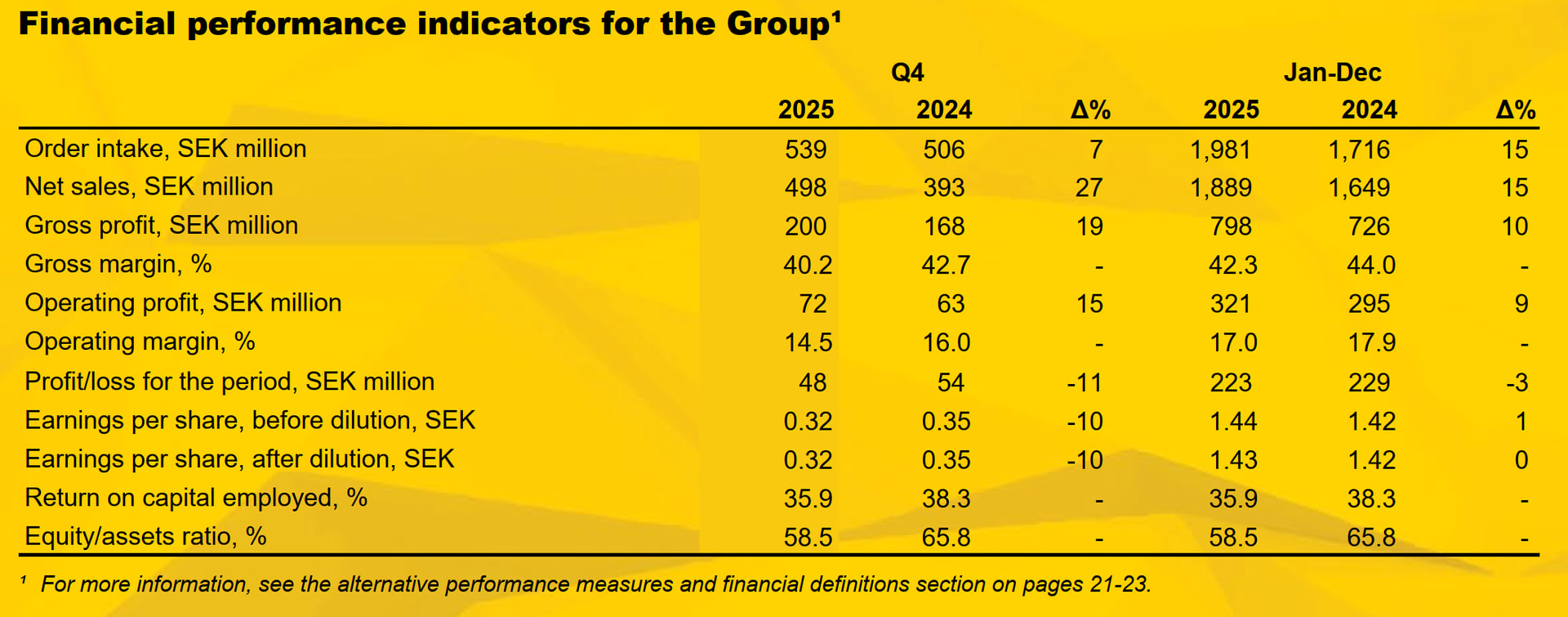
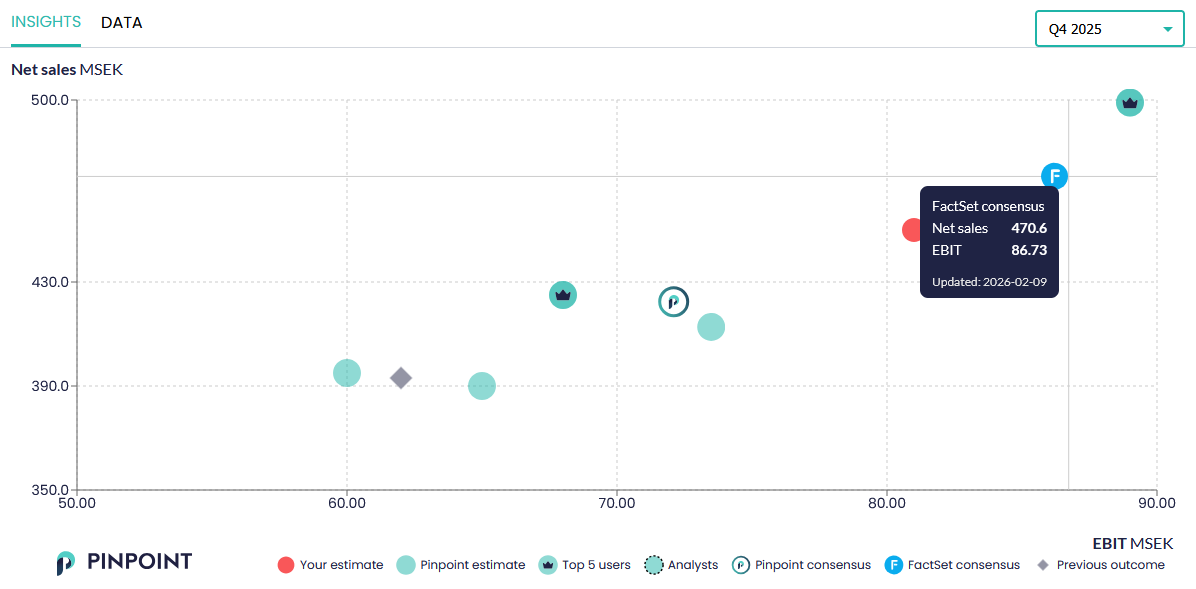
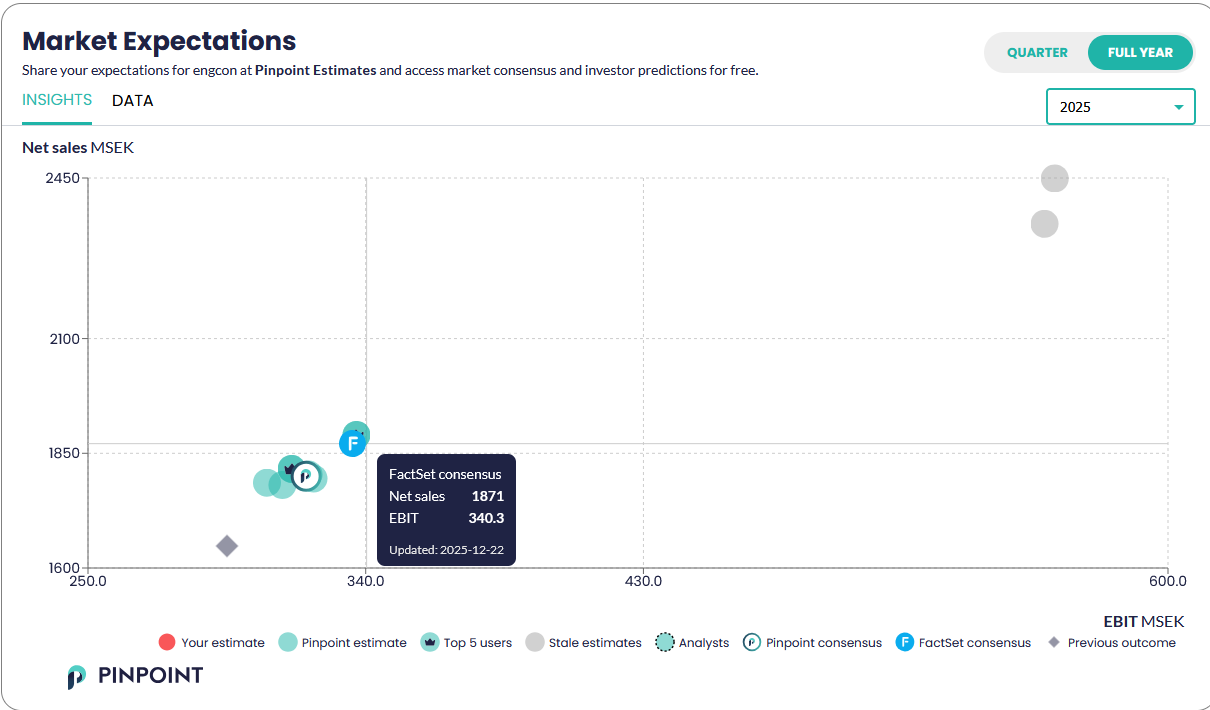
Jos tuota koko vuoden odotusta peilaa toteutuneeseen kasassa Jan-Sep liikevaihtoa 1 441, joten konsensus odottaa sellaista 430 liikevaihtoa Q4 ja EBITttiä samalta ajalta kasassa 248 joten siinäkin odotus 92.
E. Näköään lipsahti koko vuoden lukuihin 2026 vuoden ennusteet luvut päivitetty.
Jokatapauksessa kyllä konsensus odottaa kovaa kasvua tältä vuodelta.
 ja EBITttiä samalta ajalta kasassa 248 joten siinäkin odotus 92.