The ongoing energy transition is creating opportunities for various industries and business models. One of these is air-to-water heat pumps. The Swedish company Energy Save is one of the players in this field. It published its latest interim report on December 9th, and the figures were impressive. (A tip for others suffering from trauma of mandatory Swedish in school, Google Translator makes those reports quite readable with its document translation feature)
The company’s net sales grew by a whopping 272% YoY and over 100% QoQ, coming in at 110 MSEK. The company posted its first profitable result a year ago, and now the operating margin is already approaching 20%. The biggest thanks for this probably goes to the 21 people who work at the company! The company had already issued a positive profit warning regarding net sales. Stumbling upon such information naturally sparked my interest to study the company more closely, and accordingly, I opened a position in the firm. Excited by all this information, I decided to now also open a thread about the company on the forum. After all, it is a product familiar to Finns and a small company well-suited for this community.
The company’s target is to reach a 15% EBIT margin. This quarter it was exceeded, so despite the strong rise in the share price, the company’s valuation is not mind-boggling. The enterprise value is currently ~1200 MSEK, and based on the current financial year’s result, the EV/EBIT could well be around fifteen if one dares to boldly extrapolate this quarter’s result. The company did mention in its latest interim report that it now has to invest in resources, which I interpret as employees, and in the short term, this will have a margin-reducing effect. By the way, when looking into the numbers, it’s worth noting that the company has an unusual financial year from May to April.
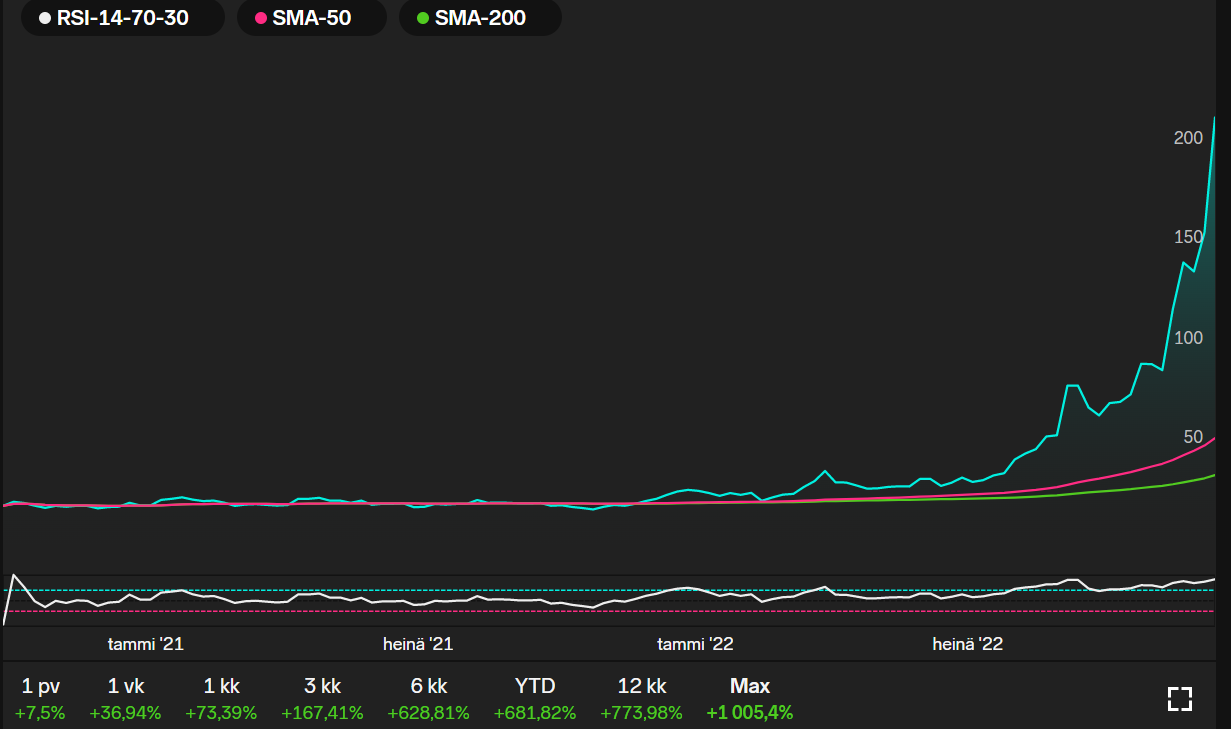
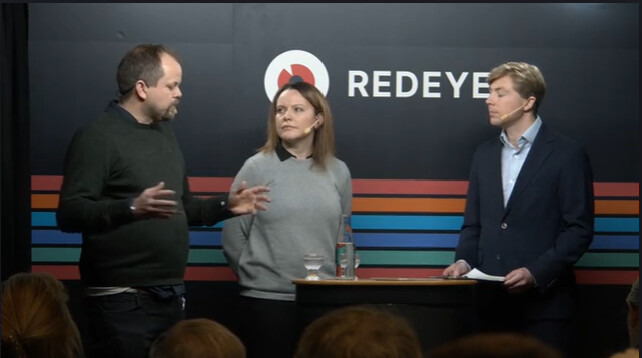
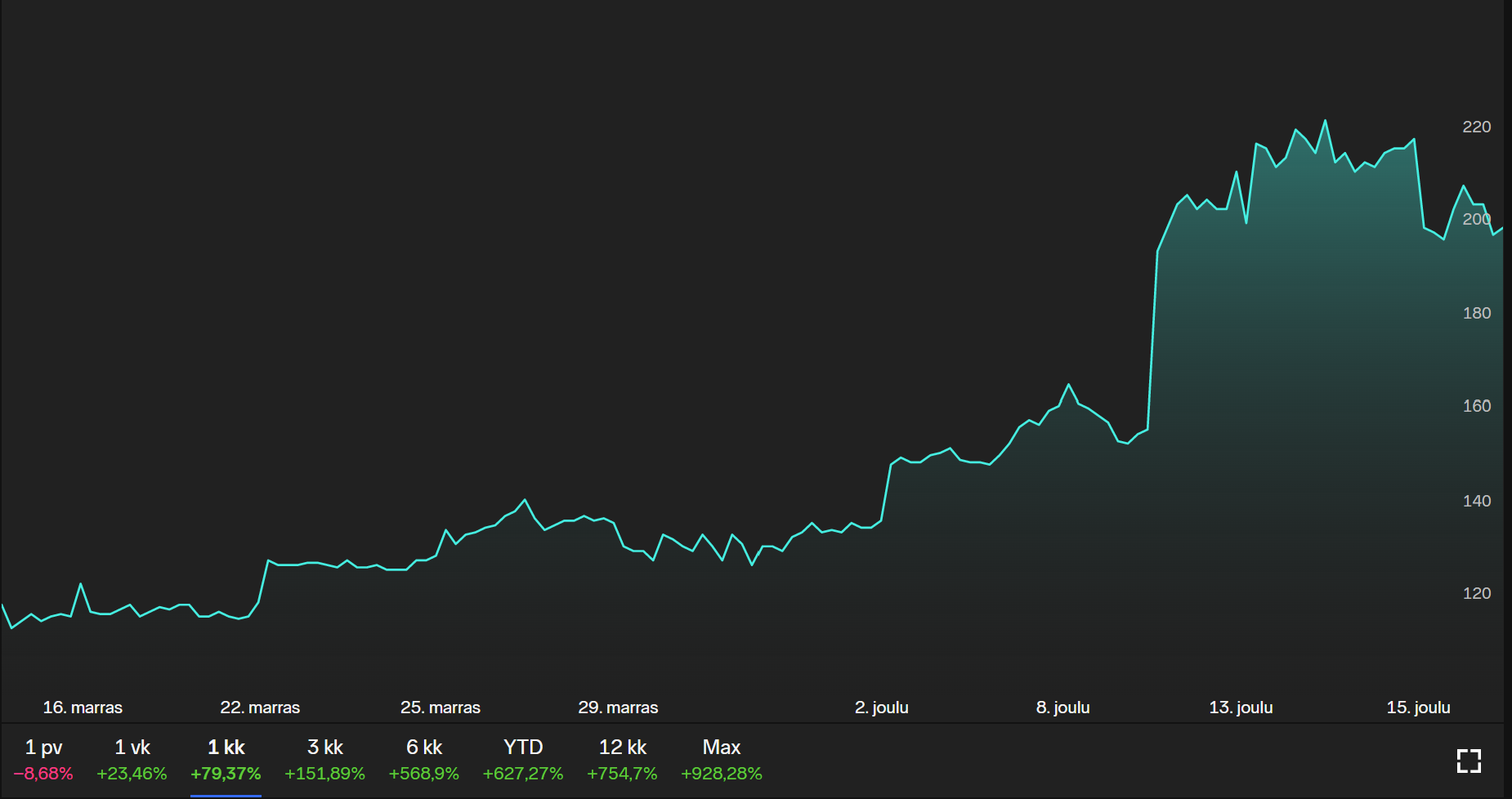
Let’s put a stock chart here to liven up the text. Redeye has given the company a target price of 255 SEK in this euphoria.
What does the company do?
The company sells air-to-water heat pumps and designs technology-based solutions for individual houses, larger buildings, and complexes. The method differs from a standard air source heat pump in that the pump does not blow warm air directly into the room; instead, it heats water that circulates in radiators. As far as I understand, this technology can replace all water-circulating heating methods such as oil and gas. Why not geothermal and district heating as well, if for some reason one wants to. The company does not manufacture its devices itself; manufacturing is outsourced to Amitimen in China. Sales also take place through partners. The company itself designs various modules and related digital solutions. The CEO has humbly compared the company to Apple. So they create the platform, and subcontractors manufacture the product. In Finland, the seller is Onninen. Because of these partners, ES itself currently has only 21 employees. This is likely the foundation of the company’s scalable business model, although there is room for growth in personnel resources.
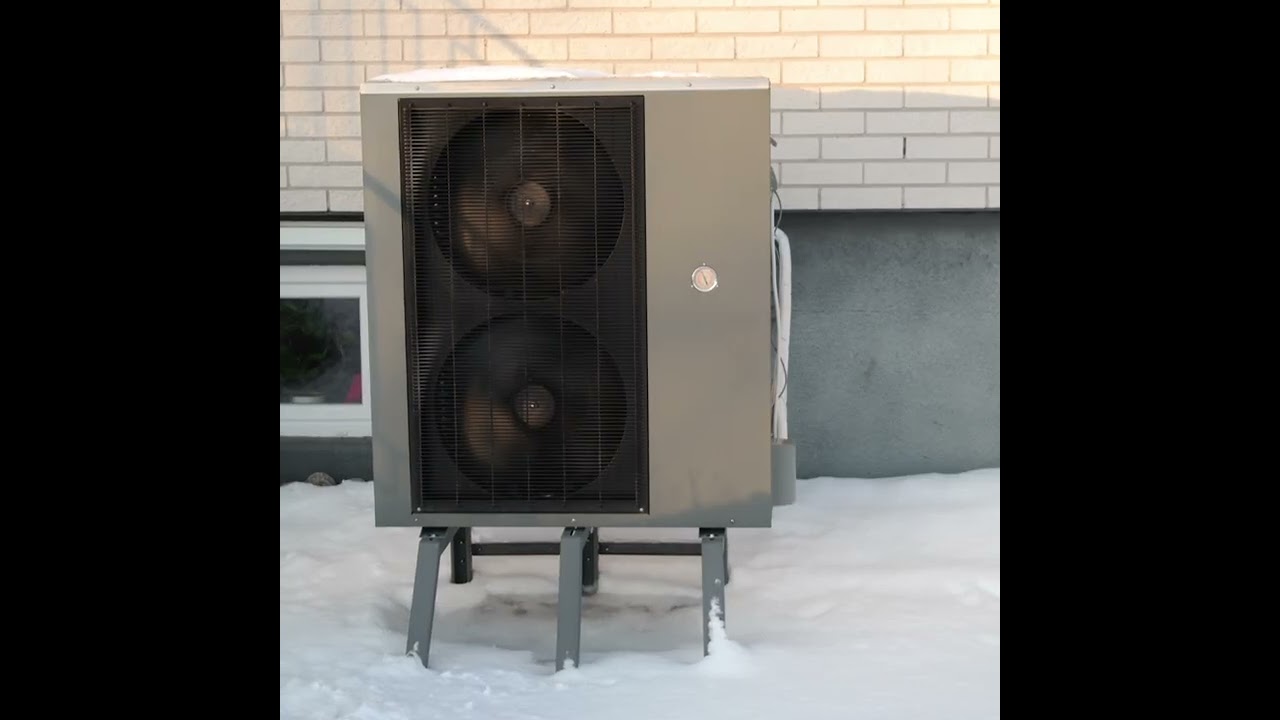
So, ES designs and sells pumps for both smaller and larger buildings. To my understanding, the pumps intended for private use are relatively inexpensive, although not necessarily very high-performing. The sufficiency of heating power during severe frosts is questionable, but the technology can also be used alongside other water boiler-based heating methods. However, here you can find a discussion thread about a fairly positive user experience from Oulu.
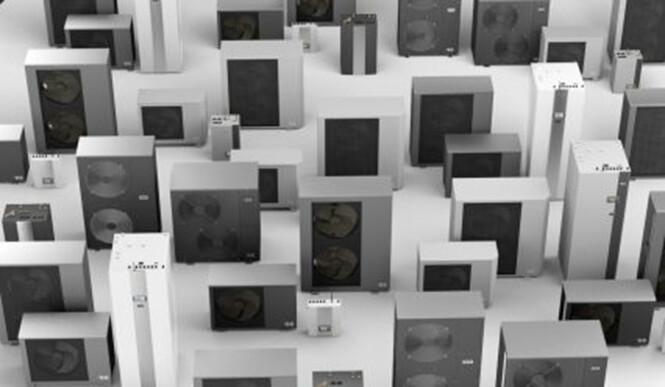
Video of these gadgets:
ES also builds systems for larger buildings, of which the Plug-in module seems the most promising. This product should be very quick to install and move, so it also works well in temporary locations. The product has also received a patent in the USA.
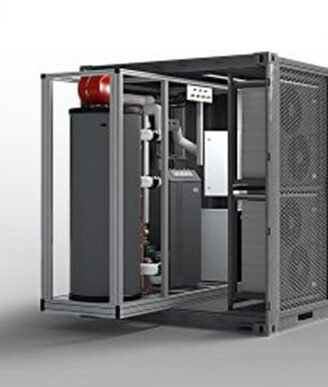
Video of this technology:
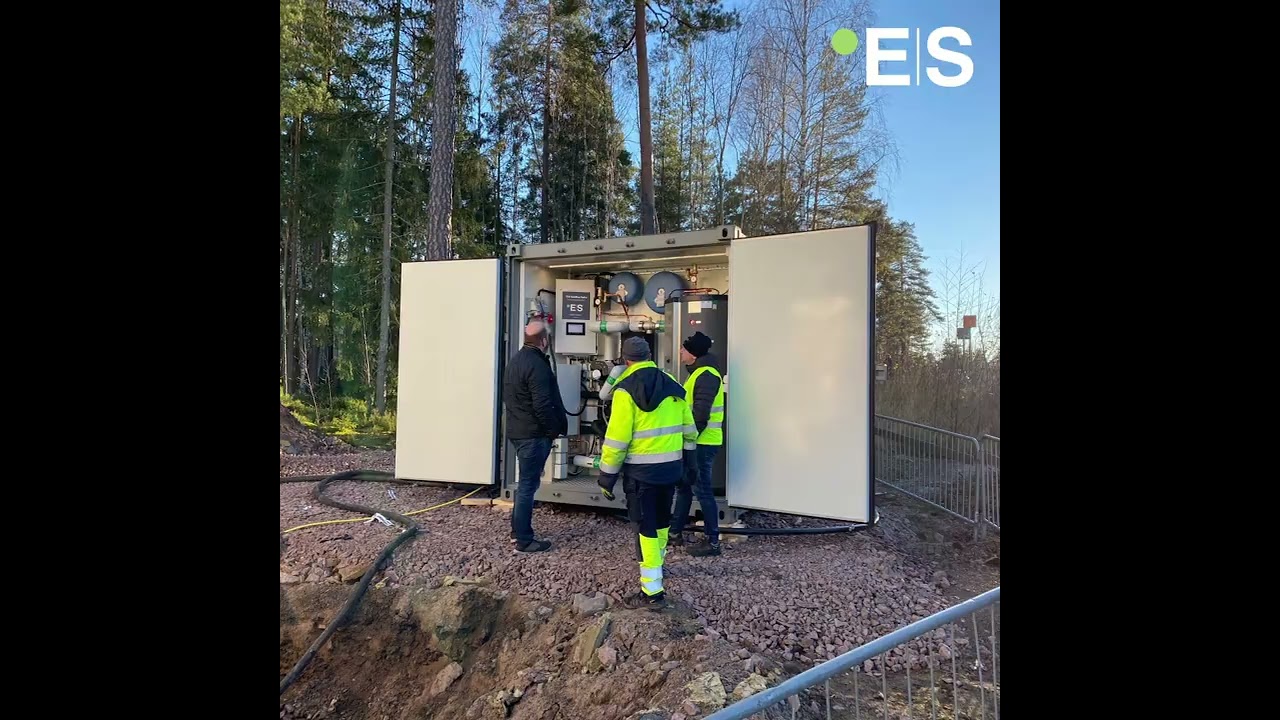
In addition, the company has created the Energy Save Configurator (or maybe it’s NordFlex+) smart product, the idea of which is to optimize electricity consumption according to, e.g., electricity prices.

Where does the company operate?
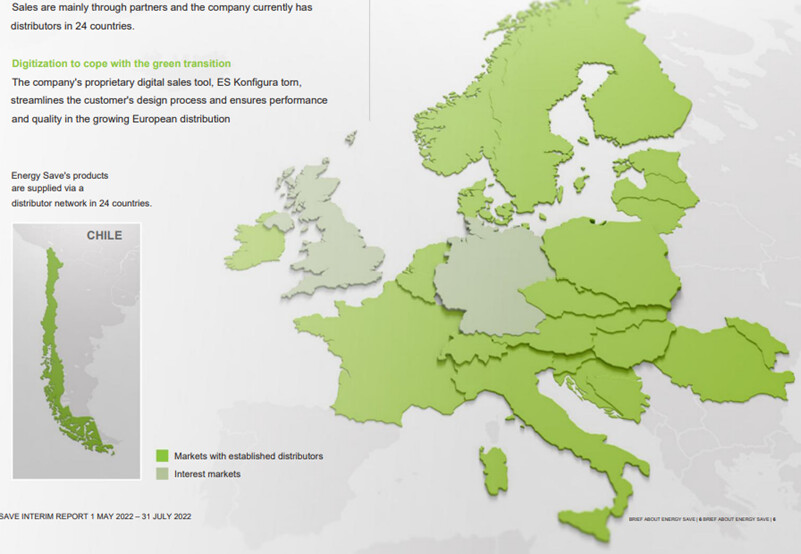
Energy Save operates in 25 different countries. The company just announced its expansion into the UK. The German market has not been penetrated yet. There, Viessmann seems to dominate the market as well as installation and maintenance operations. The company has a warehouse in Sweden, but some products are delivered directly from the factory to the sites.
Who owns the company?
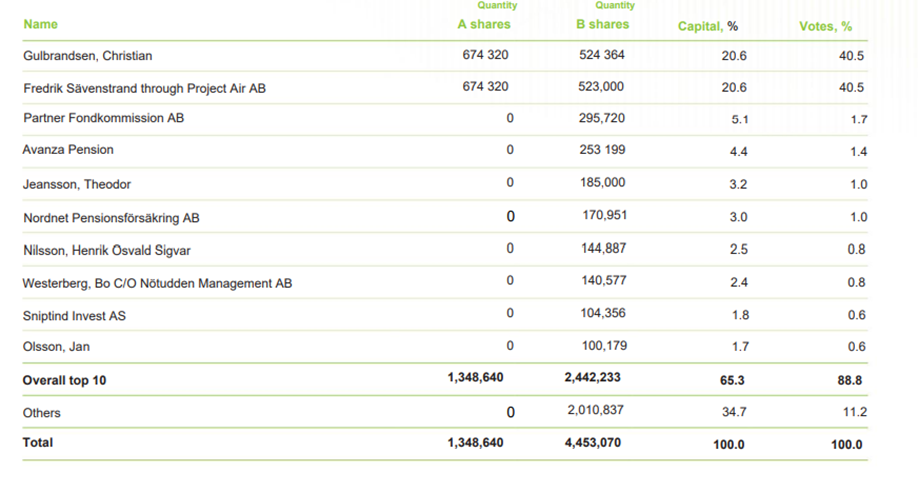
The company’s owThe ownership structure is very concentrated. The CEO and product manager together own over 40% of the company’s shares and 81% of the voting rights. Institutional investors have not yet discovered this company on a large scale. It is worth noting that during the latest quarter, Nordnet’s pension fund had significantly increased its stake. The CEO’s shareholding had also increased slightly. There were sellers too, though.
What is the market situation like?
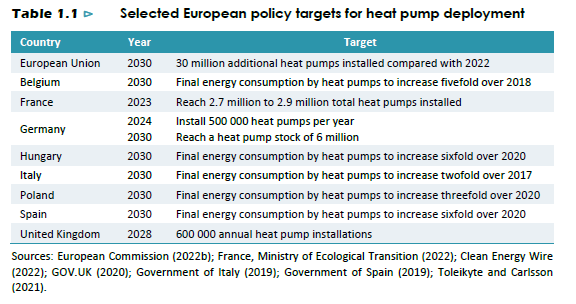
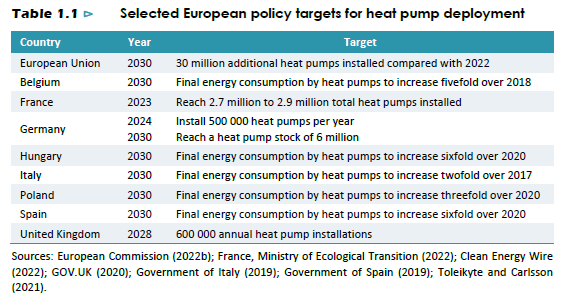
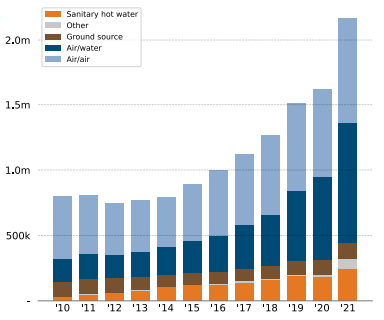
As part of the energy transition, old gas and oil boilers are being upgraded, and air-to-water heat pumps offer a solution for this. According to the European Heat Pump Association (EHPA), the market in Europe grew by 31% in 2021. To my understanding, the use of air-to-water heat pump technologies has grown even faster than this. EHPA forecasts that the number of heat pumps will grow from the current 17 million to 37 million units by 2026, and the figure is anticipated to reach the milestone of 60 million by 2030.
What are the company’s competitive advantages and risks?
ES advertises its competitive advantages as affordable price, energy efficiency, and savings in installations. (Rock heat should be ground heat  . I had the interim reports translated via Google.)
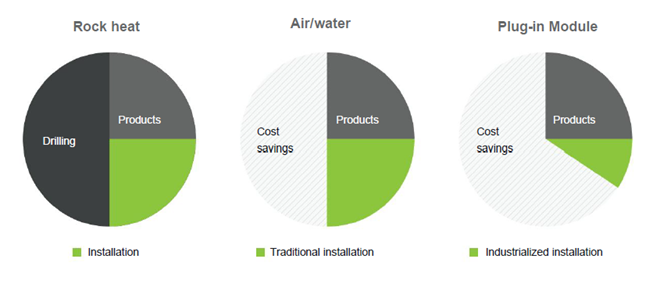
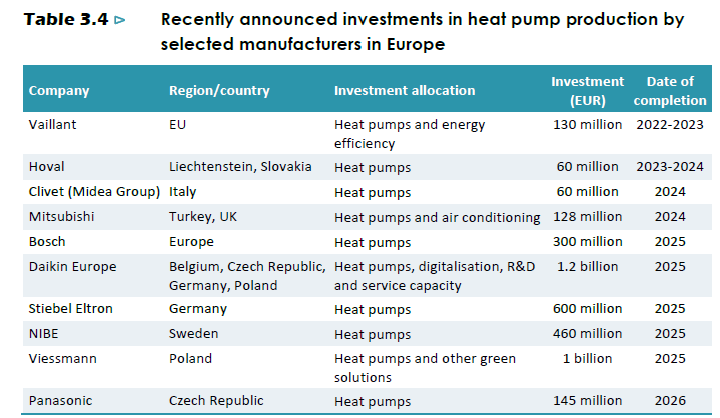
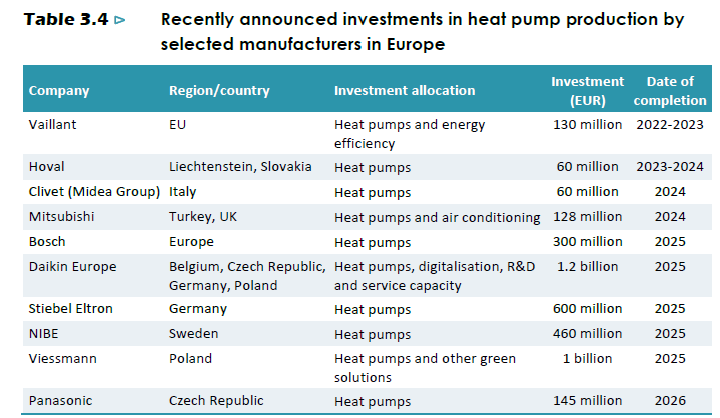
Production taking place in China is both a threat and an opportunity. As I understand it, cooperation with the manufacturer has worked well and for a long time. To my understanding, this has provided a competitive advantage against other competitors (e.g., Nibe and Daikin). Other manufacturers are investing in new production facilities in Europe, but completing them will still take time. The largest facilities are estimated to be completed in 2024–2025, as I understand it. Energy Save’s partner, on the other hand, already has an expansion project underway, which is scheduled for completion at the end of next year. However, the company warns about component shortages and supply chain risks (such as installers), but so far they have functioned, with the exception of Q1 21/22.
What is the competitive landscape like?
As mentioned above, competitors Nibe and Daikin have reported production challenges. Nibe is highly valued with an EV/EBIT of ~35 and revenue growth of perhaps 15%. Daikin (EV/EBIT ~15) stated that H2 revenue would be lower than H1. That has indeed been the trend for the company in other years as well, but one would assume that this year the market would provide some tailwind. Viessmann is a big competitor, also in Finland. For example, LämpöYkkönen’s online store only lists their products. When I inquired, they said Viessmann is the most popular product. However, Viessmann is not publicly listed, so less information is available about their figures.
What do the company’s figures look like?
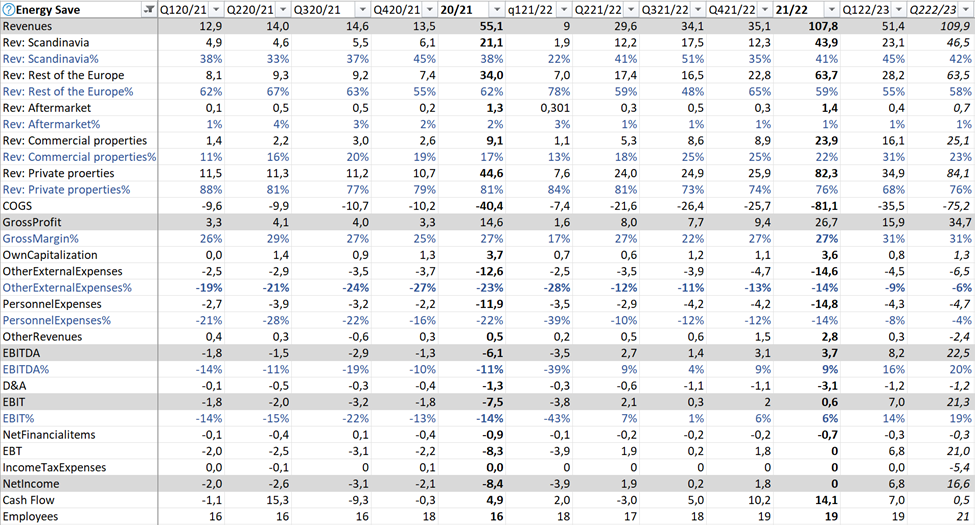
Scalability comes out nicely when you track the company’s revenue growth and compare it to, for example, the growth of personnel costs. It’s great that the share of “Rest of Europe” is growing. Personally, I would also hope for growth in the “Commercial properties” segment, but I have to admit I’m not entirely sure which of these is the most profitable.
The company seems to have 28 MSEK in cash and 12 MSEK in liabilities. A bit concerning is the small cash flow of the latest peak earnings, but I interpret this as being due to the build-up of inventories. At least in the cash flow statement, the item “Decrease (-) / increase (+) of accounts payable” had a large negative figure.
Note: The figures in the table were typed in manually, so there might be some typos.
Energy Save elsewhere
Company investor pages (Note: there have been two of these, of which one has less info)
Redeye’s analysis (registration may be required)
Redeye’s comment on the profit warning (registration may be required)
The company presented at Redeye’s Technology Day on Wednesday, November 30, 2022
The company can be found on Sweden’s Spotlight list with the ticker ESGR.
So, are there any other forum members who have familiarized themselves with the company or are otherwise experts in air-to-water heat pump technology?
I want to remind you that I own shares in the company, so I might be biased, even though I try hard to fight against it. So please do your own research and make your own decisions.