Kun ydinenergialakia jouduttiin EU-jäsenyyden vuoksi yhteensovittamaan, niin samalla tehtiin tämä muutos ydinjätteen tuonnista ja viennistä, jota EU ei Suomelta edellyttänyt. Vientiä ei alunperin oltaisi haluttu kieltää juuri siksi, että poltto-ainesauvojen toimitusta Venäjälle voitaisiin jatkaa, mutta tämän pelättiin olevan ristiriinnassa tuonnin rajoittamisen kanssa.
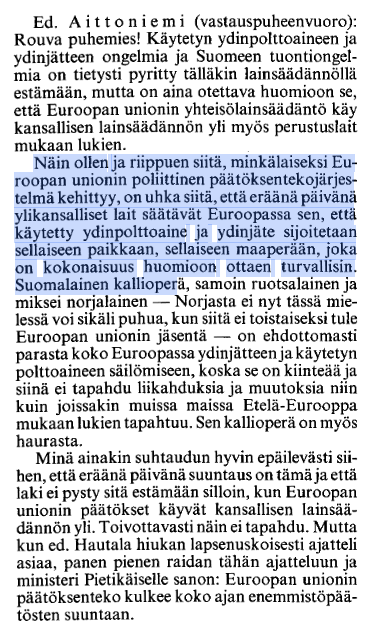
En ole lähetekeskusteluita tarkemmin lukenut tai katsonut miten aiheet on pöytäkirjaan merkitty, koska tämä on aiheen parissa toimineille ihmisille yleistä tietoa. Kaivoin nyt kuitenkin lautakuntakeskusteluista yhden aiheeseen liittyvän puheenvuoron vuodelta 1994, mikä vahvistaa tämän pelon olleen aikanaan todellinen:
Ydinjätteestä valtaosa on muuta kuin sinne Posivan tunneliin päätyvää. Valtaosa ydinjätteestä on matala- ja keskiaktiivista jätettä ja vain hyvin pieni osa sitä korkean aktiivisuuden jätettä, mikä päätyy loppusijoitukseen. Tämä on niin perustietoa ydinjätteestä, että googlettaminen jää tässä kohti lukijan vastuulle.
Suomessa uusi ydinenergialaki on jo lähtenyt lausunnolle ja alan tavoitteena on nimenomaan saada uudessa laissa helpotettua pienydinvoimaloiden rakentamista ja vientiä:
Hallituksen tavoitteena on sujuvoittaa ydinlaitosten luvitusta ja luoda edellytyksiä pienten ydinvoimaloiden rakentamiselle. Ydinvoiman lisärakentamista suunnittelevien yhtiöiden tavoitteena on muun muassa, että toiseen maahan suunniteltu ydinvoimala voidaan toteuttaa Suomessa ilman, että kotimaiset säännökset vaatisivat siihen suuria muutoksia
Suomi johtaa kisaa länsimaissa rakentaa kaukolämpöön suuntautuva pienydinvoimala. On ilmiselvää, että kun kaukolämpöydinvoimalaan saadaan sarjatuotanto käyntiin, niin seuraavaksi samaan malliin laitetaan generaattori kylkeen ja laajennetaan sähköntuotantoon. Salmisaaressa rakennetaan jo pilottilaitosta:
Puolassa on toki Hitachi-pohjainen BWRX-300 suunnitteilla ja Tsekeissä TEPLATOR -viritelmä, mutta nämä ovat kaukana perässä. Muita kilpailijoita ei ole ainakaan minun tiedossani. Venäjän ydinvoimaosaaminen rapistuu tässä pikkuhiljaa muun yhteiskunnan mukana ja he ovat paariavaltiona huonossa asemassa kilpailemaan meidän kanssamme teknologisessa kehityksessä. Kiina on ehdottomasti koko ydinvoimasektorin kovin tekijämaa ja he ovat haalineet laajimman osaamiskirjon erilaisia ydinvoimalaitoksia. En kuitenkaan näe, että Venäläistä ja Kiinalaista ydinvoimaa olisi kovinkaan helppoa myydä länsimaissa ja meidän liittolaismaissa.
Mielelläni siirryn toisaalle, koska ei tämä keskustelu tähän ketjuun kuulu.
Mielestäni tämä lainauksesi vahvistaa sen yleisen pelon ja riskin mikä on toteutunutkin, eli EU-lainsäädäntö ajaa paikallisen lainsäädönnön yli, ja paikallisella lailla ei ole merkitystä jos direktiivillä tai asetuksella muuta säädetään. Se on nyt tuotu esiin ydinvoimakontekstissa, mutta EU-riskiä ole voitu pienentää säätelemällä paikallista lainsäädäntöä.
Olet oikeassa, että painoltaan muuta jätettä syntyy enemmän, mutta tätä matala-aktiivista jätettä ei samalla tarvitse loppusijoittaa ja edelleen palaan alkuperäiseen aiheeseen, eli halukkuuteesi sijoittaa maailman ydinjätteitä Suomeen. Tässä yhteydessä ydinjätteellä tarkoitettiin nimenomaan käytettyä reaktoripolttoainetta, joka on pitkään haitallista, koska sen sijoittamisella oli tarkoitus tehdä bisnestä.
Hyvä, että on. Näyttäisi siltä, että muunkinlaista järkeä lakiin ollaan saamassa, eikä helpotus koskisi pelkästään pienydinvoimaa, sikäli kun lainauksesi sisältö toteutuu myös lopullisessa laissa.
Koko hanke on kovin epävarmalla pohjalla. Pelkästään lämmöntuotantoon suunnattu reaktori voi olla yksinkertaisempi kuin sähköntuotantoon keskittyvä reaktori, ja kaukolämpöä ei kovin monessa maassa käytetä. Eli parhaassakaan tapauksessa ku nnon volyymeihin pääseminen vaikuttaa varsin epäilyttävältä, erityisesti ottaen huomioon, että sähköntuotantoon tähtääviä hankkeita on meneillään lukuisia myös länsimaissa. Yhdysvalloissa useita, Britanniassa, Kanadassa, Ranskassa jne. Sen lisäksi tietysti alan johtava maa Venäjä, joka on vuosia kaikkia länsimaisia toimijoita edellä, ja Kiina, joka taas halutessaan pystyy skaalaamaan tuotantoa sellaisiin mittasuhteisiin, että se lyö todennäköisesti kustannustehokkuudellaan muut laudalta.
En mene sen enempää valtioiden välisiin suhteisiin tässä ketjussa, mutta kansainvälisessä politiikassa tärkeää on muistaa, että valtioilla ei ole ystäviä tai liittolaisia. On vain intressejä. Siinä vaiheessa kun nämä pienreaktorit suuremmassa mittakaavassa kaupallistuvat, niin pelikenttä ystävällismielisten maiden suhteen voi näyttää kovin erilaiselta, kuin mitä suuri osa suomalaisista nyt kuvittelee.
Minä kritisoin sitä, että Pohjolan_Eka haluaa tehdä bisnestä ydinjätteen loppusijoittamisella, mikä mielestäni on yhtä viisas liiketoimintamalli kuin minkä tahansa muunkin jätteen dumppaaminen Suomen luontoon. Ongelmien pitkäikäisyyden ja vakavuuden tietän, ehkä jopa vielä ensinmainittuakin typerämpi. Erityisesti, koska käytetyn polttoaineen loppusijoittaminen suunnitellulla tavalla ei ole välttämätöntä, vaan poliitikkojen luoma ongelma.
Ydinjätetteen loppusijoitus on poliittinen ongelma, mutta milloin ikinä tämä poliittinen ongelma katoiaisi? Meillä on tähän ongelmaan ratkaisu keksitty ja todettu toimivaksi, ensimmäisena koko maapallolla. Muualla kansalaiset ja poliitikot vain kinastelevat aiheesta. Me keksitään ratkaisu ja rakennetaan se.
Ulkomaalaiset teknologiat menevet meidän ohi? Milloin ne eivät olisi menneet? Ja ne menee varmasti jatkossakin jos pessimismi tarttuu ja syö intohimon. Meillä on Suomessa valtavasti osaamista, insinöörejä valmiina ratkaisemaan oikeita ongelmia ja keksimään niistä tuotteita.
Mun mielestä meidän keskuudessa on riittävästi pessimismiä. Kaikki bisnesideat on hyvä syynätä ja testata että toimisiko ne. @Pohjolan_Eka loistavaa pohdintaa ja kiitos optimismista!
Korjaamalla se laki millä kyseinen ongelma syntyikin. Voidaan toteuttaa koska tahansa, koska tietääkseni mikään EU direktiivi ei tätä säätele. Jos kutsut reiän kaivamista maahan ja jätteen dumppaamista sinne ratkaisuksi jäteongelmaan, niin se sopii äärimmäisen huonosti yhteen myöhemmän väitteesi kanssa, että meillä on valtavasti osaamista ja insinöörejä ratkaisemaan oikeita ongelmia. Muualla toimitaan järkevämmin, siellä ymmärretään, että jätteen dumppaaminen reikään ei ole ratkaisu ongelmaan, vaan asioiden kestävä kuntoonlaitto. Meillä ei edes ole mitään näyttöä miten hyvin se reikä toimii tuhansien vuosien aikajänteellä mitä sen on tarkoitus olla toiminnassa.
Mutta ei tästä asiasta kannata kiistellä. Suljettu kierto on ratkaisu, luonnon raiskaaminen ei. Luontoa ei voi raiskata loputtomiin,joten jossain kohtaa suljettuun kiertoon on pakko mennä joka tapauksessa. Miksei mieluummin samantien? Sinä voit olla luonnon raiskaamisen hienoudesta eri mieltä, mutta lopulta se on arvokysymys. Mielestäni sitä ei tule tarpeettomasti tehdä.
Rahaa ei välttämättä kannata tuupata toivottomiin hankkeisiin, jos parempiakin kohteita löytyy. Artikkelissasi mainitaan, että SMR:ää, eli tässä tapauksessa yhdistettyä sähkön ja lämmöntuotantoa pienydinvoimalalla, ei todettu kaupallisesti kestäväksi ratkaisuksi lämpövoimaa tuottavalle operaattorille. En lukenut kaikkia yksityiskohtia, mutta lämpökäyttöön pienreaktorista nähtiin hyötyjä. Kyse on siitä, että lämpökäyttöön markkina on olemattoman pieni, koska kaukolämpöä käyttäviä maita on vähän. Eli lopullinen tuotantoskaala tulee jäämään joka tapauksessa pieneksi. Toiseksi jos pääkaupunkiseudulle tulee tuhansia megawatteja lämpöenergiaa toisessa ketjussa mainituista konesaleista, niin jääkö ydinvoimalalle enää tässä skenaariossa tarvetta. No, lukuja ei ole tässä tarpeeksi, ja niitä pitäisi lyödä exceliin, mutta jo 5 minuutin ajatusleikin perusteella on selvää, että hanke on riskinen ja lopullinen tuottopotentiaali vaikuttaa heikolta. Teknisesti tietysti mielenkiintoinen projekti, mutta isoa kaupallista potentiaalia en ennustaisi, koska skaalaaminen olisi vaikeaa isojen markkinoiden puuttuessa. Katteeton optimismi on typeryyttä. Analyysiin perustuva liiketoimintasuunnitelma sen sijaan paljon fiksumpi tapa lähestyä asiaa. Siitä voi myös juontua optimismia, mikä on missä tahansa hankkeessa tärkeä eteenpäin työntävä voima.
Pääkaupunkiseudun konesalien megavatit ovat hukkalämpöä. Sitä syntyy, jos on sähköä, jolla pyörittää niitä ATK-härveleitä. Talvella on valitettavasti satunnaisesti pitkiäkin ajanjaksoja, kun ei tuule, mikä ikävästi tarkoittaa, että jos vaikka konesalien hukkalämmöllä voidaankin pienentää keskimääräistä lämmityslaskua, niin ei voi laskea sen varaan, että säästyy paleltumiselta sanotun hukkalämmön ansiosta.
Perusongelma on sama kuin kaiken muunkin sähköön liittyvän kanssa: sähkön varastointi on vaikeaa ja/tai kallista. Akut ovat aivan liian kalliita ollakseen ratkaisu tuntitasoa pidemmälle. Vesivoima ei pakkasilla riitä, vaikka kuinka paljon pumpattaisiin vettä ylävirtaan halvalla sähköllä. Lämmön varastointi suuriin luoliin saattaa olla ratkaisu. Odotellaan, miten Vantaan energian projektin kanssa käy, sitten ollaan viisaampia.
Tarkennatko mitä tarkoitat tällä? Ajattelitko, että jos ei tuule, niin tehtaat pysäytetään, pankit ja sairaalat suljetaan, vai mikä oli ajatus tässä takana? Konesalit ovat yksi kriittisimpiä paikkoja mihin sähköä yhteiskunnassa käytetään, koska lähes kaikki kriittinen infra ja talouselämä pyörii niiden varassa. Eli lämpöä tulee näistä lähteistä varmasti juuri niin pitkään kuin tässä maassa on minkäänlaista taloudellista toimeliaisuutta. Lämpö on enemmänkin kriittisen toiminnan sivutuote konesalissa. Samalla tavoin kun aiemmin oli sähkön ja lämmön yhteistuotantoa, niin nyt voidaan puhua laskentatehon ja lämmön yhteistuotannosta.
Eikö näitä ydinpolttoaineen uusiokäyttöä tehty Ranskan ja Englannin toimesta. Käsittääkseni ne loppuivat kustannussyistä. Mikä nyt on toisin?
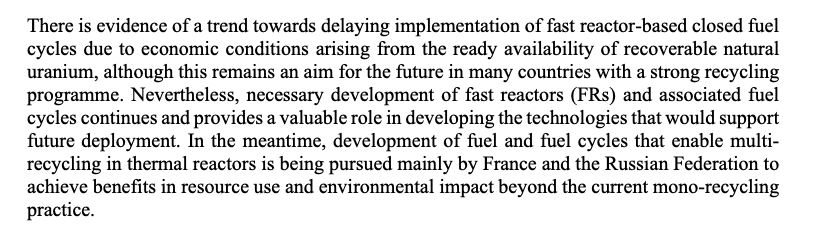
MOX- polttoainetta käytetään nykyisinkin, mutta siitä tässä ei lienee kysymys. Nykyisin kehitteillä olevista reaktoreista nämä ns. Hyötyreaktorit ( jotka voisivat tätä ydinjätettä käyttää) ovat kylläkin kaukana kaupallisista reaktoreista. Jos oletetaan SMR- tyyppisten perinteisten reaktoreiden alkavan tulla kaupallisesti kiinnostaviksi joskus 2030, niin nämä ydinjätettä käyttävät voisivat olla samassa vaiheessa ehkä joskus paljon myöhemmin, jos silloinkaan. Ja jos niin hyvin käy, onhan se Onkalo avattavissa ja tuote palautettavissa käyttöön.
Se, että tänne tuotaisiin muualtakin ydinjätettä ei minusta kuulosta kovin realistiselta. Onkaloon saadaan sopimaan noiden nykyisten suomalaisten reaktoreiden tuottama jota, mutta ei siellä käsittääkseni ole tilaa muille. Ydinjätettä vaatii kuitenkin ehjää kalliota ja yllättävän laajoja alueita. Jos ajatellaan, että jo Suomen viisi rektoria tarvitsee noin paljon tilaa ja jo Ruotsissa on kymmenen reaktoria… Olisiko osaamisen myynti ja konsultointi todennäköisempää.
Noista kaukolämpövoimaloista sen verran, että niiden teknologia on kuitenkin selvästi helpompaa, kuin sähköä tuottavat. Tämä siksi, lämmöt ja paineet on maltillisempia ja ei tarvita turbiinia ja siihen liittyvää teknologiaa.
No se on just näin, että kun lukuisat Suomen tarpeen ylittävät konesalit ovat tulleet Suomeen ennen kaikkea halvan sähkön perässä, niin kun ei tuule ja on kylmä, niin se on just presiis ne tarpeettomat ja halvan sähkön perässä tulleet konesalit, kun suljetaan ensimmäisenä, kun pörssihinta nousee.
Terästehtaan sulkeminen on paljon vaikeampaa ja sairaaloiden sulkeminen täysin poissuljettua.
On aivan totta, että ydinasemaissa on tätä harrastettu, ja harrastetaan edelleen. Mikään ei ole tietääkseni sinänsä muuttunut, että uuden uraanin louhiminen ja siitä polttoaineen valmistaminen on helpompaa ja halvempaa. Mutta kannattavuutta voitaisiin parantaa sallimalla tuonti- ja vienti. Kun volyymit kasvavat, niin yksikkökustannukset laskevat. Uraanin louhiminen on ympäristölle haitallista.
Suomessa ei käytetä MOXia, koska käytettyä polttoainetta ei täällä kyetä jälleenkäsittelemään. Mutta MOXiakaan, ei yleisesti kierrätetä useita kertoja, koska siihen vaadittaisiin hyötöä. Mutta MOXista tässä periaatteessa puhutaan.
Ongelmahan tässä keskustelussa on se, että meillä on naapurissa ydinteknologian suurvalta, jolla on ollut vuosikymmeniä kaupallisessakin käytössä hyötöreaktoreita. Tässäkin keskustelussa on pilkattu hyötöreaktoreita science fictioniksi, ja verrattu esimerkiksi fuusioon, ymmärtämättä mistä puhutaan. Näitä ei ole rakennettu sähköntuotantomielessä kuitenkaan kovin paljoa ja voluumit on pidetty matalina, koska ne eivät ole olleet venäläisillekään tarpeellisia isommissa määrin. Kokeellisesti kiinnostavia teknologia-alustoja, mutta eivät ne sähköä tuota sen enempää kuin muutkaan reaktorit, ja kun Venäjällä on ollut omasta takaa halpaa uraania kaivettavaksi, ja aiemmin ympäristöasiatkaan eivät oikein kiinnostaneet, niin miksi vaivautua? Lisäksi ne ovat olleet teknisesti haastavampia operoida ja perinteiset kevytvesireaktorit ovat myös rakenteellisesti turvallisempia.
Ympäristö- ja kiertotalousmielessä hyötöreaktori on kuitenkin vertaansa vailla. Teoriassa se mahdollistaa polttoaineen kierrätyksen lähes loputtomasti. Venäjä on kuitenkin ilmoittanut siirtyvänsä suljettuun kiertoon vuodesta 2030-alkaen tietyillä alueilla. On epämiellyttävä ajatus, että ennen neukkulassa kipattiin paskaa takapihalle ja täällä yritettiin pitää paikat siistinä, mutta nyt osat ovat vaihtuneet päälaelleen. Lisäksi sitä yritetään tehdä sumuttamalla asiasta ymmärtämättömiä kansalaisia.
Tämä on totta. Teoriassa riittää, että saat käyntiin riittävän tehokkaan tasaisen reaktion, ja pusket vettä läpi, niin että lämöt nousevat lähelle kiehumispistettä. Sen jälkeen vain lämmönvaihtimen kautta lämpöä verkkoon.
Olisiko mahdollista vääntää rautalangasta, noin lukion fysiikan tasolla, mitä tuo uusiokäyttö tarkoittaa? Miten se toimii kemiallisesti/fysikaalisesti, mitä se syö ja mitä se tuottaa?
Suomessa ei käytetä MOXia, koska meidän reaktorityypit eivät tue MOXin käyttöä. OL3 EPR taitaa olla ainoa reaktorityyppi, jossa MOXin käyttö olisi mahdollista, mutta TVO ei näe järkeväksi ostaa plutoniumia sisältävää polttoainetta ihan jo mainehaittojen vuoksi. VVER 440 ja OL 1&2 nykyiset konfiguraatiot eivät tue MOXia. Tai noh noi OL 1 ja 2 voitaisiin varmaan pitkällisen testauksen ja insinöörityön jälkeen saada käyttämään MOXia, mutta siinä menisi lupaehdot ja kaikki uusiksi, joten käytännössä se on mahdotonta.
Tämä on liioittelua. Optimitilanteessa koko kierron häviöt huomioiden samasta määrästä uraania saadaan lähteestä riippuen 30 - 100 -kertainen määrä energiaa ulos nykytilanteeseen verrattuna. Se on kyllä paljon, muttei rajattomasti. Myös ydinjätettä silti syntyy, vaikakkin murto-osa nykyisestä, joten Posivan kaltaisia loppusijoitusratkaisuja tarvitaan myös sinun utopiassasi.
Niin, uraania riittää sadoiksi vuosiksi ja ydinvoimaloiden rakentaminen on tälläkin hetkellä kannattamatonta ilman valtiontukia. Sinä ehdottaisit, että pitäisi tehdä massiiviset lisäinvestoinnit rakentamalla valtavan kalliita ja teknisesti monimutkaisia reaktoreita ja muuntaa koko muu ydinvoimateollisuus kovalla hinnalla suljettuun sykliin.
Miksi? Jotta satojen vuosien ydinpolttoainevarannot saataisiin venymään tuhansiksi vuoksi ja ydinjätteelle pitäisi louhia jokunen kallioluola vähemmän? Tässä ei tietenkään ole mitään järkeä eikä kukaan tällaista kannattamatonta hanketta lähde maksamaan, jonka vuoksi mikään markkinaehtoisesti toimiva ydinvoimamaa ei siihen ole ryhtynyt. Kyseessä ei ole mikään poliittinen salaliitto ylivertaisen teknologian hautaamiseksi, vaan sille rahalle on muutakin käyttöä. Tehdään kyllä tieteellistä tutkimusta ja eksperimentaatiota jatkossakin ja katsotaan tilannetta sitten uudestaan vaikkapa 50 vuoden päästä, kun asia on ajankohtaisempi.
Venäjällä tietysti on öljyrahaa millä mällätä eikä kansalaisten hyvinvoinnilla niin väliä, joten pääomien allokoinnin ei tarvitsekaan olla tehokasta. Se ydinjäte ei maan alla syvällä kallion sisällä häiritse ketään, eikä ole ihmiselle tai ympäristölle vaarallista. Jos se tuntuu niin pahalta, että jossain päin Suomea on pienellä alueella kallion uumenissa käytettyjä polttoainesauvoja sisältäviä tynnyreitä, ettei siitä pääse ylitse, niin siihen paras lääke on käynti psykologin vastaanotolla.
Käytännössä käytetystä polttoaineesta erotellaan plutoniumia, ja sitä sitten sekoitellaan uraanin kanssa sopivassa suhteessa polttoaineeksi kelpaavaa materiaalia. Hyötöreaktorissa pystyisi tekemään muutakin, mutta tämä oon MOXin idea noin pähkinänkuoressa.
Niin, mitä hyötyisimme MOXista, kun emme kuitenkaan voi viedä omia jätteitämme uudelleen käsiteltäviksi? Jos itse osaisimme, kykenisimme, ja isot pojat antaisivat, niin varmasti sitä olisi täälläkin alettu hyödyntää, mutta plutoniumleikkejä ei ole tarkoitettu Suomen tapaisille maille. Siksi se vientilupa olisikin niin tärkeä. Mutta MOXia ei tietääkseni tällä hetkellä juuri kierrätetä, paitsi nopeissa reaktoreissa, niin siksikin se vientilupa olisi tärkeä.
Mainehaittateoria kuulostaa vähintäänkin kaukaa haetulta. Samaan aikaan tuotamme kuitenkin plutoniumia, ja olemme valmiita hautaamaan sitä maahan, mutta reaktorissa sitä ei saisi “polttaa”?
Uraania ja plutoniumia voidaan kierrättää lähes loputtomasti, mutta joka kierroksella syntyy tietysti pieni määrä kuonaa, jolle on pakko tehdä jotain. Määrä on kuitenkin olematon verrattuna nykyisin syntyvään jätteeseen. Jos mietitään, että lähempänä 100% kuin 90% olemassa olevasta ydinjätteestä oleva osuus voitaisiin prosessoida ja kierrättää, niin reaktorijäteen osalta ydinjätekeskustelu voitaisiin hyvin pitkälti tällä prosessilla lopettaa. Lopullinenkin jäte on sellaista mitä ei enää saada fissioitumaan, mutta ei se kaikki syntyvä jäte ole lopullista säilytystä vaativaa. Ollaan aika kaukana kuitenkin jo reaalimaailman asioista. Käytännössä energiahuolto voitaisiin ratkaista ehkä sadoiksi tai tuhanneksi vuodeksi tällä prosessilla ja käytössä olevilla polttoainevaroilla. Sen jälkeen energiahuollon ratkaisut löytyvät varmaankin jostain muista kuin nykyisin tunnetuista teknologioista.
Minä ehdotin, että muutetaan lakia ihan ensimmäiseksi, ja sallitaan vienti. Sen jälkeen markkina voisi auttaa tässä asiassa. En aio palata siihen miksi rakentaminen on nyt kannattamatonta. Syy on pitkälti poltiittinen, ja historiallisen kehityksen tulos. Jos niitä voimaloita olisi tehty aiemmin enemmän, niin tuulivoima olisi kannattamatonta.
Miksi meillä kierrätetään mitään muitakaan raaka-aineita? Uuden kaivaminen on yleensä halvempaa ja joitain kierrätettäviä materiaaleja riittäisi loputtomasti, mutta silti niitä kierrätetään, koska ihmiset välittävät ympäristöstään. Uraanikaivokset ja niiden ympäristöt eivät varsinaisesti ole mitään terveyskeskuksia ja harva niitä haluaa naapuriinsa.
Jos ydinteknologiaa pelkästään öljyrahoilla voisi kehitettää, niin Venäjä tuskin olisi ainoa paikka missä on osaamista ja kykyä ydinprojekteja toteuttaa. Itseasiassa teknologisia edelläkävijöitä tällä alalla yhdistää pääsääntöisesti ihan muut asiat kuin öljyraha, joten suosittelen etsimään selitystä muualta. Venäjällä on maailman kehittyneintä ydinvoimaosaamista tällä hetkellä, ja se kannattaa hyväksyä. Jos siitä ei pääse ylitse, niin paras lääke on käynti psykologin vastaanotolla, kuten itse asian halusit ilmaista.
Tilanne vain on se, että lähes kaikki mielenkiintoinen teknologia maailmassa on kehitetty valtiojohtoisesti, ja myöhemmin skaalattu kaupallisesti. Eli mistään pääoman allokoinnista on turha tässä yhteydessä puhua. Teknologisten harppausten riski on usein liian iso kaupallisille toimijoille ilman valtion tukea hankkeille.
Ydinvoimalaitos käyttää uraania => energiaa ja Plutoniumia.
Plutoniumiin lisätään uraania (millaista? samanlaista kuin alunperin vai jotain muuta sorttia?) ja nyt plutonium hajoaa joksikin muuksi?
Miten ydinjätteen säteilyvaarallisuutta mitataan tai millä yksiköllä sitä ilmaistaan? Kuinka kova se on ensikertalaisjätteellä vs toisen kierroksen jäte?
Venäjälle ydinaseet ovat strateginen hanke ja niin kauan kun Putin on elossa, niin he tulevat käyttämään rahaa tällaisiin kansallista itsetuntoa korottaviin ja ydinaseteollisuutta tukeviin hankkeisiin. Tosin kuten aina ja kaikissa Venäjän näyteikkunahankkeissa, niin skaala puuttuu ja tulokset jäävät paikallisiksi, kun resursseja ei kuitenkaan riitä monistaa saavutuksia laajemmalle käyttöön.
Mikäli haluttaisiin siirtyä laajamittaisesti MOXin käyttöön tai suljettuun sykliin, niin koko länsimaiden ydinvoimalat ja teollisuus pitäisi rakentaa uusiksi ja tällä hetkellä trendi on pikemminkin kohti uusiutuvaa energiaa.
Jos elettäis jossain Star Trek -maailmassa, missä olisi rajattomat resurssit käytössä, niin tottakai sitten voitais heittää vaikka muutama sata miljardia tällaiseen teknokraattiseen tiedehankkeeseen, mutta reaalimaailmassa rahaa on rajallisesti.
Emme ole eri mieltä siitä onko tämä pelkästään taloudellisesti järkevää. Lähes kaikki ympäristön suojeluun tähtäävät hankkeet ovat pelkästään taloudellisessa mielessä kannattamattomia.
Oletko miettinyt mistä kumpuaa tarpeesi kirjoittaa aiheista mistä et tiedä juuri mitään? Puhut maasta, jolla on kaikista eniten ulkomaille suuntautuvia ydinvoimahankkeita ja Rosatom oli esimerkiksi Jukka Laaksosen mukaan lähes ylivertainen toimija alallaan.
Ydinvoima tai energia-ala muutenkaan ei muutu päivässä. Mitä tahansa tehdään, niin puhutaan vuosikymmenten suunnitelmista. Ydinvoima on edelleeen paras tapa tuottaa perusvoimaa, ja sitä tullaan tarvitsemaan sikäli kun näköpiirissä häämöttävät tekoäly yms, sähköä syövät visiot meinataan toteuttaa.
On ihan totta, että Euroopassa on panostettu uusiutuviin, eikä nykyinen suunnitelmatalous energiantuotannon osalta pääomia muualle ohjaa. Euroopassa on yleisesti niin kallista sähköä, että se ei mahdollista kilpailukykyistä taloutta tälläkään hetkellä.
Olen minä Venäjällä käynyt eniten kaikista naapurimaistamme ja myös siinä pienessä joukossa suomalaisia, jotka ovat käyneet heikäläisten ydinvoimalassa sisällä. Oletko sinä käynyt? Laaksonen sen sijaan ei omien sanojensa mukaan ole pitkään aikaan mitään kenttähommia tehnyt, vaan ilmeisesti keskittyi vain tutkimaan dokumentteja ja puhumaan kauniita, ottaessaan hemmetisti kaalinhajuista rahaa vastaan ja myydessään sielunsa lobbatakseen kyseenalaista ydinvoimalahanketta Pohjois-Suomeen.
Pidän jääräpäisyyttäsi perverssillä tavalla ihailtavana, mutta ei me missään suunnitelmataloudessa eletä. Uusiutuvat voittavat markkinoita markkinaehtoisesti ja ydinvoima-ala on lyöty kanveesiin paitsi Venäjällä ja Kiinassa, missä voidaan valtiojohtoisesti markkinalogiikka ohittaa. Ydinvoima-alan on kehityttävä ja päästävä eroon noiden suurten laitosmonumenttien palvonnasta ja moderneista miljardiluokan Manhattan-projekteista teknologisen läpimurron tavoittelemiseksi tai muuten koko sektorilla ei ole tulevaisuutta markkinataloudessa. Meidän ydinvoimalaitokset alkavat olemaan jo niin kovin vanhoja, että niitä alkaa poistumaan pian käytöstä suuria määriä. Elleivät pienet modulaariset reaktorit menesty, niin alan insinööriosaaminen katoaa pikkuhiljaa länsimaista pois kokonaan.
Onkaloon ei tosiaan ole louhittu ylimääräiselle jäätteelle tiloja, vaikka kyllä sinnekin voitaisiin lisää jätettä teknisesti haudata. Esimerkiksi Lapissa on laajoja graniittialueita, mitkä menevät nyt hukkaan kun niitä ei hyödynnetä mitenkään. Siellähän ei ole ihmisiäkään mailla halmeilla eikä jaksa Elokapinakaan mennä sinne protestoimaan, kun on niin kaukana Helsingistä. Suomen kallioperä on yksi maailman luonnollisimmista paikoista haudata ydinjätettä, koska olosuhteet siihen ovat niin loistavat. Muualla on joko ihmisasutusta tai epävakaa poliittinen tai geologinen ympäristö. Siellä se ydinjäte säilyy turvassa kuparikapselissa suojattuna, oikeaoppisesti loppusijoitettuna.
Näin sivusta seuraajana, suosittelen arvon kirjoittajalle hieman enemmän muiden kommenttien sisäistämistä ja vähemmän omasta poterosta vänkäämistä. Vaikka tämä aihe tuntuu aiheuttavan huomattavan paljon intohimoja, niin rajansa kaikella. Mordorin minkäänasteisesta puolustelusta hiljaista paheksuntaa ja korotettu kulmakarva.
Käytännössä ydinvoimalaitos käyttää ydinpolttoainetta →”jätteenä” ~95% Uraani238:aa, vähän plutoniumia, vähän fissioitumattomia muita alkuaineita (ts lopullista jätettä), sekä sekalainen joukko erilaisia edelleen fissioon kelpaavia uraania järjestysluvultaan suurempia alkuaineita. Oleellista on se, että uraania ja plutoniumia, sekä osaa muustakin tähteestä voitaisiin hyödyntää uudelleen polttoaineena oikeanlaisissa reaktoreissa.
Tässä prosessissa syntyvää plutoniumia käsitellään, ja voidaan sitten sekoittaa MOX polttoainesauvoihin yhdessä uraanin kanssa, tietyissä suhteissa, jotta saadaan voimalaan kelpaavaa polttoainetta. Ja kyllä, tässä prosessissa plutonium edelleen hajoaa, ja syntyy energiaa ja muita alkuaineita, joista osa on enemmän ja osa vähemmän aktiivisia.
Jälkimmäiseen ei minulla ole tähän hätään mitään yksikäsitteistä vastausta, mutta Becquirelleinä aktiivisuutta mitataan, ja lämmöntuottokin on oleellinen suure jälleen käsittelyn ja loppusijoituksen kannalta. Liian kauan aikaa kun näitä on opiskellut, mutta eivät pääasiat mihinkään ole muuttuneet.
Sellaisia ne johtajatason työt tuppaavat olemaan. Välillä kun käy katsomassa aikaansaannoksia, ja että hommat etenevät kuin paperilla luvataan, niin voi keskittyä taas johtamiseen ja dokumenttien tutkimiseen
Kuten sanoin, et selvästikään tunne aihetta ja energiamarkkinaa, kun tällaista esität. Markkinamekanismi EU:ssa on, mutta suunnitelmatalouden keinoin se on saatu näyttämään juuri siltä kuin on haluttu.
Kuten olen jo tuonut esiin, markkinatalousmaissa ydinvoimaa nousee. Riippuu ihan sen kyseisen markkinan sääntelystä ja jo asennetusta kapasiteetista mikä energiatuotantomalli kannattaa parhaiten.
Sinulle on jo aiemmin kerrottu miksi yksittäisistä reaktoreista on tullut maksimaalisen isoja, ja miksi rakentamisesta on muodostunut niin vaikeaa. Asioiden ei tarvitsisi olla näin, ja ala varmasti tulee kehittymään ja paljon. Länsimaiden johdolla se nykynäkymien valossa tuskin tosin tapahtuu.