Onko täällä monia bisnes-enkeli ja venture capitalism tyyppiseen sijoittamiseen perehtyneitä? Olen nyt huomannut ainakin muutaman nettisivun, jossa tätä pääsee tekemään:
Tätä kautta ainakin on mahdollista päästä tekemään niitä tenbäggereitä, mutta riskit on kyllä myös tapissa. Tuolla Seedrs sivulla on myös mahdollista käydä kaupankäyntiä ostojen jälkeen - Revolut on ilmeisesti tuota kautta päässyt kasvamaan ihan kivasti.
Bisnes-enkelinä toimiminen/VC-sijoittaminen näin yksityishenkilönä tuntuu hankalalta, kun parhaat firmat tuntuvat hakevan ensin rahaa tunnetuilta, laajat taskut omaavilta sijoittajilta tai sijoitusyhtiöiltä ja meille taviksille jää vain jämäpalat. Aihe on kuitenkin hyvin mielenkiintoinen eli jos joltain löytyy parempaa näkemystä niin kuulisin mielelläni.
Invesdorin kautta olen joitain vuosia sijoittanut start up ja kasvuyrityksiin. Monella on mielenkiintoisia ja skaalautuvia ratkaisuja, mutta aikataulut ja tarvittava rahan määrä (ja odotettu kasvu ja kannattavuus) ovat ylioptimistisia. Tästä seuraa yleensä useita anteja, joissa merkintähinnat ovat merkittävästi pienempiä kuin aikaisemmissa anneissa ja jotka aika hyvin dilutoivat omistusta, jos ei osallistu. Muutama yritys on mennyt nurin tai ei toimi aktiivisesti. Suuria menestyksiä en ole vielä nähnyt, mutta joillain on nähdäkseni hyvä suunta ja osa kasvaa hyvin tulorahoituksella. Ajatus on, että jos muutaman moninkertaistujan löytäisi, kattaisi tämä tappiolliset. Koska likviditeetti on olematonta (osalla voi käydä kauppaa Privanetissa, spread yleensä valtava) ovat nämä itsellä pitkään holdiin ja jos business näyttää hyvältä, voi rahaa laittaa myös lisää myöhemmissä anneissa. Eli suuret riskit ja heikko (olematon) likviditeetti, mutta toki myös suuret tuotot, jos lyövät läpi.
Esim. Injeq, Wello ja Fafa’s Plats ovat mihin olen sijoittanut.
Näkisin tässä hyötynä tosin myös sen, että pienemmän firman osakkaana olisi ehkä enemmän vaikutusvaltaa firman tulevaisuudesta, varsinkin jos on oman alan firma ja uskoo, että on jotain firmalle annettavaa.
Juu, ehdottomasti aika ja osaaminen voi olla paljon rahaa arvokkaampaa yrityksen arvon kehittämisessä. Itse olen puhtaasti passiivinen sijoittaja, mutta pitää myöntää, että monet start upit lienevät enemmän tuote-, teknologia-, idea yms. keskeisiä ja käsitys myynnistä, markkinoinnista, strategiasta, rahoituksesta, kumppaniverkoston kehittämisestä yms. hyötyisi osaavasta tuesta.
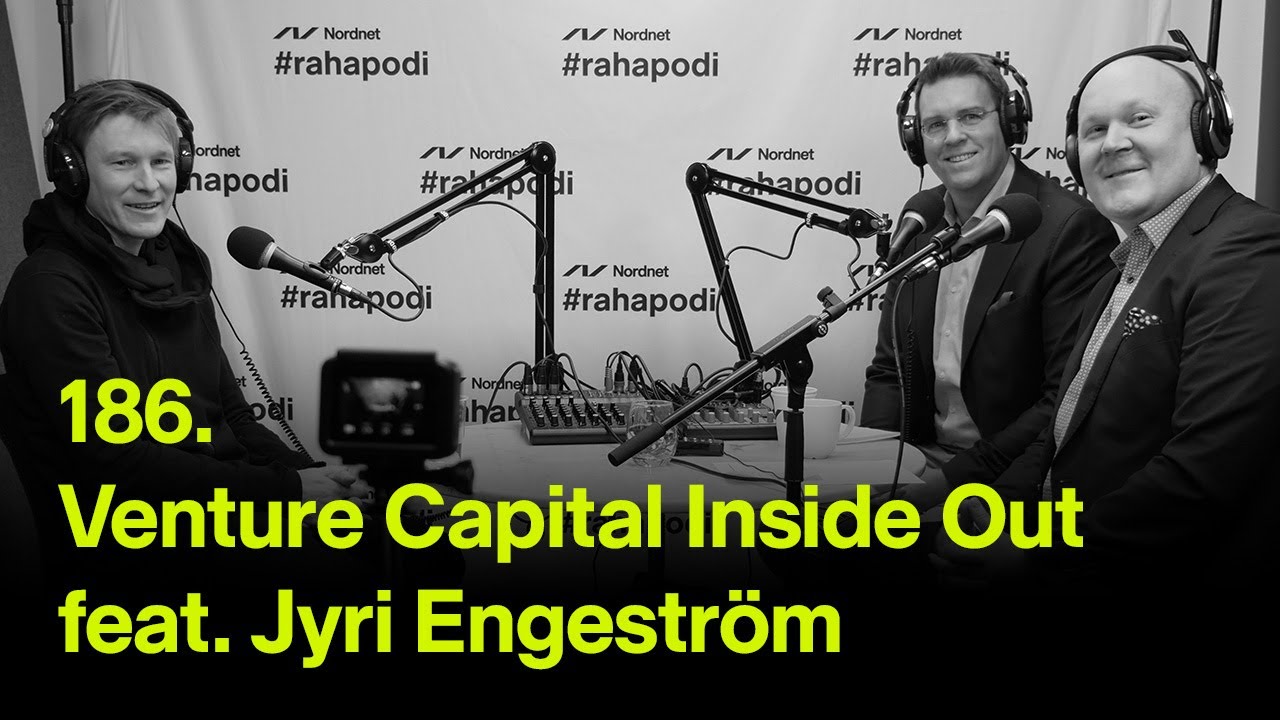
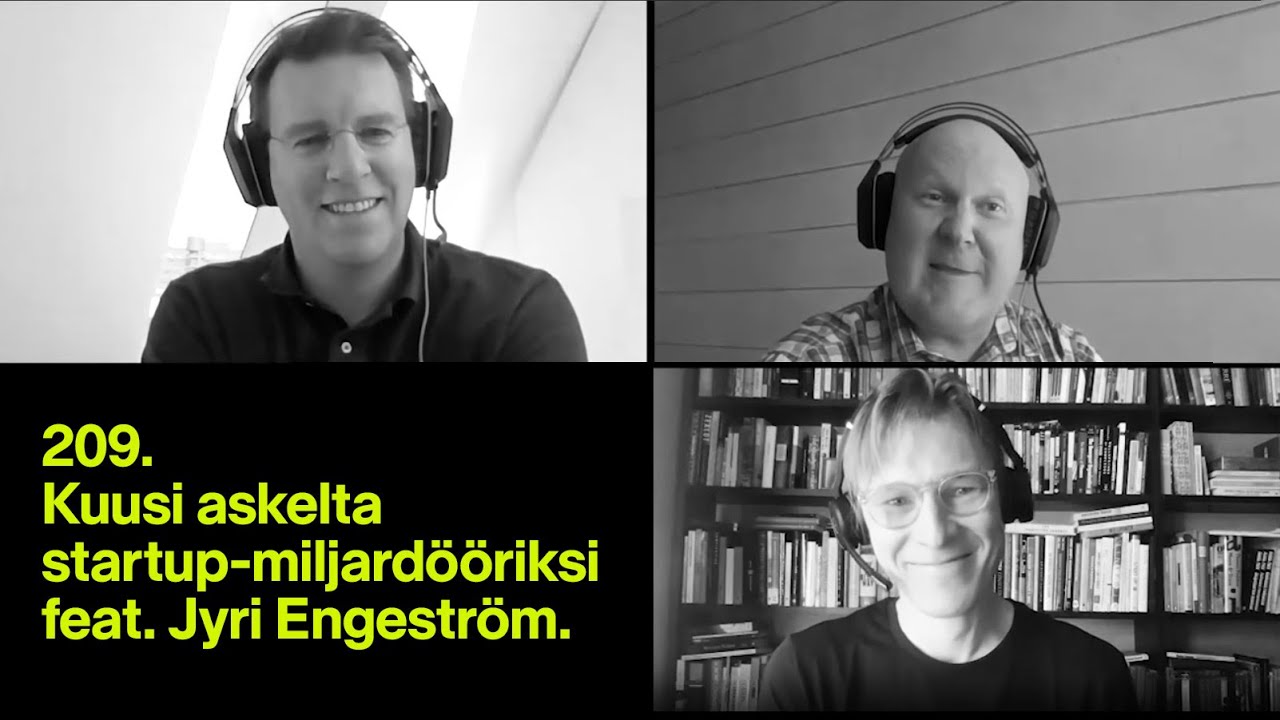
Kuuntelin aikanaan molemmat aihetta käsittelevät Rahapodit:
&
Täytyy todeta heti alkuun, että lähtökohtaisesti en usko monenkaan tavallisen tuulipuvun menestyvän tällä sektorilla. Perustelen näkemyksiäni seuraavilla poiminnoilla. Nämä poiminnat perustuvat muistikuviin noista podeista, joten älkää ampuko, jos muistan väärin.
Aikaisen vaiheen VC-sijoittajat tekevät rahastosta sijoituksia esim. 10-20 yritykseen, joista ainoastaan yksi on ns. fund returner. Tämä tarkoittaa miljardibisnekseksi kasvamista. Harvalla meistä riittää paukkuja laittaa todella moneen yhtiöön betsiä ja siltikin pitäisi aina löytää ne parhaat.
VC-sijoittajat tykkäävät sijoittaa yleisesti pääomakevyeen softa-bisnekseen tai johonkin jatkuvaa kassavirtaa tuottavaan liiketoimintamalliin, koska mitä enemmän rahoituskierroksia on, sitä huonompaan asemaan alkuvaiheen sijoittajat jäävät, ja toisaalta loppuvaiheen sijoitukset voivat olla luokkaa kymmeniä tai satoja miljoonia.
Liikevaihdon tulisi kasvaa noin 20 pinnaa kuukaudessa ja voitolliseksi tulisi päästä parin vuoden sisällä. Parhaat startupit eivät tietenkään tarvitse edes sijoittajia kasvuun, sillä varat kasvuun saadaan asiakkailta. Jos pörssiyhtiöiden liikevaihdon tai myynnin kehityksen seuranta on joskus vähän niin tai näin, miten tällaisten startupien kanssa sitten? Ja toisaalta, jos haetaan sijoittajilta rahaa, niin voiko olla niin, ettei se bisnes tai liiketoimintamalli ole kannattava?
VC-sijoittajilla ja enkelisijoittajille on omat verkostonsa. Harvalla tuulipuvulla on lähipiirissä tai tuttavapiirissä henkilöitä, jotka vinkkaavat hyvistä startupeista tai kasvuyhtiöistä, joihin kannattaisi perehtyä ja mahdollisesti sijoittaa. Me kaikki tiedämme, miten kuljettajien sijoitusvinkkeihin kannattaa suhtautua.
Tähän purkaukseen kannattaa suhtautua mielipiteenä, mutta itse ainakin näen tuossa VC ja startup skenessä vähän liian paljon riskejä. Palkinnot ovat toki moninkertaiset, mutta todennäköisyydet niiden saavuttamiseen ovat mielestäni huomattavan vähäiset.
Nostan kuitenkin Jyrin kaltaisille kultasormille. Timantin kova ammattilainen alallaan.
Martina Abell on kirjoittanut enkelisijoittaja Ali Omarista.
Toisin kuin pääomasijoittajat, enkelisijoittajat ovat usein yksityishenkilöitä, jotka sijoittavat omaa rahaansa alkuvaiheen yrityksiin – silloin, kun liikeidea on lupaava mutta kaupallinen menestys vasta orastavaa. Pääoman lisäksi enkelit tuovat mukanaan arvokasta osaamista, kokemusta ja kontakteja, joita varhaisessa vaiheessa tarvitaan.
Monet enkelisijoittajat ovat entisiä yrittäjiä, niin myös Ali Omar, joka teki exitin vuonna 2018 myymällä Kustaa Pihan kanssa perustamansa terveydenhuoltoalan yrityksen Med Groupin. Teknologia on kiehtonut häntä aina, ja exitin jälkeen hänellä oli sekä pääomaa että palo rakentaa tulevaisuutta – erityisesti teknologiayritysten parissa.
Jonkin verran enkelisijoittamista nähneenä ja kokeneena en mitenkään jaksa uskoa toiminnan tuotto-odotuksen olevan laaja-alaisen osakeindeksisijoittamisen tasolla. Monen enkelisijoittajan tuotto jää vielä miinusmerkkikseksi.
Miksi näin? Aikaisen vaiheen yhtiöiden valuaatiot ovat “hieman haastavia” perustuen tulevaisuuden odotuksiin. Nämä valuaatiot ovat viimeisen 10 vuoden aikana Suomessa myös olennaisesti nousseet, joten halvalla ei tule pääsemään mihinkään mukaan. Toinen merkittävä tekijä on sijoituscasejen laatu: Mikäli juuri sinulle tullaan jotain sijoitusmahdollisuutta tarjoamaan, on hyvinkin todennäköistä aika monen sijoittajan sanoneen caselle “ei kiitos”. Parhaat caset päätyvät ammattisijoittajille joilla on sijoituskapasiteettia huomattavasti enkelisijoittajaa enemmän.
Miten enkelisijoittaja voi parantaa omaa tuotto-odotustaan? Ainakin pelkällä rahalla sijoittaminen kannattaa unohtaa. Rakentamalla sivutulovirtoja, esimerkiksi nostamalla hallituspalkkioita sijoituskohteistaan tai myymällä oman firmansa palveluita yhtiöille voi kokonaisuuden saada pyörimään paljon järkevämmin.
 kuljettajien sijoitusvinkkeihin kannattaa suhtautua.
 Jyrin kaltaisille kultasormille. Timantin kova ammattilainen alallaan.