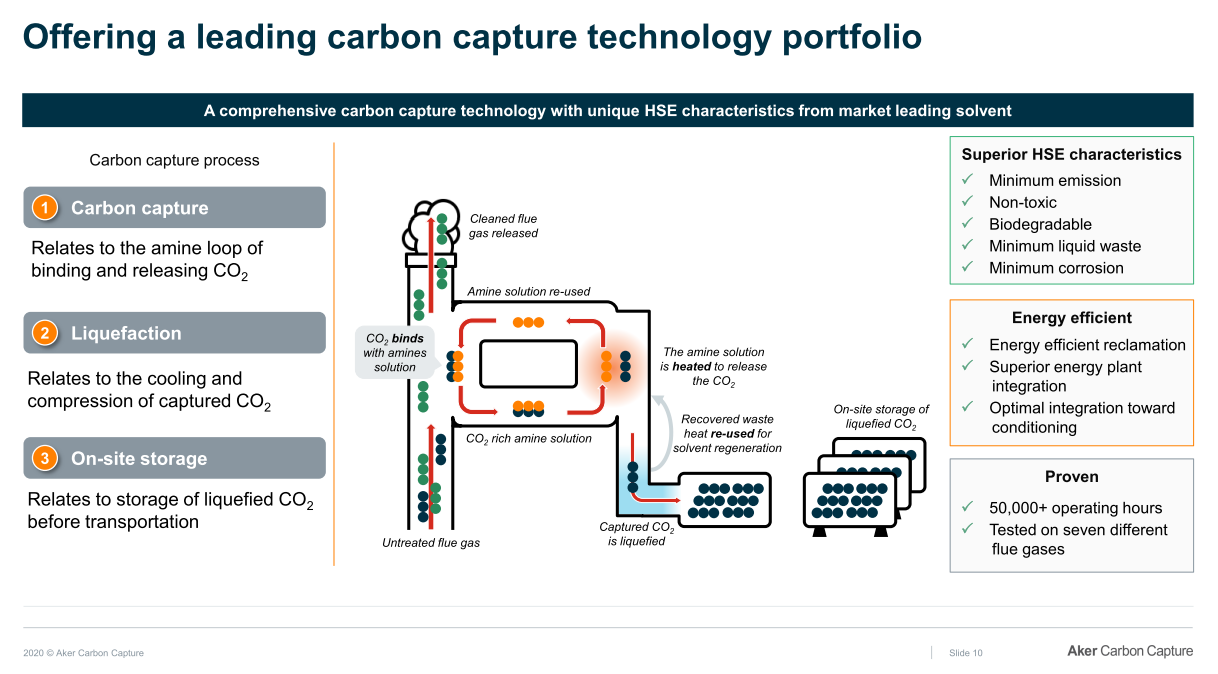
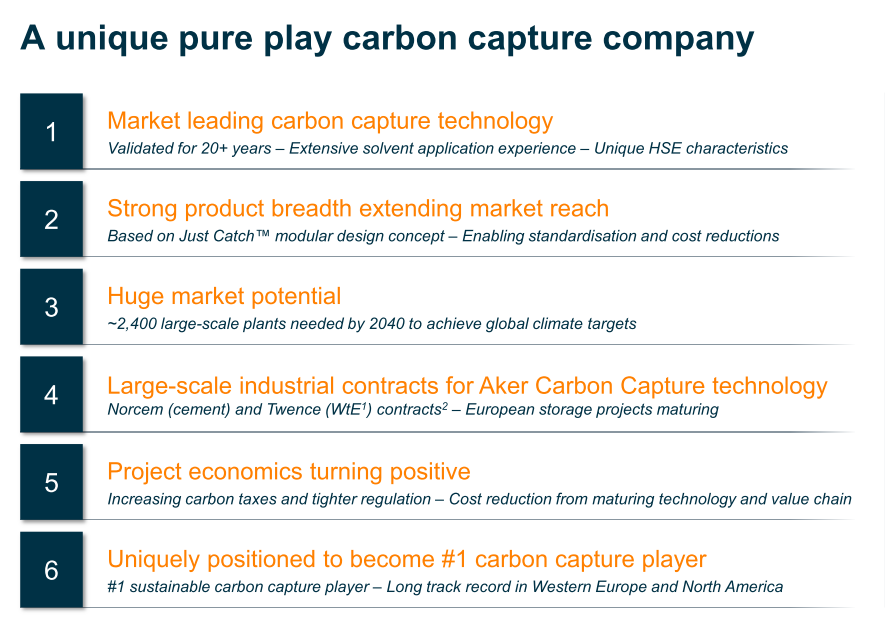
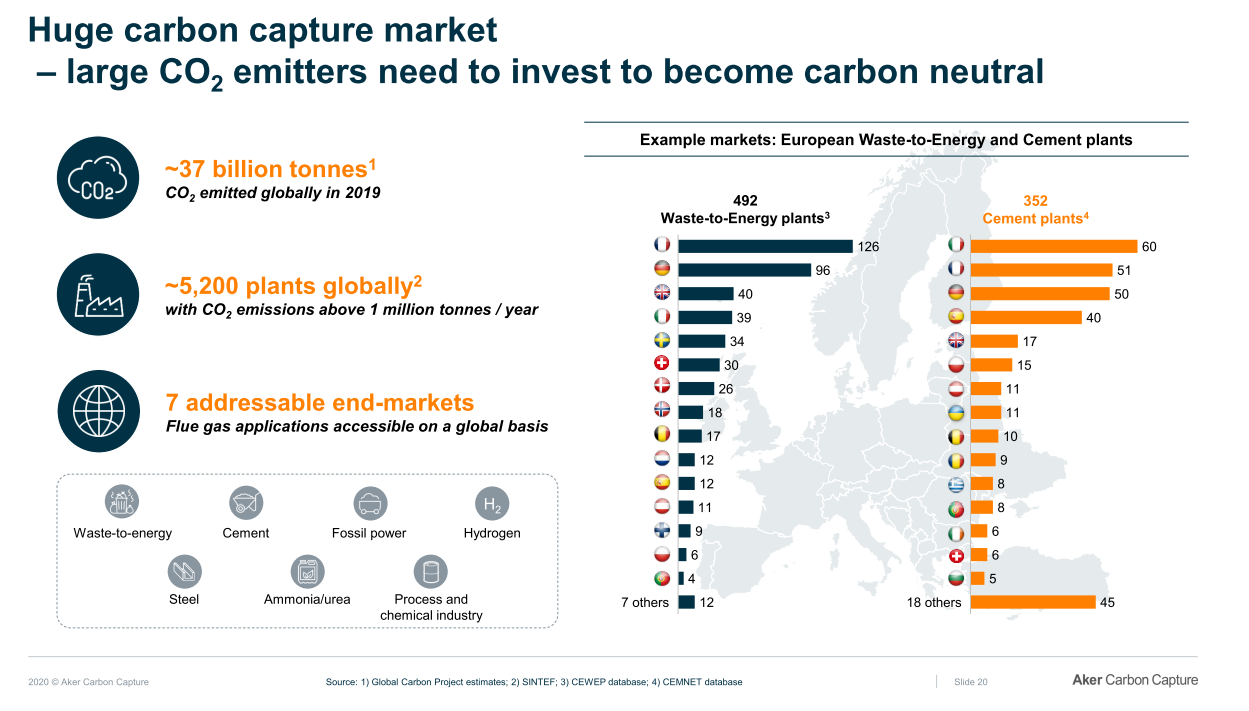
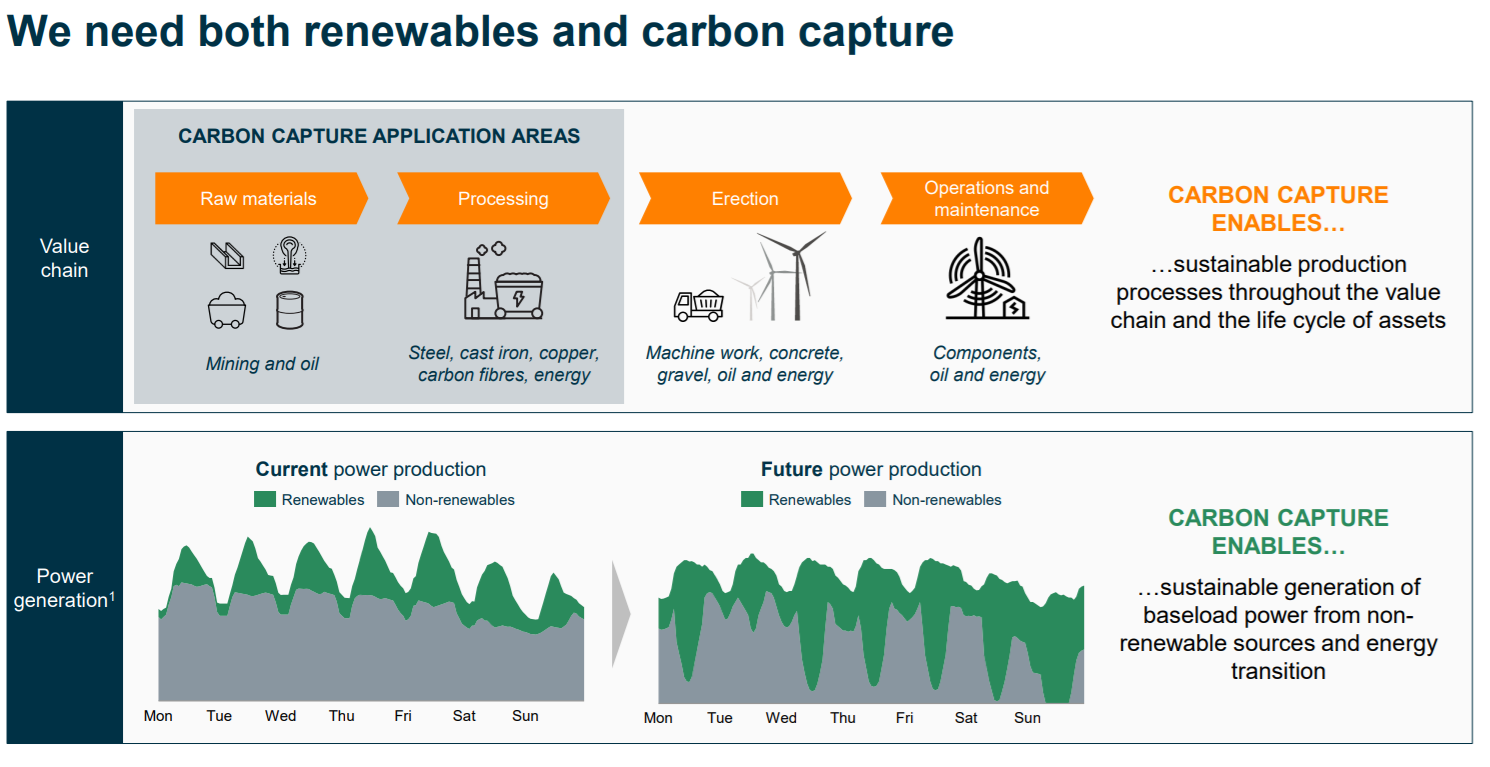
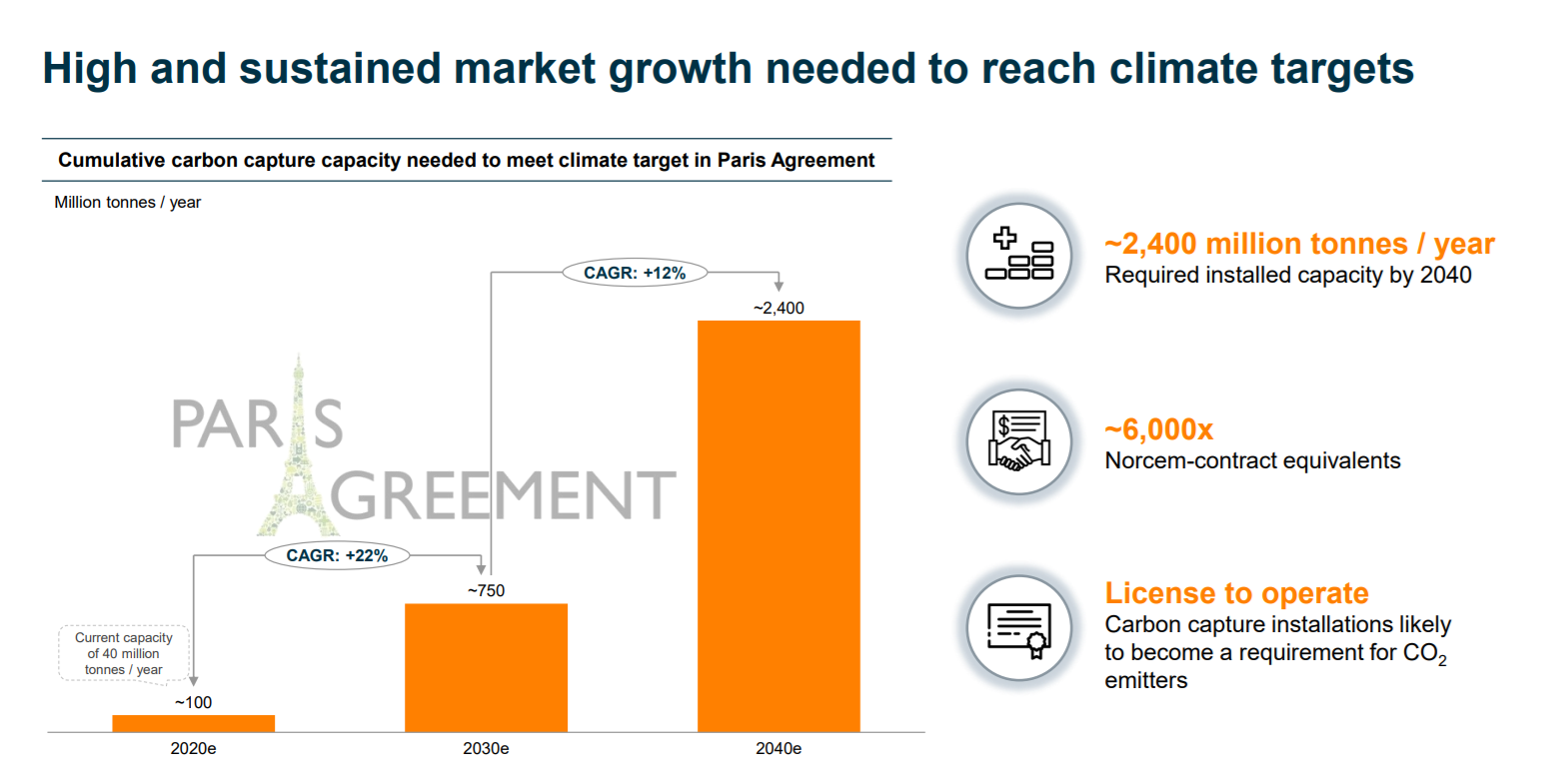
Nämä ovat yrityksen omasta esitysmateriaalista, joten mikäli heräsi mielenkiinto suosittelen tutustumaan myös muuhun materiaalin kuin yrityksen omaan!
Negatiivisena puolena CC:ssä on syytä mainita se, että hommahan ei ole täysin “vihreää” vaan se on hiilidioksidin varastoimista erilaisiin paikkoihin. Isona riskinä on sitten tuo hiilidioksidin säilömisen varmuus pitkällä aikavälillä. Positiivista tässä on se, että tämä voidaan ottaa heti käyttöön ja ei vaadi mittavia investointeja.
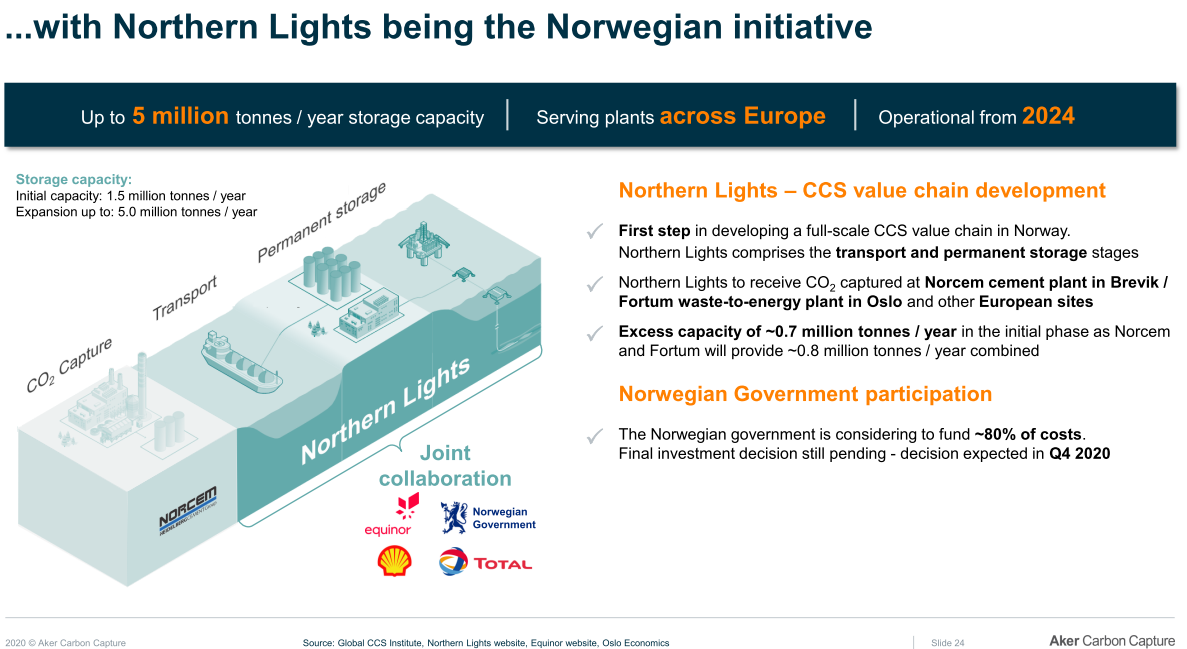
Norjan hallitus pistämässä 2.7 nok miljardia hiilidioksidin “vangitsemiseen”, kuljettamiseen ja varastointiin.
Jotain lukee myös yli 16 miljardin yhteissatsauksesta kaikkiaan.
Täällä ainakin luki, että summa olisi 16 miljardia:
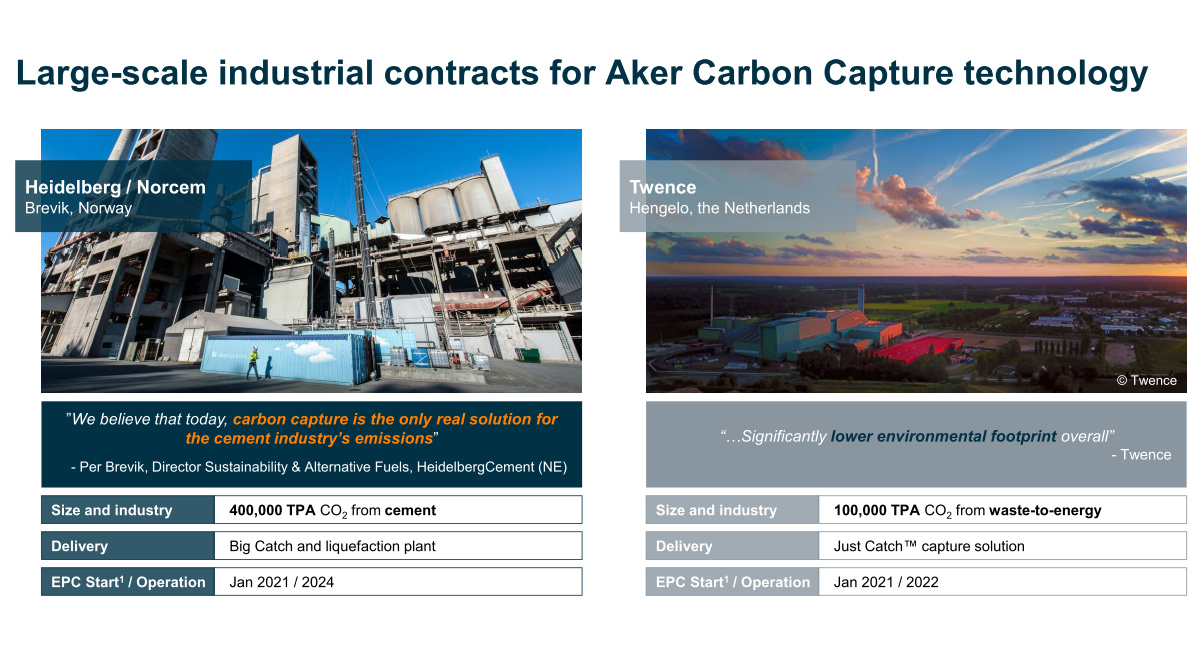
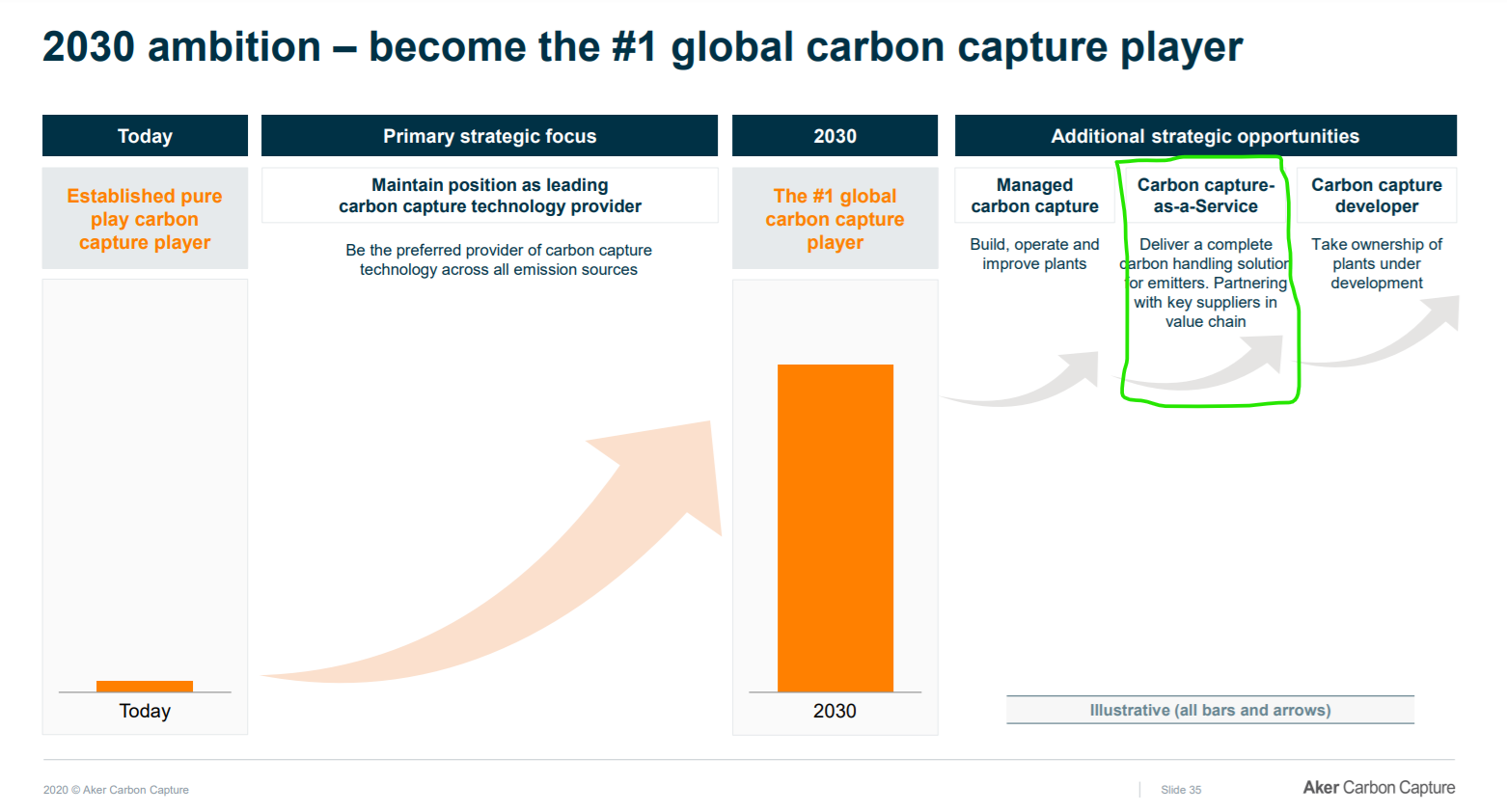
Fortumin sivuilta löytyvässä artikkelissa taas projektin kokonaishinnaksi sanotaan 13,1 miljardia. ACC on mukana molemmissa mainituissa projekteissa, kuten yhtiön presentaatiosta voidaan havaita. https://www.fortum.com/media/2018/11/full-scale-carbon-capture-and-storage-ccs-project-initiated-norway
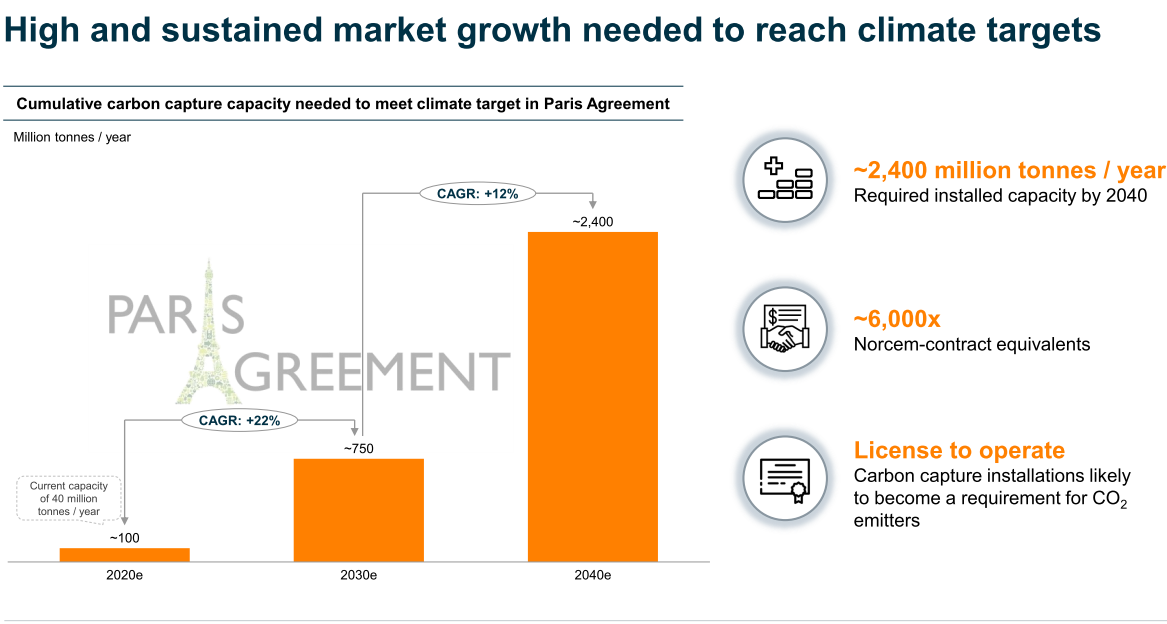
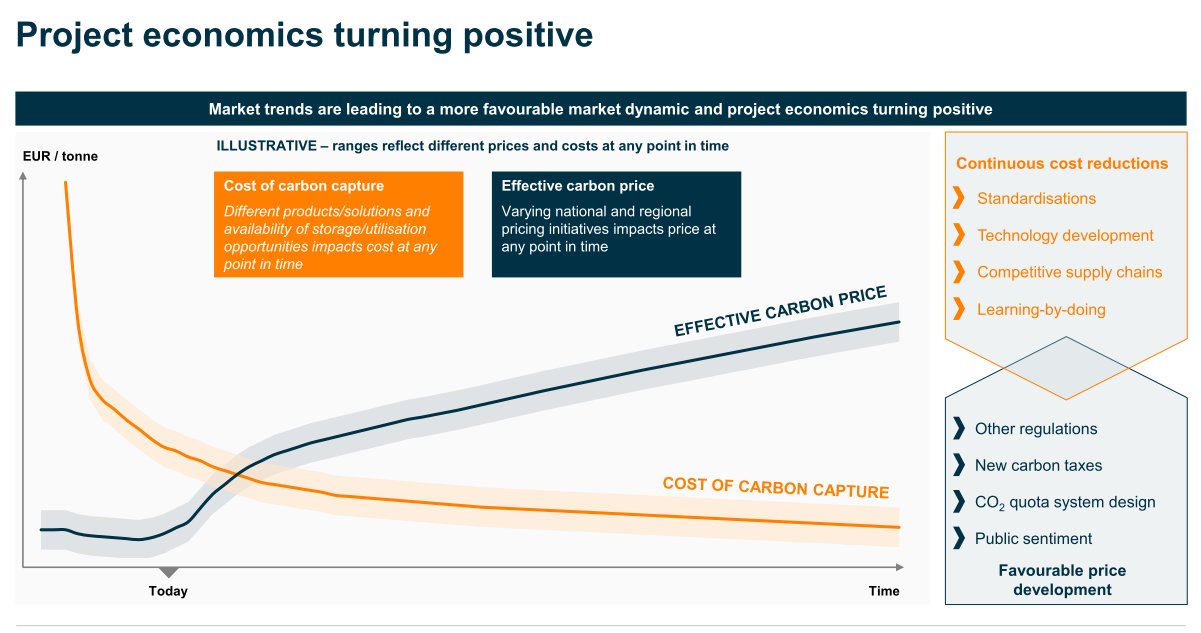
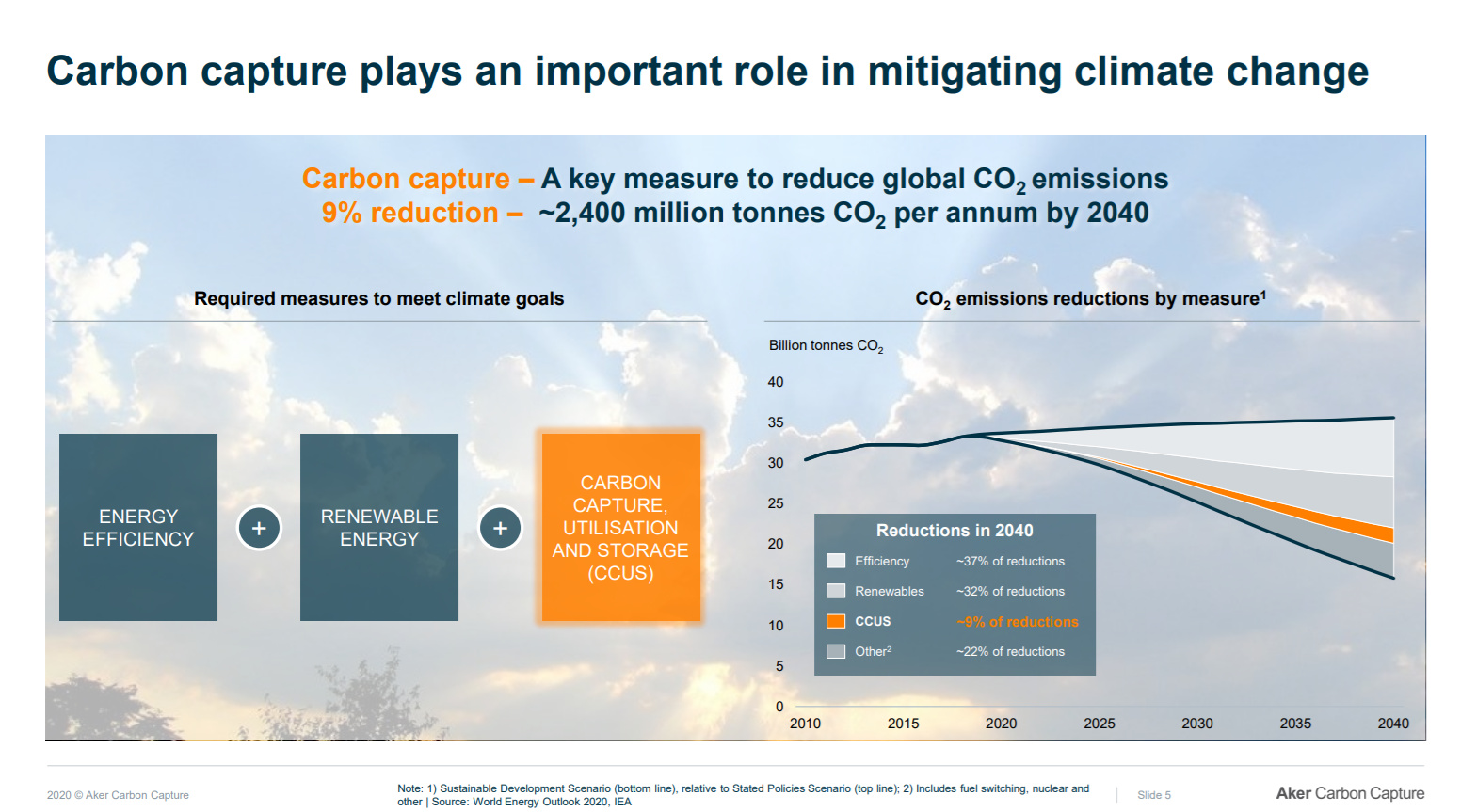
Yleisenä kommenttina sanoisin vielä, että yhtiön bisnes on erittäin mielenkiintoiselle alalle sijoittuva. Vetyä ja muita ympäristöystävällisiä energialähteitä pyritään hyödyntämään kestävän energian tuotannossa. Hiilidioksin normaali määrä ilmakehässä on ylittynyt, sitä vapautuu jatkuvasti lisää ja tulee tulevaisuudessakin vapautumaan. Ohessa ennuste presentaatiosta:
Näin ollen ACC:n tarjoama teknologia on erittäin tärkeä, yhden aikamme visaisimpien ja keskustelluimpien ongelmien ratkaisussa, ilmastonmuutoksen pysäyttämisessä. Ideatasolla ajatellen bisneksellä on siis kaikki mahdollisuudet menestyä sekä kasvaa, ja vieläpä kaikkien valtioiden sekä liittojen tuella.
Lueskelin juuri Nomadin blogia, missä mainittu ACC-ME, ja tulin katsomaan onko täällä vielä keskusteltu putiikista, hyvin ajoitettu
Yllättäen firmalle löytyy jo kolmen analyysitalon suositusta, SEB on täräyttänyt ostosuosituksen 17,50 tavoitehinnalle, ja Fearnley sekä Carnegie 11,00 tavoitehinnat (päivän päätöskurssi 8,53). Tämähän lähtee näillä puheilla heti tarkempaan selvittelyyn!
Kiitos avauksesta, uusi tuttavuus itselle. Olin ajatellut, että FCEL:in tyyppiset laitokset olisi tässä kategoriassa mukana, mutta varastoiminenhan on ihan eri ratkaisumalli. Minneköhän maihin näitä ajatellaan varastoitavan ja laivoilla kuljetellaan (jäte/onnettomuusriski)?
Liikevaihto oli 500kusd luokkaa? Eli on paljon tässäkin sitten vielä promise warea. Eipä siinä, tässä kohtaa tietysti on mahdollisuus vielä saada edullisesti. Onko kilpailijoista tietoa?
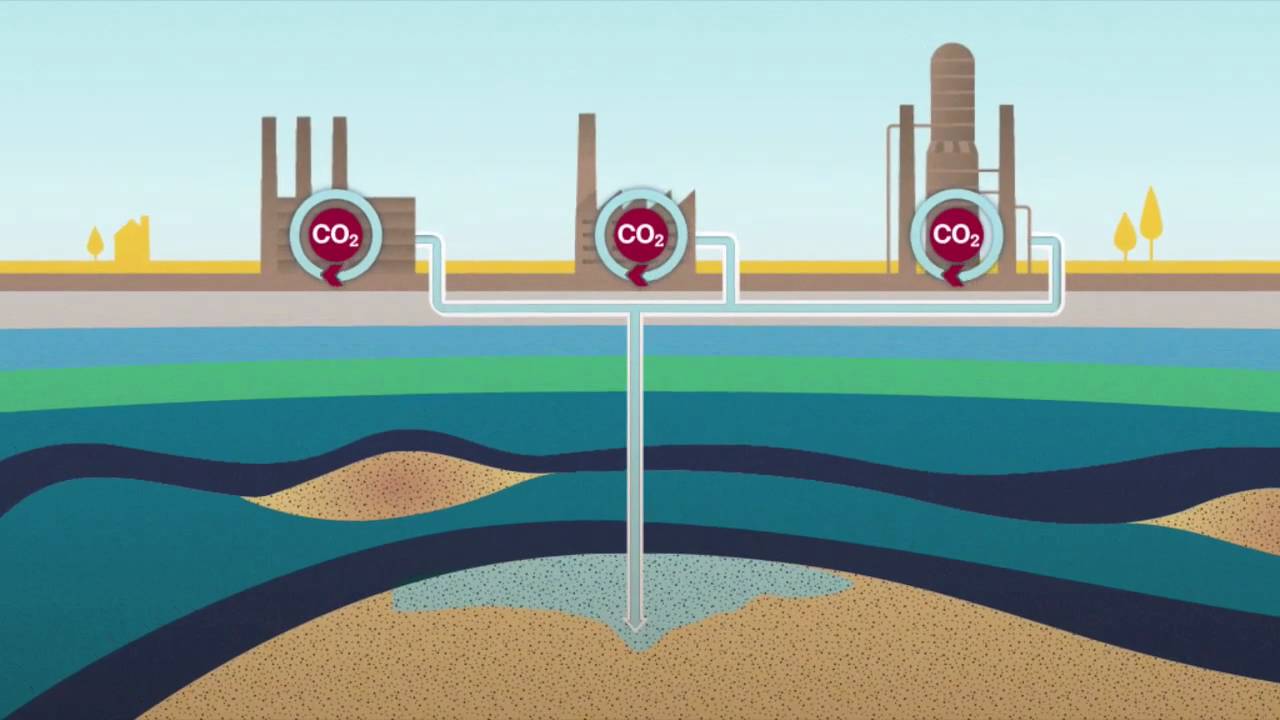
Hanke (-eet), jossa Fortum on mukana Oslon kaupungin kanssa, niissä on tarkoitus talteenottaa CO2 ja kuljettaa tankkereilla välivarastoihin Länsi-Norjaan ja sieltä pumpataan syvälle merenpohjan alle.
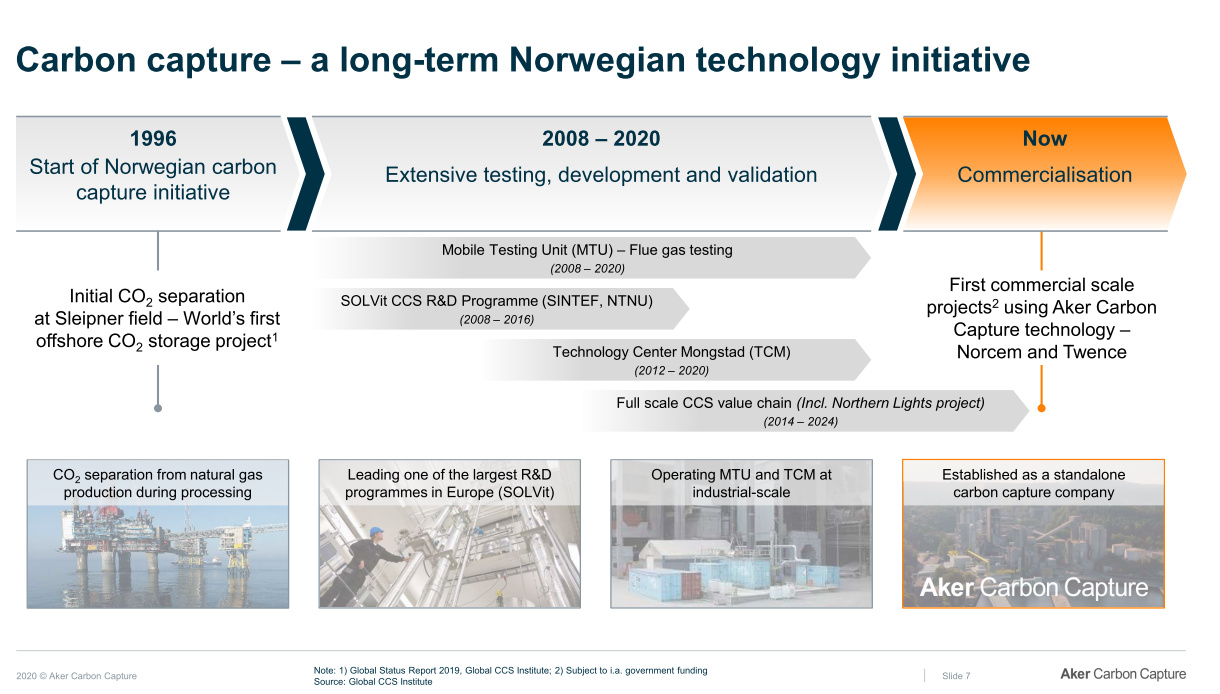
Sinänsä tällaista vastaavanlaista talteenottoa on tehty jo kymmeniä vuosia mm. Equinor, ja ovat saaneet isoja verohyötyjä.
Maailmassa on useita maakaasun tuotannon yhteydessä olevia CCS-laitoksia esim. Yhdysvalloissa, Kanadassa ja Norjassa.
SEB heittää aika usein poskettoman korkean tavoitehinnan sen jälkeen, kun heidän rahastonsa ovat tankanneet reippaasti laidasta ostaen (samalla nostaen kurssitasoa kymmeniä prosentteja). Varmaankin SEB on ollut osallisena viime aikojen kovaan kurssinousuun.
… ja siellä merenpohjan alla se CO2-kaasu sitten pysyy ikuisesti eikä liukene mihinkään, ei reagoi mihinkään, eikä etenkään nouse uudelleen meren pintaan??
Masse-setä, FA, setä tarvitsee jo nyt vähän lisähappea päivittäin, ei lisähiilidioksidia
CCS on hyvä vain siinä tapauksessa että CO2 käytetään jatkojalostuksessa esim. synteettisten polttoaineiden valmistamiseen yhdessä vedyn kanssa, se että piipusta pumpataan CO2 merenpohjaan ei ole
kovin fiksua noin ylipäätään (joskin jos vaihtoehto on ilmakehä niin sen ehkä ymmärtää)
ei taida olla ihan varmaa mikä sen ympäristövaikutus on
antaa tekosyyn olla menemättä suoraan oikeasti puhtaisiin ratkaisuihin.
Ymmärrän että heti ei voida lopettaa tupruttamista mutta jotenkin se sahaa väärään suuntaan että tungetaan se CO2 johonkin piiloon, “out of sight, out of mind” periaatteella.
Norskeilla on sitä rahaa niin perkeleesti, siellä voisi joku nyt todeta että helvetti mehän tehdään Norjasta synteettisten polttoaineiden kärkimaa, tuulella ja vedellä eka puhdasta vetyä, CCS CO2 sekaan ja synteettinen kerosiini/jet fuel/bensa maailmalle tankkereilla.
Joo, Suomessa pilotti menossa, Solarfoods kyseessä. Ottaa CO2:n suoraan ilmasta, ei tarvitse tehtaasta kiikuttaa. Toki isossa skaalassa voi vaatia vähän ulkopuolista apua, CO2:n ottaminen ilmasta ei taida olla ihan helppoa.
Nestemäistä hiilidioksidia voidaan pumpata esimerkiksi tyhjennettyihin öljy- ja maakaasukenttiin, hyödyntämättömiin hiiliesiintymiin, tai kallioperässä oleviin suolaisiin vesikerrostumiin.Yksi varastoinnin tavoista on siis kuljettaa CO2 putkistoissa erilaisiin geologisiin paikkoihin. Hiilidioksidia injektoidaan paineistettuna (> 74 bar), jolloin se tunkeutuu kiven rakoihin ja huokosiin. Tämän takia CO2 injektoidaan myös hyvin syvälle maahan jotta kivikerrostumien muodostama paine vastaisi injektoidun hiilidioksidin painetta. Eri fysikaaliset ja geokemialliset seikat estävät nousemisen takaisin pintaan, tärkeimpinä läpäisemätön tiivistyskerros. Kun injektointi loppuu, jää CO2 paineesta johtuen “loukkuun”.
Viimeaikoina ehkä enempi pohdittu varastointia meriin yli kolmen kilometrin syvyyteen, jolloin hiilidioksidi on vettä tiheämpää ja sen oletetaan muodostavan ns. CO2 “järviä”. Tässä on vielä paljon avoimiaa kysymyksiä mitä se tekisi vesistöille, mm. happamoitumista ja ympäristön eliöille haittaa voi esiintyä.
Sitten on ne vanhat kaasu/öljyesiintymien “loukut” merien alla ja meren pohjan alla olevat sijoituskohteet. Siellähän olisi sopiva paikka, kun periaatteeessa saadaan tuollainen CO2 “järvi” joka pysyy omana esiintymänä (selitetty yllä) ja sen lisäksi ympäröivä massa eristää sitä.
Tiivistettynä siis syvyyden paine pitää nesteytetyn hiilidioksidin nesteenä, eikä se pääse maan pinnalle, veteen, tai edelleen ilmakehään.
Alunperinhän ilmakehään vapautunut hiilidioksidi on ollut säilössä maapallon pitkäaikaisvarastoissa. Näitä ovat mm. meret, metsät, suot, maaperä ja maasta saatavat fossiiliset polttoaineet (öljy). Näin ollen hillidioksidia on aina ollut varastossa (,jota viime vuosikymmeninä on vapautunut suuria määriä) ja ACC varastoi ylimääräistä ja ilmastolle haitallista hiilidioksidia jälleen säilöön, ikään kuin kiertokulussa vastakkaiseen suuntaan. Kuitenkin hiilidioksidinkin talteenoton ohella muut vihreän tulevaisuuden ratkaisut ovat tärkeitä, mutta hiilidioksidinkin talteenottoa tarvitaan. Joten, jos joskus päästään täysin tai lähes uusiutuvan energian tuotantoon, voidaan tätä siinä tapauksessa pitää eräänlaisena väliratkaisuna mutta erittäin pitkällä aikavälillä.
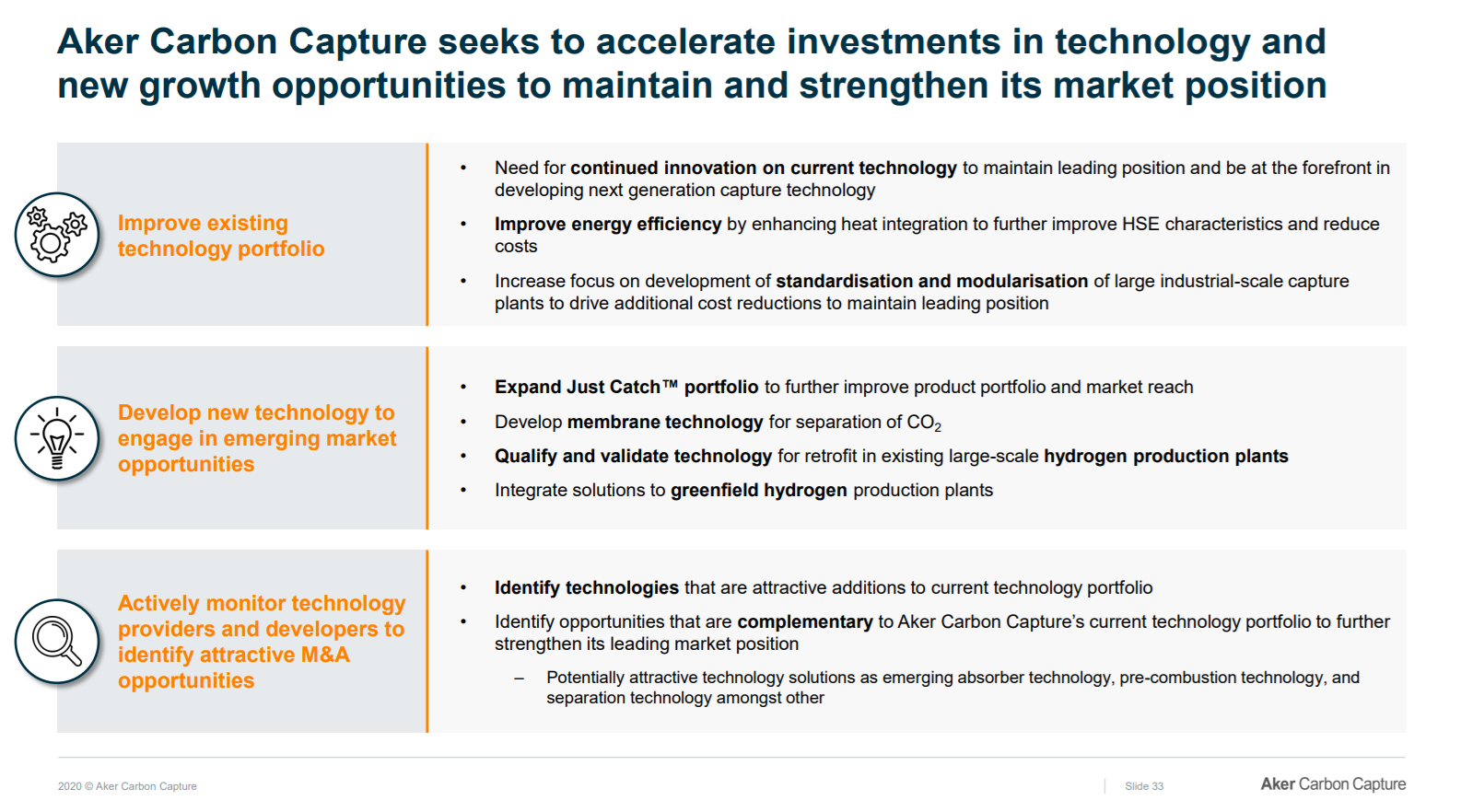
ACC:kin on kuitenkin ilmaissut halukkuutensa ja suunnitelmansa mukautua ajansaatossa markkinaan ja myös toimimaan yhdessä uusituvien energioiden parissa työskentelevien kanssa sekä mahdollisesti hyödyntää hiilidioksidia kemian teollisuudessa: