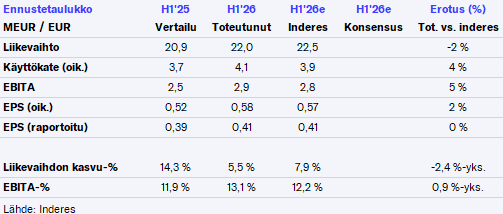
Olisipa mielenkiintoista nähdä ennuste, joka huomioi yrityskauppojen myötä syntyvän, yrityksen strategian mukaisen liikevaihdon kasvun myös tuleville vuosille. Nythän historiaa on takana jo puolisen tusinaa vuotta, ja strategiaa on toteutettu johdonmukaisesti, eikä strategiaan tietääkseni ole tullut muutoksia. En muista nähneeni tavoitehinnan muodostuksessa käytetyissä ennusteissa tätä kasvua. Robo ehkä huomioi jotain ensi vuodelle.
Oman kirjanpitomoduulin pilotointivalmius kertoo paljon siitä, kuinka olennaisesti ohjelmistokehityskustannukset ovat laskeneet 20 vuoden aikana. Mielestäni siihen ei liity mitään suurta riskiä Aallon Groupin toteuttamalla kevyellä kehitysstrategialla. Itse asiassa nyt mielestäni on otollinen hetki toteuttaa tällaista omaa ohjelmistoa, kun toteutus on tietysti natiivisti web-pohjainen, mutta kehityksessä voidaan huomioida natiivisti myös AI:n tuomat mahdollisuudet. Niiden lisääminen jo olemassa oleviin raskaisiin ja kankeisiin järjestelmiin on vaikeaa, mutta tässä vaiheessa kyseessä on mielenkiintoinen mahdollisuus.
Mielestäni on myös täysin selvää, että oma ohjelmistokehitys on ainoa oikea tapa pitää ohjelmistokustannukset järjellisinä, ja siihen yhdistettynä riittävä sitoutumattomuus yhteenkään yksittäiseen ohjelmistotoimittajaan on järkevää. Hieman olen ihmetellyt joidenkin pelkokommentteja tästä. Itse olen sijoittajana vain erittäin hyvilläni siitä, että panostetaan näin tärkeään asiaan, joka voi viedä niin yhtiön tulosta kuin osakekurssiakin reilusti ylöspäin lähes mitättömällä riskillä nykyisillä panostuksilla.
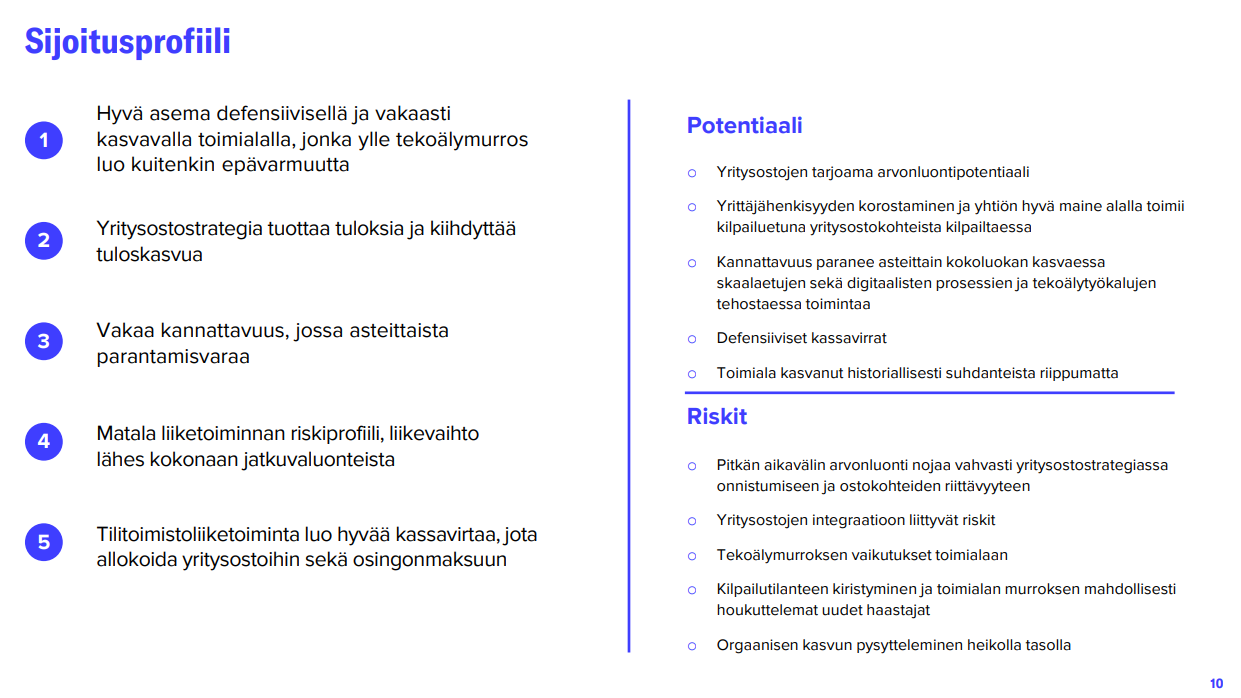
Kommenttia AI:sta. AI tuo mahdollisuuksia, mutta sen uhkaa tälle toimialalle mielestäni liioitellaan voimakkaasti. Hieman sama kuin polttomoottoriauton kehittämisen jälkeen ajateltaisiin, että kaikki matkustavat kohta avaruuteen omilla raketeilla. Perustelen hieman.
Jos AI:n kasvavia vaatimuksia ymmärtää tiedon määrän, kompleksisuuden, virhealttiuden, virheiden tarkistamisen hankaluuden ja vastuiden kasvun näkökulmista, niin huomaa nopeasti, että ollaan eksponentiaalisella vaatimustason käyrällä, jota AI:n ei ole realistista tavoittaa siten, ettei ala ehtisi olennaisesti siihen sopeutua.
Virhealttius on kaikkien generatiivisten laajojen kielimallien geeneissä (x.Ai, Claude, ChatGPT, Perplexity), eikä sitä ole kyetty ratkaisemaan, eikä siihen ole ainakaan julkisesti ehdotettu uskottavaa ratkaisumallia. Hypeä kyllä on.
Oman erillisen haasteensa tuovat Suomen lainsäädännön, työehtosopimusten, KHO:n/KKO:n päätösten, ohjeistuksien ynnä muiden tulkinnanvaraisuudet ja jopa ristiriitaisuudet. Tilitoimistoilla on vastuuvakuutukset virheiden varalle, mutta esimerkiksi Anthropic tuskin kantaa taloudellista vastuuta, jos Claude tekee olennaisia virheitä tulevaisuudessakaan, vaikkapa verottajan suuntaan. Tässä päästään vähän samaan ongelmaan kuin että jos Tesla itseajo päällä ajaa kolarin, niin kenellä on vastuu - AIn koodanneella yrityksellä vai auton omistajalla (kuka on kuski, jos kaikki matkustajat ovat takapenkillä)? Milloin Tesla alkaa kantamaan vastuun tästä? Ei koskaan?
Oman näkemykseni mukaan tekoälyassistentit eivät tule saavuttamaan kyvykkyyttä tarjota sitä taloushallinnon palveluiden tasoa, jota asiakasyritykset tarvitsevat, kun kyseessä on vähänkään kannattavan asiakkaan kokoinen yritys toiminnaltaan. Edellä mainituista syistä. Erilaiset osakesalkkuyhtiöt eivät ole tilitoimistoalan core businessia, vaan hieman enemmänkin sellaista pienikatteista hyväntekeväisyystoimintaa. Se, että tekoälyassistentit korvaisivat taloushallinnon palveluiden tarpeen tilitoimistoille hyvin kannattavilta asiakkailta ja siten olennaisesti vähentäisivät tilitoimistoalan kannattavuutta tai tarpeellisuutta, ei siis ole vielä mielestäni realismia.
Lisäksi tehokkaiden AI-mallien palvelut ovat olennaisilta osin maksullisia tai siirtymässä maksullisiksi. Esimerkiksi ChatGPT:n paras malli (PRO) maksaa yli 100 €/kk yksityishenkilölle (ChatGPT huomautti että listahinta USAssa on 200$/kk), joten en pitäisi sitäkään ilmaisena. Hintakehityksessä ei myöskään ole nähtävissä, että nämä olisivat tulossa alaspäin – päinvastoin. Muun muassa energian hinnan nostaminen ja verotuksellinen tarve ovat tulevaisuudessa kasvamassa, mutta myös kannattavuuden parantaminen on tarpeen, kun investoinnit ovat tähtitieteellisiä. Maksajina tulevat olemaan näiden mallien käyttäjät, luultavammin erityisesti yritykset.
Tietysti AI:sta on kaikenlaista puhetta, väitteitä ja ”tietoa”, jolla eri ”pelaajat pelaavat” omiin pusseihinsa. Vai pitäisikö tässä ajatella, että kaikki osakkeet on sama myydä (tai jopa hyvä myydä), kun Musk lupaa, että tulevaisuudessa ei tarvitse tehdä töitä, kun androidit tekevät kaikki työt vastikkeetta, jolloin ei tarvita enää yrityksiäkään eli ei enää ole tai tarvita yritysten osakkeitakaan kun yrityksiä pyörittävät samaiset androidit? Tätä ennen sijoittaa vain SpaceX?
Olisi mielenkiintoista kuulla, mikä olisi Aallon Groupin osakkeen tavoitehinta, jos AI:ta ei nähtäisi pääasiassa uhkana ja tulevaisuuden ennusteet olisivat sen mukaisia. Tai ainakin koin, että aiemmin vedettiin tiukat linjat, kun katsottiin, että AI uhkaa kuin Andromeda aikanaan.
Ehkä voisi ajatella vähintään niin, että positiiviset odotukset (uudet palvelut, paremmat ohjelmistot, tehokkuus) ja negatiiviset odotukset (tarvitaan vähemmän palvelua) kumoavat toisensa, kun kyse on kuitenkin spekulatiivisista asioista??
Mielestäni 10,50 euron tavoitehinta tuntuu kovin alhaiselta. Näyttää myös siltä, että osakkeen kurssi seuraa melko orjallisesti tavoitehintaa, noin 1–2 euroa sen alapuolella.
ps. ChatGPT ei ainakaan olennaisesti ollut eri mieltä tässä esittämistäni seikoista ja kivasti stilisoi tämän tekstinkin. Jotkut asiat ovat mielipideasioita.

 Se aiempi pointti juuri siinä, että yritän aina valmiiksi ottaa hieman pois nuista ilmoitetuista lukemista lähivuosille, jotta sitä perälaudan vuotoa saisi huomioita. No ensimmäisen vuoden jälkeenhän se ostettu liikevaihto siellä sitten kehittyy “orgaanisesti”, ja ne malliin asetetut odotukset orgaaniselle kasvulle koskettavat myös sitä liikevaihtoa. Historiassa ne omat orgaanisen kasvun oletukset ovat olleet liian optimistisia toteumaan nähden. Osaltaan siihen vaikuttanut myös Suomen talouden mörniminen.