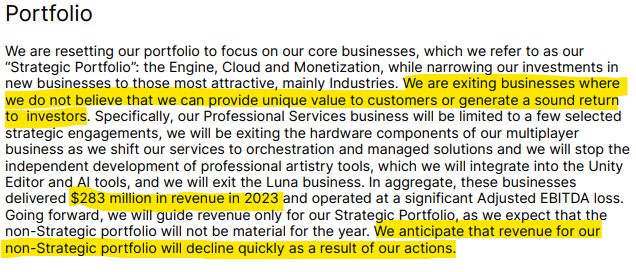
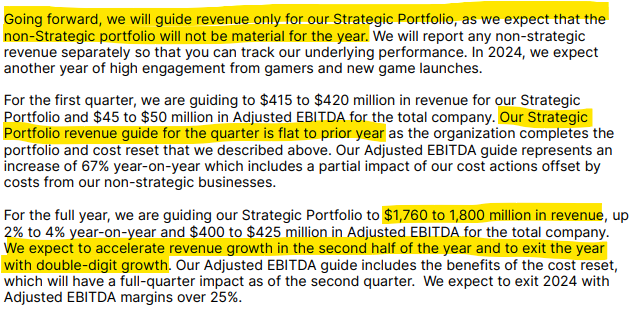
Tässä puhutaan oikaistusta käyttökatteesta (adjusted EBITDA), jonka oletan olevan suuri pettymys sijoittajille. Vielä viime vuoteen asti raportoitiin “non-GAAP income (loss)” ja “non-GAAP operating margin”, nämäkin siis oikaistuja, mutta sentään alempana tulosrivillä. Jos ohjeistetaan oikaistua käyttökatetta, niin mitä sillä halutaan piilottaa? Poistot ovat luonnollisesti kasvussa IronSourcen hankinnan jälkeen.
Hyvä korjaus, editoin - pitkiä postauksia kännykällä rustaillessa tulee kaiken laista
Tuo on kyllä ehdottoman hyvä huomio, tästä tulee vahvasti kuva että yritetään kaunistella minkä pystytään.
Toki tämä voi osittain johtua kahden eri ison puljun käytäntöjen yhdistämisestä tai vastaavaa, mutta ehkä tässä koitetaan saada tilanne kuulostamaan paremmalta kuin se todellisuudessa on tms.
Unitylla vielä kolmas irtisanomiskierros - tällä kertaa lähtee noin 600 henkeä (8% työvoimasta). Toisaalta harmi, mutta toki tervehdyttää kulurakennetta ja toivottavasti myös vähentää tuota osakediluutiota optioiden kautta.
Lisäksi pidemmällä aikavälillä toimistojen määrää aiotaan ympäri maailmaa vähentää noin 60:stä 30:een.
Koitin LinkedIn:stä hieman tähyillä, mutta aika hiljaista oli ainakin nopealla haulla - voisi siis kuvitella irtisanottujen saaneen ihan ok paketteja tms. jotka toki näkyvät kertakuluina. Pitää pitää tätä silmällä ja katsella tarkemmin miltä osastoilta porukkaa mahdollisesti lähtee, sillä se voi toki kertoa myös eri toimintojen tuloskunnosta ym.
Pidemmällä aika välillä tämä on varmasti ihan hyvä juttu, Unityn organisaatio on käsittääkseni paisunut aika lailla viime vuosina ja kuten tuosta toimistojenkin määrästä voi päätellä, niin päällekkäisyyksiäkin varmasti on.
Unity päätynyt otsikoihin: Unity plan pricing and packaging updates | Unity Blog. Jatkossa perustason paketin tilaajat joutuvat maksamaan Unitylle $0.20 per asennettu peli, jos pelin liikevaihto on yli $200 000 viimeiseltä vuodelta ja peliä on asennettu elinikänsä aikana yli 200 000 kertaa.
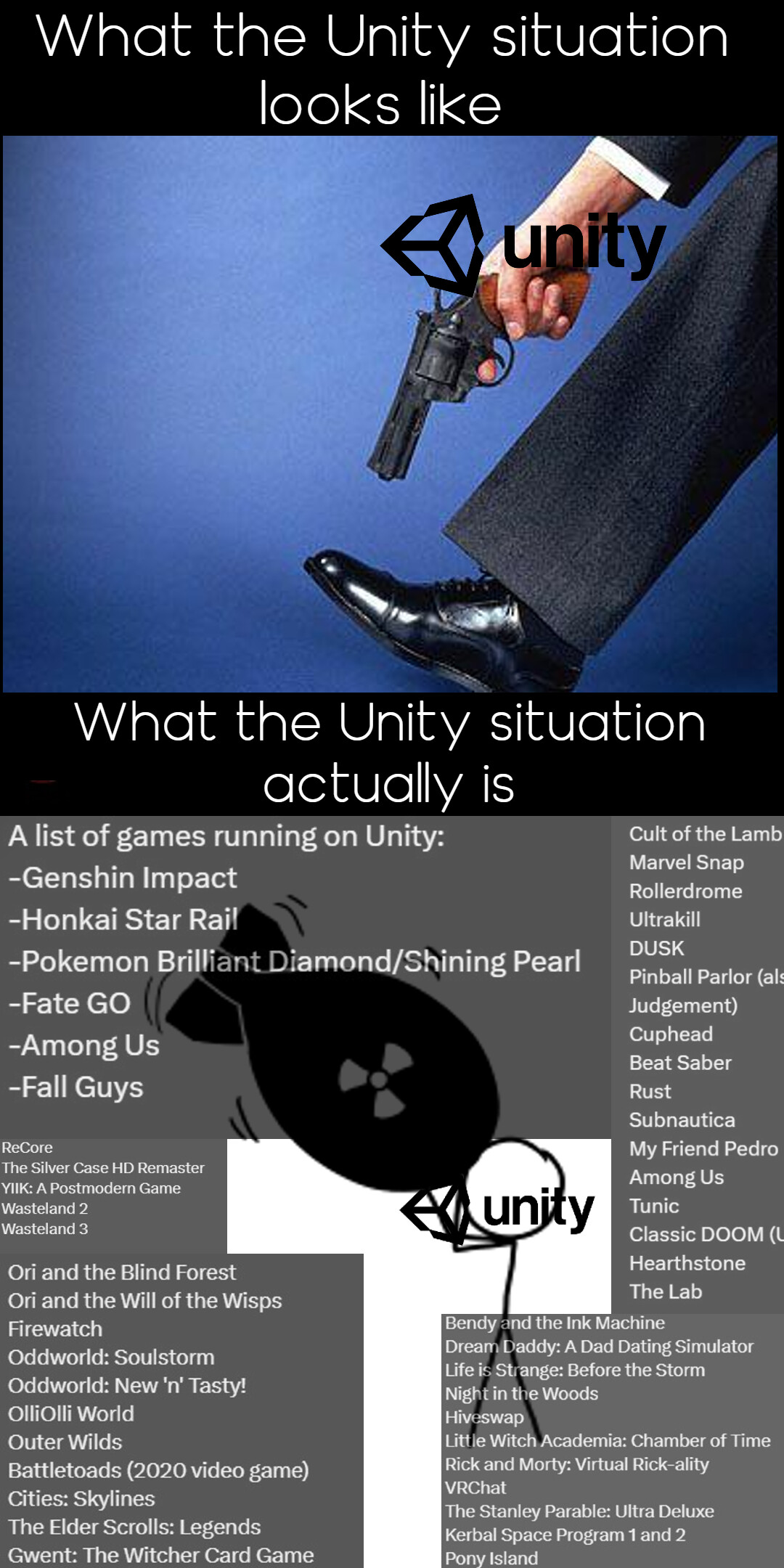
Käytännössä muutos voisi iskeä lujaa suosittuihin indie-peleihin, jotka ovat nousseet ns. tyhjistä hiteiksi (esim. Among Us). Kuluja ei kuitenkaan lähdettäisi perimään takautuvasti.
Eiköhän tässä tapahdu klassiset, eli vaaditaan aluksi aivan liikaa. Sitten kun paskamyrsky nousee, niin vedetään vaatimuksia hieman takaisin ja samalla saadaan yleisö tyytyväiseksi.
Tämä oli kyllä niin iso omaan jalkaan ampuminen että ihan selvää on että joutuvat jotenkin peruuttelemaan.
Laskutusmallin “ominaisuuksia”:
Laskutusmallina täysin käsittämättömästi “asennukset”, jotka Unity itse laskee tavalla jota ei edes avattu. Oletettavasti perustuu jotenkin siihen että Unityn bitit soittavat kotiin kun loppukäyttäjä asentaa softaa. Unity, laskutusmallin hyötyjä, päättää käytännössä itse paljonko laskuttaa.
“Asennus” sisältää näennäisesti täysin kestämättömiä skenaarioita - Asiakkaalla useampi laite - yksi maksu devaajalle, monta maksua Unitylle. Jos asiakas uudelleenasentaa pelin tai välillä poistaa ja myöhemmin asentaa, se on uusi maksu Unitylle. Piraattikopiot… ovat asennuksia, maksu Unitylle. Päivitit pelin ja nyt kaikki asiakkaat asensivat sen uudestaan? Uh, kenties maksu Unitylle…
Vaikuttaa takautuvasti jo markkinoilla oleviin peleihin jotka on devattu ihan erilaisen diilin aikakaudella. (mitä ihmettä?) jos niitä vielä asennetaan ja jos peli edelleen myy yli noiden rajojen. Vanhoissa peleissä on hyvinkin todennäköistä että uudelleenasennukset tms. ovat paljon isompi osa asennuksista kuin uusien myytyjen kopioiden asennukset. Kärjistäen voi olla tilanne jossa peli vaikka myy miljoonalla mutta maailmalla on hirveästi myytyjä kopioita joita edelleen käytetään, jolloin voi yhtäkkiä napsua isot Install Feet vaikkei peli enää tuota juuri mitään.
Jos tämä perustuu Unityn analytiikaan, seuraava “meta” lienee että pelidevaajat alkavat järjestelemään offline-peleissä blokkeja ettei analytiikka enää toimi jos sillä säästää rahaa.
Amatöörimäistä sekoilua Unityltä. EAn vanha pomo näyttää “taitojaan” uudessa duunissa. Tällaisenaan tämän idean ei olisi pitänyt päästä sisäisistä jutusteluista eteenpäin…
Hyvin menee tämä yritys parantaa firman tulopuolta ja näin tuoda lisäarvoa osakkeenomistajille näin yhden päivän perusteella
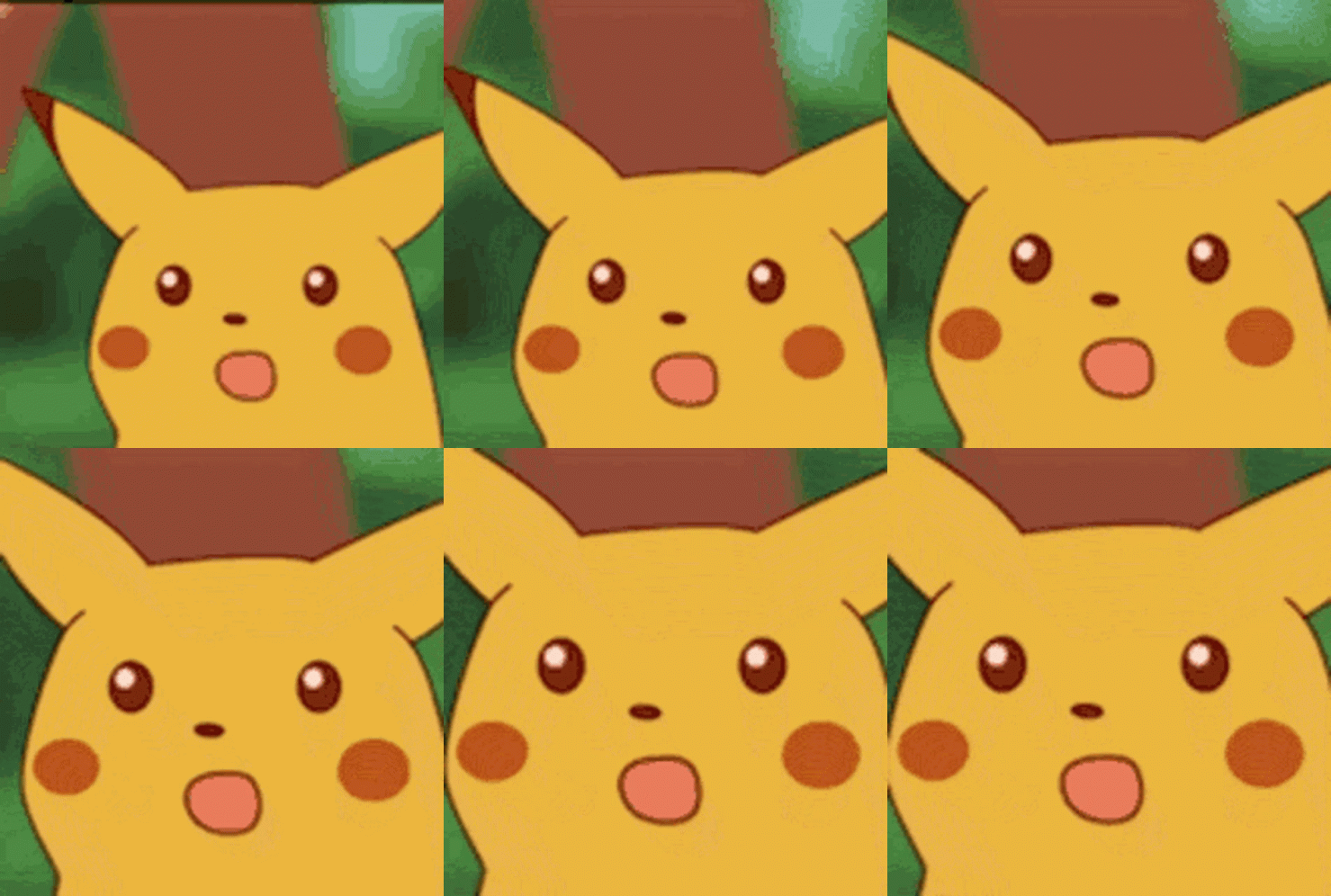
Eikun ootas…
Lisäksi tänään selvisi miten tuo laskutusmalli tulee seuraamaan asennuksia ilman että tulee GDPR-huolia tai monimutkaisia systeemejä joilla fingerprintata koneita ja näin tunnistaa mikä on uniikki asennus ja mikä uudelleenasennus
Ei mitenkään! Unity arvaa. Oikeasti. Heillä on heidän ihan itse keittämä Ehdottoman Luotettava malli jonka perusteella he voivat jokaisen Unity runtimeä käyttävän tuotteen kohdalla arvioida paljonko sitä on asennettu.
Ja he kuvittelevat että voivat laskuttaa per-asennus devaajilta perustuen arviolaskutukseen jota ei voi mitenkään oikeasti auditoida. Voit valittaa jos et ole samaa mieltä asennusmääristä, mutta Unity pitää oikeuden päättää mikä on todellisuus. Sen jälkeen valitukset pitää ilmeisesti tehdä oikeustuvassa.
Miten ihmeessä he kuvittelevat että tämä menee läpi yhdellekkään asiakkaalle? Miltäs kuullostaisi vaikkapa Activision Blizzardin neukkarissa kun tilannetta selostetaan johdolle? “Joo meillä on tässä tää Hearthstone ja sit tää Arclight Rumble jotka käyttää Unityä. 1.1. 2024 alkaen meidän pitää alkaa maksaa Unitylle ylimääräistä korvausta per asennuskerta. Unity kertoo meille paljonko he arvioivat että asennuskertoja tuli ja lähettää laskun. Emme voi mitenkään etukäteen tietää paljonko laskua tulee, eikä se ole mitenkään sidottu siihen miten pelit tuottavat rahaa tai mitä meidän oma data kertoo asennusmääristä. Eikös olekin loistava diili? Niin ja meidän talousosasto on innoissaan tämän tuomasta lisähaasteesta tulevan vuoden budjettia laadittaessa”
Tämä näyttää myös oikein mukavalta signaalilta: Johto on taatusti tiennyt suunnitelmista ja sitten sopivasti muutamaa päivää ennen CEO vähän hakee pois kylppärirempparhaa, ja pari viikkoa aiemmin kiskan President ottaa ulos vähän isomman remonttirahan…
Olen jo vuosia takaperin karhuillut Unityä koska heillä ei ole mitään skaalaavaa komponenttia(paitsiUnity ads) hallussaan. Nyt heillä on.
Ongelma tässä minusta on toteutus joka on huono mutta ennen kaikkea monetisaation määrä. Miksi suututtaa kaikki vanhat ja uudet asiakkaat jos hyöty siitä on olettoman pieni.
Menestys peli 100 miljoonalla asennuksella tuottaa laskutusta noin 1 miljoonan verran. Per asennus skaalaa nopeasti yhteen senttiin per lataus.
Verrokkina Unreal Engine joka ottaa 5% kaikesta. Esimerkkinä Genshin Impact tuotti viime vuonna 1560 miljoonaa dollaria ja jos se olisi Unreal Engine peli niin Epic olisi tienannut tästä noin 78 miljoonaa. Pelillä oli noin 50-60 miljoonaa latausta viime vuonna joten Unity olisi tienannut tällä vihatulla mallilla pelistä reilu puoli miljoonaa.
Niinpä. Kyse ei ole varsinaisesti tuon laskun koosta, varsinkaan isoilla AAA-toimijoilla, vaan siitä että laskutusmalli on tasoa “trust me bro” ja lisäksi tuo malli vahvasti sorsii tietynlaisia pelejä (käytännössä hyvin pienellä per-käyttäjä -katteella toimivat indie freemium-tuotteet, lähinnä mobiilissa) - jos peli keskimäärin tuottaa 40-50 senttiä per käyttäjä elinaikanaan ja Unity haluaa 20 senttiä per asennus niin bisnesmallisi räjähti juuri taivaan tuuliin.
Genshin Impact on taas oikeastaan toisen ääripään esimerkki - painaa rahaa koska valaat kaatavat älyttömiä summia mikromaksuihin. Näistä ei Unity saa mitään per-install -mallilla.
Pelejä ja bisnesmalleja on paljon ja tilanteet erilaisia. Unityn uusi malli käytännössä tarkoittaa että jos meinasit ikinä tehdä mitään rahaa pelillä, on ostettava Unity Pro maksullinen versio per-seat vuosikustannuksin. Joka tarkoittaa että kaikki goodwill minkä olet kerännyt amatööri-indieiltä meni juuri vessasta alas. Muuten firmasi voi mennä konkkaan vain koska Unity sanoo että, trust me bro, paljon on asenneltu, lähettäkääpä shekki.
Huonosti suunniteltu malli joka tuotiin tiskiin tyylillä joka on uskomattoman amatöörimäinen. Tähän verrattuna UEn “jos teet yli miljoonan rahaa niin sen jälkeen 5% meille tuloista, kiitos” on selkeä, yksinkertainen ja “jos sinä pärjäät niin mekin pärjäämme” -kuvio. Niin ja UE on täysin ilmainen, ei mitään vuosikustannuksia pro/enterprise-tasoilla kuten Unityllä.
Varsinkin kun UE5 tekee huomattavasti enemmän rahaa Epicille kun tuo monimutkainen ja epätasa-arvoinen Unityn malli. Miksi aiheuttaa shit storm jos ei edes vuole sillä kultaa.
SAN FRANCISCO–(BUSINESS WIRE)–Unity (NYSE: U) (”Yhtiö”), maailman johtava reaaliaikaisen 3D (RT3D) -sisällön luomiseen ja kasvattamiseen tarkoitettu alusta, ilmoitti tänään, että John Riccitiello jää eläkkeelle toimitusjohtajan, hallituksen puheenjohtajan ja yhtiön hallituksen jäsenen tehtävistä, välittömästi voimaan astuen.
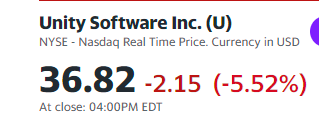
Se on kun puolet häviää firman markkina-arvosta ja samalla suututetaan valtava määrä “pienasiakkaita” jotka juoksevat suoraan kilpailijoiden syliin… Olisikohan tullut isoilta omistajilta vähän vinkkiä että nämä johtamistaidot on nyt nähty, aika siirtyä eläkkeelle.
Unityn kannalta hyvä asia, voisin kuvitella että huomenna nähdään jonkinmoinen pomppu firman osakekurssissa.
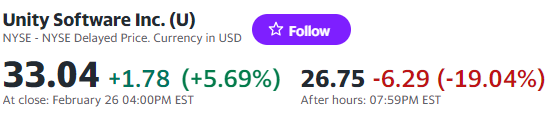
Ts. tämä kasvuyhtiö ei tule olemaan tänä vuonna kasvuyhtiö.
Syksyllä keskustelua aiheuttanesta hinnoittelusta (runtime feestä) kommentoi:
Unity 6 tulossa kesällä, jossa tämä runtime fee käytössä. Unity 6:n tuomat runtime fee-liikevaihto siis ilmeisesti selittää yhtiön näkemystä siitä, että vuoden loppupuoliskolla liikevaihto tulee kasvamaan ripeämmin
Unity ilmoitti nyt melko tasan vuosi runtime feen ilmoittamisen jälkeen peruuttavansa siitä kokonaan. Hinnoittelu palaa vanhaan malliin, mutta korotetuin hinnoin Pro ja Enterprise asiakkaille.
Unity on vajaan vuoden nyt siivoillut Riccitiellon jälkiä (irtisanomiset, aiempien yritysostojen lakkautukset ja nyt runtime fee) ja vieläkin tekemistä riittää ainakin maineen palauttamisessa, luultavasti myös sisäisessä tehokkuudessa.
Kurssikehitys on ollut varsin kaamea viime vuodet, saas nähdä joko suunta kääntyisi pysyvämmin.
Unityn uudistumisessa korostuu erityisesti tekoälyn rooli pelikehityksessä ja luovan segmentin laajentamisessa.
Toimitusjohtaja Matt Bromberg on painottanut AI:n mukaan tuomista yhtiön toimintaan vahvemmin. AI vahvistaa yhtiön ydintuotteita ja vaikuttaa positiivisesti myös mainosekosysteemiin. Tekoäly tukee sekä innovaatioita että Unityn kasvustrategiaa.