Uutta yhtiötä pukkaa listalle länsinaapuriin.
EBIT (2021) H1 oli 13,7 %, omsättningen växer hela tiden. Pääomistajien exit.
Täältä esite englanniksi ja ruotsiksi: https://www.nordnet.fi/fi/kampanjat/listautumisannit/synsam/synsam-listautumisanti
Uutta yhtiötä pukkaa listalle länsinaapuriin.
EBIT (2021) H1 oli 13,7 %, omsättningen växer hela tiden. Pääomistajien exit.
Täältä esite englanniksi ja ruotsiksi: https://www.nordnet.fi/fi/kampanjat/listautumisannit/synsam/synsam-listautumisanti
Onko kukaan ehtinyt perehtyä tähän tarkemmin? Itseäni kyllä kiinnostaa kovasti, koska vaihdoin juuri Synsamin asiakkaaksi - silmälasit sai vaivattomasti “palveluna”, siis kuukausimaksulla ja sopimukseen kuuluu aina uudet linssit näön muutttuessa, yhdet sangat voi vaihtaa kerran vuodessa + vakuutus rikkontumisen/häviämisen varalta. Asiakaskokemus ollut toistaiseksi erinomainen.

Tää video kasvatti kyllä luottamusta, asiakaskeskeisyys on todella tärkeää tämän kaltaisessa liiketoiminnassa. Kuten @Makkominister kertoikin kokemuksestaan 
Jokainen on käsittänyt SaaSin väärin (Silmälasit as a Service) 
No mutta joo. Ei oikein herätä kiinnostusta toimialana. Kilpailua riittää ja pitää varmasti marginaalit paineessa. Kaikkia SaaSeja voi toki varakkaille asiakkaille kaupata, mutta kilpailijat varmasti lanseeraavat omia palveluitaan mikäli se ottaa tuulta alleen
Olikos muuten myyntilukuja pitemmältä ajalta? Yhtä tyhjän kanssa näyttää ainoastaan parin edeltävän vuoden luvut
Valuaatio 741 miljoonaa, ebitda noin 100 miltsiä. Ja olen tohon lafkaan kantanut viimeisen 3 vuoden aikana yli 3000€. Merkkasin 1000 kpl
Muilla alan firmoilla PE 20-60, Synsamilla PE 9
Anna muutama konkreettinen esimerkki, saman alan firma siis jolla P/E 20-60.
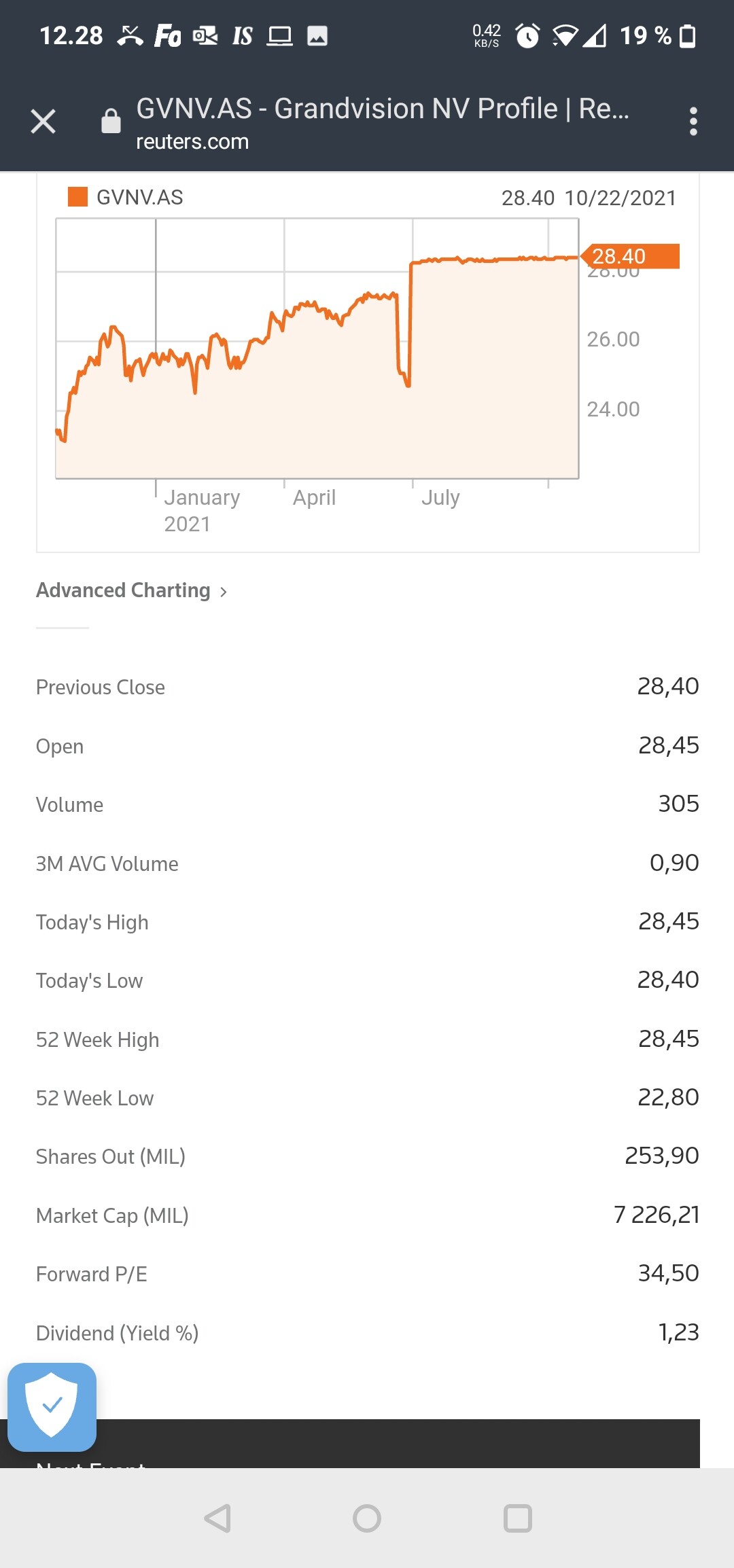
Grandvision ostetaan pois pörssistä ja kyseessä on hyvin menestynyt kansainvälinen yhtiö. Premium sisältyy siis ostotarjoukseen.
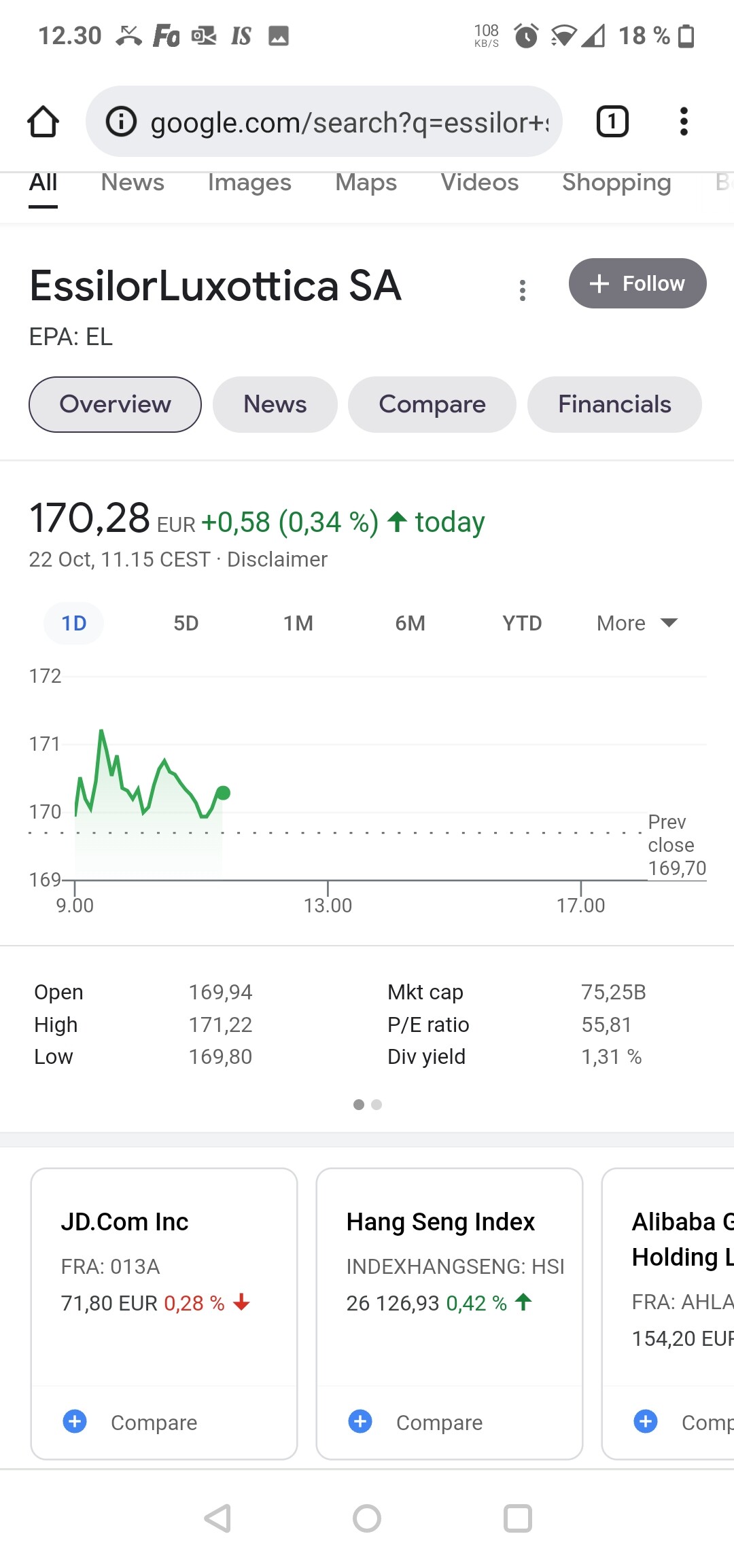
EssilorLuxotica ei ole millään tavalla vertailukelpoinen firma.
That said, Synsamin valuaattio vaikuttaa kohtuulliselta.
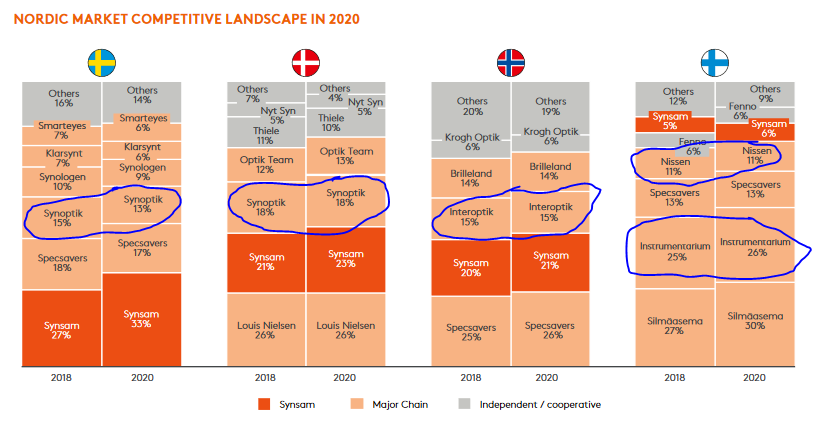
Erittäin kilpailtu toimiala pohjoismaissa.
Essilor valmistaa suuren osan maailman kehyksistä ja linsseistä ja on ollut 1.7.2021 alkaen tuon GrandVisionin (Suomessa Instrumentarium ja Nissen - kalliit ja edulliset lasit) kanssa samaa organisaatiota.
Synsamilla toki jotain in-house tuotantoa, mutta suurin osa laseista tulee Essilorilta tai on niiden tuotantoa.
Tässä GrandVisionin omistamat liikkeet listautumisesitteestä:
Oma kysymykseni ja epäilykseni kuulukin; Pystyykö Essilor halutessaan pyytää eri hintaa Synsamille menevistä tuotteista kuin saman organisaation GrandVisionin liikkeille menevistä? Ja näin ollen toki hankaloittamaan Synsamin kasvua ja markkinaosuuden kasvattamista?
 Tämä siis täysin omaa ääneen ihmettelyä ja on hyvin mahdollista, että Essilor/GrandVision pitää nämä businekset täysin erossa toisistaan ja kyseinen skenaario ei olisi edes mahdollista.
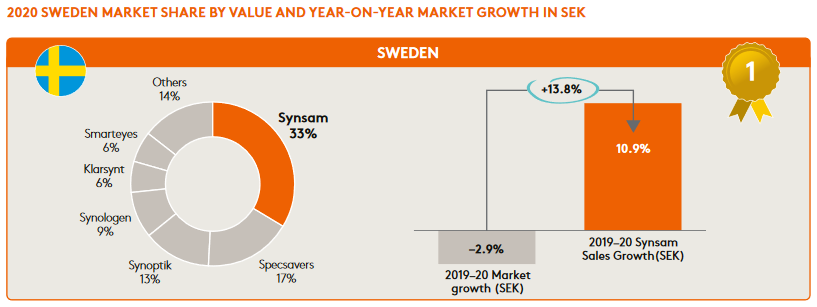
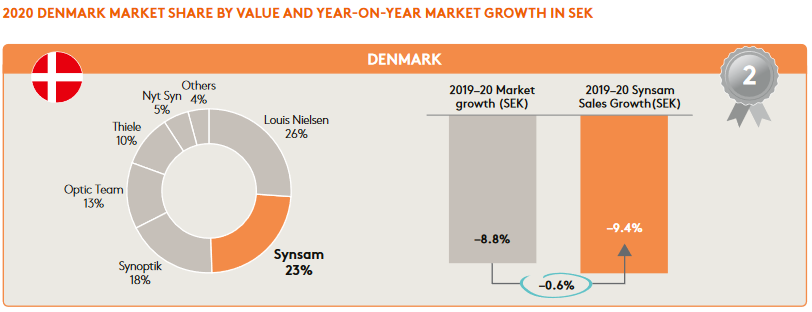
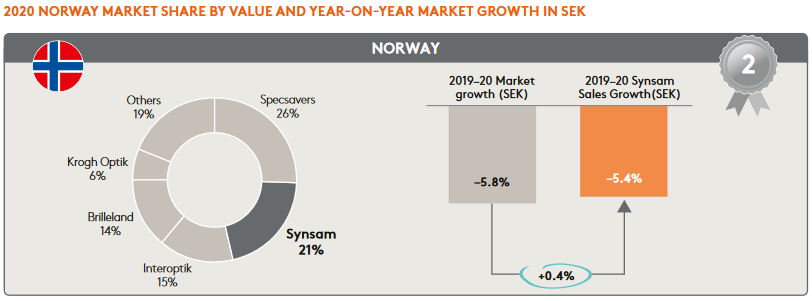
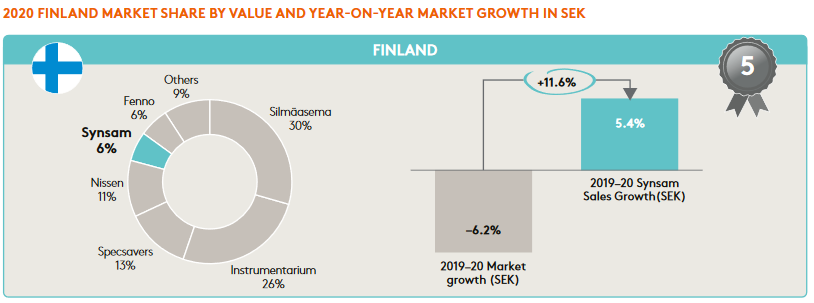
Muissa pohjoismaissa Synsamilla on isompi osuus markkinasta ja ottanut markkinaa itselleen vauhdikkaammin verrattuna GrandVisionin liikkeisiin. Suomi kuitenkin toistaiseksi pienin markkina-alue Synsamille, mutta Ruotsin lisäksi ainoa maa, jossa myynti on kasvanut 19-20:
Samalla PE:llä sillä käytiin kauppaa kauan ennen ostotarjoustakin. Ja puhuinkin alan firmoista, EssilorLuxotica on samalla alalla. Se onko vertailukelpoinen vai ei on mielipidekysymys, minun mielestä osittain on vaikka ei suora kilpailija ole.
Essilor on tietenkin aivan eri toimialan firma kuin Synsam ja Essilorin korkeat kertoimet ovat järkeviä. Myynti ≠ oligopolinen valmistus.
Jotain silmiinpistävää oli, ettei Synsamilla ole yhteistä järjestelmää - jos esim. liikkeestä ei löydy, niin eivät näe löytyykö naapurin Synsamilta. Itse killauttelin optikkoliikkeitä läpi perjantaina silmälääkäriaikaa etsiessä, eivät edes tienneet Tampereella, mikä päivä viikosta naapurin Synsamilla on lääkäri paikalla.
Toisaalta ehdoton plussa oli asiakaspalvelu. Kertoivat paikkoja, joista kannattaa kysellä aikaa. Selvittivät jopa, olisko Mehiläisellä samana päivänä vapaata aikaa.
Näin jälkikäteen tulipa vaan mieleen, miksi ketjun järjestelmiä ei integroida? Tuostahan olisi ehdoton apu ohjata asiakas seuraavaan Synsamiin, josta löytyvät esim. kehykset x, mitä meiltä ei 
Itsellä ei lukuoikeutta otsikon taakse, mutta ilmeisesti ylimerkitty nopeasti.
Onkohan tästä joitain muita lähteitä?
Ruotsissa useissa kaupungeissa noi liikkeet ovat todella hyvillä liikepaikoilla ja hyvän näköisiä mitä olen pistänyt merkille vuosien varrella ihan eri tasoa kuin specsaver esim. Joka kilpailee lähinnä hinnalla, joka ei useimmille ole merkittävä valinta.
Tuota kuukausi maksua myös näkyvästi markkinoitu Ruotsissa, sehän on lähes uniikkia alalla, kassavirta juoksee jatkuvana vuodesta toiseen vs normi kaupassa parin kolmen vuoden välein vaihdetaan.
Mielenkiintoinen konsepti ja mukana ollaan, jos antavat Suomalaisille lappuja.
Toinen huomio, pojalla on silmälasit, ja 5 vuotias kun on niin melko usein käydään niitä suoristamassa liikkeissä (koska eivät korvaa jos itse yritän niitä korjata, kokeiltu on, en osaa).
Nissenin liike palvelee 9.30-17, ei viikonloppuisin. Synsamin liike on aina auki, myös sunnuntaisin, ja arkisin olisiko kahdeksaan?
Jouduin tänään ottamaan töistä aamunpäivän vapaata että pääsimme korjauttaa Nisseniltä ostetut lasit parin viikkoa sen jälkeen kun menivät rikki. Pojalla siis laseja Specsaveriltä, Nisseniltä, Synsamilta sekä Instrumentariumilta, kaikki vaihtelevasti käytössä. Jatkossa asioin vaan ja ainoastaan Synsamilla ihan vaan palvelun laadun (ja sen saatavuuden) sekä ylivoimaisesti parhaimman valikoiman takia.
Lisäyksenä vielä että aina kun muissa liikkeissä käydään korjauttamassa laseja joudun yleensä itse tarkistamaan että istuu hyvin, ja huomauttamaan että nyt on kyllä vinossa, ja naama nyrpeenä sitten korjaavat vielä kertaalleen. Synsamilla myyjät huolehtivat että istuvat täydellisesti ja viimeistelevät kunnes ovat itse tyytyväisiä.
PE 9? Eikös tuo tee tappiota: 200-300MSEK per vuosi edellisten kolmen vuoden ajan?
Nyt jätät huomioimatta, että esimerkiksi 2020 korkokuluja oli yli 330 mSEK edestä osakaslainoille. Nämä konvertoidaan omiin pääomiin listautumisen yhteydessä.
Ihan yleinen kuvio pääomasijoittajan omistamassa firmassa. Luxemburgin emoyhtiö ei halua, että voitot maksetaan veroina Ruotsiin, niin imetään tulos osakaslainojen avulla omistajan tuloslaskelmaan. Näissä on parempi katsoa vaikka EBITiä tai sitten pitää oikaista osakaslainan korot pois tulosta häiritsemästä.