Aika turha video koska kysymys esitetään Digital Foundrylle joka ei varsinaisesti omaa mitään erityistä tietotaitoa sanomaan pelien bisnespuolesta… Arvelevat niitä normijuttuja - ei Steamia, ei fyysistä kopiota launchissa, “niche”-pelisarja jonka eka osa on jo museokamaa. Ja unohtavat mainita että tiedämme kyllä että lähes koko budjetti on katettu - tällaisenaan voi videosta saada värään kuvan että tämä ei ole myynyt lähellekkään budjettiaan.
2 tykkäystä
Uusi vuosi, vanhat kujeet.
Lokakuun lopussa tullut DLC ja alennukset kannattelivat AW2 myyntiä marraskuun alun ja sitten olikin jo Black Friday -alennusten (-50% Deluxe) aika, mikä tuki hyvin pelin myyntisijoja marras-joulukuun vaihteessa. Joulukuu oli hiljaisempi, kun PS alennukset (-50% perusversio + upgrade) alkoivat vasta muutama vrk ennen joulua. Ennen marras-joulukuun alennusmyyntejä oli korkein alennus% -35%. Alennukset siis edenneet 20% → 35% → 50%.


Marras-joulukuu on kuuminta pelimyyntiaikaa. Myyntisijat olivat omiin, ehkä hieman liian optimistisiin odotuksiin nähden lievä pettymys, mutta toisaalta on hyvä muistaa että myyntisijan pitäminen on ihan hyvä saavutus, kun jatkuvasti tulee kuitenkin uusia pelijulkaisuja, jotka kiilaavat edelle.
Tero vihjasi haastattelussa loppuvuoden markkinointitoimenpiteistä joilla löytää uusia pelaajia, mutta mitään tavallisesta sesonkialennuksista poikkeavaa ei kyllä omaan silmään osunut. Myöskin Epicin ilmaispelit on nyt jaettu.
Yllä oleva jäänee siis valitettavasti Terolta sanahelinäksi. Hyvä muistutus siitä, että Teron puheiden suhteen on syytä olla kriittinen. Esimerkkejä kaunistelusta löytyy myös historiasta. Toisaalta, saattaa se arvostuksessakin näkyä - kurssi on kaukana analyytikoiden odotuksista, jotka loppupeleissä kuitenkin nojaavat yhtiön omiin päivitettyihin tulevaisuudennäkymiin.
Kun hieman peruutetaan ja pohditaan isompaa kokonaisuutta, lyhyen ajan myyntipettymyksestä huolimatta mielestäni vuosi todisti kuitnekin Alan Wake 2:n pitkän myyntihännän. AW2 on kuitenkin viimeiset 9kk ylläpitänyt myyntisijojaan mallikkaasti uusista kilpailevista pelijulkaisuista huolimatta.
Alla vielä AW2:n US PS5 myyntisijat graafissa kvartaaleittan ja alennusten/DLC-tapahtumien aikaleimoilla.

En ole RE4R myyntiä seurannut julkaisunsa alusta, mutta alla oleva verrokkivertailu survival horror-jättiläisiin Silent Hill 2 ja Resident Evil 4 Remakeen kertoo mielestäni suhteellisen onnistuneesta myyntisuorituksesta suhteessa genreen.

Tässäkin on hyvä huomioida, että itse asiassa Alan Wake 2 meni ensimmäistä kertaa alennukseen (-20%) n. 3kk julkaisustaan kun taas Silent Hill 2 Remake meni alennukseen reilu 2kk julkaisustaan (-30%). Prosentteja ei kannata huomioida, pelin bruttohinta alennuksissa suurin piirtein sama, kun SH2:lla korkeampi lähtöhinta. Toisin sanoen Alan Wake 2:n myynti ollut Playstationilla hyvin samaa tasoa kuin SH2:n, mikä ei ole ollenkaan hassumpi suoritus.
Jälkiviisaana johtopäätöksenä ainakin minä - ja ehkä markkinakin - lienee yliarvioinut pelin myyntipotentiaalia genreen suhteutettuna. Peli on myynyt about Remedyn odotusten mukaan, eli heillä on varmasti ollut paras tieto mitä tässä genressä on mahdollista myydä ilman Resident Evil IP:tä. Dead Space Remake ja Callisto Protocol jäävät niin kauas samassa vertailussa, ettei niitä kannata edes sisällyttää samaan kuvaajaan.
Joulualennusten aikaan AW2 pyöri PS Storessa USA:ssa (PS5) samoilla myyntisijoilla kuin RE4R, Avatar: Frontiers of Pandora ja AC: Mirage. Kun unohdetaan hetkeksi lyhyen aikavälin myyntipettymys ja tarkastellaan miten peli seisoo itseään valtavasti isompien pelibrändien vieressä joulumyynneissä, maalaa se mielestäni IP:lle positiivisia tulevaisuudenskenaarioita.
Peli lienee tavoittanut n. 2M pelaajaa tähän mennessä suhteellisen korkeaan keskihintaan. Alan Wake 2:n kopiopohjainen myyntivauhti on suurin piirtein nyt samaa tasoa kuin Controlin. Control ilmoitti ensimmäiseksi myyntimilestoneksi muistiinpanojeni mukaan yli 2M kopiota 12/2020 eli 16kk julkaisusta. Alan Wake 2 on suurin piirtein samassa vauhdissa tai hiuskarvan edellä, mutta todennäköisesti huomattavasti korkeammalla keskihinnalla ja ilman isointa PC-aluistaa eli Steamia. Control tuli Steamiin 1v julkaisusta, ja peli voitti myös muutaman arvostetun GOTY-palkinnon mm. IGN. AW2 voitti enemmän GOTY:ja, mutta merkittävät GOTY:t (esim. IGN, TGA) jäivät saamatta.
Control on nyt reilu 5v julkaisustaan myynyt sen vajaa 5M kopiota ja tavoittanut vajaa 20M pelaajaa. Alan Wake 2:lla on mielestäni hyvinkin mahdollisuus samaan, jopa ilman Steamia. Steamin kanssa uskallan uskoa, että Controlin myynti ohitetaan heittämällä.
Joka tapauksessa mielenkiintoinen vuosi edessä pelialalla yleisesti kiitos Switch 2:n ja GTA VI:n, mikäli ei viivästy. Remedyllä myös mielenkiintoinen vuosi. Firebreakin julkaisu lähestyy ja Alan Wake 2 jää pikkuhiljaa historiaan ja sen tehtäväksi jäänee tuottaa pientä tasaista rojaltivirtaa ja tavoittaa maksimaalinen määrä pelaajia niin pelimyynnin kuin streamin-jakelujen kautta tukeakseen Control 2:n (ja ehkä Firebreakin) myyntiä sekä kasvattamana RCU:n tunnettavuutta.
Firebreakista pieni mielenkiintoinen yksityiskohta, että järjestivät pienmuotoisen suljetun teknisen testin Steamissa ennen joulua. Buildin ei ehkä ollut tarkoitus näkyä SteamDB:ssä, sillä testin jälkeen näkyvyyttä rajoitettiin. Annetaan kuitenkin yhtiölle kehitysrauha pelille. Sijoittajalle lienee tärkeintä, että peli tulee mahdollisimman korkealatusiena ja hauskana ulos. Tähän nähden Tapahtuuko julkaisu Q2, Q3 vai Q4 ei ole isossa kuvassa kovin suurta merkitystä, kunhan saadaan ulos hyvälaatuinen peli, joka tavoittaa mahdollisimman monta pelaajaa lisäten RCU:n vetovoimaa ja ristikkäismyyntiä pitkässä juoksussa.

33 tykkäystä
Remedyllä ja NVidialla on menossa jonkinlainen kamppis sosiaalisessa mediassa. Remedy postannut mm. Instagramiin eilen 5 postausta AW2:sta ja Controllista.
Tämä lähinnä huomiona koska noista sinun analyyseistä tuntuu aina puuttuvan sosiaalisen median kamppikset. Niillä on suuri vaikutus tänä päivänä myynnin draivaamisessa.
Myöskään fyysisen maailman mainoskampanjoita et huomio, niiden huomioiminen on toki vaikeampaa koska et voi tietää mitä Epic tekee esim. Yhdysvalloissa.
Uusia asiakkaita ei saada siis paukuttamalla alennuskamppiksia digitaalissa kauppapaikoissa, ne täytyy hakea muualta ja eri keinoin.
Näin ollen näen itse nuo kommenttisi Tero puheista hieman virheellisinä. Se että sinä et näe jotain ei tarkoita etteikö asioita tapahdu.
15 tykkäystä
Oliskohan AW2 mukana RTX 50-sarjan julkistuksen ohessa esim. bundlepelinä korttien kylkiäisenä uudestaan? Huhuavat DLSS 4 -ominaisuudesta uusilla korteilla ja AW2 voisi hyvin olla yksi peli johon tehdään tuki.
10 tykkäystä
Eletään jo vuotta 2025. Ei siis enää viime vuoden loppuvuoden markkinointitoimenpide.
Teron haastattelu oli annettu 1.11.24. Fyysinen oli jo julkaistu. Sinänsä totta ettei ole näkyvyyttä Yhdysvaltojen sisämarkkinan mahdollisiin markkinointitoimenpiteisiin. Sinänsä näistä mahdollisista markkinointikampanjoista, vaikka olisivatkin vain fyysiseen jakeluun, uskoisi silti jotain kuulevan esim. Reddit/sosiaalisessa mediassa tai muualla, mutta ei ole tullut vastaan.
Ehkä. Ehkä ei.
Samalla kuitenkin Epicin julkaisutiimin avainhenkiöt myllätty uuteen uskoon. Ensin lähti Sergyi Galyonkin, Head of Publishing Strategy, AW2 julkaisukuukautena ja noin vuotta myöhemmin Hector Sanchez, Head of Epic Publishing, joka siirtyikin Annapurnaan. Epicillä myös irtisanottu porukkaa ja strategiaa mitä ilmeisemmin fokusoitu julkaisutoiminnasta muualla, mistä olen aiemmin kirjoittanut. En usko, että Epicin julkaisutiimi ollut AW2 julkaisua tukemaan kovin iso tai merkittävä. Remedykin on viestinyt, että on itse aktiivisesti ollut mukana markkinointi/julkaisukuvioissa. Voi yhtä hyvin olla, että Epicillä tehty bare minimum eli saatu fyysinen ja keräilyeditiö ulos, minkä päälle tehty perinteistä alennusmyyntiä perinteisissä kuin digitaalisissa kanavissa.
Sinänsä Teron kommentti pitää yhtä hyvin paikkaansa, vaikka ei olisi mitään alennuskampanjasta erillisiä isoja markkinointi- tai myyntitoimenpiteitä tehty - siksi käytin termejä sanahelinä ja kaunistelu. Toki jälkiviisaana osarista erillisessä inderes-haastattelussa tuskin vihjailtaisiin mistään kovin massiivisesta markkinointi/myyntitempauksesta, jos siitä ei osarissa mainittu.
Tämä keskustelu meni nyt vähän besides the point. Tarkoitus ei nyt varsinaisesti ollut kritisoida Teroa, vaan osoittaa että oli firma mikä tahansa - ei kannata olla naiivi kaikesta, mitä toimitusjohtaja suustaan päästä. Itsellä meni sijoittamisen aloittamisesta n. 5 vuotta, että tämän opin, enkä näköjään ole sitä vielä täysin sisäistänyt. Toimitusjohtajan tehtävä on olla optimistinen ja tarvittaessa “kaunistella”. “P*skaa tästä kuitenkin tulee” -lausahduksilla loppuu pesti lyhyeen.
Todettakoon lopuksi, että mielestäni Tero oikea henkilö tehtävään. Mielestäni koronanjälkeisistä haparoinneista huolimatta yhtiössä on tehty erinomaisia päätöksiä viime vuosina mm. viime vuoden diilit: Controlin-oikeudet, Annapurna ja VVK. Nämä ovat huomattavasit tärkeämpiä aikaansaannoksia kuin se, että miellyttäisi kaltaisiani luonteeltaan kaikkea ylitulkitsevaa internetnimimerkkejä.
Mielenkiintoinen ajatus. Jos miettii laajempaa kuvaa, niin tuo 50-sarjan julkaisuikkuna voisi toimia järkevänä ajankohtana mahdolliselle Steam-julkaisulle.
23 tykkäystä
Onko kukaan teistä kiinnittänyt huomiota Remedyn sangen huonoon maineeseen Glassdoor-sivulla? Olen kiinnostunut erityisesti yleisemmällä tasolla: onko tällaisilla seikoilla vaikutusta sijoituspäätöksiinne?
Noita arvioita lukiessa toistuvat tietyt teemat: huono johtamiskulttuuri, toimistopolitiikka, ylityöt ja heikko palkka. Tiukat dedikset ja huono palkka ovat ymmärtääkseni yleisiä pelialalla, joten niiden esiintyminen arvioissa ei itseäni yllättänyt. Huono johtamiskulttuuri ja toimistopolitiikka taas pistivät miettimään. On toki luonnollista, että isossa firmassa on paljon tyytymättömiä (ex-)työntekijöitä, joiden näkemykset varmasti korostuvat Glassdoorin kaltaisessa palvelussa, mutta arvioiden koherenttius sai epäröimään ruusuista Remedy-kuvaani. Henkilöstö on kuitenkin tällaisen firman tärkein voimavara, kenties jopa tärkeämpi kuin vahva IP, joten johtajuus- ja kulttuuriongelmat kuulostavat tikittävältä aikapommilta. Toki ulkopuolisena on paha saada tarkkaa kuvaa ongelman laajuudesta/todellisuudesta ja pitäisi varmaan linkkarissa lähestyä nykyisiä ja entisiä remedyläisiä saadakseen paremman kuvan, mutta Remedy-positioni on niin pieni, etten taida itse ainakaan jaksaa vaivaa.
2 tykkäystä
Tiedän vanhoilta journopäiviltä useampiakin yhtiön isompia hefejä, eikä sinänsä yllätä. Lähinnä ajattelen että kyseessä on enemmän se, että yhtiön ovat luoneet - ja yhtiötä edelleen luotsaa - ihmiset jotka rakastavat pelaamista ja ovat tehneet intohimostaan ammatin. Kovin montaa MBA:ta ei joukkoon mahdu joten johtamiskulttuuri ja ongelmanratkaisu voi olla sen mukaista. Tämä ei ole arvostelua, vain toteamus. En ole ollut heidän kanssaan tekemisissä noin 14 vuoteen.
7 tykkäystä
Hyviä pohdintoja yllä.
Olen ollut aiheesta huolissani, ja myös Remedyn sisäinen vuosirapsassa julkaistu “employee engagement score (EES)” on ollut muistaakseni jo 4-5v laskusuuntainen. Toisaalta Remedyn työntekijäretentio on ollut selvästi alan keskiaroa parempi, ja toimivan moniprojektimallin pitäisi lähtökohtaisesti hyvää työntekijäretentiota ylläpitää.
Peliala on kärsinyt valtavista irtisanomisista ja alan maine ja työllisyystilanne on tällä hetkellä hyvin heikko. Koronavuosina oli työntekijän markkinat - nyt työnantajan markkinat. Kynnys irtisanoutua lienee iso. Toisaalta Alan Wake 2 tuli tästä laskevasta henkilöstötyytyväisyydestä huolimatta korkealaatuisena ulos kilpaillen maailman parhaiden pelisarjojen kuten Zeldan ja Baldur’s Gate:n kanssa GOTYista.
Mukana saattaa myös olla suomalaisen työkulttuurin kankeutta. En usko, että yhtiössä olisi ihan management by perkelettä, mutta työkulttuurin ero esim. Yhdysvaltoihin tai Ranskaan saattaa olla ulkomaisille työntekijöille shokki. Täällä kulttuuri saattaa olla hierarkisempi ja jäykempi kuin muualla, mikä ei toisaalta välttämättä ole pelkästään huono asia. IT-alalla tullut kuultua omiin arvoihin nähden esimerkkejä varsin villeistä ja vapaista etätyökulttuureista. Myös uralla etenemisen hitaudesta valitettu. Vaikka yhtiö ei ole ollut valtava pörssimenestys, ellei ole listautumisesta alkaen omistanut, kuuluu yhtiö Controlin ja Alan Wake 2 jälkeen kuitenkin maailman parhaisiin AAA-kehittäjiin. Kun ymmärtääkseni yhtiöllä on erittäin osaavaa, sitoutunutta ja pitkäaikaista senioriporukkaa, on eteneminen lähtökohtaisesti muutaman sadan henkilön yrityksessä lähtökohtaisesti hidasta.
Työntekijätyytyväisyys lähti laskemaan monirpojektimallin ylösajon myötä, mikä ihan ymmärrettävää. Erityisesti kun haalittiin omiin kyvykkyyksiin ja resursseihin nähden liikaa projekteja. Työntekijät arvostelivat glassdoorissa jo kauan ennen Vanguardin/Kestrel alasajoa tuotantoputken epärealistisuutta.
Mielestäni nyt on tärkeä seurata tästä eteenpäin mihin suuntaan EES ja glassdoor arviot kehittyvät, kun moniprojektimalli tarjonnee kaikille työntekijöille järkevää ja jatkuvaa tekemistä ja yhtiön pitäisi olla fokusoituneempi, kun yksi peliprojekti vähemmän. Muistelen, että aiheesta on myös niin Inderesin haastatteluissa kuin yhtiökokouksissa johtoa haastettu.
Huomionarvoista on myös, että yhtiön johtoryhmässä palvellut HR-johtaja lähdöstä tiedotettiin 9/2023, ja yhtiöstä ilmoitettiin että seuraaja etsitään mahdollisimman nopeasti. Eipä tästä ole sen jälkeen mitään kuulunut, ehkä HR toiminnot eivät enää kuulu johtoryhmään. Uudessa strategiassa ei myöskään enää tavoitella olla Euroopan halutuin pelialan työnantaja, kuten oli aiemmin, mikä on merkillepantava muutos.
Joka tapauksessa tärkeä nosto ja mielestäni tärkeä seurata henkilöstökokemustrendien kehittymistä - kyseessä on valtava voimavara, mutta toisaalta myös riski yhtiölle.
17 tykkäystä
Itse en ole kauhean huolissani Glassdoor tuloksista. Yhtiö on tehnyt muutoksia toimintatapoihin (moniprojektimalli) ja isot muutokset tuovat aina tyytymättömyyttä esille. Olen ollut itse ohjelmistoalan yrityksessä, jossa haluttiin tehdä yrityksen tuotteelle täydellinen uudistus.Johto päätti esimerkiksi vaihtaa ohjelmointikieltä C# → Python ja uusia kehittäjiä palkattiin aluksi reilusti. Vanhoille tekijöillä tarjottiin koulutusta kielen vaihtoon ja uusiin toimintatapoihin. Vaihtuvuus oli suurta ja Glassdoor näytti pahalta… Parin vuoden kipuilun jälkeen, kuitenkin tuottavuus ja sitä myöten tyytyväisyys parani huikeasti.
Kun katsoo esim. tätä kuvaa Inderesin laajasta raportista. (Kuvasta puuttuu tulevat FCB: Firebreak 2025 ja Max Payne remake 2026), niin kyllähän muutokset ja Glassdoor kipuilu on kannattanut. Pelejä julkaistaan, kuin liukuhihnalta aikaisempaan nähden.

Itse olen enemmän huolissani tekoälyn tuomista mahdollisuuksista ja osataanko remedyllä hyödyntää niitä riittävästi. Capital Markets Day 2024 kohta 02:05:57 - 02:11:50 kysymys
“I think there was not a single mention about AI in any of your presentations, so could you just give a brief recap that whats Remedy’s view in AI in game development?”
Oli hyvä kuulla, että tekoälyä on käytetty ja yrityksessä on dedikoitu henkilö, joka tutkii ja testailee eri tekoälyn tuomia mahdollisuuksia. Tästä huolimatta itselle ei tullut täysin vakuuttunut olo siitä, että ollaanko Remedyllä täysin hereillä tekoälyn osalta. Olisin toivonut, että esityksissä oltaisiin tuotu edes jotenkin esille miten he hyödyntävät sitä nyt tai tulevaisuudessa, koska se on nykypäivää, menestyvät yritykset panostavat siihen kunnolla. Kun ei pystytty antamaan kauhean vakuttavaa vastausta, niin tekoälyn käyttämättömyyttä yritettiin peitelle sillä, että “lakiasiat ja käyttöoikeudet eivät ole täysin selviä”. Mielestäni huono ja surkea selitys ja kertoo väärästä asenteesta sen tarjoamiin mahdollisuuksiin.
Itse ainakin seuraan tätä osiota tulevaisuudessa ja miten Remedy viestii AI-strategiasta/käytöstä ja sen kehityksestä.

Tässä vuoden 2024 sijoittajatittelin saaneen ajatuksia tekoälyn hyödyntämisestä suomalaisissa pörsiyhtiöissä.
https://x.com/vontuchman/status/1873729399717007589
7 tykkäystä
Itse olen todennäköisesti vähemmistössä, mutta uskon itse että Remedyn hieman varovainen lähestyminen tekoälyyn tulee olemaan oikea valinta. Yksi OpenAI:n paisuttaman AI hypen vaikutuksista on se että kirjainpari “AI” voi tarkoittaa mitä tahansa maan ja taivaan väliltä. En toki tiedä tarkemmin millaisesta tekoälystä olisit halunnut Remedyltä lisätietoa, mutta koneoppimista käytetään paljon pelialalla, mutta usein tehtäviin jotka eivät ole kovin kiinnostavia. Myös Northlightin esittelysivulla mainitaan “Proprietary machine learning models for generating hours of facial animation overnight from video or merely recorded dialogue.” joten myös Remedyllä käytetään koneoppimista jossain määrin.
Jos taas tarkoitit ChatGPT:n tai Soran kaltaista generatiivista tekoälyä, sen käytössä on vielä useita ongelmia joiden ratkominen on parempi jättää muille.
Generatiivisen tekoälyn ongelmia:
- Generatiivisten mallien tuottama materiaali ei ole tarpeeksi laadukasta lopulliseen peliin, joten käyttö rajautuu placeholdereihin
- Vaikka laatu riittäisi lopulliseen peliin, kuten Remedyltäkin sanottiin, generatiivisen AI:n tuotosten tekijänoikeudet ovat ymmärtääkseni vielä harmaa alue.
- Vaikka OpenAI maalaa hienoa kuvaa siitä miten joku päivä AI voisi kustannustehokkaasti korvata työntekijöitä, ollaan vielä kaukana siitä. Paljon hypetetty o3 malli sai huipputuloksensa (joka jäi vielä asiantuntijan keskiarvosta) vääntämällä napit kaakkoon ja tuloksena oli noin 3500$ lasku jokaisesta tehtävästä.
Mielestäni olisi myös iso kolaus Remedyn julkiselle kuvalle jos alkaisivat isommin hypettämään generatiivista AI:ta, koska Remedy tällä hetkellä tunnetaan juurikin artisaanistudiona.
16 tykkäystä
Jotenkin tulee noista työntekijöiden kommenteista sellainen vaikutelma, että näin on melkein jokaisessa vähänkin isommassa työympäristössä. ”Kiire” ja paine ovat varmasti läsnä jokaisessa peliprojektissa ja etenkin devaajille tuttu ongelma. Myös epärealistiset odotukset ja jatkuvasti muuttuvat speksit ovat joka koodarille varmasti tuttuja jostain vaiheesta uraa. Mitä pidemmälle taidot kehittyy ja kokemusta karttuu, niin sitä paremmin sitä oppii suodattamaan turhan kohinan ja tekemään ne järkevät actionit. Välillä riippumatta siitä mitä myyjät ovat myyneet ja projektin designerit ”stormailleet”.

Siitä päästään tähän eri portaiden porukoihin. Jos kuulut ylempään johtoon, tai olet ns. Senioriporukkaa vaikuttaa ilmapiiri ja kompensaatiot olevan hyvät. Näin se yleensä tuppaa olemaan. Keskijohto varmaan myös tyytyväinen ja veikkaan olevan vähän nuorempaa innokasta tekijää, joita varmasti helppo houkutella lähtemään muualle, mutta ei välttämättä omaa sellaisia taitoja joita olisi vaikea korvata tai löytää muualta.
Sitten tulee se alin porras duunari/rivikoodari porukka, jota voi olla hyvin vaikea miellyttää. Enemmän persoonia.
Lähtökohtaisesti kaikki ”pomojen” päätökset ovat huonoja. Mistään ei tiedoteta ja sitten kun kysytään, mistä haluttaisiin tietoa, niin hiljaista on. Palkka on aina huono ja kaveri tienaa aina enemmän, tai ainakaan ei tee yhtä paljon töitä. Kytätään ja kyräillään. Kuulostaa pahalta, eikö? Tätä se monessa yrityksessä duunarin silmin on. Tämä ei välttämättä näy johdolle mitenkään varsinkin jos sisäisiin tyytyväisyyskyselyihin on opittu antamaan täydet pisteet, ettei vaan tule mitään turhanpäiväistä palaveerausta tai typeriä toimenpiteitä niiltä tumpeloilta pomoilta. Tällainen työilmapiiri on yleensä vahvasti toimialariippuvainen ja esim. rakennusalalla alan standardi. Pienemmät työnantajat ja yhteisöt joissa pahimmat rektumin lipojat nousevat pikkupomoiksi ovat pahimpia.
Tällainen mutuilu vuodatus tuli tähän sunnuntaihin.  Remedyn tapauksessa en olisi huolissaan, niin kauan kun ulos tulee priimatavaraa. Joka tapauksessa ”seuraillaan” sanoi hyvinvointialueen lääkäri.
7 tykkäystä
Alan Wake 2 oli odotetusti yksi esimerkkipeleistä viimeöisissä Nvidian julkistuksissa.
Näkyi pienesti toimarin keynotessa sekä vähän näkyvämmin DLSS4 esityksessä
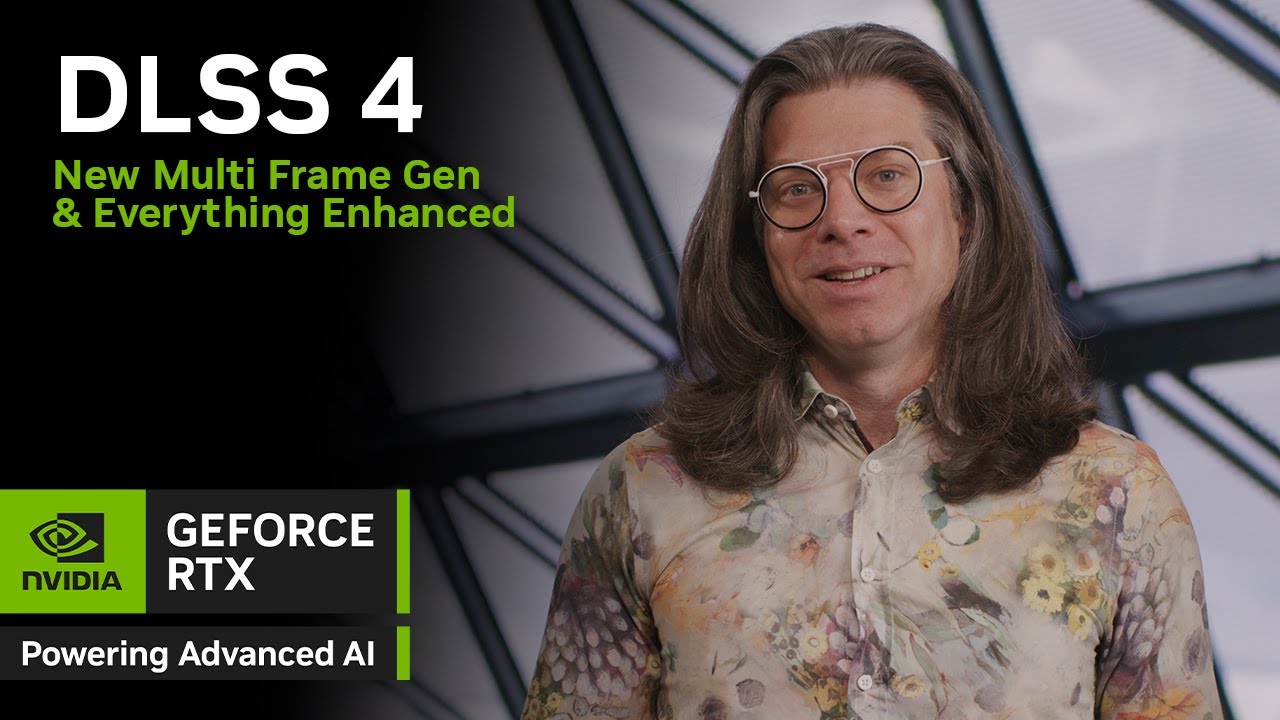
13 tykkäystä
Vaikuttaako Pentagonin päätös luokitella Tencent Kiinan armeijaa tukevaksi Remedyyn? Eli jos Tencentille asetetaan sanktioita, niin voiko tästä koitua haittaa myös Remedylle? Markkina ainakin tuntuu ajattelevan näin tämän päivän kurssireaktion perusteella…
4 tykkäystä
Inderesin rapsassa nykyiset projektit: Tencent ei yhteistyössä, ellei tuo salamyhkäinen 4. projekti olisi Tencentin kanssa (vaikkapa jonkinlainen Vanguard/Kestrel reboot).

Tencent omistaa Remedystä osan ja näitä omistuksia on todella paljon läpi Euroopan, eli jos pelkkä omistus olisi haitta niin se haittaisi aika isoa osaa pelisektorista. Tämän lisäksi Tencentillä on Remedyn kanssa vaihtovelkakirjalaina, jossa omistus voi nousta, mutta tämä menee mielestäni rahoituksen alle. Siitä en tiedä onko heillä kuinka paljon tätä toimintaa, mutta en usko, että tällä olisi mitään merkitystä.
Itse en keksisi että tästä mitään konkreettista haittaa olisi eikä Remedy esim. Tencenttiä voi estää hankkimastakaan osakkeita. Mutta toki esimerkiksi isompi omistus Remedyssä tai yritysosto ei ole houkutteleva, jos Tencent leimataan paholaiseksi. Mutta jakakaa muutkin ajatuksia, tuo on mielenkiintoinen topic.
15 tykkäystä
Itselläni ei ole ainakaan tähän suoranaista kasipalloa mistä katsoa kuinka homma etenee. Mutta oma tuntuma on se että Donald ei viimeisellä kaudellaan ole pelkkää puhetta, enkä ottaisi riskiä ennen kuin asiaan on tullut selvyys.
Virallista AW2 + RTX 50 julkaisupöhinää
https://x.com/alanwake/status/1876629873546133706

NVIDIAn juttu mainitsee erikseen Alan Wake 2n ja kuinka sitä käytetään uusien herkkujen showcasena.
Ei mitään infoa bundlejutuista, mutta on hyvinkin mahdollista että pelibundleja ei korttilaunchin ympärillä ole vaan ne pidetään takataskussa sitten vauhdittamaan korttimyyntiä kunhan julkaisuhuuma on ohi.
Ja ne jotka eivät tiedä miten nämä toimivat: Käytännössä NVIDIA lähettää omat devaajansa vieraileviksi tähdiksi parantelemaan peliä näillä viimeisimmillä herkuilla ja pelitalon työksi jää näiden lisäilyjen valvominen ja julkaisu. Joo, kyllä siellä Remedynkin devaajilla hieman on askarreltavaa, mutta isoimman duunin näissä tekee järjestään NVIDIAn porukka.
Sama kuvio on toiminut jo vuosia ja näin NVIDIA saa viimeisimpiä teknologisia jippoja peleihin joita ei muuten taloudellisesti kannattaisi (vielä) toteuttaa, kortit käyvät paremmin kaupaksi kun on pelejä jotka niitä viimeisimpiä herkkuja hyödyntävät ja pelinkehittäjät saavat “ilmaista herkkua” kun pelimoottorin ominaisuuksia parannetaan NVIDIAn piikkiin.
30 tykkäystä
Yleensä myös näitä Nvidian kanssa työstettyjä pelejä on sitten tarjottu kylkiäisenä sen tonnin tai parin tonnin näytönohjaimen osajalle. Kai niistä latauskupongeista jonkinlaista korvausta Nvidia julkaisijalle maksaa, mutta tuskin normaalia myyntihintaa.
Julkisuuttahan näistä yhteistyökuvioista tietysti tulee. Jokaisen uuden näytönohjaimen testeissä tuntuu nykyään olevan AW2 yhtenä testipelinä.
AW2:han oli jo RTX 40 sarjalaisten kylkiäisenä: https://www.nvidia.com/en-us/geforce/campaigns/alan-wake-2-pc-game-bundle/
Mutta miksei voisi olla uudestaankin 50 sarjan korttienkin kanssa, jos peliin kerran tekkiä on päivitetty…
7 tykkäystä
Kyllä, maksavat per jaettu kappale mutta reilusti alle täyden hinnan. Todennäköisemmin lähempänä luokkaa yksinumeroisen määrän euroja per kappale - paljousale on näissä iso, mutta määrät voivat olla myös helposti kymmeniä, jopa satoja tuhansia kappaleita kertarykäyksellä.
Toistaiseksi ei ole ilmoitettu mitään 50-sarjalaisten kylkiäisistä. On mahdollista että kylkiäisdiilit ovat jäähyllä pari kuukautta ja tuodaan sitten kuvioihin vauhdittamaan myyntiä kun eioon myynti on ohi. Vahva arvaus on että ainakin helmikuun ajan kaikki mitä tehtaista tulee kortteja ulos menee kaupaksi ilman boonuspelejäkin.
AW2 on ehdottomasti potentiaalinen bundlepeli toiselle kierrokselle 50-sarjan kanssa.
10 tykkäystä
Hienosti @Jarnis avattu tuota Nvidia-yhteistyötä.
Remedy selvästi panostaa NVIDIA yhteistyöhön ja RTX 50-sarjaan, mikä lienee Remedyn eikä Epicin aloitteesta. Mielestäni mieleniiintoista, että AW2 on Nvidian markkinointikuvassa keskellä.

Vaikka ilmaistyötä ja näkyvyyttä yhteistyöstä tuleekin, pohdin kyllä onko ekstra vaivannäkö (mm. Transformer-DLSS ja Geometry Mega) oikeasti sen arvoista, kun jää saavuttamatta 95% PC-markkinasta, missä ainoa hyöty DLSS:stä.
Toisin päin käännettynä aiempaan viestiini myös viitaten - Jos ei peli olisi tulossa Steamiin tänä vuonna, kannattaisi ehkä tekkihifistely-panostukset laittaa Max Payneen eikä Alan Wakeen. Eli ehkä varovainen merkki taas Steam-julkaisun puolesta #hopium
8 tykkäystä
Mutta kun nämä ovat parannuksia engineen. Tämä toimii betatestinä niin että samat featuret ovat sitten valmiina Max Paynessä. Ja koska NVIDIA käytännössä kustantaa työstä suurimman osan omasta pussista, tämä on win-win - NVIDIA saa softaa joka käyttää niiden uusia kortteja, Remedy saa NVIDIAn maksamaa duunia Remedyn pelimoottorin parantamiseksi. Myös tulevat pelit hyötyvät. Ja AW2 saa markkinointinäkyvyyttä NVIDIAn isossa tuotejulkistuksessa.
Se duuni mitä Remedyn työntekijät tekevät tämän päivityksen eteen on murto-osa kokonaisduunista ja varmasti kannattaa tehdä vaikka onkin “ilmaistyötä”. Ja kyllä se myy muutaman lisäkopion uuden kortin omistajille myös.
18 tykkäystä