En tiedä, mikä kannattaa ja mikä ei, mutta asiaa voisi tietysti miettiä
historiallisen datan kautta (efficienf frontier), tämmöinen työkalu etf-salkkujen tutkimiseen on olemassa: Curvo Backtesting for the European index investor . Pikaisesti vain näytti, että tuon Intia-ETF:n dataa oli vain pari vuotta, joten hyviä päätelmiä vaikea tehdä.
Tulosennusteiden kautta
Arvostustasojen kautta, vaikka joku P/E fwd per indeksi(tai etf) vs. indeksin pitkän ajan keskiarvo
Itse olen sijoittanut nyt n. 5v EUNL+IS3N 90/10 suhteella. Suurin osa varoista kiinni tuossa yhdistelmässä, jännitystä voi hakea sitten osakkeilla ja muilla riskisemmillä tuotteille.
Ihmettelen kovasti tätä nykykeskustelua. Indeksisijoittamisen A&O on aina ollut osta ja unohda maailmanmenosta ja kurssikäyrästä riippumatta. Silti nyt korjausliikkeen tultua näen tuhottomasti kysymyksiä siitä, pitäisikö myydä hajautetut rahastot ja ostaa euroopparahastoja tms. muita trendirahastoja.
Jos sijoitushorisontti on +10-20v, ei kannata. Kannattaa jatkaa samaan tyyliin kuin aiemmin. Alennusmyynti käynnissä.
Suurin osa täällä maailmanindeksinsä laitaan heittäneistä on käsittääkseni tehnyt sen protestina USA:n valtaapitävien politiikalle, ei niinkään sijoitusstrategisista syistä. Maailmanindeksien USA-painot kun ovat huidelleet jossain 50% tasoilla.
Näin ainakin itse tein, kirjoittamasi hyvin tiedostaen. Siirryin EXUS ja EUR-indekseihin. Ainut missä jenkkejä on vielä jossain määrin jäljellä on yksi defencerahasto.
Itse ainakin ajattelin myydä huipulta (onnistui) ja ostaa sitten takaisin pohjalta. En tiedä onnistuuko, mutta onahan se nyt ihan voittava suunnitelma kuitenkin
Tuo nimenomaan ei ole voittava suunnitelma, vaikka saattaa joskus tuurilla onnistuakin.
Tuulettelisin itse vasta siinä vaiheessa, kun olet saanut laput, niin paljon halvemmalla takaisin, että liikku oli verot ja kulut huomioiden onnistunut.
Asiaa lienee sivuttu, montakohan EFT/vst rahastoa maailmassa on ja millaisen ostoautomaatin SP500 N100 osakkeisiin (kpl, xxx miljoonaa kuussa) joka pitää kysyntää osakkeista yllä on järjestelmä saanut kehitettyä?
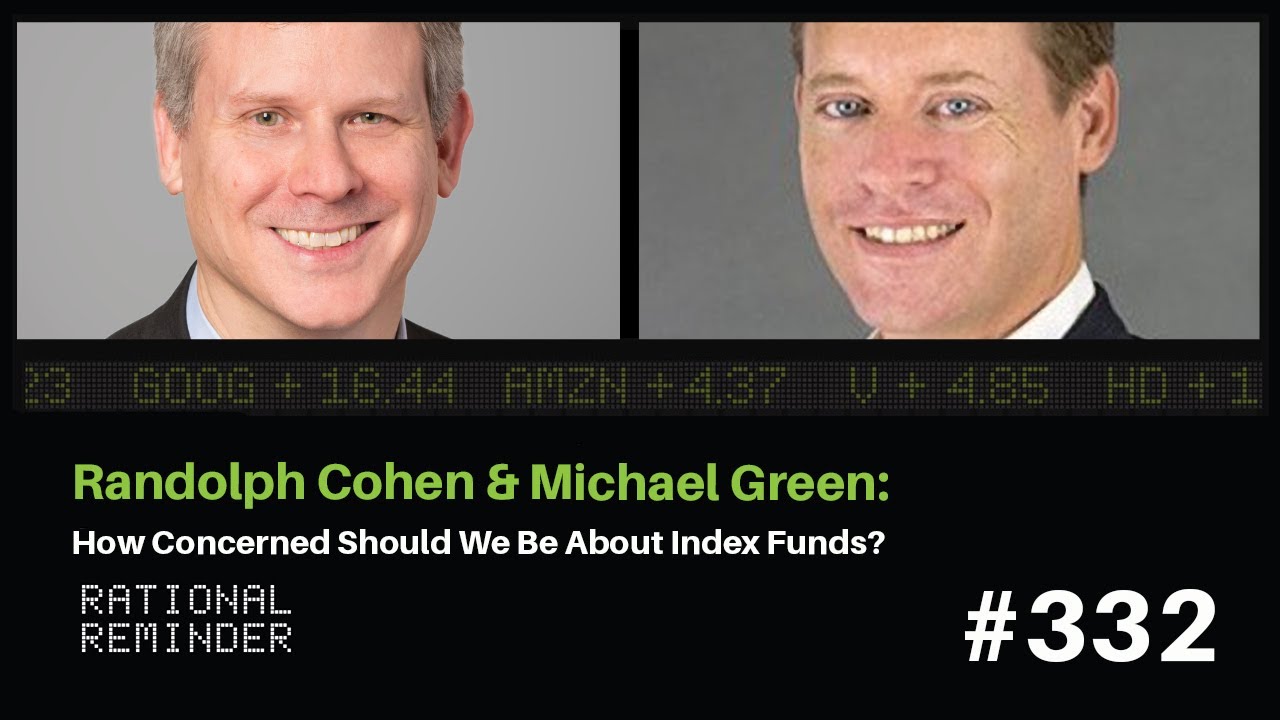
Are index funds a silent disruptor? Or are the concerns overblown? In this grab-your-popcorn episode, Michael Green returns to the show after his previous appearance elicited a wave of compelling feedback from listeners. These included very smart individuals in academia and practice who were interested in hearing a counter perspective. Joining Michael today for a lively debate is Randolph Cohen, Senior Lecturer of Entrepreneurial Management in the Finance Unit at Harvard Business School. In our conversation, Michael shares his deep concerns about how index funds and target-date funds might be distorting financial markets, honing in on the tension between market efficiency and price elasticity. Randolph counters with an academically grounded perspective, drawing on his PhD and years of research and teaching at one of the world’s leading business schools. With Ben and Cameron moderating, the discussion explores both sides without reaching a definitive conclusion. Tune in to witness this spirited, nuanced exchange and decide where you stand!
Olenko ymmärtänyt jotain väärin, kun Nordnetin maailma 125 on mielestäni todella edullinen vivutettu maailmaindeksi vielä nykykoroilla?
Nordnetin vivuttamattomista edullisin kuluiltaan on Amundi world 0,12% kululla ja Maailma125 kulu on 0,49%. Erotus on 0,37%.
Jos vedetään mutkia vähän suoraksi, lainarahan hinnaksi tulee kiinteä korko 4 x 0,37%= 1,48%/vuosi.
Tässä en nyt ota kantaa rahaston jakaumaan jne.
(Nappasin 20.3 maailma125 kiinni noin 3% osuudella salkusta).
Harkitsen osan Yhdysvaltoihin sijoittavien indeksirahastojen myymistä. Minulla on “onneksi” luovutustappioita käyttämättä joten verovaikutuksia ei tule. Mutta mitä tilalle? Kertokaa parhaat ideanne. Mieluiten etf- tai indeksirahastoja.
Omat suhteellisen tylsät ideat:
Spiltan Aktiefond Investmentbolag
Spiltan Globalfond Investmentbolag
Spiltan Småbolagsfond
Swedbank Robur Emerging Europe A
Storebrand Europa A
Nordnet suomi indeksi
Joo, Spiltan Globalfond investmentbolag sisältää jenkkejä mutta paljon vähemmän (52%) kuin monet muuta maailmanrahastot. Lisäksi rahasto sijoittaa sijoitusyhtiöihin ja sen kaltaisiin yrityksiin jotka ehkä osaavat tehdä sijoituspäätöksiä tässäkin maailmantilanteessa. Berkshire Hathaway isoimpana omistuksena.
Tässä esitetty ei ole eikä sitä tule käsittää sijoitussuositukseksi tai kehotukseksi merkitä, ostaa tai myydä arvopapereita.
Ei koske kuin ainoastaan USA rahastoja. Ja niistäkin vain sitä osaa jonka voin myydä hyödyntäen edellisvuosien osakesekoilujen tappioita. Minulla on siis ainakin omasta mielestä todella iso paino sijoituksista Yhdysvalloissa, joten pikkuisen kuumottaa tämä Trumpin sekoilu. Eli tarkoitus keventää tuota jenkkipainoa niin paljon kun järkevästi pystyn ilman veroseuraamuksia.
Maailmanideksirahaston kuukausittainen lisäys rullaa ainakin minulla riippumatta hetkellisistä kurssimuutoksista. Kassaa on kertynyt käteisen muodossa mukavasti ja jos aletaan laskettelemaan kymmenissä prosenteissa niin alan kasvattamaan kuukausierää reilulla kädellä. Minulla sijoituksia tarkoitus pitää vielä ainakin 30 vuotta ja uskon että tästäkin kuopastaan noustaan. Rahastohan itse korjaa painotusta kokoajan kurssien mukana ja uskon että itse painotuksia säätämällä en onnistuisi kuitenkaan pääsemään parempaan tuottoon.
Mitkä on vähäkuluisia ETF tai indeksi jos haluaa suoraan ostaa esim. Ruotsi indeksiä?
Nuo rahastothan kirjautuu sitten joskus. Nordnetissa käyn kauppaa.