Näin sen itsekin tulkitsisin noista Retina Labs-uutisista ja heidän sivuiltaan. Tuhannen taalan kysymys on kuitenkin se, miksi ei oteta tekoälyä käyttöön nyt, kun laajennetaan seulontaa uusille alueille? Voivatko vanhat screenaussopimukset vielä kattaa uudetkin alueet, vai onko prosessien käyttöönotto niin hidasta että lähdetään ensin pelkällä kameralla? Vai voiko tässä vieläkin olla muutosvastarintaa tai tekoälyvastaisuutta lääkäreiden taholta tms?
Joka tapauksessa näyttää positiiviselta, että Medicaidin piirissä olevassa seulonnassa on markkinaa Auroralle. Hieman ihmetyttää, miksi samalla ei menisi jo tekoälykomponenttia mukana tällaiseen toimintaan, johon tekoälyanalyysi sopisi kuin nenä päähän. Mistä tämä vielä kiikastaa?
Retina Labsin malli näyttää julkisten kuvausten perusteella enemmän teleretina / human overread -ketjulta (capture → lähetys → tulkinta → raportti), kuin 92229-tyyppiseltä “AI tulkitsee ilman lääkärin overreadia” -mallilta.
Retina Labsin omissa materiaaleissa on viitteitä siitä, että Optomedin kameroita on heidän paletissaan (Aurora IQ mainittu “on-location/nursing home calls” -tyyliin). Se ei silti vielä todista, että juuri WV-ohjelma on 100% Optomed.
Miksi AI:ta ei välttämättä oteta heti, vaikka laajennetaan?
Sopimus + korvausmalli: payerin kanssa voi olla rakennettu “gap closure / teleoverread” -sopimus. AI muuttaa hinnoittelun, vastuunjaon ja prosessin.
92229 vs teleoverread: autonomous AI vaatii käytännössä point-of-care -autonomisen tuloksen ilman silmälääkärin tulkintaa. Jos nykyinen putki on rakennettu overreadille, AI ei ole “nappi päälle”.
Indikaatiorajaukset: AI-tuotteilla (kuten AEYE-DS) on tarkat käyttöaiheet/potilasrajaukset. Payer voi haluta laajemman kliinisen tulkinnan kuin “more-than-mild DR”.
Operatiivinen skaalaus ensin: kun laajennetaan uuteen kaupunkiin, ensin rakennetaan logistiikka (teknikot, ajanvaraus, raportointi). AI-attach tulee usein vasta kun perusputki on vakaa.
Muutosvastarinta / med-legal: autonomous AI muuttaa vastuuta ja toimintamallia (miten kommunikoidaan tulos, miten ohjataan jatkohoitoon, mitä tehdään nondiagnostic-tapauksille).
Tämä itse asiassa tukee Optomedin tarinaa: “fleet ensin, AI myöhemmin”. Optomed on itsekin viestinyt, että monia myytyjä laitteita voidaan muuntaa Aurora AEYE -tuotteeksi tulevina vuosina → eli AI-attach ei välttämättä näy heti ensimmäisessä laajennusaallossa.
Mistä näkee käänteen AI:hin?
Jos Retina Labs/Wellpoint siirtyy AI-malliin, se yleensä alkaa näkyä sanoina kuten:
“CPT 92229”, “autonomous AI”
“instant/on-the-spot result”
“AEYE-DS”
“no physician overread required”
Eli: WV-caset ovat mun mielestä positiivinen signaali kannettavien kameroiden kysynnästä ja “screening operators” -trendistä. Mutta AI:n käyttöä niistä ei voi vielä päätellä, ja on täysin uskottavaa että ensin rakennetaan kamerafleet ja prosessi, ja AI tuodaan mukaan vaiheittain.
Aika mukavan linkin on Optomedin hallituksen jäsen Leana Wen jakanut (näyttää saaneen Washington Postila mukavasti palstatilaa :)) Erityisesti kohta 7.+++++
Kolmen FDA-hyväksytyn AI järjestelmän (LumineticsCore (ent. IDx-DR), EyeArt ja AEYE Diagnostic Screening) käyttö retinopatian seulonnassa perusterveydenhuollossa. Erityisenä kiinnostuksen kohteena olivat laitteiden tekninen suoriutuminen, seulontaprosessin tehokkuus ja taloudelliset vaikutukset.
Nostan tämän uudelleen. Voisiko tässä olla Himbergin lupailemia asiakkaita? Tämä siis vuodelta 2023, mutta vähintäänkin mielenkiintoinen kohta jutussa.
“In Mount Sinai’s tele-retina program, primary care physicians use high-quality portable digital cameras to capture retinal images during annual patient exams. Images are then uploaded to a secure technology platform, where NYEE retinal specialists access and read them and provide timely diagnoses. The implementation of validated AI software for these retinal images in the coming years could provide onsite interpretations of these scans, appropriate immediate patient referrals, and risk calculations for heart disease and stroke.”
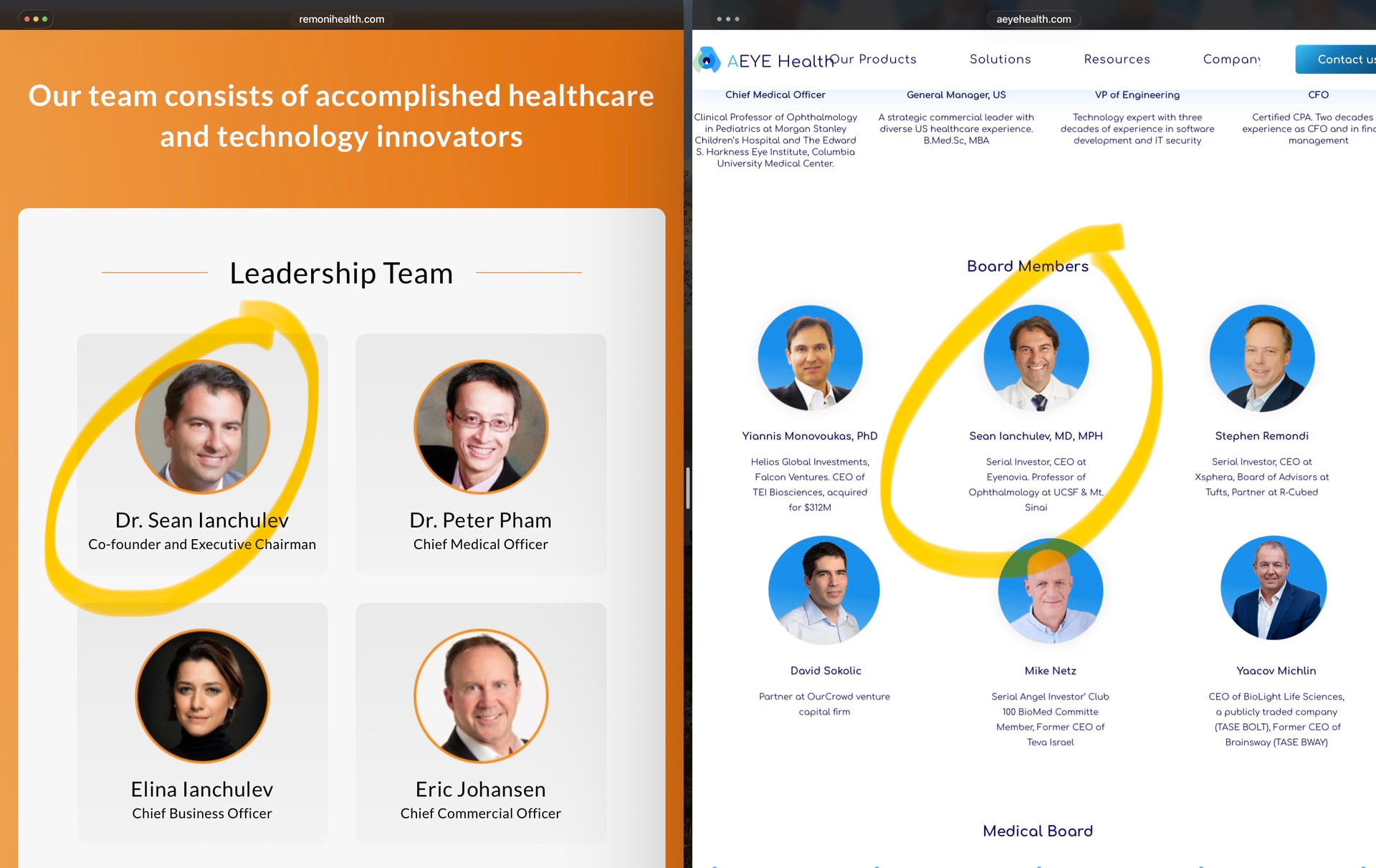
Lisäksi Tsontcho Ianchulev, MD, Professor of Ophthalmology at New York Eye and Ear ofMount Sinai and Board member of AEYE Health, sanoo:
“This is perhaps the most exciting FDA clearance I’ve seen in recent years. Such meaningful and impactful innovation – not only on the technology and clinical care front, but also for population health. A simple click without dilation right when you visit your primary care doctor, at the pharmacy or even at home, can instantly inform you about diabetic retinopathy. This can streamline care, reduce patient burden, and ultimately ensure exponential access to essential sight-saving service. Earlier systems have struggled because of efficacy, throughput, imageability, portability and need for dilation, but we see a major leap forward technologically with this holy grail system that really has it all.”
Oleellinen juttu, ainakin minulle, on että sitä pari vuotta jo puhuttua alustastrategiaa konkretisoidaan.
De facto alustaksi okulomiikka-ai-diagnostiikkaan/seulontaan kun pääsee niin ei ole taivaskaan rajana.
”Tämä kumppanuus kuvastaa sitoutumistamme muuttaa kädessä pidettävillä kameroilla kuvantaminen skaalautuvaksi tekoälypohjaiseksi diagnostiikka-alustaksi,” sanoo Juho Himberg, Optomed Oyj:n toimitusjohtaja. ”Optomed Lumo suunniteltiin alun perin ihanteelliseksi tekoälyintegraatioalustaksi, ja Aireenin AI:n integrointi kameraamme vahvistaa tämän strategian, avaten samalla ovia tuleville tekoälypohjaisille ratkaisuille.”
Redeye suhtautuu positiivisesti Optomedin kumppanuuteen Aireenin kanssa ja EU-hyväksyntään tekoälyn integroimiseksi Lumo-kameraan. Kuten olemme aiemmin todenneet, näemme Lumossa vahvaa potentiaalia ja uskomme, että siitä voi tulla tärkeä kasvunajuri Optomedille. Kumppanuus ja hyväksyntä ovat askel tähän suuntaan, ja toistamme näkemyksemme yhtiön arvostuksesta.
…
Kaiken kaikkiaan suhtaudumme tämänpäiväisiin uutisiin positiivisesti. Hyväksyntä ja kumppanuus viestivät edistymisestä Optomedin strategiassa laajentaa Lumon ominaisuuksia ja vahvistaa yhtiön asemaa tekoälypohjaisen silmänpohjakuvantamisen markkinoilla. Toistamme perusskenaariomme mukaisen 5 euron arvon, mikä heijastaa jatkuvaa luottamusta Lumo-alustan ja laajemman Devices-segmentin potentiaaliin.
Yhteistyö Aireenin kamssa vähentää riippuvuutta Aeyestä. Voisiko Aireenista olla kumppaniksi myös muilla markkinoilla? Olisi kiinnostavaa tietää, onko voitonjako suunnilleen samanlainen kuin Aeyen kanssa vai parempi. Vai onko vastaava tieto Aeyenkin kanssa sumuverhon takana? (Edit Ayesta → Aireenista)
Varmasti tulee olemaan muillakin markkinoilla mukana työkaluna…… esim. Näyttävät touhuilevan Lähi-Idässäkin mm. tuollaisella smart clinic konseptilla jossa saattaa muuten olla Lumolle aika paljon piffiä🤔
Tuskin tuota tullaan kertomaan kuten ei Optomedin ja AEYE Healthin kohdallakaan.
Tervetullut tämänpäiväinen uutinen oli, mutta pörssin avautumisen jälkeinen 6 %:n nousu taantui alle puoleen tuosta sulkeutuessa, mikä on ymmärrettävää, koska nythän sitä taas vasta myyntihommiin päästään, mikä tähän saakka on ollut haasteena.
Tosin putkessahan on vieläkin se big pharma-yhtiön kanssa kehitetty algoritmi, jonka kaupallistamisesta parhaillaan neuvotellaan. Ettei tässä olisi ollut kyse jostain alan top 10 yhtiöstä, vai muistanko ihan väärin? Tästä neuvottelutuloksesta olisi voinut kuulua jotain viime vuoden loppuun mennessä, mutta vielä ei toistaiseksi ole. Muistaakseni tuolloin puhuttiin kuitenkin lähitulevaisuudesta. Eli tämäkin tiedote voisi vielä puskea hyvinkin pian pihalle ja jos kyse tosiaan on big pharma-yhtiöstä, niin eiköhän osakekurssiin ladata tehokkaampaa ruutia kuin mitä tänään nähtiin.
Positiivisin mielin tässä mennään kohti Q4-tulosjulkaisua. Ohjelmistopuolelle muistaakseni tuloutuisi jokin merkittävämpi potti viimeiselle kvartaalille. Laitteet-puolella tuskin saadaan yhtä hurjia prosenttikasvuja kuin 2025 Q3:lla, koska sen vertailukausi oli heikko, ja nyt 2025 Q4:n vertailukaudelle sattui vuosi sitten tämä 1,5 miljoonan suuri laitetilaus Yhdysvaltoihin. Laitemyynti 2024 Q4:llä oli 2,6 miljoonaa ja vertailun vuoksi 2025 Q3 oli 2,3 miljoonaa. Jos päästäisiin edes tuohon vertailukauden 2,6 miljoonaan laitepuolella, olisi se noin 13 % kasvu Q-on-Q. Kasvua voisi olla enemmänkin, jos myynti on mennyt putkeen. Esimerkiksi 2025 Q2 ja Q3 välillä laitteet-segmentissä tapahtui hyvää kasvua 1,4 miljoonasta 2,3 miljoonaan.
Paljonhan tuosta Q3-kasvusta oli tätä perinteistä capex-myyntiä. Välttämättä vielä Q4:llä ei näy mahdollisten tekoälyalgoritmien käyttöönottoa näihin sanotulla kvartaalilla myytyihin IQ-kameroihin, joista Himberg viimeksi puhui. Mutta kuukauden päästähän sitä taas ollaan viisaampia.
Tässä on Juhan kommentit Optomedin uudesta yhteistyöstä.
Optomed tiedotti eilen strategisesta kumppanuudesta tšekkiläisen lääketieteen teknologiayhtiö Aireenin kanssa. Yhteistyön myötä Optomedin lippulaivatuote Lumo-silmänpohjakamera on hyväksytty käytettäväksi yhdessä Aireenin tekoälyalgoritmin kanssa diabeettisen retinopatian seulonnassa EU:n markkinoilla. Ratkaisu on saanut lääkinnällisen laitteen MDR Class IIb -hyväksynnän, mikä mahdollistaa yhdistelmätuotteen lanseerauksen Euroopassa. Uutinen on positiivinen askel Lumolle, mutta emme odota siitä oleellisia tulovirtoja lähiaikoina eikä uutinen aiheuta muutoksia ennusteisiimme.
Topcon jatkaa ostohurjastelua ja seuraava ostos korissa. Topcon–RemoniHealth-kumppanuus vie silmähoitoa klinikalta kotiin ja muuttaa seulonnan jatkuvaksi etäseurannaksi (AMD, DR, glaukooma). Tämä tekee Healthcare from the Eye™ -strategiasta konkreettisen: reaaliaikainen data, varhaisempi hoito ja maksajille parempi kustannustehokkuus. Tähän voisi toimia joku kannettava kamera aika hyvin🤔