olispa iskälläkin samat vaan 
1 tykkäys
Olipas aikamoinen ajoitus itsellä aloittaa omalle lapselle säästäminen: sen jälkeen markkina romahtanut n 10% ja yhtiöistä 3/10 antanut negarin. Ehdin jo ruoskia itseäni siitä, että aloitin 3 vuotta myöhässä, mutta näköjään markkina muistuttaa siitä vielä erikseen 
Jotenkin henkisesti tuo lasku ei aiheuta minkäänlaisia tunnetiloja, kun on alun pitäen asettanut horisontin niin pitkälle ja ostoja on tarkoitus tehdä säännöllisesti. Ja perheessä kenelläkään ei ole mennyt yöunet 
7 tykkäystä
Älä. Itse ollut efecten kyydissä jo pidemmän aikaa (muistaakseni vähän ennen teidän mallisalkkuostoa) mutta pojalle jätin toimeksiannon ja samoin otin vielä lisää itselleni öö… noin vuorokausi ennen ohjeistuksen laskua ja sen jälkeen vain iloista alamäkeä. Win win. Muutenkin se ostopäivä oli reilusti plussalla efectellä. Harviaa niin ikään ostin pojalle ehkä viikko ennen tätä laskua. Titaniumia ollut jo vuoden sentäs.
Olen vain miettinyt että no joo, jos olisin efecteä ostanut vaikka pari kuukautta aiemmin, se olisi voinut maksaa jopa 6e. Ja sama juttu Harvialla, että sikäli. Ja kyllä nämä ajoitukset unohtuu ajan myötä ja katoaa myös silmistä, luotan siihen. Toi efecte kyllä risoi mua sillon jotenkin täytyy myöntää
1 tykkäys
Efecte on varmaan hyvä valinta pitkään salkkuun (5v). Nyt on vielä positiivista signaalia saksan maalta joten maltetaan itse kukin odottaa nyt muutama kvartaali 

1 tykkäys
Tarkoitus oli avata lapsille arvo-osuustilit ja aloittaa kuukausi säästäminen rahastoihin, mutta nordnetin paperit on lojunut jo pari kuukautta tossa pöydällä ku ei olla saatu niitä täytettyä. Tästä johtuen avasin omiin nimiini salkut lapsille ja niihin olis tarkoitus säästellä pieni rahasto 18v synttäri lahjaksi. Lahjaveron muutoksillehan tässä nyt altistuu väkisin. Mutta ajatus oli että jos lahjaverotus pysyy samana niin saahan tällä tavalla piennennettyä luovutusvoitto veroja. Jos vaikka lahjottaa potin kun lapset täyttää 17v niin voivat vaikka lunastaa rahat kun täyttävät 18v vaikka auton ostoon ja pääomavero tulee lahjoitus päivän arvon mukaan.
Mielipiteitä? Onko tässä mitään järkeä?
Kannattaa muistaa, että osakesäästötili tulee vuoden kuluttua. Lapselle säästäessä se on ainut järkevä vaihtoehto. Jos ei siis ole kovin kummosia summia sijoittamassa, niin voi vaikka nyt sijoittaa omissa nimissä ja avata sitten osakesäästötili lapselle. Toki täyttä varmuutta ei oo, mutta kai se säästötili sieltä tulee 
Ajattelin nyt vihdoin kummilapselle tehdä nordnettiin tilin ja merkkailla aina sillon tällöin indeksirahastoja varsinkin tämmöisissä dipeissä. Käsittääkseni pystyn hallinnoimaan tai tarkastelemaan hänen tiliään valtakirjan avulla.
Sain vihdoin tuossa pojan osinkorahoja vähän kans omx25 indeksirahastoon kun tuli laskua. Siinä on tavallaan nyt hyvä “vakuutus”; jos markkinat nousee, niin hyvä. Jos laskee enemmän, niin siihen on helppo aina lisää merkkailla sitten
2 tykkäystä
Olen torstaina Sijoitus-Investissä klo 14:30 puhumassa lapselle säästämisestä, toivottavasti nähdään siellä!
2 tykkäystä
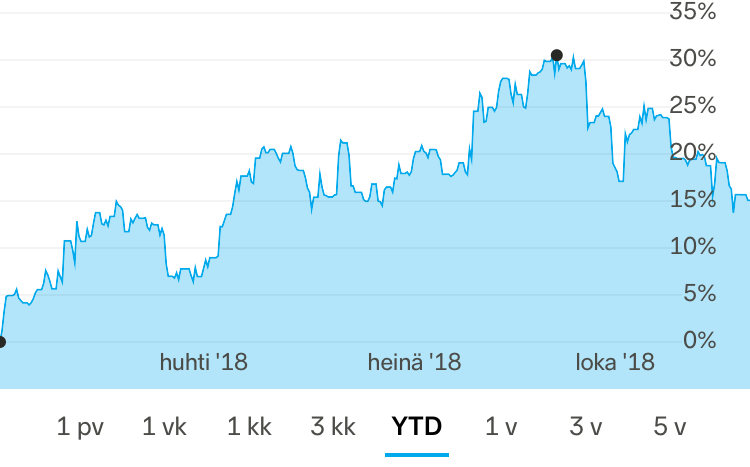
Lapsen salkku YTD noin +16%. Sisältö:
- Hoivatilat 32%
- Remedy 50%
- Superrahastoja loput (kuukausisäästäminen)
Tuotto selittyy pitkälti Nokian myynnillä jossain 5,3€ tasoilla kesällä.
Samaan aikaan itsellä arviolta YTD miinusta 10-15%.


Onko muillakin lasten salkut menneet omianne paremmin?
Hei Aston. Kyllä minullakin lapsen salkku menee paremmin, mutta eipä siellä olekaan hajautusta kuin kahteen osakkeeseen Talenom 85% ja 15 % Verkkokauppa.com. Lapsen ikä 2,5 v. Luulen Talenomin olevan ihan hyvä hankinta 12 euron hinnalla. Verkkis ei tietysti ole performoinut ihan yhtä hyvin, kun sen hankinta hinta on 5,5 eur…
1 tykkäys
Oma päätökseni (viivästelyni) aloittaa homma viime elokuussa juuri ennen romahdusta oli kyllä legendaarinen. Reilut 10 % miinuksella nyt. Silti en usko, että 15 vuoden päästä kaduttaa, että tuli aloitettua homma, varsinkin kun jatkuvasti säästää…
2 tykkäystä
Kun olen tästä aiheesta puhunut, niin muutama vanhempi ihminen on todennut “kyllähän sä nyt vielä tässä vaiheessa haluat säästää lapsellesi, mutta sit kun se täyttää 18 niin silloin alatkin miettiä miten järjestäisit asiat niin, ettei se vaan saisi mitään pääomia itselleen”
Hyvä tiedostaa, ehkä tuo kasvatuksellinen näkökulma korostuu, jotta näin ei käy…
2 tykkäystä
Markkinaluisun innoittamana lapselle säästäminen aloitettu myös täällä nyt vuoden vaihteessa.
Lähtötelineissä tilanne on seuraava:
20% Suomi superrahasto
20% Ruosi superrahasto
20% Norja superrahasto
20% Nordnet Smart 15
20% Nokia
Jos aloituspotin kokoa kuvataan luvulla 100, niin kuukausittain salkkurahastoihin valuu yhteensä 2 yksikköä lisää, mikäli markkina nousee.
Niinä kuukausina, jolloin rahastomarkkina on halvempi kuin salkun keskiostohinta, rahastoihin valuu 4 yksikköä.
Jos markkina on keskiostohinnan tasolla ±5% tarkkuudella, rahastoihin menee 3 yksikköä.
Näin tulee ylipainotettua halvemmalla ostamista ja alipainotettua kalliimmalla ostamista. 5 vuoden kuluttua lapsen salkkuun on tungettu siis 220…340 yksikköä pätäkkää. Todennäköisimmin noin 260…300 yksikköä.
Se on jo sinällään kokonaisuutena summa, jonka hallinnointitapa 18 vuotta täyttävälle nuorelle on täysin ratkaisevaa aikuisiän varallisuuden kehittymiselle.
Uuden auton hankkimisen sijaan voi 18 vuotiaana päättää haluaako sitten kuitenkin myöhemmin olla taloudellisesti turvatussa asemassa.
Jännä nähdä miten käy.
11 tykkäystä
Hyvä että olette aikaisin liikkeellä lasten sijoitusten kanssa. Suosittelen. Tässä omia kokemuksiani.
Avasimme aikanaan lapsille arvo-osuustilit, joihin sijoitetut varat ovat noin viisinkertaistuneet ajan saatossa, kahdenkymmenen vuoden aikana. Välissä on ollut useita pudotuksia, suurimpina 2000-luvun taitteeen teknokupla ja vuoden 2008 rysäys. Kaikesta on selvitty.
Salkut ovat olleet aika pitkälti osta-pidä-tyyppisiä. Osingot on aina sijoitettu uudelleen, ei välttämättä samoihin osakkeisiin, vaan sellaisiin, jotka ovat olleet mielestäni hyviä ostokohteita sillä hetkellä.
Olen pienestä pitäen myös kertonut lapsille sijoituksista, jotka ovat olleet lähes pelkästään suoria pääosin suomalaisia osakesijoituksia. Kun vanhempi lapsista oli noin viisivuotias, kuului takapenkiltä: ”äiti, onks toi se pankki minkä omistan?”. Ajoimme silloin juuri Nordean ohi – taisi olla silloin Merita nimeltään. Myöhemmin taas sijoittamisesta on ollut mukavia keskusteluita. Nykyään heillä on jo omaa näkemystä, mutta kuuntelevat toki äitiäkin 
On ollut kiva seurata, miten nyt jo aikuiset lapset ovat ottaneet sijoituksensa hoitoonsa. Toinen nopeammin ja toinen vähitellen. Kumpikaan ei ole halunnut pistää niitä lihoiksi. Molemmat ovat sijoittaneet myös omia tienestejään.
Sorry, jos kuulostan opettajalta, mutta sijoittakaa lapsillenne jopa pieniltäkin kuulostavia summia, lahjarahoja ja osakkeista saatuja osinkoja. Korkoa korolle on hieno asia.
27 tykkäystä
miten jos tulee toinen lapsi,niin ostetaanko sille sitten samat talenomit, kuin mitä ekalle. vai saako tyytyä köyhyyteen??
2 tykkäystä
Erittäin hyvä kysymys. Varsinkin, jos sattunut ensimmäiselle lapselle ostamaan hyvällä hinnalla joskus lama-aikana, niin siinä voi olla melko merkittävä ero varallisuudessa sitten toisen lapsen kohdalla. Voi aiheuttaa pientä närää, jos toisella on täysi-ikäistyessä paljon suurempi varallisuus kuin toisella ilman omaa ansionta.
1 tykkäys
Tämä ei olekaan mikään ihan yksinkertainen asia hoitaa. Siinä pitää päättää oma linja, ja mahdollisuuksia on monia. Esim.
- ostat samoja vähitellen tai jos rahat riittää niin suoraan samat kuin esikoiselle. Tämä olisi optimaalisin, mutta ei aina mahdollista
- annat saman määrän rahaa (indeksikorotuksella) kuin esikoiselle ja sitten ostat niitä osakkeita, mitä vaikuttavat parhaimmilta juuri silloin
- ostat mitä ostat ja teet jossain vaiheessa esim. 18v. kohdalla laskelman, kuinka paljon ero on ja tasaat sen tai teet suunnitelman tasaamiseksi.
Teimme tämän viimeisen mukaan ja eroa tuli 11% salkun kokoon nähden. Juniori jäljessä siis. Jälkiviisaana olisin ehkä kuitenkin valinnut ensimmäisen vaihtoehdon.
3 tykkäystä
Jaa a, hyvä kysymys, toista mukulaa ei ole mutta olen ajatellut jokseekin automaattisesti että Elinan tuolla keskimmäisellä vaihtoehdolla menisin. Eli jos esikoiselle olen vaikka tonnin laittanut osakkeisiin, niin toiselle lapselle sama panos (+inflaatio) ja sillä hetkellä niitä osakkeita mitkä parhaalta tuntuu, thats it.
Samoja osakkeita ei ehkä optimaalisin ostaa, koska sillä hetkellä voi olla jotain tuotto/riskisuhteella parempaakin tarjolla. Eikä sekään reilua varmaan että 10 vuotta vanhemman lapsen salkku kohonnut kymppitonniin, niin toiselle lapselle sama summa heti kättelyssä osakkeisiin. Joku tasaus 18 vuoden iässä ehkä ihan ok, mutta ihanteellisin olisi saada taottua lasten kaaliin, että tuotto ei ole tasaista eikä samaa kaikilla - oikein toimimalla voi osakemarkkinoilla joko vaurastua, tai sitten vaurastua paljon. Täydellisessä maailmassa ei lasta edes kiinnosta, tai haittaa, onko veli/sisko saanut isommat hillot osakkeilla.
Jos annat toiselle ennakkoperintöä, niin onko reilua antaa toiselle huomattavasti myöhemmin vain indeksikorotetuna vastaava summa? Varsinkin tilanteessa, jossa ensimmäisenä ennakkoperintöä saanut on voinut sijoittaa ennakkoperinnön tuottavasti. Syytä on siis huomata, ettei perintöäkään jaettaessa huomioida perijöiden ikää.
Pienillä summilla asiasta ei varmastikkaan saada riitaa. Osakkeisiin sijoittamalla voi syntyä kuitenkin tilanne, jossa toisella lapsella mahdollista hankkia tekemilläsi sijoituksilla lapsen täysi-ikäistyessa velaton asunto ja toiselle sitten kertynyt varat uuteen pikkuautoon. Kyse on nyt siitä, että haluataanko ottaa sellanen riski, että toinen lapsi saa huomattavasti paremmat taloudelliset lähtökohdat ilman, että on itse vaikuttanut tilanteeseen mitenkään. Perintöriitojakin saadaan melko pienistäkin asioista, niin samat riidan ainekset on myös siinä, että lapsille säästää erilaisiin kohteisiin ja eriaikaan tehtynä.
Jos halutaan välttyä riidoilta, niin voisin itse kuvitella ratkaisuksi tähän sen, että asetetaan tavoteeksi esim. asunnon hankinta ja tehdyt säästöt kattaisivat jonkun osuuden asunnosta. Tarvittaessa tämä sitten tasattaisiin täysi-ikäistyessä siten, että säästöillä molemmat olisivat voineet maksaa tietyn osan samanlaisesta asunnosta.
Pidä siis itselläsi vähintään vastaavat omistukset kuin lapsellasi ja mahdollisesti niin moninkertasesti kuin aiot lapsia vielä hankkia. Voi sitten kompsoida niistä niille lapsille, joiden sijoitukset ovat jostain syystä kehittyneet huonosti. Riitaa tuskin syntyy, jos alusta alkaen on tehty selväksi, että kaikille lapsille on tehty sijoitukset kuittaamaan tietyn osuuden asunnon hankinnasta (vaikka säästöjä ei lopulta siihen käytettäisikään).
1 tykkäys
Moikka.
Huomioikaa lapselle säästämisessä se, että verottaja hyväksyy kuukausittain n. 138,80 EUR/lahjan/per lapsi.
Tuolloin täyttyy verottajan ehto max. 5000 EUR/3v.
3 tykkäystä