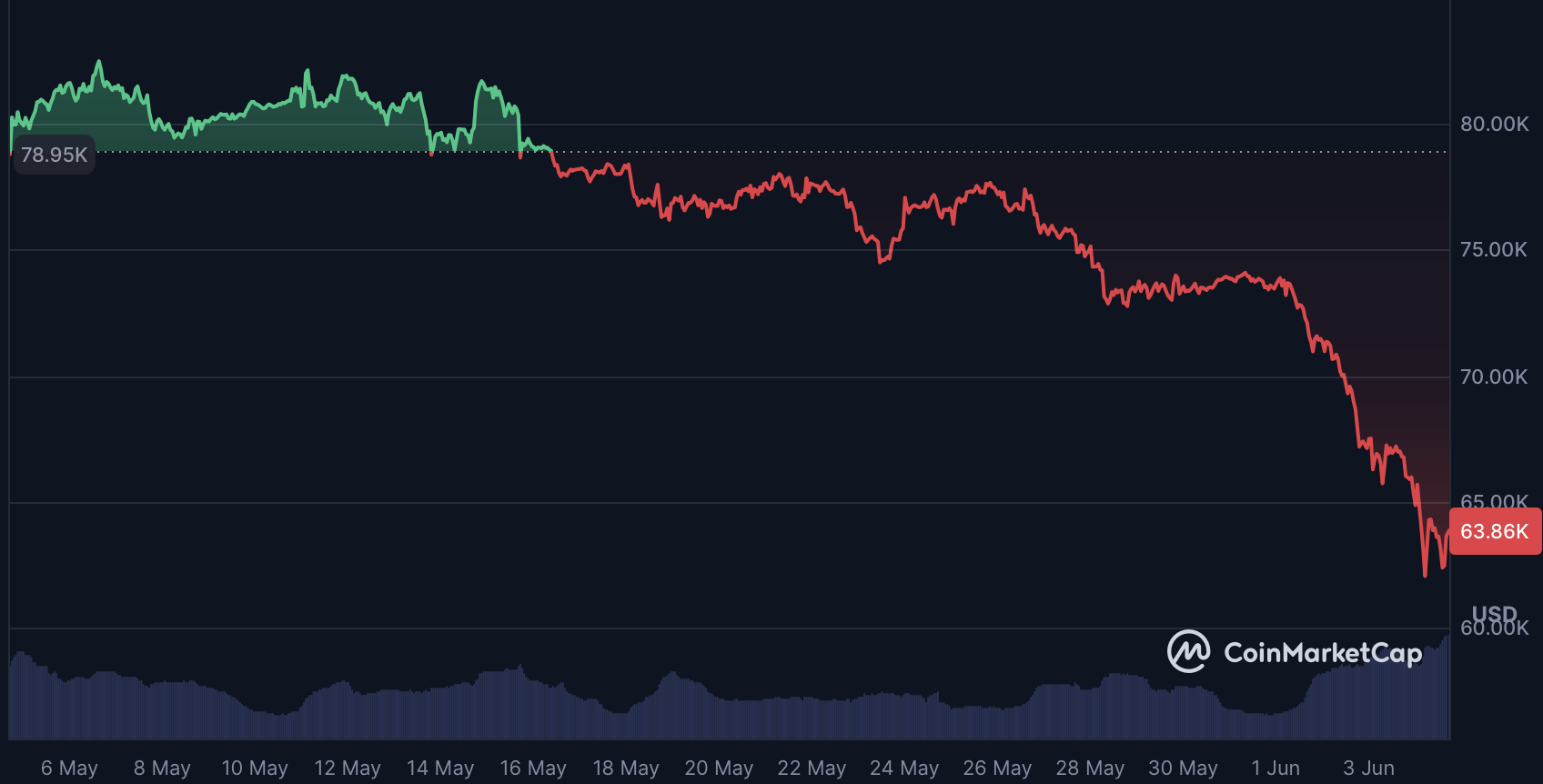
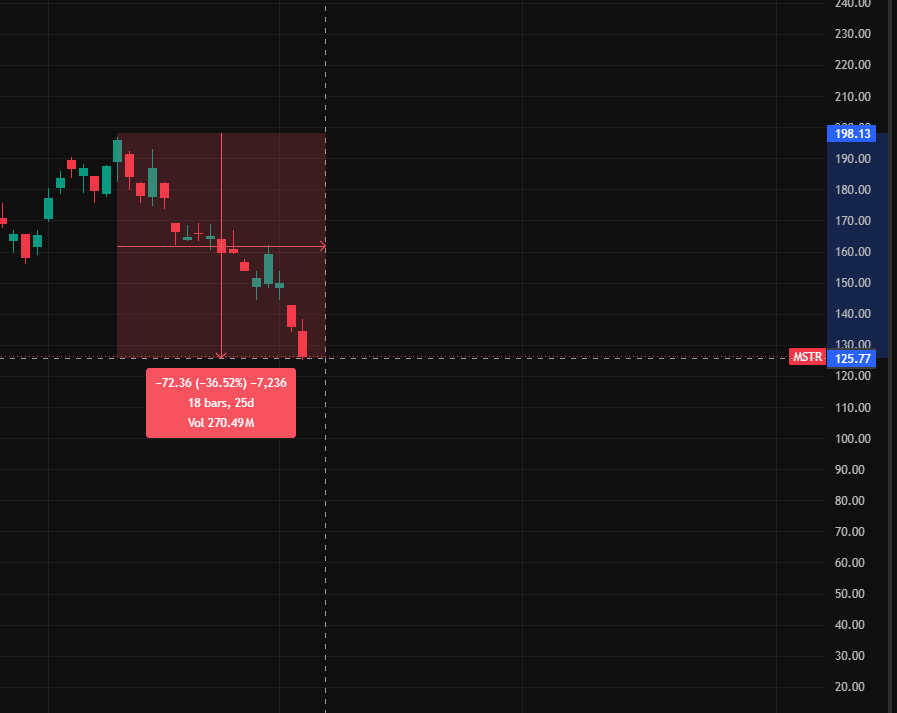
Näistä tulee mieleen foorumillakin parjatun Puolan Markun (Oroco, Voxtur, Adoro) jokavuotiset videot, missä kaveri aina muistuttaa katsojia, että pienyhtiöissä tulee AINA jossain kohti isosti turpaan, kun kurssi menee viemäriin. Jengi joka nousukaudella tulee mukaan äkillisten moninkertaistujien perässä ei välttämättä kestä sitä, että ne salkun osakkeet voi tulla vaikkapa -70 % alas.
Eikä siihen voi mitenkään varautua lukemalla kirjoja tai muiden sijoittajien kokemuksia, koska sen näkee vasta sitten tositilanteessa kun tappioita alkaa kertymään, että kenen pää kestää olla pienyhtiösijoittaja. Eikä siinä tietenkään ole mitään väärää. Kaikista ei voi tulla nyrkkeilijöitä ja toisenlaisille ihmisille voi sopia paremmin vaikkapa savikiekkojen ammunta haulikolla, kun siinä lajissa ei ole riskiä että savikiekko iskisi sua nenään
Ostin kesäloman alkamisen kunniaksi kahdet uudet farkut, samaa merkkiä ja mallia kuin entisetkin. Ilokseni huomasin, että W33 vyötärökoon voin unohtaa, tilalle jatkossa W32. Vaikea sanoa, vaikuttaako tuo kolmen vuoden äärimmäinen sokerikielteisyys asiaan, mutta mukavaltahan tämä “kuihtuminen” tuntuu. Vielä yli 10 vuotta sitten vyötärö oli kokoa W34, joten suunta on hitaasti, mutta varmasti ainakin oikea.
@Akee Hei kuka mun kanssa enää Remedy-härkäilee ja on optimistinen jos sinäkin olet lannistunut?
On mulla tuolla Ostin/Myin äsken -keskustelussa ollut taipumus vetää sata lasissa ”Ostin lisää, kohta lähtee” -mentaliteetilla, mutta ehkä itse Remedy-keskustelussa olen keskittynyt joko jakamaan tietoa tai kujeilemaan.
Olen asemassa, jossa kuulen asuntorakennuttajien aikeista hyvissä ajoin ennen suurta yleisöä. Nyt näyttää siltä, että meidän orastava talouskasvu uhkaa levitä myös rakentamiseen. Rakennuttajat alkavat heräilemään pitkiltä talviuniltaan ja nyt käynnistellään hankkeita, jotka vielä viime vuonna eivät kiinnostaneet ketään.
Idiomaattinen ilmaus ”jumping the shark”, ”shark jumping” tai ”to jump the shark” tarkoittaa, että luova teos tai muu kokonaisuus on kehittynyt pisteeseen, jossa se on kuluttanut loppuun alkuperäisen ydinajatuksensa ja alkaa esitellä uusia ideoita, jotka ovat ristiriidassa sen alkuperäisen teeman tai tarkoituksen kanssa tai ovat sen äärimmäisiä liioitteluja eli karikatyyrejä.
Ilmaus syntyi vuonna 1985, kun radiojuontaja Jon Hein viittasi sillä amerikkalaisen tilannekomediasarjan Happy Days viidennen tuotantokauden vuoden 1977 jaksoon, jossa Fonzie-hahmo (Henry Winkler) hyppää vesihiihtäessään elävän hain yli.
Köhöm, ja meikäläinen on Master of Science - MS, Economics, saa kutsua herra MÄSTERIKSI x)
mulla ei muuten ole aavistustakaan kuka noita wikipedian artikkeleita päivittää, en tunne ketään joka harrastaisi sitä.
Ei kelpaa ensi käden tieto lähteeksi Wikipediaan! Sun pitää nyt tehdä uus haastis Alokkaalle, että saadaan joku uskottava journalistinen taho todistamaan, että tosiaan olet maisteri. Muuten säilyt virallisen totuuden mukaan jatkossakin tradenomina
Minulle on kyllä aina ollut mysteeri miksi meillä on Kilpailu ja kuluttajavirasto, jos se ei puutu selkeään kilpailun puuttumiseen tai rajoittamiseen.
Sokea reettakin näkee, että Teboilin lähdön jälkeen polttoaineasemilla on hinnat nousseet enemmän kuin öljyn hinta. Kaikki tietää, että parhaat kauppapaikat on jotenkin S-Ryhmän tai Keskon takataskussa. Me kaikki ymmärretään että jos Kesko pitää hinnat korkealla ja Lidl toimii siellä missä sattuu toimimaan, niin pikkupaikkakunnilla ja tietyissä kaupunginosissa S-Ryhmä voi asettaa hinnat just sinne minne itse haluaa.
KKV kun puuttuisi asiaan, niin me kaikki hyödyttäisiin enemmän kuin bonuskortista. Ainoat häviäjät olisivat S-Ryhmän johtajat ja hallintoelimissä istuvat poliitikot.
Tässä hyvä juttu, Arhi Kivilahti ehdotti että tukkutoiminta ja vähittäiskauppatoiminta voitaisiin erottaa erilleen. Saataisiin ison logistiikkaketjun ja kireän kilpailun hyödyt samaan aikaan.
Noh, kyllähän nämä olisivat aika isoja juttuja KKV:lle, helpommalla pääsee kun vähän sanoo soosoota marjojen poimijoille niin ainakin näyttää siltä että tehdään jotain eikä tarvitse suututtaa ketään jolla on oikeasti valtaa ja rahaa.
Jep, “omistajana” S-ryhmän yrityksissä koko ajan harvemmin asioivana vahvistuu entisestään kuva isännättömistä taloista ja asiakkaistaan loittonevista yrityksistä. Hinnat on kilpailijoihin verrattuna kovia (ravintolat, polttoaine, hotellit yms. yms.) samalla kun se laatu ei tosiaankaan vastaa hintoja. Nuo mainitut ABC-lounaiden hinnat on yksi asia, joka aiheuttaa hämmästystä: arkilounaankin hinta on jo tyypillisesti 16 € ja se ruoan laatu saa poikkeuksetta miettimään muita vaihtoehtoja ja palveluntarjoajia. Liekö se vihreä kortti sitten niin maaginen, että sen perässä porukat on valmiita ostamaan alilaatua ylihintaan?
Verovapaissa ravintoloissa on toki parempi hintalaatusuhde. Ja kun tuli lukaistua kirja modernista orjuudesta, niin on jotenkin vaikea mennä enää nepalilaiseen ravintolaan. Että jospa se noissa S-jutuissa on silleen, että se maksaa sen, minkä se maksaa, jos sen sääntöjen mukaan tekee.
Vähän kärjistäen, niin ovat Helsingin pienyhtiöt myös keskimäärin laadultaan melko heikkoja ja kaukana maailman kärkipäästä. Toisekseen likviditeetin puute rajoittaa jo itsessään tuota tehokkuutta. Yritäppä dumpata tai avata edes 100.000 euron positiota…
Jos tekee 100k kertakauppoja, niin sitten sijoitusvarallisuuta lienee jo niin paljon, ettei Helsingin nakkikioskeihin ehkä kannatakaan sijoittaa muuten kuin harrastusmielessä. Tai aina voi ostella pienemmissä erissä. Tuollaisilla positioilla pitää kyllä muutenkin tietää mitä on tekemässä, koska exit voi olla ihan yhtä työläs.
Varmasti näinkin, mutta jos vertailukohtana pitää esim. Huili-taukopaikkoja, niin aivan eri tasoa kuin ABC; reilusti edullisemmat hinnat ja reilusti parempi ruoan laatu. Ja Tradekan omistamana tuskin vetelevät lain harmaalla puolella. Mutta makuasia, sanoi koira…
Itse aloin sijoittaa suomalaiseen pienyhtiöön vuonna 2018 Harvian tullessa pörssiin. Oli se melkoista, Harvian vaihto oli ajoittain hyvin pientä ja arvostuskerroin matalalla (muistaakseni P/E pyöri siinä 12-14 tienoilla). Kun ostin lisää osakkeita niin välillä muodostin yllättävän ison osan päivän vaihdosta, vaikka summat olivat pieniä.
Sittemmin yhtiö nousi pienyhtiöhuumassa sijoittajien tietoisuuteen laajemminkin ja vaihto nousi merkittävästi. Kurssi nousi pienyhtiöhuumassa, laski rajusti “pienyhtiökrapulassa” ja on sittemmin taas noussut yhtiön kannattavan kasvun myötä.
Itse uskon, että pienyhtiöissä markkina on tehottomampi kuin suurissa yhtiöissä monista syistä johtuen mutta pitkässä juoksussa markkina korjaa pienyhtiön kurssia kannattavuuden ja kasvun mukana. (Toki jos yhtiö ei kasva eikä kannata ei kurssikaan yleensä hirveästi piristy. )
Itsellä on löyhässä seurannassa muutama Helsingin pörssin pienyhtiö ja jossain kohtaa voi olla, että ostankin jotain niistä. Hyvin mielenkiintoinen markkina “tee-se-itse -sijoittajalle”, voi tehdä hyviä löytöjä.
Sieltäpä se tulikin tärkein syy miksi itse olen pysynyt etäällä hesulin pienfirmoista. Yleensä ovat aika paskoja firmoja, tottakai poikkeuksiakin löytyy, taitava ja ahkera sijoittaja voi niitä hyödyntää. Parhaat suomalaiset pienyhtiöt on pääomasijoittajien tai ulkomaalaisten käsissä. Jos firma on first north listalla, niin oma ajatus on kyllä ensimmäisenä että mitähän vikaa tässä on. Minkäpä tälle mielikuvalle mahtaa kun sellainen on päässyt syntymään. Suuntaan katseen ennemmin vaikka nasdaq indeksiin.
Enemmän kuin 5 vuotta sitten Juurikki avusti erästä ystävää, joka oli innostunut yllättäen sijoittamisesta, päivittämään erään suomalaisen pankin pari vuotta vanhat tiedot Wikipediaan.
Juurikki tarkisti tekstin ja totta oli väitteet, kun virallisiin tulosraportteihin vertasi. Miten kävi? Teksti delattiin ja hän sai vielä muistaakseni 6 kk bännin. Että ketkähän siellä mahtaa egojaan hioa Wikisensoreina?