I added those cancer abbreviations to the message above.
As I understand it, of those cancers, GBM and LGG are central nervous system cancers and might not be targetable with Bex. Others potentially are, but the red population (C4-type) is likely the one most likely to benefit from Bex. In this case, the percentage leaders appear to be, in order: ACC, UVM, LICH, PCPG, KIRP, OV, SARC, CHOL, etc. Some of these are already included in the solid tumor trial designs. On the other hand, in the first part of Matins, UVM patients did not benefit as much from Bex monotherapy as I would have assumed based on that immune subtype, meaning other factors likely also influence the response.
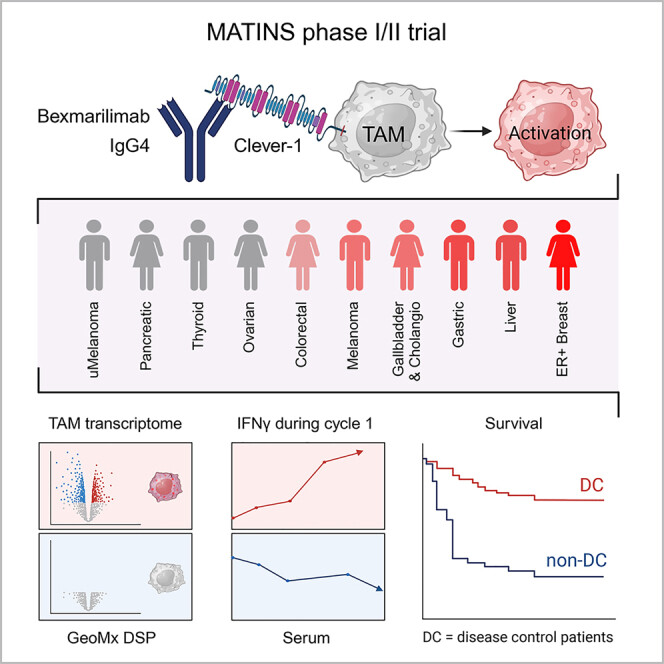
Of course, Bex could potentially be used in those other cancers as well, but then the patient population is a smaller part of the total population. If the cancer type itself is common, even that smaller percentage can still constitute a significant patient group. However, the benefiting segment of patients can likely still be identified in advance with biomarkers. Primarily, the impact from an investment case perspective comes when evaluating the size of the target market.