Ei se yksin ajanut vaan oli merkittävä vallankäyttäjä omine armeijoineen. Tämän valtarakenteen olemassa olo oli toki Kremlillä tiedossa, mutta aikeet ei.
4 tykkäystä
Täytyy muistaa, että Neuvostoliiton hajoaminen tapahtui lopulta nopealla aikataululla ja uudet valtiot syntyivät vähintääkin jo siitä syytä, että niiden oli pakko syntyä, joska Neuvostolittoa ei enää ollut. Toki varasuunnitelmia oli varmasti tuolloin, mutta osa uusista itsenäisistä valtioista joutui tilanteeseen, jossa vaihtoehtoa ei ollut.
Kun Neuvostoliitto aikoinaan hajosi Ukrainan ilmoitettua vuonna 1990 enemmän tai vähemmän, että tämä oli tässä, ei Moskovalla enää ollut pelimerkkejä. Jatkaminen usean suuren muslimienemmistöisen maan kanssa olisi ollut epämieluisa vaihtoehto. Samaa politiikan, talouden ja kulttuurin dynamiikkaa voi olla tiedossa myös Venäjälle, hajoaminen tapahtuu pakottavan prosessin kautta, halusivat alueet sitä tai ei.
Eli edelleen olen sitä mieltä että edes Venäläiset itse eivät tiedä mitä valtarakenteita maa pitää sisällään ja ulkopuoliselle sen tiedon hankkiminen on vielä vaikeampaa.
Tästä syystä kehotan varovaisuuteen Konstantinin videon tulkinnassa. Toisaalta tietoa Venäjältä vuotaa länteen tutkijoille ja tiedustelupalveuille aika lailla jo pelkästään siitä syystä, että
a) osa (ei välltämättä suuri osa mutta osa) venäläisistä vallanpitäjistä on vain paperilla nykyhallinnon kannattajia ja tosiasiassa korkeintaan sietävät tai jopa inhoavat nykyhallitsijoita
b) osa vuotaa tietoa muuten vain rahasta (aina tärkeä motiivi) esimerkiksi läntisille tiedustelupalveluille tai tutkijoille.
Systeemin toimivuutta voi mitata sillä, kuinka paljon tapahtuu murhia, odottamattomia pidätyksiä tai äkillisiä korruptiopaljastuksia valtaatekevistä. Kun kaikki toimii hyvin, näitä on vähän. Kuin kaikki toimii vähemmän hyvin, alkaa päitä putoilemaan siellä täällä paljon enemmän kuin normaalisti ja siellä, missä niitä ei pitäsi pudota.
20 tykkäystä
Hieman tulee sellainen vaikutelma, että Eurooppa on ollut melko aktiivisesti laatimassa noita julkilausumia ja kuvaamassa yhteiskuvia, mutta konkreettisten päätösten tekeminen tai strategian laatiminen on sitten… noh, mikäs kiire tässä nyt on eli tehdään jotain myöhemmin. Pitää nyt kuitenkin vakuuttaa, että tilanne on hallinnassa.
6 tykkäystä
Loistava ja silmiä avaava analyysi USA turvallisuus strategiasta.
8 tykkäystä
Jos tämä Istrebinin välittämä tieto jälleen yhden tyhjän tankkerin upottamisesta pitää paikkansa, on se erittäin hyvä uutinen. Tapahtunut Mustalla Merellä siis ja alkuperäinen lähde on Rybar.
22 tykkäystä
https://x.com/GirkinGirkin/status/1998802051396997604
Tankkerin poksautus vahvistettu
21 tykkäystä
Arvioiden mukaan Venäjällä noin 99 % palkoista maksetaan tällä hetkellä edelleen ajoissa. Se ei kuitenkaan lohduta näitä Sverdlovskin alueen rakennustyöläisiä, jotka rakentavat kaivoksen rikastamoa. Palkat ovat pari kuukautta myöhässä ja tässä videovetoomuksessa kerrotaan työntekijöiden surkeasta tilanteesta. Veikkaanpa, että lähikuukausina netti täyttyy vastaavista vetoomuksista, mutta vielä tässä vaiheessa näitä jaksaa lukea. Alla osa vetoomuksesta google translaten avulla käännettynä, lopussa linkki itse vetoomukseen. Lähde Beefaeterin X-tili
“Lähtölippuja työmaalta ei osteta, matkakuluja ei korvata, työntekijöille ei makseta ruokapäivärahoja eikä palkkojen viivästymiskorvauksia makseta. Työntekijöiden närkästyksestä huolimatta ylempi johto jättää palkkojen maksamista koskevat vetoomukset huomiotta", videovetoomuksessa sanotaan.”
12 tykkäystä
Alla on The Kiev Independentin juttua siitä, miten Venäjä aloitti suurhyökkäyksen helmikuussa 2022 ja Ukraina katkaisi diplomaattisuhteet, mutta ei kaikkea yhteydenpitoa. Epävirallisia kanavia on jatkettu oligarkkien, sotilastiedustelun ja humanitaaristen kysymysten, kuten vankivaihtojen avulla.
Roman Abramovitš ja muut välittäjät järjestivät alkuvaiheen rauhanneuvotteluja ja mm. viljajärjestelyjä, jotka kuitenkin tyrehtyivät. Myöhemmin syntyi virallinen mutta epätasapainoinen yhteys puolustusministeri Rustem Umerovin ja Putinin neuvonantajan Vladimir Medinskin välille ilman sen suurempia poliittisia läpimurtoja.
Jutussa puhutaan myös, miten Energoatomia koskeva korruptioskandaali paljasti lisäksi mahdollisia rahavirtoja Venäjälle. Asiantuntijoiden mukaan Moskova käyttää neuvotteluja propagandan välineenä, mutta jonkinlainen yhteys on silti välttämätön etenkin humanitaaristen kysymysten ja tulevien sotilaallisten sopimusten vuoksi jne.
11 tykkäystä
Iltalehdessä oli juttu miten Venäjä on huolissaan Kiinan valtaavan siltä alueita. Lainaus: "Samaan aikaan Kiina toisaalta “näyttää selvästi olevan valmis laajentamaan vaikutusvaltaansa yhteisillä rajaseuduillaan röyhkeiden kyberhyökkäysten ja opportunististen toimien avulla ankkuroidakseen itsensä Venäjän yhä heikkenevään talouteen”, Cronin sanoo.”
Lainaus: " Ukraina: Venäjän alueita käytännössä alistettu Kiinan hallintaan
Ukrainan presidentti Volodymyr Zelenskyi kertoo komentaneensa ulkomaantiedustelupalvelun (SZRU) seuraamaan entistä tarkemmin Venäjän ja Kiinan välisiä suhteita.
Zelenskyin mukaan on kasvava trendi, että osa Venäjän alueista luovuttaa alueellisen itsemääräämisoikeutensa Kiinalle. Presidentti perustaa tietonsa SZRU:n johtajan Oleh Ivaštšenkon raporttiin, jonka mukaan Venäjä antaa resurssirikkaita maitaan ja alueiden vähäisiä resurssejaan Kiinalle."
Ilta Sanomien juttu:
Zelenskyn twiitti aiheesta:
Jutussa mainittiin Putinin olevan huolissaan aiheesta ja itse alkaa tuntua, että rauhan neuvottelu “innokkuus” Trumpin kanssa kertoo Venäjän hädästä. Kiinahan on julistanut uuden kartan jo aiemmin.
Lainausta: "Venäjän ja Kiinan välisen vuoden 2008 sopimuksen mukaan saari jaettiin maiden kesken. Kiinan uusissa virallisissa kartoissa koko saari on kuitenkin merkitty Kiinan kansantasavallan itäisimmäksi pisteeksi.
Julkaistujen karttojen liitteessä korostetaan RBK:n mukaan, että ”kartta on laadittu Kiinan ja muiden maailman maiden rajojen suunnittelua koskevien kansallisten standardien mukaisesti”.
Venäjä ja Kiina ovat kiistelleet kyseisestä saaresta jo vuodesta 1860 lähtien. Tuolloin silloisten keisarikuntien väliseksi rajaksi määrättiin Amur-joki."
Katsokaapa nyt sitten karttaa missä se Sahalin oikein on, josta Putinin ja Trumpin lähettiläät olivat jutelleet Exxonin toimiin liittyen.
Putin ja Trump on saattaneet mielestäni löytää yhteisen vihollisen jota vastaan liittoutua. Vastaavasti Kiina sanotaan tarvitsevan Venäjää taistelussa USA:ta vastaan. No, jos Kiina siirtää alueet itselleen niin voi olla ettei Kiina tarvitse Venäjää. Onko näin, että Itä ei ole enää Venäjän kontrollissa ja sillä ei ole resursseja millä sitä kontrolloida. Kaatuminen voi olla yllättävän lähellä ellei USA sitä pelasta. Tämä selittäisi kiireen rauhansopimuksen kanssa. Trump haluaa hyödyt Venäjästä USA:han eikä antaa Kiinalle. Jos Venäjä ei saa sodasta voittoja kumppani Putinin hallinto kaatuu ja nyt osa Venjästä uhkaa livahtaa Kiinalle.
Jos Siperian arvokkaat luonnonvarat menee Kiinalle Special Military Operationia ei saa mitenkään käännettyä voitoksi. Edessä olisi vallanvaihta ja sekasotku. Nyt on sitten kiire saada näennäinen voitto ja yhteistyö USA:n kanssa rullamaan.
Edit: Kiire tuli siinä vaiheessa, kun USA laittoi pakotteet Lukoilille ja Teboilin esimerkkinä toiminta tökkäsi. Mielestäni vaikuttaa, että Venäjän rahahanat alkavat oikeasti olla tukossa. Siihenhän tuli sitten TACO perään. Pakote oli siis liian tiukka.
23 tykkäystä
Nyt kun novogandaa ja Putler-Venäjän “voitokasta rintamariemumarssia” ruuttaa lähes jokaisesta tuutista niin laitetaanpas siihen reunalle vastapainoksi tällainen:
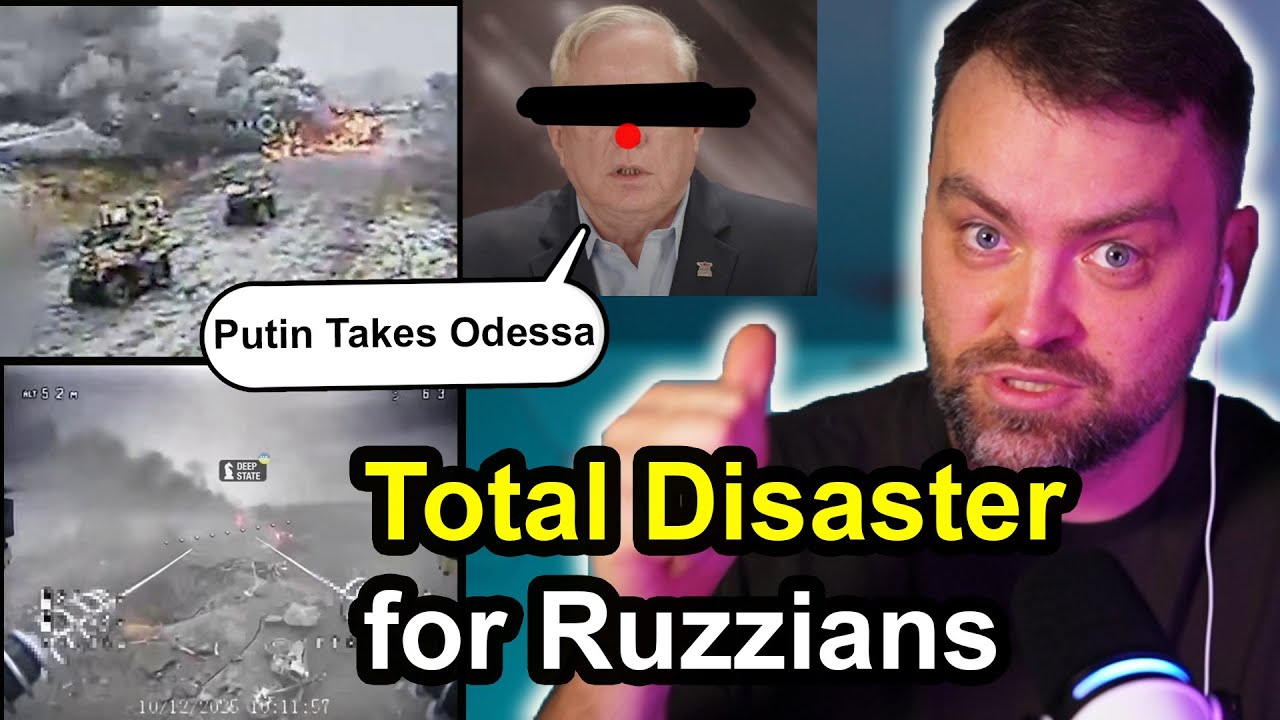
- Even for Russia, the catastrophic losses can only last so long…
10 tykkäystä
Siltä näyttää ja ihmeen vapaasti sanomalehdet saa siellä asiasta kirjoittaa
“Nearly 60% of Russian regions have hole in their budgets over 600 billion roubles”: Russian paper.
Alueiden ensivuoden budejteissa menot ovat tuplasti suuremmat kuin tulot ja 60% alueista budejttivajetta on yli 6 miljardia dollaria, 11 kertaa enemmän kuin 2022. Suoraan ei sanota että johtuu sodasta vaan verrataan 2022 vuoteen 
27 tykkäystä
Alueita saa arvostella, ne toimivat varoventtiilinä.
5 tykkäystä
Mitäs mieltä rauhansuunnitelman toteutumisesta? Kosahtaako omaan mahdottomuuteensa vai saadaanko jonkinlainen rauha aikaiseksi, TS. suostuuko Venäjä/USA ko. sopimukseen?
Lyhyesti näin:
Yhdysvallat suostuu mihin tahansa, mikä käy Venäjälle.
Euroopalle kelpaa mikä tahansa rauha, joka kelpaa Ukrainalle (ja ei siis ole antautuminen Venäjälle).
Venäjä suostuu vain sellaiseen suunnitelmaan, jossa se saa Donbassin taistelutta haltuunsa kokonaan, sotarikoksia ei tutkita ja Venäjä saa ulkomailla lukitut varansa käyttöön (ja osa Don Donaldille, tottakai) ja että Ukrainaan ei tule minkään ulkopuolisen valtion joukkoja.
Ukraina suostuu sellaiseen rauhaan, jossa mitään maata ei luovuteta, Venäjä maksaa sotakorvauksia, tai vähintäänkin ne Venäjän ulkomailla olevat varat käytetään Ukrainan hyväksi, sotarikokset tutkitaan ja lapset palautetaan.
Eli sota jatkuu, kunnes joko Venäjä romahtaa mahdottomuuteensa ja Eurooppa laittaa joukkonsa Ukrainaan ja antaa aseita ja tukea aivan eri tahdilla kuin nyt tai vaihtoehtoisesti Eurooppa heittää pyyhkeen kehään ja Putin valtaa Ukrainan. Kumpikaan ei ole näköpiirissä aivan äkkiä, mutta jompi kumpi on se tie, joka tarvitaan rauhaan. Niin ja se jälkimmäinen tie ei tarkoita rauhaa, vaan Venäjän jatkuvaa aggressiota koko Eurooppaa kohtaan ja uusia sotia heti, kun Ukrainan asevoimat ja drooniteknologia ja tuotantokapasiteetti on integroitu osaksi Venäjän armeijaa.
Valitaan siitä.
61 tykkäystä
Meanwhile, Ukraina jatkaa rauhaanpakottamista, ensimmäistä kertaa Kaspianmerellä.
Venäjä ei luovuta yliampuvista tavoitteista ennen kuin:
-USA:n hallinnon puheet pakotteista muuttuvat todeksi. Nyt paine on ollut lähinnä Ukrainan suuntaan
-Venäjän rahat loppuvat siinä määrin että kansalaiset Uralin länsipuolen kaupungeissa alkavat kärsimään, ja nousevat kadulle
-Ukraina saa kunnolla lisää tukea, nyt momentum heikentynyt
Ukraine has struck deep into Russian territory, hitting a massive offshore oil platform in the Caspian Sea with long-range drones.
The Filanovsky oil field, over 900 km from the front line, was reportedly taken offline, halting output from more than 20 wells.
This is Ukraine’s first confirmed attack on Russian oil infrastructure in the Caspian.
Just a day earlier, Ukraine targeted a shadow fleet tanker in the Black Sea.
According to an SBU source cited by Ukrinform, “any of Russia’s enterprises working for the war are legitimate targets, wherever they are.”
22 tykkäystä
Se “rauha” mikä sinne mahdollisesti tulee on joku 2014 tyyppinen tulitauko jonka rikkomisesta molemmat syyttelee toisiaan päivittäin ja ensimmäisissä vapaissa vaaleissa tullaan näkemään Venäjän taholta kovempaa vaalivaikuttamista kuin koskaan ennen kirjoitetun maailmanhistorian aikana.
Kun “rauha” on kuitenkin virallisesti saatu solmittua niin pakotteet puretaan, kauppa Venäjän kans palautuu ennalleen muutamassa vuodessa ja ensi vuosikymmenellä se on taas valmis jatkamaan laajentumispyrkimyksiään. Millä rajalla ja missä maanosassa on vielä vähän hämärän peitossa.
12 tykkäystä
Taustaa Trumpin rauhaninnostuksesta, poislukien Nobel, mutta se olisikin ollut vain bonus kaiken muun päälle.
Mitä tapahtui keväällä 2025?
This story starts on April 2, 2025, a dazzling Spring day in Washington. Demitriev, a well spoken, erudite middle aged man made his way to the White House for what was to be a momentous West Wing meeting, changing the course of history by shattering the NATO alliance.
He was whisked into a conference room with Steve Witkoff, the President’s Special Envoy and Trump’s partner in a number of development deals. Demitreiv had bonded with Witkoff in February when Demitreiv cleverly arranged the release a Russian political prisoner Mark Fogal specifically to ingratiate himself with Witkoff and Trump. In April he had called Witkoff and offered to meet in Washington to discuss a very unique economic opportunity for the United States and President Trump.
Trumpille tarjotaan mahdollisuus hyötyä Ukrainan sodan “ratkaisusta” taloudellisesti. Niinpä tuumasta toimeen.
They spoke the same language, business, and were ambitious to make the Deal of the Century. That would mean Demitreiv offering Witkoff, Trump’s Peace Envoy, a Russian-Ukrainian peace treaty in exchange for a weak, bisected and isolated Ukraine. The key enticement for Trump ? Massive oil rights in Siberia for Exxon Mobil and oil and land concessions in the Arctic for an American - Russian Joint Venture to headed by Demitreiv and Witkoff and other favored Trump associates. But this all hinged on delivering a draconian peace and Zelensky’s head to Putin.
That step was taken in October by Trump reneging on an agreement to deliver to Zelensky Tomahawk Missiles with a 1200 mile range that could hold captive Russia’s entire petroleum industry; giving Ukraine the upper hand in peace negotiations.
Venäjä riiputtaa luonnonvaroja Trumpin nenän edessä. “Saat siitä osasi”, sanoi Putin Dmitrievin suulla. 

Suddenly Demitreiv’s offer dazzled him. This was an opportunity for huge profits for himself, his family and his friends. The American oligarchs including the controlling shareholders of Exxon Mobil would be forever grateful to him. In short he changed his mind because he and his family could make more money by betraying Ukraine than by defending it.
Mutta taaskaan Eurooppa ei osannut olla tiimipelaaja. 
Perceiving Trump’s Peace plan as a non starter because of unacceptable land concessions and the emasculation of Ukraine’s Armed Forces, the wedded partners, Europe and the United States, stopped talking to each other. Trump attacked Europe as “weak and corrupt” for not forcing Ukraine to accept his deal. Europe responded by uniting and deciding to field a new, and much larger armed force led by The Five.
Idea ei ottanut tulta Slovakian ja Unkarin johtoa lukuunottamatta.
Mutta peli jatkuu. Trump ei anna mittaamattomien rikkauksien valua käsistään, kun ne ovat niin lähellä, vain kaivamista odottamassa Venäjän routaisessa maassa ja tuhotussa, miinoitetussa Itä-Ukrainassa.
While you were sleeping, the economic map of Europe was being redrawn in Miami.
Not Brussels. Not Geneva. Miami.
Here is what just leaked:
The Trump administration has proposed that Wall Street tap $200 billion of frozen Russian sovereign assets to fund U.S. managed projects in Ukraine. Including a data center powered by a nuclear plant still under Russian military occupation.
American firms would invest in Russian Arctic oil drilling and rare earth extraction. Russian energy flows to Europe would be restored. U.S. companies would take 50% of reconstruction profits.
Kun vain Eurooppa ymmärtäisi ostaa Venäläistä öljyä kuten vuosikymmenet aiemminkin ja pitää suunsa kiinni. 
https://x.com/shanaka86/status/1999015750942732381?s=20
Ja kun Trump ja Putin saavat tahtonsa läpi, Ukrainasta tulee uuden uljaan maailmanjärjestyksen esimerkki.
Ukraine is not merely ground zero for democracy versus corruption.
It is ground zero for something far larger: the determination of whether sovereign nations can exist outside great power patronage in the 21st century.
Ja mikä olisi Euroopalle loistavampaa, kuin olla uuden järjestyksen kärjessä? Putin määrää idässä, Trump lännessä. Miehet lyövät kättä päälle Euroopan yli. Ukraina on vasta alkua.
If Ukraine falls into a “reconstruction” model where external powers own its energy, minerals, and infrastructure while it remains nominally independent, that template will be exported globally.
Every middle power watches this negotiation. Every emerging economy takes notes.
https://x.com/shanaka86/status/1999090109648396394?s=20
Ja mikä malli se onkaan? Emmekö kaikki halua olla voittajan kelkassa? Vaikka se olisikin joku muu kuin Ukraina, demokratia ja inhimillisyys.
This is about profits, not about war.
The 50% profit share and the push for control over Ukraine’s mineral and energy sectors confirm that the U.S. views the reconstruction not as aid, but as a massive leveraged buyout of European economic and security architecture.
https://x.com/SmindCrypto/status/1999052403229032529
Mikä ei olisikaan kauniimpaa, kuin Putinin mustaa kultaa taas Eurooppaan?
U.S. President Donald Trump’s plan for peace in Ukraine includes proposals to restore Russian energy flows to Europe, major U.S. investment in Russian rare earths and energy, and tapping frozen Russian sovereign assets, the Wall Street Journal said.
Ei mikään, jos ei haittaa tällaiset tarinat. Joita on kymmeniä tuhansia ja joka päivä tulee uusia.
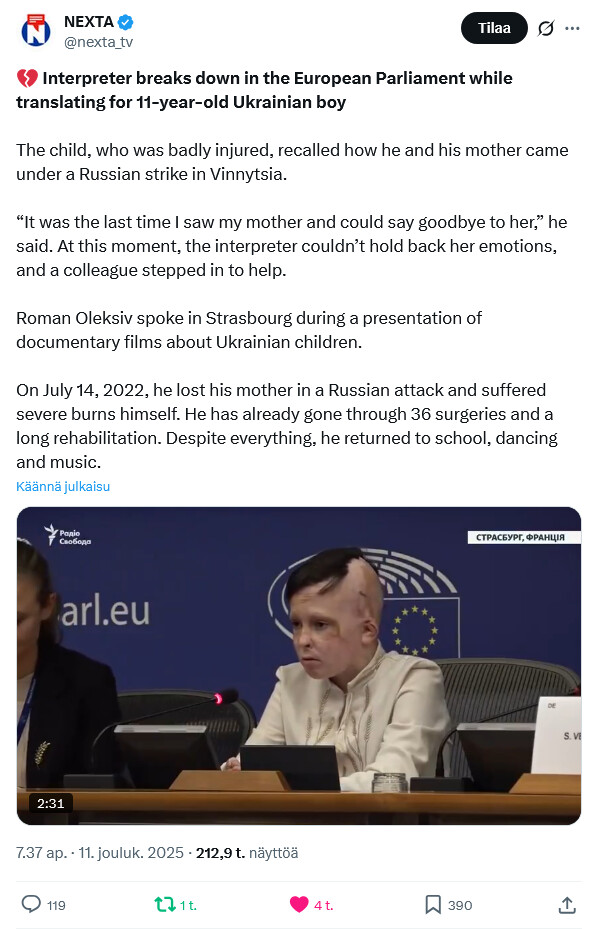
https://x.com/nexta_tv/status/1998990451446096186
Trumpin ja Putinin rauhan hinta on vain oma sielu.
58 tykkäystä
"Yhdysvaltain edustajainhuoneen republikaanijäsen Thomas Massie esittää Yhdysvaltojen eroamista puolustusliitto Natosta.
Massie on jättänyt asiasta lakiesityksen edustajainhuoneelle."
2 tykkäystä
Thomas Massie ei välttämättä ole Trumpin parhaimpia kavereita.
Trumpin lausahduksia viime vuosilta Massiesta:
On March 27, 2020, in the midst of the COVID-19 pandemic, Massie forced the return to Washington of members of the House who were “sheltering in place” in their districts by threatening a quorum call that would have required an in-person vote on the $2.2 trillion aid package that had passed the Senate by a 96–0 vote.
After Massie’s unsuccessful push, Trump said Massie should be removed from the Republican Party, calling him a “third rate [g]randstander”
In July 2025, Massie introduced a discharge petition, alongside Democratic Representative Ro Khanna, to force the release of the Jeffrey Epstein client list. This again resulted in criticism from President Trump, who called Massie an “Embarrassment to Kentucky.”
2 tykkäystä
Minä taas uskon että jonkinlainen enemmän aselepoa muistuttava rauha tulee ja seuraavat omia veikkauksia millainen:
- Onko se reilu- ei
- Onko se kestävä - ei
- Joutuuko Ukraina luopumaan muustakin kuin Krimistä - kyllä
- Saadaanko Venäläiset sotarikolliset tuomiolle - ei
- Kuka maksaa leijonanosan uudelleen rakennuksesta - Eurooppalaiset veronmaksajat
- Yritävätkö Euroopplaiset poliitikot myydä Venäjälle suotuisaa rauhaakin jonain voittona niin että kuuntelijaa vituttaa jo valmiiksi - kyllä
- Vaihtuuko Venäjällä johto - kyllä (mutta tuskin parempaan)
- Saako Donald rauhanpalkinnon - kyllä
- Vituttaako Ukrainalaisia niin ettei veri kierrä - kyllä
Samperi kuin näin Eurooppalaisena on välillä tunne kuin titanikin kannella seisoisi 5 min ennen törmäystä. Sen näkee, sen kuulee, sen tuntee mutta päälystö senkun pistää tanssisalissa jalalla koreasti.
38 tykkäystä