Military historian Phillips P. O’Brien possibly has the clearest view on Trump’s actions regarding Ukraine.
The joke emerged from the depths of memory yesterday as Trump returned obsessively, as he often does these days, to his fervent wish to have his enemies punished
Trump has held a grudge against Zelensky since his first term.
What does this have to do with Ukraine? Well, to understand his view of Zelensky in particular (and through that Ukraine as a whole) you have to understand that Trump sees them as one of his long-time enemies. He believes that the Ukrainian president personally betrayed him by not helping provide evidence that Trump could have used to charge the Biden family. This is the main reason that Trump, as soon as he started his second term, started agitating for Ukrainian elections so that he could help get rid of Zelensky (a position that Trump completely shared with Vladimir Putin).
So, Zelensky must be punished.
Understanding this might help explain why Trump seems to be actively tormenting Ukraine—giving the Ukrainians false hopes that he might help them in a real way and then always, always crushing these hopes in a brutal way.
Raise hopes. Let it be understood that maybe soon…
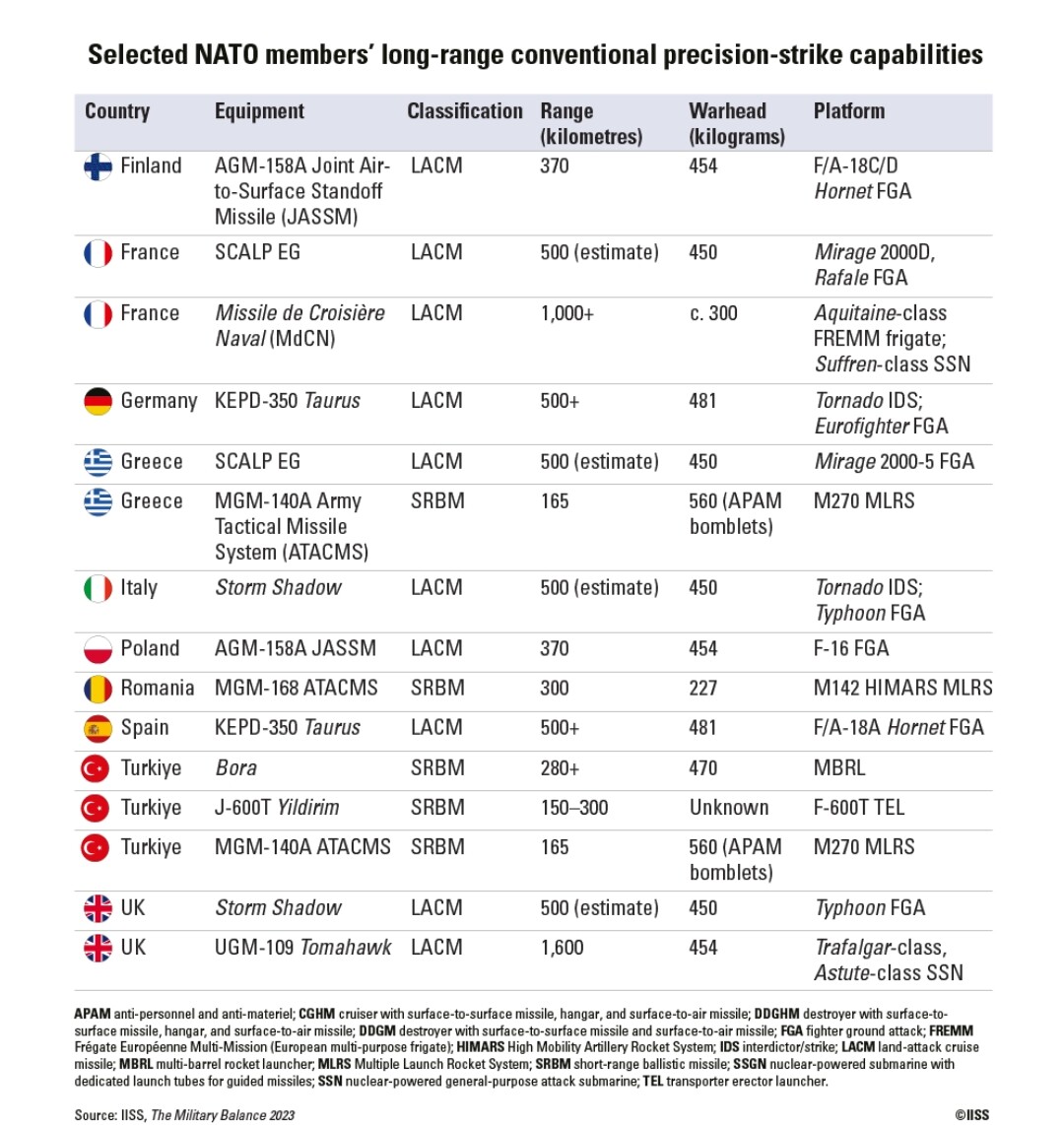
The issue of Tomahawk missiles is only the most recent of these. For months now we have heard that Trump was mulling whether to send these powerful weapons to Ukraine, weapons that would materially help the Ukrainian ranged campaign against Russian strategic industries.
Phillips did not believe in a change of heart. And he was right.
As I’ve been trying to make clear for months, Trump was never going to send Ukraine Tomahawks. Trump does not want to damage Russia in reality and does not want to help Ukraine in any material way. He also despises Zelensky—his enemy. For political reasons Trump was trying to present himself as being more open to helping Ukraine then he was.
The truth about Trump is below. Not a single new sanction or other action against Russia has come during Trump’s time. If he wants to do something, he does it, or at least tries. When he doesn’t want to do something, he says: “maybe”.
What every story about Trump claiming he “might” or “may” do something should be prefaced by is a statement of reality. If Trump wants to do something—he just does it. He does not ask permission, he does not worry about legal niceties—he does exactly what he wants when he wants. If he does not want to do something, that is when he says he might or may do it in the future. Anytime he says he might do something in the future is most likely an admission that he does not want to do it.
Trump’s actions align with this narrative. Will this make Europe act better? Garry Kasparov thinks it might be possible. But not certain.
There’s no way around it: Putin takes precedence over Zelenskyy in Trump’s mind. No grinning photo ops are going to change that. But this handicap doesn’t mean Ukraine has to lose. Kyiv and its allies still have options.
Trump plans to meet Putin in Hungary. Putin does not need to be allowed into Hungary.
Hungary is landlocked. It is impossible to get into its airspace without passing through a European Union member. Putin would need to fly over those countries to reach his Danube destination. The EU (and the United States) maintains a ban on Russian air traffic as a result of Moscow’s criminal war in Ukraine.
If only someone, even one EU country, is resolute.
It would only take one EU nation to insist upon enforcing the ban to throw the whole Budapest bash off. And it is critical that the union’s member states step up.
Are we as strong as Russia? Now would be the time to be resolute.
Trump puts Putin first because in his overly-simplistic worldview, Russia is strong and defiant, and Europe is weak and compliant. The Europeans have a chance to prove him wrong—and help Ukraine in the process.