Kirjoitetaas jonkinverran skeneä seuranneena oma näkemys alasta ja syystä, miksi salkussani ei ole yhtään eurheilufirmaa.
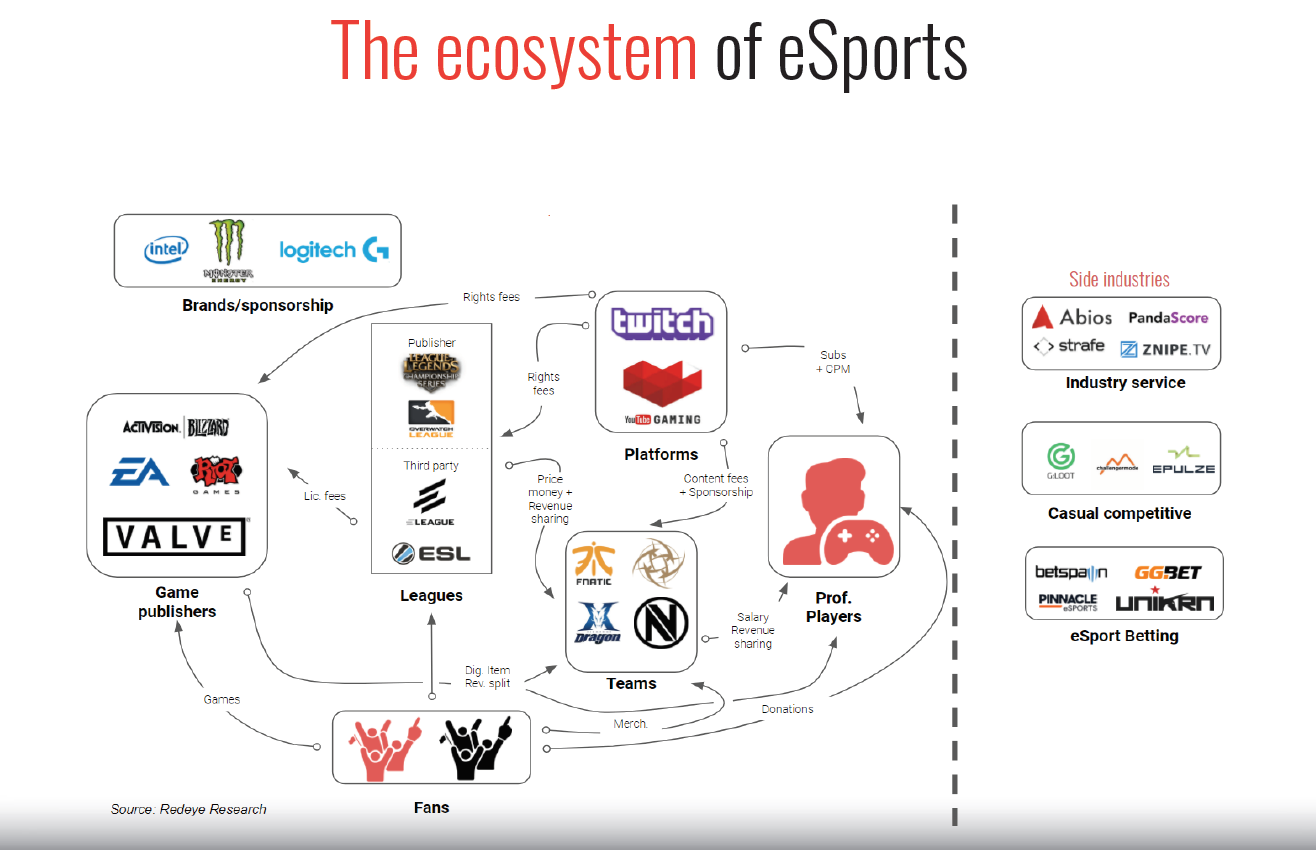
Alan isoimmat segmentit:
-
Pelistudiot
-
Turnauksen järjestäjät
-
Joukkueet
-
Streamauspalvelut
Näistä segmenteistä en tällä hetkellä missään nimessä sijoittaisi joukkueisiin. Miksi? Koska heidän positio on alalla todella huono. Riippuu todella paljon myös mitä peliä pelataan, mutta esimerkiksi Dotassa (mitä itse seuraan), pelaajien valta on äärimmäisen korkea. Joukkueiden menestys on hyvin vahvasti kiinni tietysti turnausmenestymisestä (näkyvyys+turnausvoitot). Tätä menestystä on hyvin vaikea taata. Organisaatiot eivät saa -perinteisen urheilun tavoin- pelaajille monivuotisia sopimuksia ja pelaajat vaihtavat joukkueita todella herkästi. Esportsissa joukkueen rakentaa lähes aina pelaajat ja jos pelaajilla ei synkkaa, joukkue vaihtuu, organisaatiolla on hyvin harvoin tähän mitään sanottavaa. Tämän takia myös esports-fanit useimmiten fanittavat pelaajia, eikä organisaatioita, mikä on iso eroavaisuus perinteiseen urheiluun.
Turnausjärjestäjiin en myöskään sijoittaisi, koska esportsin kuluttajat ovat (ainakin tällä hetkellä) huonoin demografia ikinä. He kuluttavat -iänkin takia- vähän, joten niille on vaikea markkinoida. Turnausstriimien ilmaisuus on heille itseisarvo, eivätkä he ikinä olisi valmiita maksamaan esportsin katsomisesta. Mutta voihan turnausjärjestäjä kilpailuttaa striiminsä eri alustojen kesken ja saada muhkean sopimuksen? NOPE! ESL testasi tätä Facebookin kanssa: fanit raivostuivat ja katsojamäärät putosi dramaattisesti. Sopimus oli rahakas ESL:lle, mutta joutui vuoden jälkeen lopettamaan sen, koska se oli PR-farssi. Esportsia ollaan valmiita katsomaan vain ilmaiseksi ja ainoastaan Twitchistä, ehkä myös YouTubesta. Turnausten lipputuloista ja oheismyynnistä toki saa jotain taskuun, mutta mielestäni megatrendit ei oikein puolla tätäkään. Fanit ovat introverttejä, jotka katsovat esportsia mielummin omalta koneelta, Discordissa parin kaverin kanssa. Itsenikin mielestä tämä on paras tapa kuluttaa esportsia.
Streamaus platformit voisi olla mielenkiintoisempi sijoituskohde, mutta kuten jo aiemmin todettu, Twitch dominoi tätä alaa. Twitchillä on mielestäni todella suuri vallihauta mitä on lähes mahdoton rikkoa. Tämä vallihauta on nimeltään Twitch-kulttuuri. Valtava määrä striimaajia, omat meemit ja twitch chat on vaikea replikoida. Twitch on pelaajien koti. Mixer on yrittänyt rahalla ostaa isoja striimaajia, mutta katsojat eivät tunnu siirtyvän. 99% contentista on edelleen Twitchissä. Twitchiin pystyy tietysti sijoittaa Amazonin kautta mutta kaikki varmasti ymmärtää, että vaikka Twitch 10-kertaistaisi arvonsa, on sillä Amazonin kurssiin häviävän pieni vaikutus.
Pelistudiot ovat mielestäni mielenkiintoisin sijoituskohde näistä segmenteistä. Jos pelaajien kulutustottumukset muuten ovat heikkoja, niin pitkäaikaisiin esports-peleihin he osaavat kyllä tunkea rahaa. Joka vuosi Dotan The International-turnaus kerää skinien myynnillä järjettömän kokoisen palkintopotin. Viime vuonna luku oli $34 miljoonaa, ja tuo summa siis kerätään parin kuukauden skinien myynnillä, joista 25% menee prize-pooliin. Valve siis myi tuona aikana pelkästään Dotassa 136 miljoonan edestä virtuaalipixeleitä. Ainiin, ja TI:n prizepool on noussut joka vuosi 10 vuoden ajan. Skinien myyminen on todella tuottoisaa puuhaa, ja lootboxit ovat käytännössä uhkapelejä, mikä on tunnetusti hyvää bisnestä. Tätä uhkapeliä voi vielä myydä ala-ikäisillekkin, mikä kuulostaa hullulta ja tämä epäkohta tullaan luultavasti reguloimaan pois.
Menestyneitä esports-pelejä on markkinoilla kuitenkin todella vähän. Syy tähän on se, että näitä pelejä on hyvin vaikea tehdä, koska pelin tulee löytää tasapaino kilpapelaamisen- ja kasuaalipelaamisen välillä.
-
Jos peli tehdään ajatellen vain kasuaalipelaajia = Esports-sceneä ei synny, koska kilpapelaaminen ei ole mielenkiintoista katsojille eikä pro-pelaajille.
-
Jos peli tehdään ajatellen vain kilpapelaajia = Esports-sceneä ei synny, koska pelin playerbase ei kehity tarpeeksi suureksi, vaikean oppimiskäyrän takia.
Lisäksi peli vaatii jatkuvia päivityksiä ja muutoksia, jotta se pysyy kiinostavana. Pelejä jotka ovat onnistuneet löytämään paikkansa esportsissa on tosiaan ihan vain muutama, ja alalle tulon kynnys on valtava. Tällä hetkellä Valorant on peli, joka on pääsemässä tämän kynnyksen yli ja tulee luultavasti liittymään harvoihin valittuihin esports-peleihin. Valorantin takana on 300 miljardin liikevaihdon omaava Tencent, joka on tehnyt Twitchissä järjettömän ison markkinointikampanjan. Helpolla esports-peliksi ei siis päästä.
Tällä hetkellä isoimmat pelistudiot esportsissa ovat:
- Riot
- Valve
- Bilzzard
- Epic Games
Näiden firmojen ulkopuolelta ei löydy yhtään menestynyttä esports-peliä. Valikoima on siis sijoitusmielessä heikko, kun ottaa vielä huomioon, että Valve ei ole listautunut pörssiin. Lisäksi jättifirma Tencent omistaa tältä listalta Riotin ja puolet Epic Gamesista (toinen puolisko yksityisessä omistuksessa). Sijoittajalle jää siis vaihtoehdoiksi jäljelle Blizzard ja Tencent.
Blizzardista täytyy sanoa sen verran, että firma oli suunnannäyttäjä koko alalla 2000-luvun alussa ja todella kovassa suosiossa pelaajien keskuudessa. Activision fuusion jälkeen meno on ollut nyt 2013 jälkeen pelkkää alamäkeä, ainakin PR-mielessä. Blizzard onnistuu jollain ihmeellä suututtamaan oman core-audiencensa kerta toisensa jälkeen, mitä typerimmillä asioilla. Pelejä julkaistaan laiskasti, eikä esports-pelejä osata balancoida, joten esimerkiksi Overwatchin metagame muuttui todella tylsäksi. Blizzard osasi kyllä jollain ihmeellä myydä Overwatch Leagueen 20 joukkuepaikkaa $50 miljoonan hintalapuilla. Nämä joukkuepaikkoihin sijoittajat olivat jotain ikäloppuja NFL joukkueiden omistajia, joille Blizzardin myyntimiehet varmaan hoki esports-buzzwordeja ja vanhukset FOMOtti. Nämä sijoittajat eivät tule koskaan saamaan rahojaan takaisin. Overwatch League kuolee joka vuosi enemmän, ja saattaa olla, että Valorant on viimeinen niitti. Mutta ainakin Blizzarrd kääri massit.
Viimeiseksi sijoitusvaihtoehdoksi jää siis Tencent. Kuitenkin Tencentissä on sama ongelma, kuin Twitchissä ja Amazonissa. Tencent on markkina-arvoltaan kiinan arvokkaimpia yrityksiä. Firma ei siis ole pelkästään Epic ja Riot riippuvainen. Jos olisi, voisin sijoittaakkin. Etenekin Epic Games tuntuisi mielenkiintoiselta. Firma on tehnyt monia onnistuneita peliliikkeitä, mm. Rocket Leaguen osto, ja Fortniten markkinointi. Epic omistaa myös Unreal Enginen jolla esimerkiksi uusi hittipeli Valorant on tehty. Tencentin mukana tulee kuitenkin järjetön määrä yhtiöitä joita en haluaisi omistaa, joten minkäs teet.
Tulipas pitkä rant  Mutta isoin ongelma esportsiin sijoittamisessa on, että pörssistä löytyy todella vähän valikoimaa ja harvat esports onnistujat ovat vain pieni osa jotain jättifirmaa.


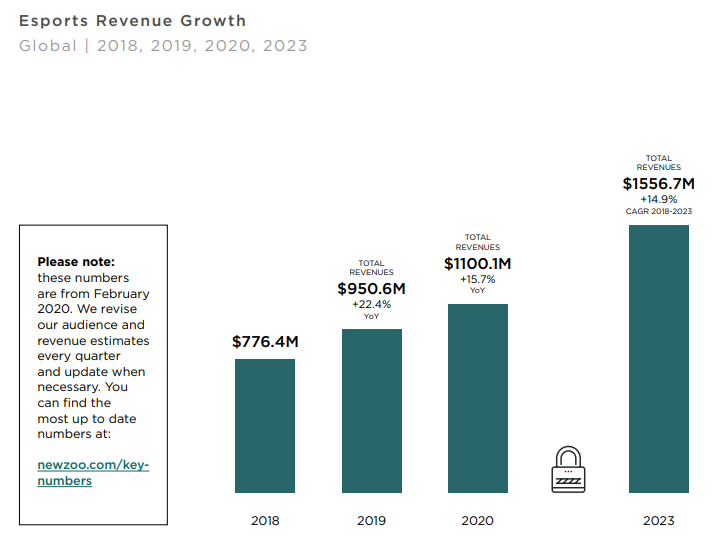
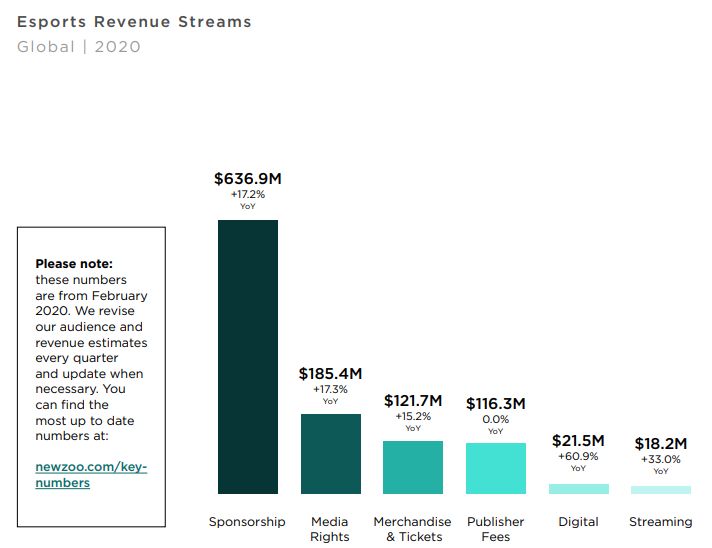
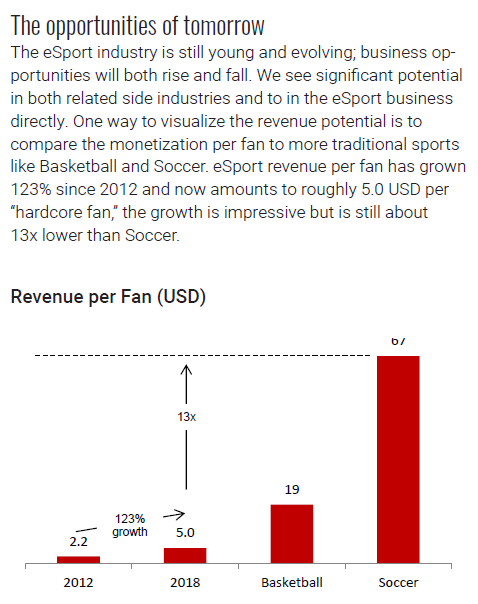
 Eli allekirjoitan joka kohdan näin vanhana Twitchin suurkuluttajana, aiemmin dota-turnauksia lähes päivittäin seuranneena ja dotan hattuihin aika reilusti rahaa käyttäneenä. Toimiala on hyvin kiinnostava, mutta sijoituskohteita on hyvin hankala löytää.